
A pet nail injury can happen in a split second—your dog catches their nail on the carpet, your cat’s claw gets caught in a door, or a simple trim goes wrong. If you’ve ever watched your furry friend limp around or seen blood dripping from their paw, you know how stressful it is. The good news? Most nail injuries are manageable at home with the right knowledge and care, though some do need veterinary attention.
Table of Contents
- Understanding Pet Nail Injuries: What Actually Happens
- Signs Your Pet Is Experiencing a Nail Injury
- When to Seek Veterinary Care for a Nail Injury
- Medications Commonly Used for Pet Nail Injuries
- Home Care: What You Can Do Right Now
- Preventing Future Pet Nail Injuries
- When Complications Arise: Infection and Abscess Formation
- Recovery Timeline: What to Expect
- Frequently Asked Questions
- What To Do Now
- Summary: Managing Pet Nail Injuries with Confidence
This article is for informational purposes only and is not a substitute for professional veterinary advice. Always consult a licensed veterinarian for diagnosis and treatment.
Understanding Pet Nail Injuries: What Actually Happens
Your pet’s nails are living structures with blood vessels and nerves running through them. When a nail breaks, cracks, or splits, it’s not just cosmetic—it can be genuinely painful. The quick (the pink part inside the nail) contains these sensitive tissues, so any injury in that area will cause discomfort and bleeding.
Injuries range from minor chips to complete nail avulsion (when the entire nail pulls away from the nail bed). Some happen suddenly, while others develop gradually from repeated trauma or poor nail health.
Signs Your Pet Is Experiencing a Nail Injury
The first clue is usually limping or favoring one paw. Your pet might lick or chew at their nail obsessively, which is their way of trying to soothe the pain. You may also notice:
- Swelling around the nail or paw pad
- Discharge or pus (a sign of infection)
- Reluctance to put weight on the affected foot
- Visible bleeding or dark discoloration under the nail
- Foul odor coming from the paw area
Catching this early puts you in a great position to help. The sooner you address it, the less likely infection or complications will develop.
When to Seek Veterinary Care for a Nail Injury
Not every nail issue requires an emergency vet visit, but some situations absolutely do. If your pet is in severe pain, has signs of infection (swelling, pus, heat), or the nail is partially detached, contact your vet right away.
If you’re unsure whether your pet needs urgent care, a quick telehealth check-in can give you peace of mind—no appointment needed. A vet can assess photos of the injury and guide you on next steps.
Medications Commonly Used for Pet Nail Injuries
Your veterinarian may recommend several types of medications depending on the severity and whether infection is present. Understanding these options helps you make informed decisions about your pet’s care.
1. Antibiotics for Infection Prevention
If a nail injury breaks the skin or the nail bed becomes exposed, bacteria can enter and cause infection. Topical antibiotics (applied directly to the wound) are often the first line of defense for minor injuries. Oral antibiotics may be necessary if infection has already developed or if the injury is severe.
Your vet will determine which antibiotic is best based on the type of infection suspected. Always complete the full course as prescribed, even if the paw looks better before the medication runs out.
2. Antifungal Treatments
In some cases, a fungal infection can develop alongside or instead of a bacterial one. This is especially true if the nail bed remains moist or if your pet has underlying skin conditions. Antifungal medications come in topical and oral forms.
Fungal infections take longer to resolve than bacterial ones, so patience is important. Your vet may need to recheck the paw to confirm the infection has cleared.
3. Pain Management Medications
Your pet’s comfort matters. Pain relievers help reduce inflammation and allow your pet to move more normally during healing. This is especially important because pets often avoid using an injured paw, which can lead to muscle weakness or other gait problems.
Your veterinarian will recommend pain management options appropriate for your pet’s age, weight, and overall health. Never give human pain relievers without veterinary guidance.
4. Anti-Inflammatory Medications
Swelling around the nail and paw is common after injury. Anti-inflammatory medications reduce this swelling, which also helps with pain relief. These medications work best when started early, so prompt treatment makes a real difference.
Some pets may need these medications for several days to a week, depending on the severity of the injury.
5. Topical Wound Care Solutions
Beyond antibiotics, your vet might recommend antiseptic solutions or medicated sprays to keep the wound clean and prevent infection. These are applied directly to the injured nail or surrounding area. Some contain ingredients that also help with pain or itching.
You’ll typically apply these once or twice daily as part of your home care routine. Always wash your hands before and after application.
6. Styptic Powders or Hemostatic Agents
If bleeding won’t stop on its own, styptic powder or other hemostatic agents help clot the blood quickly. These are especially useful for nail injuries where the quick is exposed. They work within seconds and are generally safe for at-home use.
Keep a container on hand if your pet has a history of nail issues or if you trim their nails at home. Apply gentle pressure after using the powder to help it work effectively.
7. Supplements for Nail Health and Healing
While not technically a medication, certain supplements support nail growth and overall paw health. These may include biotin, omega-3 fatty acids, and other nutrients that strengthen nails from the inside out. Your vet might recommend these as part of long-term care, especially if your pet has recurring nail problems.
Supplements work best as a preventive measure and take several weeks to show benefits. They’re a great complement to other treatments but shouldn’t replace medical care for active injuries.
Home Care: What You Can Do Right Now
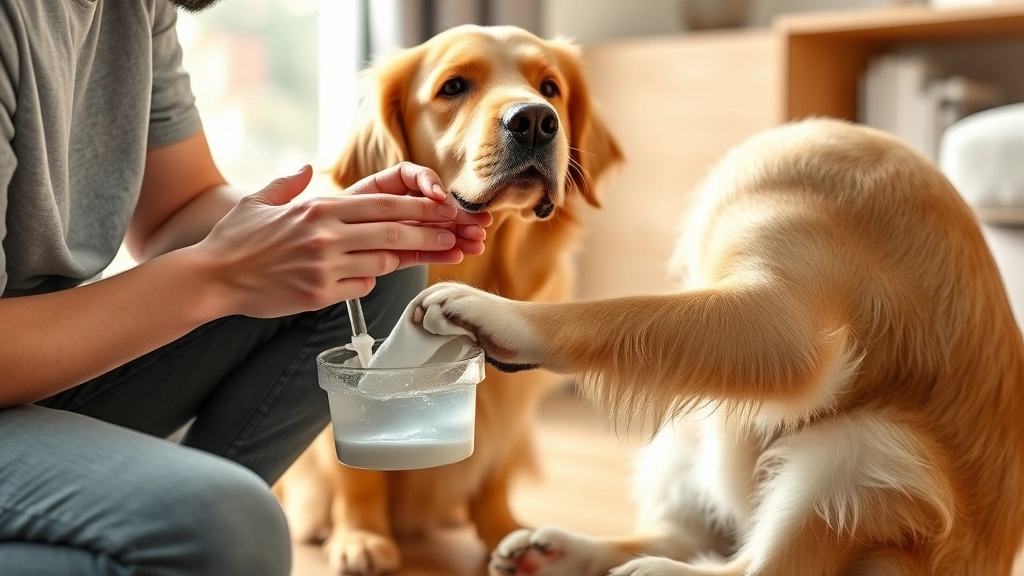
While medications are important, home care is equally critical. Clean the paw gently with warm water and mild soap at least once daily. Pat it dry completely, then apply any prescribed topical treatments.
Keep the paw as dry as possible between cleanings. If your pet walks outside, consider a protective bootie or wrap to prevent dirt and moisture from getting into the wound. Prevent your pet from licking or chewing the injury by using a cone (Elizabethan collar) if needed.
Limit activity during healing. Short, leashed walks are fine, but avoid running, jumping, or rough play. Rest is one of your pet’s best medicines.
Preventing Future Pet Nail Injuries
The best treatment is prevention. Keep your pet’s nails trimmed regularly—overgrown nails are more prone to breaking and catching. If you’re not confident trimming at home, ask your vet or groomer to do it.
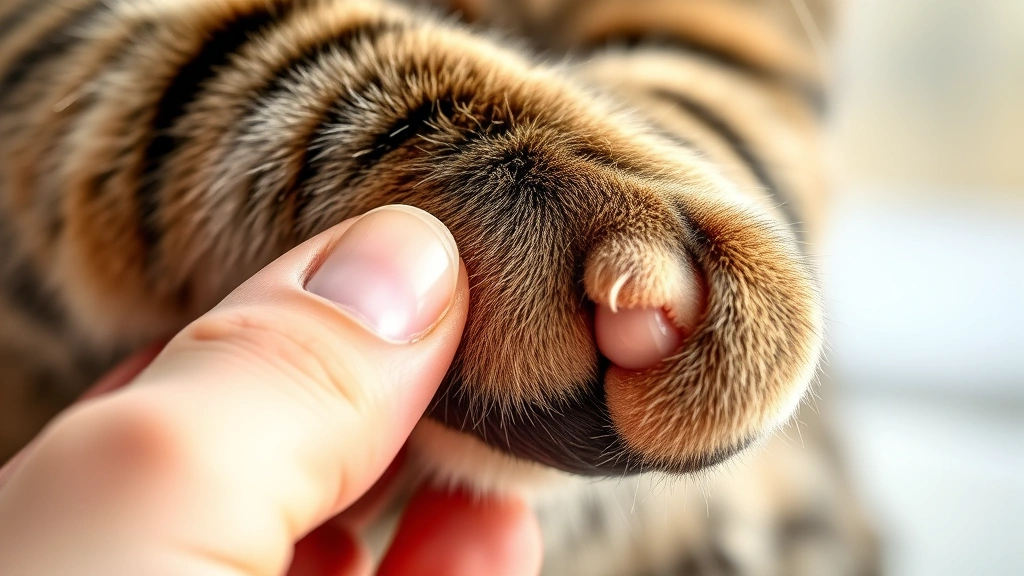
Check your pet’s nails weekly for signs of splitting, discoloration, or other problems. Ensure your home is free of snag hazards like loose carpet, protruding nails, or rough surfaces. A healthy diet that supports coat and nail health is also important for strong, resilient nails.
If your pet has recurring nail issues, discuss underlying causes with your vet. Conditions like skin infections or nutritional deficiencies can weaken nails and make injury more likely.
When Complications Arise: Infection and Abscess Formation
Despite your best efforts, sometimes infection develops. Signs include increased swelling, pus, foul odor, or your pet’s condition worsening despite treatment. If this happens, contact your vet promptly—the infection may have progressed to an abscess that needs drainage.
Untreated infections can spread to deeper tissues and become serious. Early intervention prevents this. Your vet may need to examine the paw in person and possibly take samples to identify the exact infection-causing organism.
Recovery Timeline: What to Expect
Minor nail injuries typically show improvement within 1-2 weeks with proper care. More severe injuries or those with infection may take 3-6 weeks to fully heal. A new nail grows back over several months as the old one sheds.
During recovery, you’ll likely have follow-up vet visits to monitor healing and adjust treatment if needed. Don’t be discouraged if progress seems slow—nail injuries are frustratingly slow to heal, but consistent care pays off.
Frequently Asked Questions
Can I treat a pet nail injury at home without seeing a vet?
Minor chips or slightly cracked nails can often be managed at home with cleaning, styptic powder, and monitoring. However, if there’s bleeding that won’t stop, signs of infection, or your pet is in pain, veterinary care is necessary.
How long does it take for a broken nail to heal?
Simple breaks may improve in 1-2 weeks, while severe injuries or those with infection can take 3-6 weeks or longer. A completely new nail grows back over several months.
Is my pet’s nail injury an emergency?
Seek emergency care if there’s severe bleeding that won’t stop after 10 minutes, signs of infection, or your pet can’t bear weight on the paw. Otherwise, a regular vet appointment is usually sufficient.
Can nail injuries lead to serious infections?
Yes, untreated nail injuries can develop bacterial or fungal infections that spread to deeper tissues. This is why prompt attention and proper medication are important.
Should I use human first aid products on my pet’s nail injury?
Avoid human products unless your vet specifically approves them. Some ingredients can be toxic to pets if ingested during grooming. Always use pet-safe products or consult your vet first.
What To Do Now
- Assess the injury: Gently examine your pet’s paw in good lighting. Look for bleeding, swelling, discharge, or visible damage to the nail. Note what you see.
- Clean and stabilize: Wash the paw with warm water and mild soap, then pat dry completely. If bleeding occurs, apply styptic powder or gentle pressure with a clean cloth.
- Contact your vet or use telehealth: If unsure whether the injury needs professional care, reach out to your veterinarian or schedule a quick telehealth consultation. Describe what you observed and ask about next steps.
- Start home care: Once you know what treatment is needed, establish a daily routine for cleaning, applying medications, and monitoring the paw for signs of improvement or infection.
- Prevent future injuries: Schedule regular nail trims with your groomer or vet, and do a weekly paw check to catch problems early.
Summary: Managing Pet Nail Injuries with Confidence
A pet nail injury is stressful, but it’s manageable with prompt attention and the right approach. Understanding the medications your vet might recommend—from antibiotics and anti-inflammatories to pain relief and topical treatments—helps you feel prepared and informed.
Most injuries heal well with consistent home care and veterinary guidance. The key is catching problems early, following treatment plans carefully, and preventing future injuries through regular nail maintenance and home safety.
Your pet’s comfort and health are worth the effort. If you ever feel uncertain about your pet’s recovery, don’t hesitate to reach out to your vet. That’s what they’re there for.