
Noticing that your dog or cat has a cut, scrape, or surgical site can be stressful, and wondering whether your pet’s wound infection signs are developing can keep any pet owner up at night. The good news? You’re already taking the right step by learning what to look for. Catching the early warning signs of infection gives you the best chance to help your pet heal quickly and comfortably.
Table of Contents
- Why Pet Wound Infections Happen
- Sign #1: Increased Redness and Swelling Around the Wound
- Sign #2: Discharge or Pus Coming from the Wound
- Sign #3: Odor That Smells Wrong or Foul
- Sign #4: Your Pet Won’t Stop Licking or Chewing at the Wound
- Sign #5: Lethargy, Fever, or General Illness
- Sign #6: The Wound Edges Are Separating or Opening Up
- Sign #7: Swollen Lymph Nodes or Firm, Hot Lumps Near the Wound
- How to Care for Your Pet’s Wound at Home
- When to Seek Veterinary Care Immediately
- Understanding Post-Operative Wound Care
- The Role of Your Pet’s Immune System
- Summary: Your Action Plan
- Frequently Asked Questions
- What To Do Now
This article is for informational purposes only and is not a substitute for professional veterinary advice. Always consult a licensed veterinarian for diagnosis and treatment.
Wounds happen. Whether it’s a minor scrape from playtime, a surgical incision from a recent procedure, or a puncture from an encounter with something sharp, your pet’s skin barrier has been compromised. That’s when infection becomes a real concern. Let’s walk through the critical pet wound infection signs you should never ignore, so you can act fast if something doesn’t look right.
Why Pet Wound Infections Happen
A wound becomes infected when bacteria or other microorganisms enter the damaged skin and begin to multiply. Your pet’s immune system fights back, but sometimes the infection wins—especially if the wound isn’t kept clean or if your pet keeps licking or scratching at it.
Post-operative wounds are particularly vulnerable during the first 7–14 days. Environmental wounds (like those from outdoor play) can become infected just as easily. Understanding the conditions that allow infection to take hold helps you prevent problems before they start.
Sign #1: Increased Redness and Swelling Around the Wound
Some redness and mild swelling right after an injury is normal—that’s your pet’s body responding to the trauma. But if the redness spreads beyond the immediate wound edges or swelling gets worse after the first 48 hours, that’s a red flag.
Infected wounds often develop a hot, angry-looking halo of inflammation around them. You might notice the skin feels warm to the touch compared to the surrounding area. Catching this early puts you in a great position to help your pet recover.
Sign #2: Discharge or Pus Coming from the Wound
Clear or slightly cloudy fluid in the first day or two is often normal as the wound begins to heal. However, thick, yellow, green, or foul-smelling discharge is a classic sign of bacterial infection.
If you notice your pet’s bandage is soaked with pus or the wound is actively draining when you check it, don’t wait—this warrants veterinary attention. Pus is essentially dead white blood cells fighting the infection, and it tells you bacteria have established themselves.
Sign #3: Odor That Smells Wrong or Foul
A healthy healing wound might have a slight metallic or neutral smell. An infected wound often develops a distinctly unpleasant, sour, or putrid odor. This smell comes from bacterial waste products and is one of the most reliable early warning signs.
Trust your nose on this one. If something smells off when you check the bandage or wound site, that’s your cue to contact your veterinarian. Your sense of smell can catch infection before other signs become obvious.
Sign #4: Your Pet Won’t Stop Licking or Chewing at the Wound
Pets naturally want to clean their wounds, but excessive licking is often a sign that something feels wrong—pain, itching, or discomfort from infection. If your dog or cat is obsessively focusing on the wound site, ignoring commands to leave it alone, or creating a raw area from constant attention, infection may be the culprit.
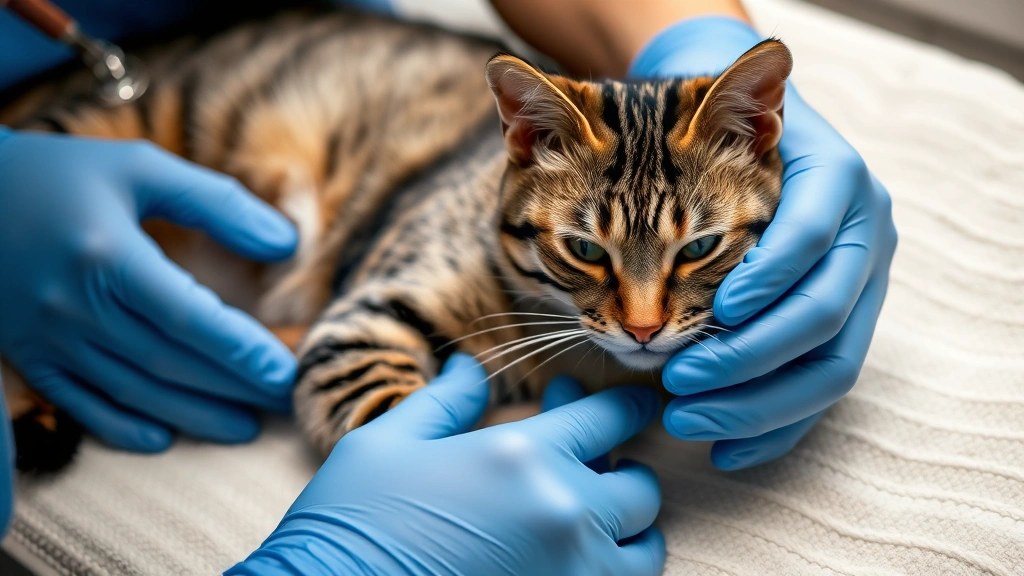
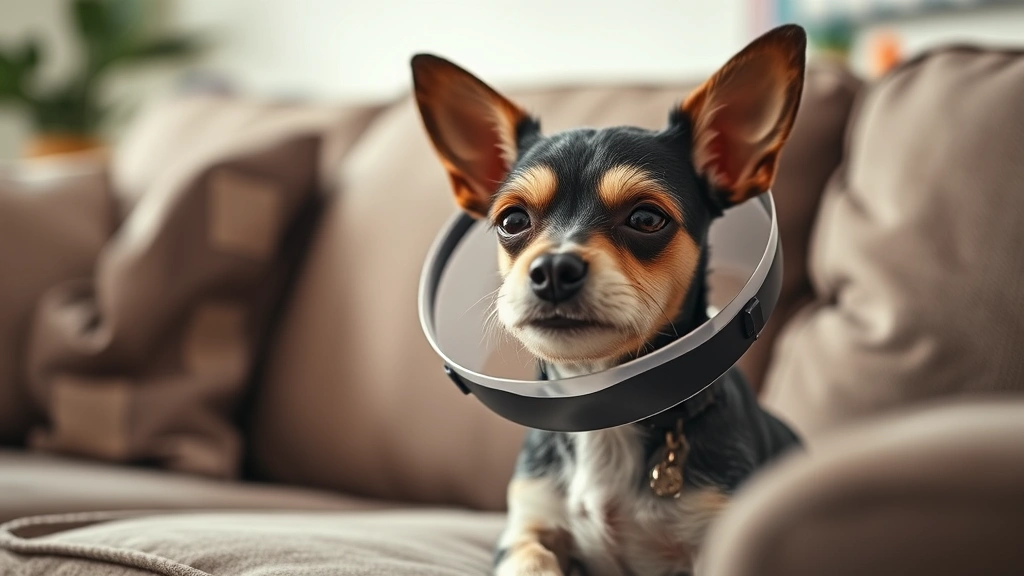
This behavior also creates a vicious cycle: licking introduces more bacteria and prevents the wound from healing properly. An Elizabethan collar (cone) can help break this cycle while you get professional guidance.
Sign #5: Lethargy, Fever, or General Illness
Systemic signs—meaning your pet’s whole body is affected, not just the wound—suggest the infection may be spreading. If your normally active pet becomes sluggish, loses interest in food, or seems feverish (warm ears, warm nose, or shivering), contact your veterinarian right away.
You can take your pet’s temperature with a rectal thermometer if you’re comfortable doing so. Normal body temperature for dogs and cats is around 100–102.5°F. A temperature above 103°F combined with a suspicious wound is concerning and needs immediate evaluation.
Sign #6: The Wound Edges Are Separating or Opening Up
If a surgical incision or wound that was starting to close suddenly opens back up, or if the edges pull apart, infection is often the reason. Infected tissue breaks down faster, and the inflammatory response can cause the wound to dehisce (separate).
This is a sign that your pet needs veterinary care without delay. A reopened or separating wound won’t heal on its own and risks deeper tissue involvement. Don’t try to close it yourself—your vet needs to assess what’s happening underneath.
Sign #7: Swollen Lymph Nodes or Firm, Hot Lumps Near the Wound
As your pet’s immune system fights an infection, nearby lymph nodes may swell. You might feel firm, warm lumps under the skin near the wound site or along the path toward the nearest lymph nodes.
This is your pet’s body’s way of mobilizing its defenses, but it’s also a clear signal that infection is present. Swollen, tender lymph nodes paired with any other wound infection signs mean it’s time for a vet visit.
How to Care for Your Pet’s Wound at Home
Prevention is always easier than treatment. Here’s how to support your pet’s healing:
- Keep it clean: Gently rinse with saline or clean water daily, then pat dry with a clean cloth.
- Prevent licking: Use an Elizabethan collar if your pet won’t leave the wound alone.
- Change bandages: Follow your vet’s instructions for how often to change dressings.
- Watch for moisture: Wet bandages encourage bacterial growth—change them if they become damp.
- Avoid home remedies: Stick to what your veterinarian recommends rather than trying unproven treatments.
If you’re unsure whether your pet needs urgent care, a quick telehealth check-in with The Pet Vet can give you peace of mind—no appointment needed. A vet can often assess wound healing through video and guide your next steps.
When to Seek Veterinary Care Immediately
Don’t wait for an appointment if you notice any of these red flags:
- Pus or foul-smelling discharge from the wound
- Fever (temperature above 103°F) combined with a suspicious wound
- Redness or swelling that spreads rapidly
- Your pet seems systemically ill (lethargy, loss of appetite, vomiting)
- The wound has reopened or edges are separating
- You notice firm, warm lumps or severely swollen lymph nodes
Many wound infections respond beautifully to prompt veterinary care. Early intervention often means faster healing and less discomfort for your pet.
Understanding Post-Operative Wound Care
If your pet recently had surgery, your vet gave you specific aftercare instructions for a reason. Surgical wounds are at higher risk during the first two weeks because they’re deliberately created and sutured, making them vulnerable during the healing phase.
Stick to restricted activity, keep the incision dry and clean, and attend all follow-up appointments. Many vets recommend keeping post-operative wounds covered with a clean bandage until sutures are removed. If you’re caring for your pet after a procedure like spaying, neutering, or tumor removal, be extra vigilant about checking the incision daily.
The Role of Your Pet’s Immune System
A healthy, well-nourished pet with a strong immune system fights off infection more effectively. Proper nutrition—whether that’s high-quality commercial food or a veterinarian-approved homemade diet—supports healing. If your pet has chronic health issues, maintaining good overall health becomes even more important when wounds are present.
Stress also affects immune function, so keeping your pet calm and comfortable during recovery helps their body focus on healing.
Summary: Your Action Plan
Pet wound infection signs range from obvious (pus, foul odor) to subtle (increased licking, mild fever). The key is knowing what to look for and acting quickly if something doesn’t seem right. Your pet depends on you to notice changes and advocate for their care.
Remember: a wound that’s healing well should show signs of improvement each day. Redness and swelling should decrease, discharge should stop, and your pet’s behavior should return to normal. If you’re seeing the opposite, trust your instincts and reach out to your veterinarian.
Frequently Asked Questions
How long does it take for a wound to get infected?
Infection can develop within 24–48 hours, though it may take several days. Check wounds daily, especially during the first week, to catch early signs.
Can I use human antibiotic ointment on my pet’s wound?
Some human products are safe for pets, but others can be toxic if licked. Always ask your veterinarian before applying anything to your pet’s wound.
What’s the difference between normal healing and infection?
Normal wounds show decreasing redness and swelling each day, with minimal discharge. Infected wounds get worse over time, with increasing redness, discharge, odor, and systemic signs like fever or lethargy.
Is a warm wound always infected?
Not necessarily—some warmth is normal during the inflammatory phase of healing. However, a wound that feels hot and looks increasingly red, combined with other signs, warrants veterinary evaluation.
Can wound infections be prevented?
Yes! Keep wounds clean and dry, prevent licking with an Elizabethan collar, change bandages as directed, and follow all post-operative care instructions from your veterinarian.
What To Do Now
- Examine your pet’s wound today: Check for redness, swelling, discharge, odor, and any separation of the edges. Note what you see so you can describe it to your vet if needed.
- Set a daily wound-check reminder: Schedule a specific time each day to inspect the wound and document any changes (photos are helpful).
- Contact your veterinarian if you notice any infection signs: Don’t wait for an appointment—call and describe what you’re seeing. If it’s after hours, ask about emergency clinic options or try a telehealth consultation with The Pet Vet for quick guidance.
- Ensure your pet wears an Elizabethan collar if licking is a problem: This simple step prevents further contamination and gives the wound the best chance to heal.
- Keep detailed notes on the wound’s appearance: Track color, swelling, discharge, odor, and your pet’s behavior. This information helps your vet assess healing and spot problems early.
Your attentiveness to your pet’s wound is exactly what responsible pet ownership looks like. You’re doing great by educating yourself on pet wound infection signs. Trust yourself, stay vigilant, and don’t hesitate to reach out to your veterinarian—that’s what they’re there for.