
If your cat is struggling to breathe or making unusual sounds while resting, pulmonary edema in cats could be the underlying cause—and recognizing the signs early can make all the difference in your pet’s recovery. This condition, where fluid builds up in the lungs, is serious but manageable with prompt veterinary care and the right approach.
Table of Contents
- What Is Pulmonary Edema in Cats?
- Common Signs Your Cat May Be Experiencing Pulmonary Edema
- Understanding the Root Causes
- How Vets Diagnose Pulmonary Edema
- Treatment Approaches and Medication Options
- Managing Pulmonary Edema at Home
- When to Seek Emergency Care
- Preventing Pulmonary Edema: What You Can Control
- The Long-Term Outlook for Cats with Pulmonary Edema
- Frequently Asked Questions
- What To Do Now
- Summary: Taking Action for Your Cat’s Health
This article is for informational purposes only and is not a substitute for professional veterinary advice. Always consult a licensed veterinarian for diagnosis and treatment.
What Is Pulmonary Edema in Cats?
Pulmonary edema occurs when fluid accumulates in the air sacs and tissues of your cat’s lungs, making it harder for them to breathe and get oxygen into their bloodstream. Think of it like waterlogging—the lungs fill with fluid instead of air, which is why your cat may seem to gasp or wheeze.
This condition is often a secondary problem, meaning it develops as a result of another underlying illness. Heart disease is the most common culprit, but kidney disease, infections, and even certain injuries can trigger it.
Common Signs Your Cat May Be Experiencing Pulmonary Edema
Catching the early warning signs puts you in a great position to help your cat recover quickly. Here are the most common symptoms to watch for:
- Rapid or labored breathing: Your cat may breathe faster than normal, even at rest.
- Wheezing or crackling sounds: You might hear unusual noises when your cat breathes, especially during the night.
- Open-mouth breathing: Cats normally breathe through their noses; mouth breathing is a red flag.
- Lethargy and weakness: Your cat may seem unusually tired or reluctant to move.
- Loss of appetite: Difficulty breathing makes eating uncomfortable.
- Blue-tinged gums or tongue: This indicates low oxygen levels and requires immediate attention.
- Coughing or gagging: Some cats produce a wet cough or foam from the mouth.
If you notice any of these symptoms, don’t wait. Your cat’s oxygen levels can drop quickly, and early intervention saves lives.
Understanding the Root Causes
Pulmonary edema doesn’t appear out of nowhere—it’s almost always a sign that something else is going wrong. The most common underlying causes include:
Heart disease is responsible for the majority of pulmonary edema cases in cats. When the heart can’t pump blood efficiently, fluid backs up into the lungs. Conditions like hypertrophic cardiomyopathy (HCM) are particularly common in cats.
Kidney disease can lead to fluid retention and high blood pressure, both of which increase the risk of pulmonary edema. Older cats are especially vulnerable.
Infections and pneumonia can cause inflammation and fluid leakage into the lungs. The American Veterinary Medical Association notes that respiratory infections require swift treatment to prevent complications.
Trauma or toxin exposure may damage lung tissue and trigger fluid accumulation. Even near-drowning incidents can cause delayed pulmonary edema.
Severe anemia reduces the blood’s oxygen-carrying capacity, which can contribute to pulmonary edema in some cases. You can learn more about this condition by reading our guide on anemia in cats.
How Vets Diagnose Pulmonary Edema
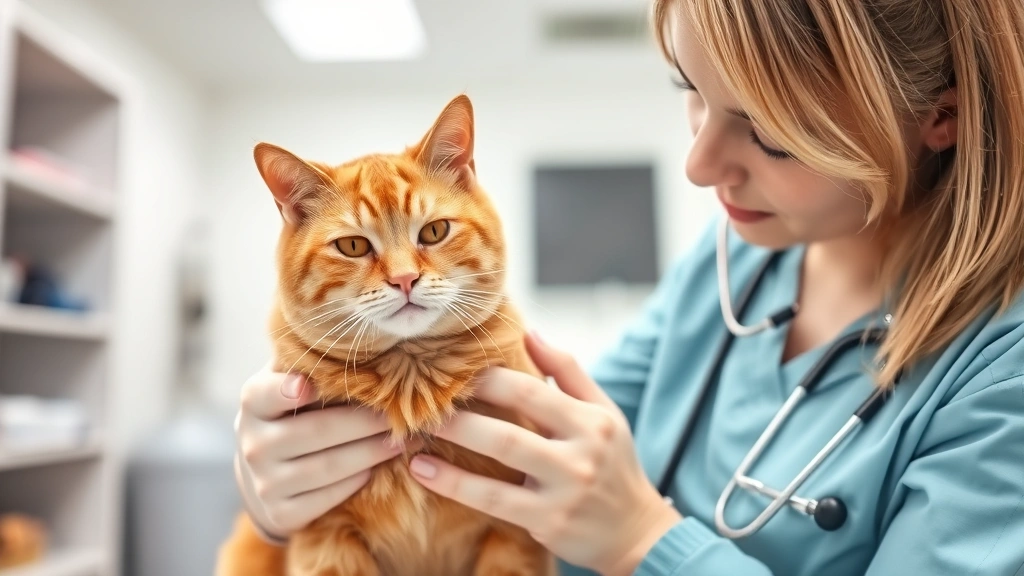
Your veterinarian will use several tools to confirm pulmonary edema and identify the underlying cause. A chest X-ray is the gold standard—it shows the characteristic cloudy appearance of fluid in the lungs.
Blood work helps rule out kidney disease, infections, and other systemic problems. An ultrasound of the heart (echocardiogram) can reveal structural abnormalities or poor heart function.
Your vet may also listen to your cat’s lungs with a stethoscope to detect crackles or wheezes. In urgent situations, oxygen saturation monitoring gives real-time feedback on how well your cat is breathing.
Treatment Approaches and Medication Options
Once your vet confirms pulmonary edema, the treatment plan focuses on two goals: removing fluid from the lungs and treating the underlying cause.
Diuretics are often the first line of defense. These medications help your cat’s body eliminate excess fluid through urine, reducing the burden on the lungs. Your vet will determine the right type and dosing schedule based on your cat’s specific situation.
Vasodilators relax blood vessels and reduce the pressure that forces fluid into the lungs. These are particularly helpful when heart disease is the underlying cause.
Oxygen therapy is critical in acute cases. Your cat may need to stay at the veterinary clinic in an oxygen-enriched environment until breathing stabilizes. This buys time for medications to work.
Medications for the underlying condition are essential for long-term management. If heart disease is the culprit, your cat may need heart-specific medications. If kidney disease is involved, dietary adjustments and additional medications may be recommended. Learn more about specialized diets by exploring our article on IBD diet for cats, which discusses how nutrition supports feline health.
Your veterinarian will never share specific dosages with you in an article like this—each cat’s needs are unique, and only your vet can prescribe the right treatment plan.
Managing Pulmonary Edema at Home
After your cat comes home, your role in recovery is crucial. Here’s what you can do to support healing:
- Give medications exactly as prescribed: Set phone reminders and follow your vet’s schedule precisely. Consistency matters.
- Monitor breathing patterns: Count your cat’s breaths per minute at rest (normal is 20–30). Report any increases to your vet.
- Keep your cat calm and stress-free: Stress raises heart rate and breathing. Create a quiet, comfortable space.
- Limit activity: Restrict jumping, climbing, and vigorous play until your vet gives the all-clear.
- Watch for returning symptoms: Contact your vet immediately if breathing difficulties return or worsen.
- Attend follow-up appointments: These visits let your vet check progress and adjust treatment if needed.
Catching this early and staying consistent with treatment puts your cat in the best position to bounce back.
When to Seek Emergency Care
Some situations demand immediate veterinary attention. Don’t hesitate—go to an emergency clinic if you notice:
- Severe difficulty breathing or gasping for air
- Blue-tinged gums or tongue
- Collapse or loss of consciousness
- Foam or fluid coming from the mouth or nose
- Inability to lie down comfortably
If you’re unsure whether your cat needs urgent care, a quick telehealth check-in with a veterinarian can give you peace of mind—no appointment needed. PetMD’s resources also offer helpful guidance on emergency symptoms.
Preventing Pulmonary Edema: What You Can Control
While you can’t always prevent pulmonary edema, you can reduce your cat’s risk by managing underlying conditions.
Regular veterinary check-ups catch heart disease and kidney problems early, before they progress to pulmonary edema. Annual exams are standard, but older cats benefit from twice-yearly visits.
Blood pressure monitoring is especially important for cats with kidney disease or hypertension. High blood pressure is a major risk factor.
Proper nutrition and weight management support heart and kidney health. Excess weight puts strain on both organs. Explore our guide on feeding for immune support to learn how diet strengthens overall wellness.
Stress reduction matters more than many owners realize. A calm environment supports cardiovascular health.
Medication compliance for chronic conditions like hypertension or heart disease prevents complications. If your cat is already on medications, take them seriously.
The Long-Term Outlook for Cats with Pulmonary Edema
The prognosis depends heavily on the underlying cause and how quickly treatment begins. Cats with heart disease may have pulmonary edema episodes recur, but many live comfortably for months or years with proper management.
Some cats recover fully if the pulmonary edema was caused by a treatable infection or acute injury. Others require ongoing medication and monitoring. Your vet will give you realistic expectations based on your cat’s specific diagnosis.
The key is consistency: stick with medications, attend follow-ups, and watch for warning signs. Many cats surprise us with their resilience when given the right support.
Frequently Asked Questions
Can pulmonary edema in cats be cured?
It depends on the cause. If pulmonary edema results from a treatable infection, recovery is possible. If it’s caused by heart disease, it’s typically managed long-term with medication rather than cured completely.
How long can a cat live with pulmonary edema?
Survival time varies widely based on the underlying cause and how well your cat responds to treatment. Some cats live months or years with proper care; others may have a shorter prognosis. Your vet can give you a more specific timeline.
Is pulmonary edema painful for cats?
Pulmonary edema itself isn’t painful, but the difficulty breathing causes significant distress and anxiety. Treatment relieves this discomfort quickly.
Can I treat pulmonary edema at home without a vet?
No. Pulmonary edema requires professional diagnosis and medication. Attempting home treatment delays care and puts your cat’s life at risk.
What’s the difference between pulmonary edema and nasal congestion in cats?
Nasal congestion affects the nose and sinuses, while pulmonary edema fills the lungs with fluid. They have different causes and treatments. Learn more about nasal congestion in cats to understand the distinction.
What To Do Now
If you suspect your cat may have pulmonary edema, take these steps immediately:
- Schedule a veterinary appointment today or visit an emergency clinic if your cat shows severe breathing difficulty.
- Document your cat’s symptoms (breathing rate, sounds, appetite changes) to share with your vet—this information helps with diagnosis.
- Ask your vet about underlying causes and request a plan to address them, not just the pulmonary edema itself.
- Set up a medication reminder system to ensure you never miss a dose once treatment begins.
- Prepare a calm recovery space at home with easy access to water, food, and a comfortable bed away from household activity.
Summary: Taking Action for Your Cat’s Health
Pulmonary edema in cats is serious, but it’s also treatable—especially when caught early. The rapid breathing, wheezing, and lethargy you notice are your cat’s way of telling you something is wrong. Trust that instinct and get your cat to a vet.
Remember, pulmonary edema is almost always a symptom of something else. Your vet’s job is to find and treat that underlying cause while managing the fluid in the lungs. With consistent medication, monitoring, and care, many cats bounce back and enjoy good quality of life.
You know your cat better than anyone. If something feels off, it probably is. Don’t hesitate to reach out to your veterinarian or seek a second opinion. Your cat’s health is worth it, and early action can save their life.