
If you share your home with a Bengal cat, you may have heard whispers about Pyruvate Kinase Deficiency, or PK deficiency, during breed research or a vet visit. This inherited condition affects red blood cells and can leave cats feeling tired, weak, or unwell. Understanding what it is, how it shows up, and what you can do gives you the confidence to support your cat and know when to reach out to your veterinarian.
Table of Contents
- What Is Pyruvate Kinase Deficiency?
- Why Bengal Cats Are at Higher Risk
- How PK Deficiency Affects Your Cat’s Body
- Common Signs and Symptoms to Watch For
- How Severe Can Symptoms Get?
- When to See a Vet Right Away
- How Vets Diagnose PK Deficiency
- Genetic Testing and What It Means for Your Cat
- Treatment Options and Management
- Living With a Cat With PK Deficiency
- Diet and Lifestyle Adjustments
- Monitoring Your Cat’s Health Long Term
- Emotional Support for Owners
- Prevention Through Responsible Breeding
- Final Thoughts
What Is Pyruvate Kinase Deficiency?
Pyruvate Kinase Deficiency is an inherited disorder that affects an enzyme called pyruvate kinase, which red blood cells need to produce energy. Without enough of this enzyme working properly, red blood cells break down faster than the body can replace them. This ongoing breakdown is known as hemolytic anemia, and it can leave a cat with fewer healthy red blood cells circulating through the body.
This condition is caused by a specific gene mutation that has been identified in several cat breeds, with Bengal cats being one of the more commonly affected populations. It’s important to understand that PK deficiency is not something a cat catches or develops from poor care. It is present from birth, passed down through genetics, even though signs may not appear until later in life.
Why Bengal Cats Are at Higher Risk
Bengal cats carry a higher prevalence of the mutation linked to PK deficiency compared to the general cat population. This is largely tied to how the breed was developed, with certain bloodlines carrying the gene without early awareness of its presence. Over time, breeders and veterinary researchers identified the connection, which has helped raise awareness among Bengal owners specifically.
If you adopted your Bengal from a breeder, it’s worth asking whether the parent cats were tested for this genetic mutation. Reputable breeders who screen for PK deficiency help reduce the number of affected kittens born, but the condition can still appear in cats from breeding lines that were not tested or from cats with unknown genetic backgrounds.
How PK Deficiency Affects Your Cat’s Body
Because red blood cells are responsible for carrying oxygen throughout the body, a shortage of healthy cells means tissues and organs may not get all the oxygen they need. This can make a cat feel sluggish or weak, especially during activity. The severity of this effect varies quite a bit from one cat to another, even among cats with the same genetic mutation.
Some cats with PK deficiency live relatively stable lives with mild symptoms that come and go, while others experience more frequent or pronounced episodes of anemia. The unpredictable nature of the condition is part of what makes it important to work closely with your veterinarian, who can help track how your individual cat is affected over time.
Common Signs and Symptoms to Watch For
Because PK deficiency affects energy at a cellular level, many of the signs relate to reduced stamina and overall wellness. Symptoms can appear gradually, and some owners initially mistake early signs for simple laziness or aging. Paying attention to changes in your Bengal’s normal behavior is one of the best tools you have.
Signs can also fluctuate, meaning your cat might seem fine for a while and then experience a rough patch. This waxing and waning pattern is a hallmark of the condition and something worth mentioning to your vet if you notice it.
- Lethargy or noticeably lower energy than usual
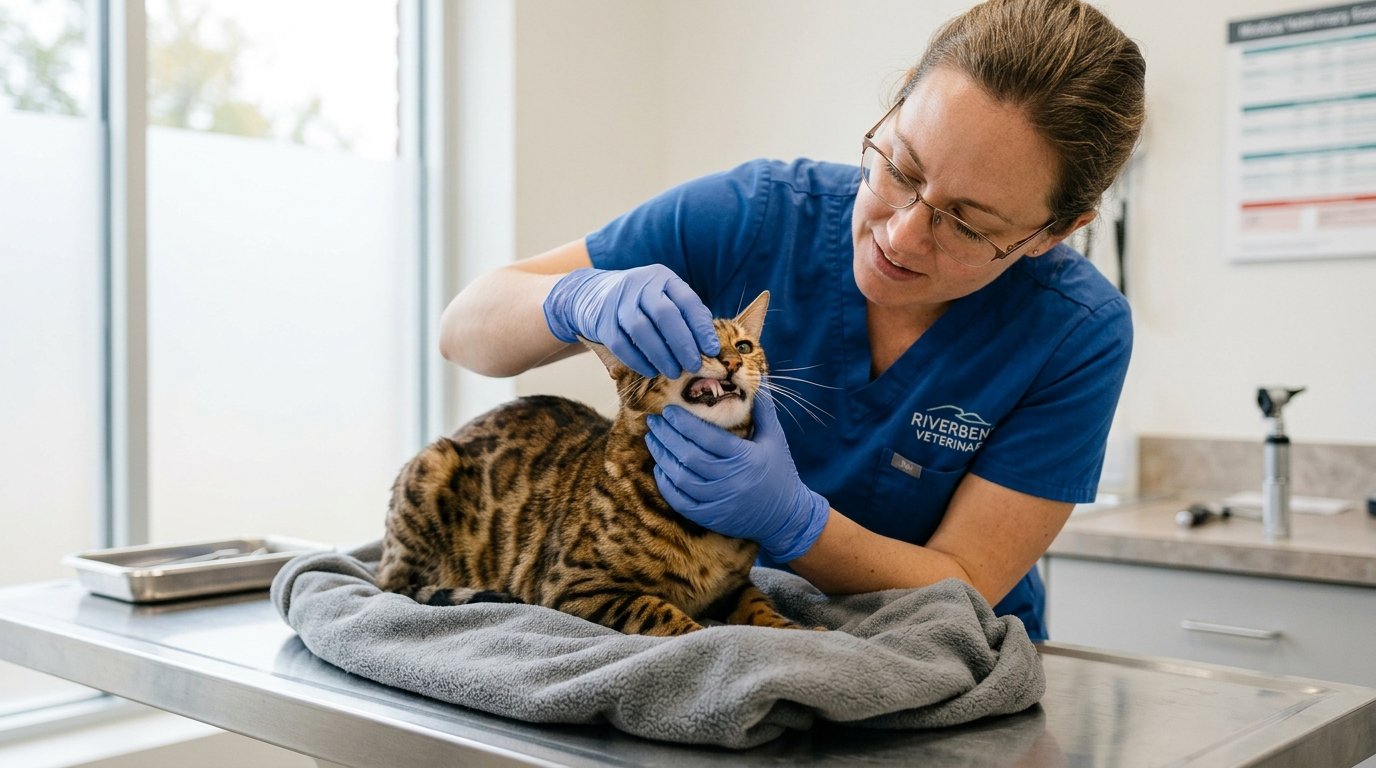
- Pale gums instead of the normal healthy pink color
- Reduced appetite or disinterest in food
- Weakness, especially after exercise or play
- Occasional yellowing of the gums, eyes, or skin
- Rapid or labored breathing during exertion
How Severe Can Symptoms Get?
In some cats, PK deficiency stays mild for years, with only occasional flare-ups that are barely noticeable. In others, the anemia can become more serious, leading to more obvious weakness, breathing changes, or a general sense that something is wrong. Because the disease progresses differently in every cat, there’s no way to predict exactly how a specific Bengal will be affected just from knowing the diagnosis.
This unpredictability is exactly why regular veterinary checkups matter so much for Bengal cats known to carry the mutation. Your vet can monitor blood values over time, which gives a much clearer picture than relying on symptoms alone, since some cats compensate well and hide discomfort until the condition has progressed further.
When to See a Vet Right Away
Certain symptoms should never wait for a routine appointment. If your Bengal cat suddenly seems extremely weak, collapses, has pale or yellowish gums, or is breathing rapidly even at rest, this warrants urgent veterinary attention. These signs can indicate a significant drop in red blood cells that needs prompt evaluation.
Trust your instincts as an owner. You know your cat’s normal energy and behavior better than anyone, and if something feels seriously off, it’s always better to have your vet check things out rather than wait to see if it resolves on its own.
- Sudden collapse or extreme weakness
- Pale, white, or yellow-tinged gums
- Rapid, labored, or open-mouth breathing
- Unresponsiveness or extreme lethargy
- Refusal to eat or drink for an extended period
How Vets Diagnose PK Deficiency
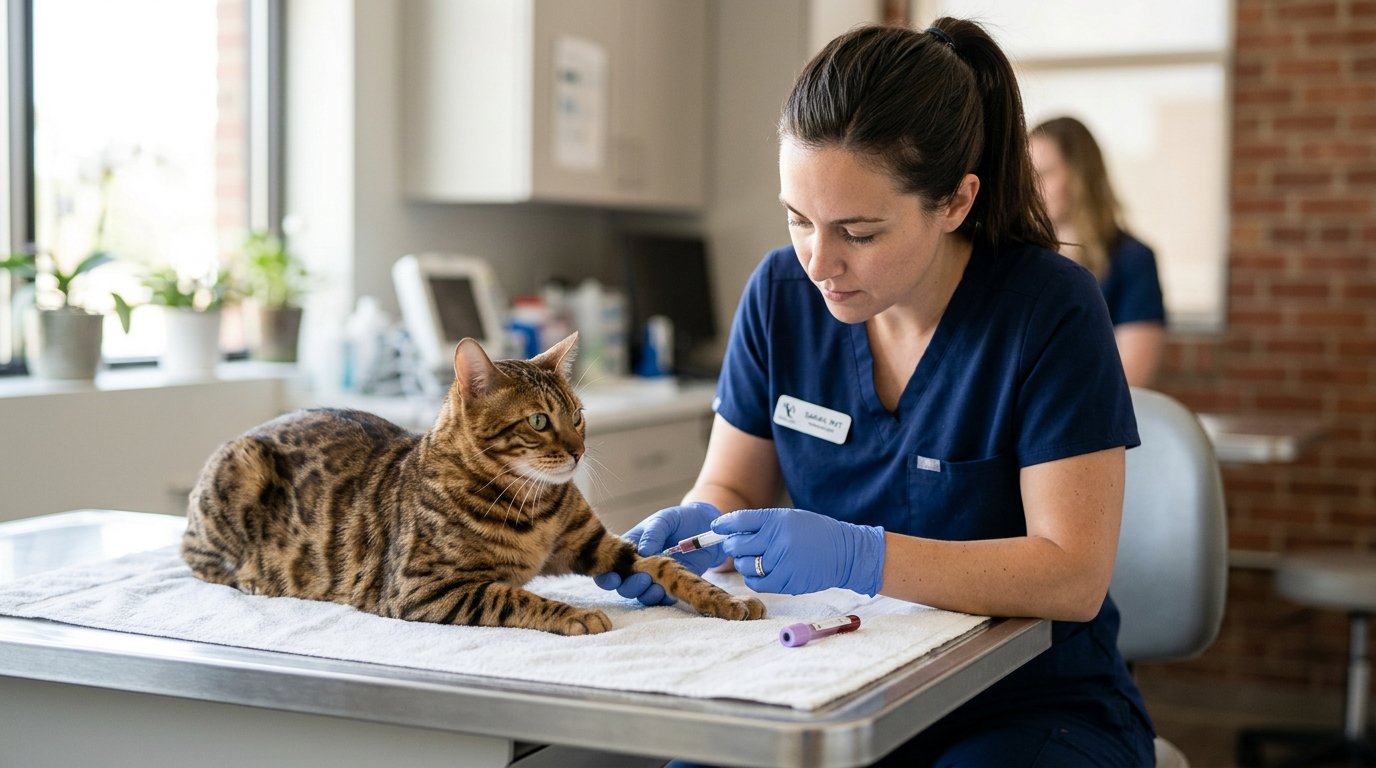
Diagnosing PK deficiency typically starts with a physical exam and a conversation about your cat’s history and symptoms. Your vet will likely recommend bloodwork to look at red blood cell counts and check for signs of ongoing anemia, since this is the most direct way to see how the condition is affecting your cat’s body.
Beyond basic bloodwork, a specific genetic test can confirm whether a cat carries the mutation associated with PK deficiency. This test is often done using a blood sample or a cheek swab and can be a helpful tool, especially if your cat is showing symptoms consistent with hemolytic anemia or if you simply want to know your cat’s genetic status before symptoms ever appear.
Genetic Testing and What It Means for Your Cat
Genetic testing can identify whether a cat is clear of the mutation, carries one copy, or has two copies and is likely to be affected. This information is useful not just for understanding your own cat’s health outlook but also for breeders trying to make informed decisions about future litters.
If your Bengal tests positive for two copies of the mutation, this doesn’t mean symptoms are guaranteed to appear immediately, but it does mean your vet will likely want to monitor your cat more closely going forward. Discussing what the results mean for your specific cat with your veterinarian is the best way to understand what comes next.
Treatment Options and Management
There isn’t a cure for PK deficiency, but that doesn’t mean cats affected by it can’t live full, comfortable lives. Management usually focuses on monitoring blood values regularly and addressing anemia if it becomes severe enough to affect your cat’s quality of life. Your veterinarian will guide you on how often bloodwork should be repeated based on your cat’s individual pattern of symptoms.
In cases where anemia becomes significant, your vet may discuss supportive treatments tailored to your cat’s specific situation. Because every cat’s case looks different, treatment plans are never one-size-fits-all, and your vet is the right person to walk you through options that make sense for your Bengal specifically.
Living With a Cat With PK Deficiency
Many Bengal cats with PK deficiency live happy lives with some adjustments to how you monitor their health day to day. Getting familiar with your cat’s normal energy level and appearance helps you notice subtle changes early, before they become more serious.
Keeping a simple log of your cat’s appetite, activity level, and any unusual symptoms can be genuinely helpful, especially when you visit your vet. Patterns that might seem minor day to day can reveal something important when looked at over weeks or months.
Diet and Lifestyle Adjustments
While diet alone cannot treat PK deficiency, feeding your Bengal a balanced, high-quality diet supports overall health and helps their body function as well as possible. Talk to your vet about whether any specific nutritional adjustments make sense for your cat’s situation, since needs can vary based on how the condition is affecting them.
Bengal cats are naturally active and playful, and most cats with PK deficiency can still enjoy play and enrichment. It’s wise to watch for signs of unusual fatigue during activity and let your cat set the pace rather than pushing for prolonged high-energy play sessions, especially during flare-ups.
Monitoring Your Cat’s Health Long Term
Ongoing monitoring is one of the most valuable things you can do for a Bengal with PK deficiency. Your vet may recommend periodic bloodwork even when your cat seems to be doing well, since this helps catch changes before they turn into a bigger problem.
Building a strong relationship with a veterinarian who understands your cat’s history makes long-term management much smoother. Don’t hesitate to ask questions during checkups or bring up any small changes you’ve noticed, even if they seem insignificant at the time.
Emotional Support for Owners
Learning that your cat has an inherited condition can feel overwhelming, especially when the outlook varies so much from cat to cat. It’s completely normal to feel worried or want more certainty than the condition can offer.
Connecting with your veterinarian regularly and asking questions whenever something is unclear can ease a lot of that uncertainty. Many owners find that once they understand what to watch for, caring for a cat with PK deficiency becomes a manageable part of daily life rather than a constant source of stress.

Prevention Through Responsible Breeding
Because PK deficiency is inherited, responsible breeding practices play a major role in reducing how often it appears in future Bengal litters. Breeders who test their cats before breeding can avoid pairing two carriers together, which lowers the chance of producing affected kittens.
If you’re considering adding a Bengal kitten to your family in the future, asking a breeder about PK deficiency testing is a reasonable and important question. A breeder who takes genetic health seriously should be able to share testing information openly and answer your questions without hesitation.
Final Thoughts
Pyruvate Kinase Deficiency is a serious genetic condition, but a diagnosis doesn’t mean your Bengal cat can’t lead a happy, comfortable life with the right support. Understanding the signs, staying on top of veterinary checkups, and knowing when symptoms need urgent attention all go a long way toward protecting your cat’s wellbeing.
If you notice any signs of weakness, pale gums, or unusual fatigue in your Bengal, don’t wait to have it checked out. Your veterinarian is your best partner in navigating this condition, and early attention to changes can make a real difference in how well your cat feels day to day.
This article is for general education and is not a substitute for care from your own veterinarian. Learn about The Pet Vet and our editorial policy.