
Overview
Proper refrigerated storage of pet food is critical for preventing bacterial contamination that can make pets ill, with many cases of pet illness linked to improper food storage at home. Different types of pet food—including opened canned food, raw diets, homemade meals, and fresh commercial products—require refrigeration and have specific safe storage timeframes to prevent rapid bacterial growth in the danger zone between 40°F and 140°F.
Table of Contents
- Why Refrigerated Pet Food Storage Time Matters for Your Pet’s Health
- Which Pet Foods Need Refrigeration
- Safe Refrigerated Pet Food Storage Time by Type
- Proper Storage Techniques That Keep Food Safe
- How to Tell When Refrigerated Pet Food Has Gone Bad
- Freezing Pet Food for Extended Storage
- Common Storage Mistakes to Avoid
- Managing Food Storage in Multi-Pet Households
- What to Do Right Now
- Conclusion
- Frequently Asked Questions
Why Refrigerated Pet Food Storage Time Matters for Your Pet’s Health
If you are worried about whether your pet’s food is still safe to eat, you are asking exactly the right question. Even high-quality pet food can become harmful when stored incorrectly. According to the FDA, many pets become ill each year from contaminated food — and a significant number of those cases are linked to improper storage at home.
This article is for informational purposes only and is not a substitute for professional veterinary advice. Always consult a licensed veterinarian for diagnosis and treatment.
The good news is that a few simple habits can go a long way toward keeping your pet safe. This guide walks you through everything you need to know — in plain language, without the overwhelm.
Which Pet Foods Need Refrigeration
Not all pet food requires refrigeration. Dry kibble stores safely in a cool, dry pantry for months. However, several types must be kept cold once opened or prepared.
The main categories that need refrigeration are:
- Opened canned food — safe in the sealed can, but bacteria can begin multiplying as soon as it is opened
- Raw diets — uncooked meat and organs create conditions where bacteria can grow quickly
- Homemade cooked meals — treat these the same way you would handle your own leftovers
- Fresh commercial pet food — refrigerated products from pet stores typically contain fewer preservatives and spoil faster
Why does temperature matter so much? Bacteria can multiply rapidly at room temperature. Between 40°F and 140°F — often called the danger zone — bacterial counts can double every 20 minutes. That means a safe meal can become a potential health risk within just a few hours.
Pets that may be most vulnerable to foodborne illness include:
- Young puppies and kittens
- Senior pets
- Pets with weakened immune systems
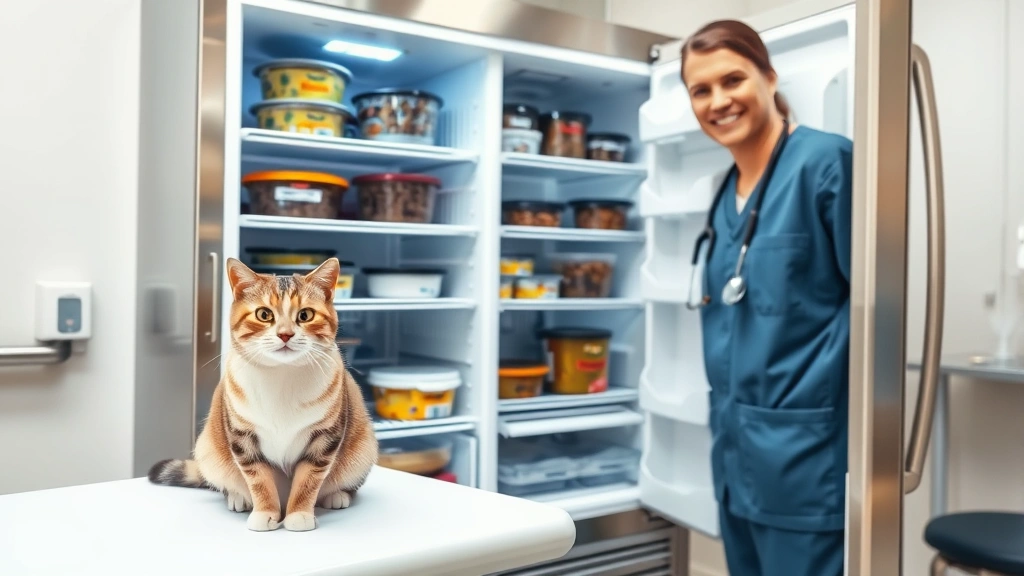
Safe Refrigerated Pet Food Storage Time by Type
Different foods have different safe storage windows. Here is a straightforward breakdown by food type.
Opened Canned Food: Up to 5–7 Days
Canned dog and cat food can stay safe for up to five to seven days when properly refrigerated. Transfer unused portions to an airtight container straight after opening. Do not leave the open can sitting on the counter between feedings.
Raw Pet Food: Up to 2–3 Days
Raw diets have the shortest safe window. Only thaw or open what your pet will eat within two to three days. Handle raw food carefully to avoid spreading bacteria to other surfaces or foods.
Cooked Homemade Meals: Up to 3–4 Days
Homemade cooked food — whether a simple chicken and rice meal or a more involved recipe — may stay safe for up to three to four days. Cooking reduces bacteria, but recontamination can happen during cooling and storage.
Fresh Commercial Pet Food: Up to 3–5 Days
These products typically contain fewer preservatives, which means a shorter shelf life once opened. Always check the manufacturer’s guidance, as recommendations vary by brand.
Thawed Frozen Food: Up to 24–48 Hours
Once frozen food has thawed, use it within one to two days. Do not refreeze raw pet food that has already been thawed, as this can accelerate bacterial growth.
Leftover Food from Your Pet’s Bowl: Up to 4 Hours
This is one of the most commonly overlooked risks. Wet food left at room temperature should be discarded after four hours. Each time your pet eats, they introduce bacteria from their mouth into the food — and warm temperatures help those bacteria multiply fast.
Proper Storage Techniques That Keep Food Safe
Knowing the storage time limits is only part of the picture. How you store food matters just as much.
Keep Your Fridge at the Right Temperature
Your refrigerator should stay at 40°F or below. A simple fridge thermometer takes the guesswork out of this — they are inexpensive and widely available.
Use the Right Containers
- Transfer opened canned food to an airtight container straight away
- Use freezer-safe containers or bags for anything going in the freezer
- Raw and cooked homemade foods should always be stored in sealed containers to prevent cross-contamination
- Fresh commercial foods in resealable packaging can often stay in their original container if the seal is intact
Label Everything with a Date
Use a permanent marker to write the contents and the date you opened or prepared the food. This takes seconds and removes all guesswork. When in doubt, throw it out.
Store Pet Food Below Human Food
Keep pet food on lower shelves in the fridge. This prevents any drips or spills from contaminating your family’s food. A dedicated shelf or section makes this even easier.
How to Tell When Refrigerated Pet Food Has Gone Bad
Even within the recommended storage window, always check food before serving it. Your senses are a reliable first line of defence.
Visual Warning Signs to Look For
- Mould growth — any fuzzy spots in white, green, blue, or black mean the whole batch should be discarded
- Discolouration — grey, brown, or greenish tinges that were not there when the food was fresh
- Unusual separation — pooling liquid in food that should look consistent could be a sign of bacterial breakdown
Smell Changes
Fresh pet food smells like its ingredients — meat, fish, or vegetables. A sour, rancid, or sharp ammonia-like smell may mean the food has spoiled. Trust your nose. If something smells off, discard it — even if it is still within the recommended storage time.
Texture Changes
A slimy coating on food may indicate bacterial growth. Excessively dried-out edges can suggest the food was not stored properly or has been in the fridge too long.
It is completely normal to feel worried when you are not sure whether food is still safe. When in doubt, throw it out — replacing the food is always the safer and less costly choice.
Freezing Pet Food for Extended Storage
Freezing is a practical way to extend storage well beyond what the fridge alone allows. Most pet foods freeze well, including raw diets, cooked meals, and opened canned food.
Freezing Best Practices
- Use freezer-safe containers or bags and remove as much air as possible before sealing
- Portion food into single or two-day servings before freezing
- Label each portion with the contents and the date it was frozen
- This approach prevents waste and avoids repeated temperature changes that reduce food quality
Safe Thawing Methods
The safest way to thaw pet food is in the refrigerator. Most portions need 12 to 24 hours to thaw fully, depending on size. For faster thawing, place the sealed container in cold water and change the water every 30 minutes.
Do not thaw pet food on the counter. The outer layers can reach unsafe temperatures while the centre is still frozen — creating ideal conditions for bacterial growth.
How Long Frozen Pet Food Stays Safe
- Raw meat-based diets: up to 4–6 months
- Cooked homemade meals: up to 2–3 months (texture may change after this)
- Most other frozen pet foods: up to 2–6 months
Do not refreeze raw pet food that has already been thawed. Refreezing pauses bacterial growth but does not eliminate bacteria that have already multiplied.
Common Storage Mistakes to Avoid
Even careful pet owners can develop habits that quietly compromise food safety. Here are the most common ones to watch for.
Leaving Food Out Too Long
Refrigerate prepared food within two hours of cooking. For large batches, divide into smaller shallow containers to help them cool faster. The longer food sits at room temperature, the greater the risk.
Not Sealing Containers Properly
Loose lids allow air in, which dries out food and can introduce contaminants. Airtight containers are a small investment that makes a real difference to food safety.
Exceeding Recommended Storage Times
Food can look and smell fine but still carry a high bacterial load. Harmful bacteria do not always produce visible or obvious signs. Stick to the storage time guidelines even when food appears perfectly fresh.
Not Washing the Bowl Between Meals
Bacteria from previous meals can build up in the bowl and transfer to fresh food. Wash your pet’s bowl with hot soapy water between meals. Keeping a spare bowl on hand makes this easier.
Ignoring Expiration Dates
If you open canned food that is close to its expiry date, it may not stay safe for the full recommended storage window. Check dates when you buy and plan purchases around realistic consumption.
Managing Food Storage in Multi-Pet Households
Multiple pets bring extra storage challenges — especially when each animal has different dietary needs.
Portion Individual Servings in Advance
Prepare meal-sized portions in small containers before refrigerating. This makes feeding more efficient and means you are not repeatedly opening a large container and exposing the whole batch to room temperature.
Label Clearly to Avoid Mix-Ups
Use colour-coded containers or clearly marked labels for each pet. This is especially important for prescription diets, different life stages, or allergy-specific foods. According to the American Veterinary Medical Association, proper nutrition management is essential for pet health.
Prevent Cross-Contamination
- Use a dedicated scoop or spoon for each pet’s food
- If one pet is unwell, use separate utensils and feeding areas to reduce the risk of spreading illness to others
Make the Most of Freezer Space
If fridge space is limited, freezing becomes even more useful in multi-pet homes. Use a dedicated storage bin for pet food portions. Stack containers with the oldest food at the front so it gets used first.
What to Do Right Now
If you are concerned about your pet’s food safety — or you are not sure whether something they ate was still safe — here are five practical steps you can take straight away.
- Check your fridge temperature. Use a thermometer to confirm it is at 40°F or below. Adjust the setting if needed.
- Inspect any open pet food in your fridge right now. Check for mould, unusual smells, sliminess, or discolouration. If anything seems off, discard it.
- Write down the date on any open containers. Note when each was opened so you can track whether it is still within the safe storage window.
- Wash your pet’s food bowl today. Use hot soapy water and dry it thoroughly before the next meal.
- Note any symptoms your pet is showing and when they started. If your pet seems unwell — vomiting, diarrhoea, lethargy, or loss of appetite — write down the details before contacting your vet. This information helps a lot during a consultation.
If you are unsure whether your pet needs urgent care, a quick telehealth check-in can give you peace of mind — no appointment needed.
Conclusion
Keeping your pet’s food safe does not have to be complicated. The core guidelines are straightforward:
- Opened canned food: up to 5–7 days
- Raw food: up to 2–3 days
- Cooked homemade meals: up to 3–4 days
- All stored at 40°F or below in airtight, labelled containers
Trust your senses when checking for spoilage. Use the freezer when you need to extend storage. And when in doubt, throw it out — it is always the safer choice.
Catching potential food safety issues early puts you in a great position to protect your pet’s health. These small habits really do make a difference.
Frequently Asked Questions
How long can opened canned pet food stay in the refrigerator?
Opened canned pet food may stay safe for up to 5–7 days when stored in an airtight container at 40°F or below. Transfer unused portions out of the can straight after opening.
Can I leave wet pet food out all day?
It is best to discard wet pet food after around 4 hours at room temperature. Bacteria can multiply quickly in wet food, particularly after your pet has eaten from the bowl.
How do I know if refrigerated pet food has gone bad?
Look for mould, discolouration, sour or rancid smells, and a slimy texture. If anything seems off, discard the food. Replacing it is far less costly than a vet visit for food-related illness.
Can I refreeze thawed raw pet food?
It is best not to refreeze raw pet food that has already been thawed. Once thawed, bacteria can multiply rapidly. Refreezing pauses that growth but does not eliminate the bacteria already present.
What temperature should my refrigerator be for pet food storage?
Keep your refrigerator at 40°F or below. A fridge thermometer helps you confirm the temperature is consistent — even small variations can shorten safe storage time.