
If you’ve noticed your female dog acting differently lately—maybe she’s restless, dripping fluid, or attracting every male dog in the neighborhood—you might be witnessing signs of heat in dogs, one of the most important reproductive cycles to recognize as a responsible pet owner.
Table of Contents
- What Is the Heat Cycle in Dogs?
- 1. Vaginal Discharge: The Most Obvious Sign
- 2. Swollen Vulva and Physical Changes
- 3. Behavioral Changes and Restlessness
- 4. Increased Urination and Marking Behavior
- 5. Attraction of Male Dogs and Pheromone Signaling
- 6. Appetite Changes and Nausea
- 7. Tail Positioning and Flagging Behavior
- Managing Your Dog During Heat
- When to Contact Your Veterinarian
- Spaying: The Long-Term Solution
- Frequently Asked Questions
- What To Do Now
- Summary: Recognizing Signs of Heat in Dogs
This article is for informational purposes only and is not a substitute for professional veterinary advice. Always consult a licensed veterinarian for diagnosis and treatment.
The heat cycle, or estrus, is a natural biological process that occurs in unspayed female dogs, typically starting around six months of age. Understanding what to expect during this time helps you keep your dog safe, comfortable, and prevents unwanted pregnancies. Let’s walk through the key indicators so you’ll feel confident recognizing when your dog is in heat.
What Is the Heat Cycle in Dogs?
The canine heat cycle is a recurring reproductive phase that lasts roughly three weeks, though this varies between individual dogs. During this time, your dog’s body prepares for potential pregnancy through hormonal changes that affect her behavior, physical appearance, and mood.
Most dogs experience their first heat cycle between 6 and 12 months of age, though larger breeds may start later. Unspayed dogs typically go into heat twice per year, though some breeds cycle less frequently. Understanding this timeline helps you prepare and recognize what’s happening in your dog’s body.
1. Vaginal Discharge: The Most Obvious Sign
One of the earliest and most noticeable signs of heat in dogs is vaginal discharge. You might notice a blood-tinged or clear fluid on your dog’s bedding, furniture, or during walks.
The discharge typically starts light and becomes heavier over several days. Early in the cycle, it appears more bloody or crimson-colored, then gradually becomes lighter and more straw-colored as the cycle progresses. Catching this early puts you in a great position to manage the cycle confidently.
Keep sanitary pads or washable dog diapers on hand to protect your furniture and keep your dog comfortable during this phase.
2. Swollen Vulva and Physical Changes
Your dog’s vulva will become noticeably enlarged and may appear puffy or swollen. This is a direct result of increased blood flow to the reproductive organs as her body prepares for breeding.
The swelling typically appears a day or two before discharge begins and continues throughout most of the cycle. You might also notice your dog licking her genital area more frequently than usual—this is normal self-grooming behavior during heat.
If the swelling seems extreme or your dog appears to be in pain, a quick telehealth consultation can provide reassurance and rule out other concerns.
3. Behavioral Changes and Restlessness
Many dog owners are surprised by how dramatically their dog’s personality can shift during heat. Your typically calm pup might become anxious, restless, or unable to settle down, pacing around the house or whining frequently.
Some dogs become clingy and seek constant attention from their owners, while others become more withdrawn. These behavioral shifts are driven by hormonal fluctuations and are completely normal. Your patience during this time makes a real difference in keeping her calm.
Providing extra comfort, shorter walks, and a quiet space can help ease her anxiety during this phase.
4. Increased Urination and Marking Behavior
You might notice your dog needs to go outside more frequently than usual. During heat, dogs often urinate more often as a way to spread pheromones and signal their reproductive status to other dogs.

Some dogs also begin marking behavior indoors—small amounts of urine in unusual spots. This isn’t a house-training regression; it’s a natural instinct to communicate. Frequent outdoor bathroom breaks and extra patience are your best tools here.
If urination becomes excessive or painful-seeming, contact your vet to rule out a urinary tract infection.
5. Attraction of Male Dogs and Pheromone Signaling
One unmistakable sign that your dog is in heat? Male dogs from the entire neighborhood suddenly seem very interested in her. This happens because your female dog releases pheromones—chemical signals—that males can detect from considerable distances.
You might notice male dogs becoming more persistent, trying to mark near your home, or acting unusually focused on your dog during walks. This is nature at work, and it’s a clear signal that your dog is in heat and fertile.
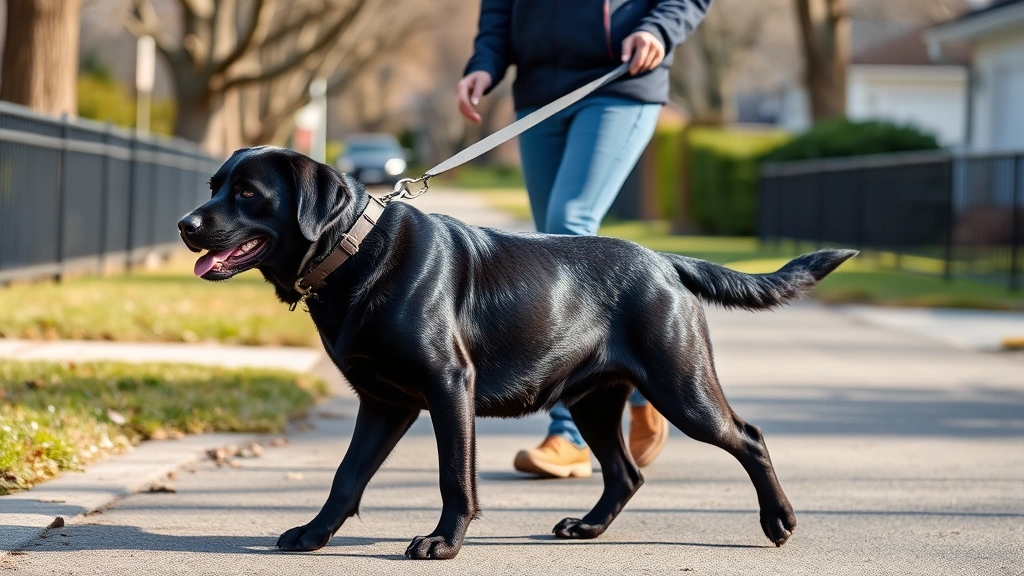
Keep your dog on a secure leash during walks and away from intact males to prevent unwanted mating.
6. Appetite Changes and Nausea
Some dogs experience decreased appetite during their heat cycle, while others show no change at all. Hormonal shifts can affect digestion and eating behavior, making your dog pickier about meals or causing mild nausea-like symptoms.
You might notice she’s less interested in her regular food or treats she normally loves. This usually resolves on its own as the cycle progresses. Offering smaller, more frequent meals can help if she’s eating less.
If your dog refuses food for more than a day or shows signs of vomiting, reach out to your veterinarian for guidance.
7. Tail Positioning and Flagging Behavior
During the fertile phase of her cycle, your dog may hold her tail to the side or raise it higher than usual—a behavior called flagging. This positioning makes it easier for males to approach and signals her reproductive readiness.
You might also notice her backing toward males or assuming a specific stance. These are instinctive behaviors driven by hormones and indicate she’s in the most fertile part of her cycle. This behavior typically appears about 5-14 days into the cycle.
Managing Your Dog During Heat
Now that you understand the signs of heat in dogs, here’s how to keep her safe and comfortable:
- Keep her indoors: Prevent accidental mating by keeping your dog inside, especially during the fertile phase. Even brief outdoor time should be supervised.
- Use protective clothing: Sanitary pants or diapers protect your furniture and make cleanup easier.
- Avoid dog parks: Stay away from off-leash areas where she might encounter intact males.
- Maintain shorter walks: Reduce exercise intensity to keep her calm and prevent stress.
- Provide comfort items: Extra cuddles, quiet spaces, and familiar toys help ease anxiety.
- Keep her clean: Gently wipe her vulva with warm water and pat dry to prevent irritation and infection.
When to Contact Your Veterinarian
While heat is a normal process, certain signs warrant veterinary attention. Contact your vet if your dog shows signs of infection, extreme pain, excessive bleeding, or if the cycle lasts longer than four weeks.
Additionally, if your dog seems lethargic, refuses food for extended periods, or shows signs of fever, these could indicate a serious condition called pyometra—a life-threatening uterine infection. Early intervention is crucial in these cases.
If you are unsure whether your pet needs urgent care, a quick telehealth check-in can give you peace of mind—no appointment needed.
Spaying: The Long-Term Solution
If managing heat cycles feels overwhelming, spaying is a permanent solution that prevents future cycles and offers significant health benefits. Spaying eliminates the risk of uterine infections, reduces the risk of breast cancer, and prevents unwanted pregnancies.
Most vets recommend spaying before the first heat cycle for optimal health outcomes, though it can be done at any age. Discuss the timing and procedure with your veterinarian to determine what’s best for your dog.
Frequently Asked Questions
How long does a dog’s heat cycle last?
A typical heat cycle lasts 2-4 weeks, with the most fertile period occurring around days 5-14. However, individual dogs vary, and some cycles may be shorter or longer.
Can a dog get pregnant during her first heat?
Yes, dogs can become pregnant during their first heat cycle. This is why preventing contact with intact males is so important, even in young dogs.
Is it normal for my dog to have discharge outside of heat?
Abnormal discharge outside of heat cycles could indicate infection or other health issues. Contact your veterinarian if you notice unexpected vaginal discharge.
Will my dog’s behavior return to normal after heat?
Yes, behavioral changes typically resolve within a few days to a week after the heat cycle ends. Your dog should return to her normal personality and routine.
What’s the difference between heat and a urinary tract infection?
Heat involves visible discharge, vulvar swelling, and behavioral changes over weeks. A UTI causes frequent urination, straining, and discomfort but typically no discharge. Your vet can test to confirm.
What To Do Now
- Monitor for early signs: Watch for vaginal discharge and vulvar swelling over the next few days to confirm your dog is entering her heat cycle.
- Prepare your home: Stock up on sanitary pads or washable dog diapers, and set up a comfortable, clean resting area for your dog.
- Plan outdoor safety: Schedule shorter, supervised walks on-leash and avoid dog parks and off-leash areas for the next 3-4 weeks.
- Schedule a vet check: If this is your dog’s first heat cycle, contact your veterinarian to discuss spaying options and get personalized guidance for your dog’s age and breed.
- Keep detailed notes: Document the start date and symptoms to help your vet understand your dog’s cycle pattern for future reference.
Summary: Recognizing Signs of Heat in Dogs
Understanding the signs of heat in dogs empowers you to keep your dog safe, comfortable, and healthy. From vaginal discharge and vulvar swelling to behavioral changes and increased urination, these indicators tell you exactly what’s happening in your dog’s body.
Most importantly, remember that heat is a normal biological process—not something to fear or stress over. By recognizing these signs early, managing her environment thoughtfully, and staying in touch with your veterinarian, you’ll navigate this phase with confidence.
Whether you choose to manage future heat cycles or pursue spaying, your awareness and care make all the difference in your dog’s well-being. If questions arise during your dog’s cycle, don’t hesitate to reach out to your vet or explore a quick telehealth consultation for peace of mind.
For more information on canine reproductive health and other behavioral concerns, check out our guides on aggression in dogs and multiple dog feeding strategies to support your dog’s overall wellness.
You’re doing a great job staying informed and caring for your furry companion.