
If you’ve noticed your dog scratching constantly, developing red patches, or dealing with an unpleasant odor, you’re likely concerned about skin infections in dogs—and rightfully so. These infections can range from mild and manageable to serious conditions that require immediate veterinary attention. The good news? Most skin infections respond well to treatment when caught early, and understanding your options puts you in a powerful position to help your furry friend feel better fast.
Table of Contents
- Understanding Skin Infections in Dogs: What You Need to Know
- Common Signs Your Dog May Have a Skin Infection
- How Vets Diagnose Skin Infections
- Topical Medications for Skin Infections
- Oral Medications for Systemic Skin Infections
- Injectable and Prescription Treatment Options
- Supporting Treatment With Proper Skin Care
- Preventing Recurrent Skin Infections
- When to Seek Emergency Care
- Working With Your Veterinarian for Best Results
- Frequently Asked Questions
- What To Do Now
- Summary: Getting Your Dog’s Skin Healthy Again
This article is for informational purposes only and is not a substitute for professional veterinary advice. Always consult a licensed veterinarian for diagnosis and treatment.
Understanding Skin Infections in Dogs: What You Need to Know
Skin infections in dogs fall into three main categories: bacterial, fungal, and parasitic. Each type requires different treatment approaches, which is why proper diagnosis from your vet is so important. Your dog’s skin is their largest organ, and when it’s compromised, it affects their entire well-being.
Bacterial infections often develop after your dog scratches an itchy area, breaking the skin and allowing bacteria to enter. Fungal infections, like ringworm, spread easily and can even affect humans in your household. Parasitic infections such as mange in dogs burrow into the skin and cause intense itching. Catching this early puts you in a great position to help your pup recover quickly.
Common Signs Your Dog May Have a Skin Infection
Recognizing the warning signs early makes all the difference. Watch for excessive scratching, licking, or biting at the skin—often worse than normal grooming behavior. You might notice red, inflamed patches, hair loss, flaking, crusting, or a musty odor emanating from your dog’s skin.
Some dogs develop oozing sores or pustules, while others show signs of discomfort like restlessness or difficulty sleeping. Your dog may also seem irritable or withdrawn if the infection is causing significant discomfort. These symptoms could indicate your pup is experiencing a skin infection that needs attention.
How Vets Diagnose Skin Infections
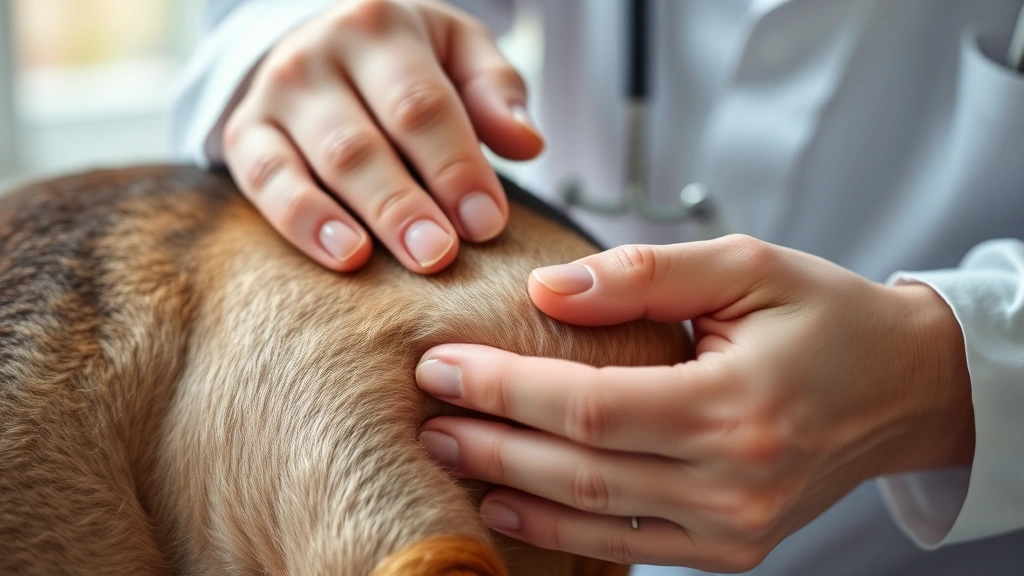
Your veterinarian will perform a thorough examination and may use several diagnostic tools. These include skin scrapings, fungal cultures, bacterial cultures, or wood’s lamp examination to identify the specific infection type. This precision matters because the treatment for bacterial infections differs significantly from fungal or parasitic ones.
Don’t skip this diagnostic step—it ensures your dog receives the right medication for their specific condition. Guessing at treatment wastes time and money while your dog continues to suffer.
Topical Medications for Skin Infections
Topical treatments are often the first line of defense for mild to moderate skin infections. These medications work directly on the affected area and typically have fewer systemic side effects than oral medications.
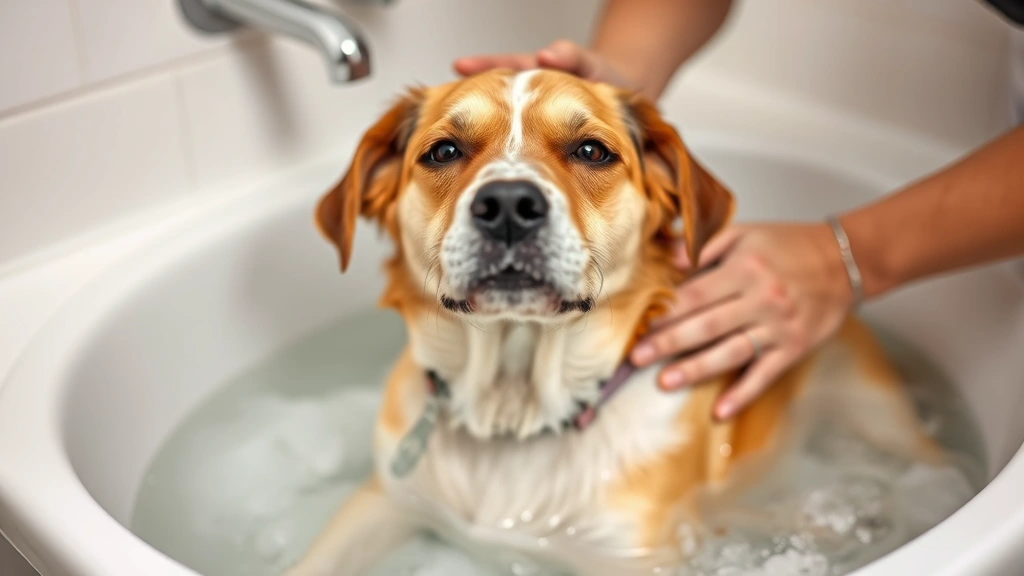
Medicated Shampoos and Rinses: Antifungal and antibacterial shampoos help cleanse the skin and reduce infection. Your vet may recommend specific formulations containing ingredients designed to combat your dog’s particular infection. These are used during bathing and work best when left on the skin for several minutes before rinsing.
Topical Creams and Ointments: Applied directly to affected areas, these medications penetrate the skin barrier to fight infection at the source. They’re especially useful for localized infections on the paws, ears, or other easily accessible areas. Your vet will advise how often to apply and whether to cover the area to prevent licking.
Sprays and Powders: These provide convenient application for larger affected areas or hard-to-reach spots. They’re often used as maintenance therapy after initial treatment or for prevention in dogs prone to recurrent infections.
Oral Medications for Systemic Skin Infections
When skin infections are widespread or severe, oral medications work throughout your dog’s body to fight the infection from within. These systemic treatments are essential for infections that topical treatments alone cannot resolve.
Antifungal Tablets: For fungal infections like ringworm or yeast overgrowth, oral antifungal medications circulate through the bloodstream and reach infected tissues. Treatment duration typically ranges from several weeks to months, depending on the severity and type of fungal infection. Your vet will monitor your dog’s progress with follow-up exams.
Antibiotic Tablets: Bacterial skin infections often respond to oral antibiotics prescribed based on culture results when available. These medications work by either killing bacteria or stopping their reproduction. The full course is crucial—stopping early can lead to antibiotic resistance and infection recurrence.
Anti-inflammatory Medications: Since itching and inflammation drive many skin conditions, your vet may prescribe medications to reduce these symptoms while the infection heals. This provides relief and prevents further damage from excessive scratching.
Injectable and Prescription Treatment Options
For severe or resistant infections, your veterinarian might recommend injectable medications. These bypass the digestive system and deliver medication directly into the bloodstream for rapid action. Injectable antifungals are particularly useful for serious fungal infections that don’t respond to oral medications.
Prescription-strength treatments may also include specialized compounds compounded specifically for your dog’s needs. Your vet has access to medications and dosing strategies that aren’t available over-the-counter, making them invaluable for complicated cases.
Supporting Treatment With Proper Skin Care
Medication works best when combined with excellent home care. Regular medicated baths as directed by your vet help remove debris, reduce bacterial or fungal load, and allow topical medications to work effectively. Between baths, keep the affected areas clean and dry—moisture creates an ideal environment for infection to spread.
Consider switching to a gentle, hypoallergenic shampoo for regular bathing, and avoid harsh products that strip natural oils from your dog’s skin. Proper grooming, including nail trimming, prevents your dog from creating new wounds through scratching. Some dogs benefit from an elimination diet feeding plan to address underlying allergies that may be contributing to skin problems.
Nutrition plays a significant role in skin health. Omega-3 and omega-6 fatty acids support skin barrier function and reduce inflammation. Diets formulated for sensitive skin, like Purina Pro Plan Sensitive Skin & Stomach Salmon Rice 30 lb vs alternatives, can complement medical treatment.
Preventing Recurrent Skin Infections
Once your dog recovers, preventing future infections is essential. Regular grooming removes dead skin and debris where bacteria and fungi thrive. Keep your dog’s bedding clean and wash it frequently in hot water to eliminate pathogens.
Address underlying allergies or immune issues with your vet, as these often predispose dogs to recurrent infections. If your dog has a history of seasonal allergies, proactive management during high-risk seasons can prevent secondary skin infections. Maintain a consistent grooming schedule and monitor your dog’s skin regularly for early signs of problems.
When to Seek Emergency Care
Most skin infections aren’t emergencies, but certain signs warrant urgent veterinary attention. If your dog develops severe swelling, difficulty breathing, fever, or signs of systemic illness alongside skin problems, seek care immediately. Rapidly spreading infections or signs of pet wound infection also require prompt evaluation.
If you’re unsure whether your pet needs urgent care, a quick telehealth check-in with The Pet Vet can give you peace of mind—no appointment needed. Our veterinarians can assess your dog’s condition and advise whether in-person evaluation is necessary.
Working With Your Veterinarian for Best Results
Successful treatment requires partnership between you and your vet. Be honest about your dog’s symptoms, how long they’ve persisted, and any previous treatments attempted. Follow medication instructions precisely—skipping doses or stopping early reduces effectiveness and can lead to resistant infections.
Keep follow-up appointments so your vet can assess treatment progress and adjust the plan if needed. Take photos of the affected areas to document changes. Ask questions about your dog’s condition and expected timeline for improvement—informed pet owners achieve better outcomes.
Frequently Asked Questions
How long does it take for skin infection medications to work?
Most dogs show improvement within 1-2 weeks of starting treatment, though complete resolution may take 4-8 weeks depending on infection severity and type. Consistent medication adherence is crucial for faster healing.
Can I use over-the-counter medications instead of prescription treatments?
While some over-the-counter products help with mild cases, prescription medications are specifically chosen based on your dog’s diagnosis and are more effective for moderate to severe infections. Your vet’s recommendation ensures the right treatment for your dog’s specific condition.
Are skin infections in dogs contagious to humans?
Some fungal infections like ringworm can spread to humans, so practice good hygiene when handling an infected dog. Bacterial infections are generally not contagious to people, but parasitic infections may require household treatment.
What should I do if my dog has an allergic reaction to medication?
Contact your veterinarian immediately if you notice vomiting, diarrhea, excessive drooling, or difficulty breathing. Your vet can switch to an alternative medication that your dog tolerates better.
Will my dog need ongoing medication after recovery?
Some dogs require maintenance therapy or seasonal treatment, while others need medication only during active infection. Your vet will create a long-term plan based on your dog’s specific situation and risk factors.
What To Do Now
- Schedule a veterinary appointment: Don’t wait to have your dog’s skin condition professionally evaluated. Your vet will perform necessary diagnostics to identify the specific infection type and recommend appropriate treatment.
- Document your dog’s symptoms: Write down when symptoms started, which areas are affected, and any changes you’ve noticed. Take clear photos to show your vet during the appointment.
- Prepare your home for treatment: Gather supplies for home care including clean towels, designated grooming tools, and any topical medications your vet recommends. Set reminders for medication schedules.
- Plan dietary adjustments: Discuss nutrition with your vet to ensure your dog’s diet supports skin health and addresses any underlying allergies contributing to the infection.
- Set up follow-up care: Before leaving your vet’s office, schedule a recheck appointment to monitor treatment progress and catch any complications early.
Summary: Getting Your Dog’s Skin Healthy Again
Skin infections in dogs are treatable, especially when you act quickly and work closely with your veterinarian. Understanding the different medication options—from topical treatments to oral antibiotics and antifungals—empowers you to make informed decisions about your dog’s care. Most infections respond well to appropriate treatment combined with excellent home care and preventive measures.
Remember that your dog’s discomfort drives their excessive scratching and behavior changes. By pursuing proper diagnosis and treatment, you’re not just addressing the infection—you’re restoring your dog’s comfort, quality of life, and peace of mind for your entire family. Your veterinarian is your best resource throughout this process, so don’t hesitate to reach out with questions or concerns as your dog heals.