
If your dog is suddenly struggling to walk, dragging their hind legs, or yelping in pain, you might be dealing with spinal stenosis in dogs—a condition where the spinal canal narrows and puts pressure on the nerves. It’s scary to watch your furry friend suffer, but the good news is that there are proven treatments and management strategies that can help your dog feel better and stay active.
Table of Contents
- What Is Spinal Stenosis in Dogs?
- Common Signs Your Dog May Have Spinal Stenosis
- How Vets Diagnose Spinal Stenosis in Dogs
- Medication Options for Managing Spinal Stenosis
- Non-Surgical Treatment and Home Management
- When Surgery Becomes Necessary
- Lifestyle Adjustments for Long-Term Comfort
- Nutrition and Supplements for Spinal Health
- The Role of Telehealth in Managing Spinal Stenosis
- Frequently Asked Questions
- What To Do Now
- Summary: Managing Your Dog’s Spinal Stenosis
This article is for informational purposes only and is not a substitute for professional veterinary advice. Always consult a licensed veterinarian for diagnosis and treatment.
What Is Spinal Stenosis in Dogs?
Spinal stenosis occurs when the space inside the spinal canal becomes narrower, compressing the spinal cord and nerve roots. This narrowing can develop gradually over time or appear suddenly, depending on the underlying cause. Think of it like a hallway getting smaller—when there’s less room, everything passing through gets squeezed.
In dogs, this condition most commonly affects the lower back (lumbar spine) and neck (cervical spine). Certain breeds, particularly German Shepherds, Boxers, and Dachshunds, seem more prone to developing this issue. However, any dog can experience spinal stenosis at any age, though it’s more common in older dogs.
Common Signs Your Dog May Have Spinal Stenosis
Recognizing the early symptoms of spinal stenosis in dogs can make a real difference in how quickly your pup gets relief. Here are the signs to watch for:
- Difficulty walking or climbing stairs—Your dog may move stiffly or seem reluctant to jump on furniture
- Hind leg weakness or dragging—One or both back legs may seem to lose strength
- Pain or sensitivity—Your dog might yelp when touched on the back or neck
- Loss of bladder or bowel control—In severe cases, incontinence may develop
- Reduced activity level—Your pup may prefer lying down to playing or walking
- Muscle wasting—The muscles around the affected area may appear smaller over time
- Hunched posture—Your dog might stand or walk with an arched back
Catching these symptoms early puts you in a great position to help your dog before the condition progresses. If you notice any of these signs, scheduling a vet visit should be your next step.
How Vets Diagnose Spinal Stenosis in Dogs
Your veterinarian will start with a thorough physical exam, testing your dog’s reflexes, strength, and pain response. They’ll ask detailed questions about when symptoms started and how they’ve progressed.
To confirm spinal stenosis in dogs, imaging is essential. X-rays provide a basic view, but advanced imaging like MRI (magnetic resonance imaging) or CT scans gives the clearest picture of the spinal cord and surrounding structures. Your vet might also recommend a myelogram, where contrast dye is injected into the spinal canal to highlight compression areas.
Blood work and urinalysis help rule out other conditions that could mimic spinal stenosis symptoms. This comprehensive approach ensures your dog gets an accurate diagnosis and the right treatment plan.
Medication Options for Managing Spinal Stenosis
While there’s no magic pill that reverses spinal stenosis in dogs, medications can significantly reduce pain and inflammation, helping your dog move more comfortably. Your vet may recommend one or more of the following approaches:
Anti-inflammatory medications are often the first line of defense. These reduce swelling around the compressed nerve, which can ease pressure and pain. Your veterinarian will discuss which option might work best for your dog’s specific situation.
Pain relievers help manage discomfort so your dog can maintain mobility and quality of life. Keeping your dog moving (within safe limits) is actually important for maintaining muscle strength and preventing further decline.
Muscle relaxants may be recommended if your dog’s muscles are tight or spasming around the affected area. These can improve comfort and mobility, especially in the early stages of treatment.
Supplements and joint support like glucosamine and omega-3 fatty acids can support spinal health and reduce inflammation over time. Many vets recommend these as part of a comprehensive management plan.
Your veterinarian will determine the right medication combination based on your dog’s age, weight, overall health, and the severity of their condition. Regular check-ins help ensure the treatment plan is working effectively.
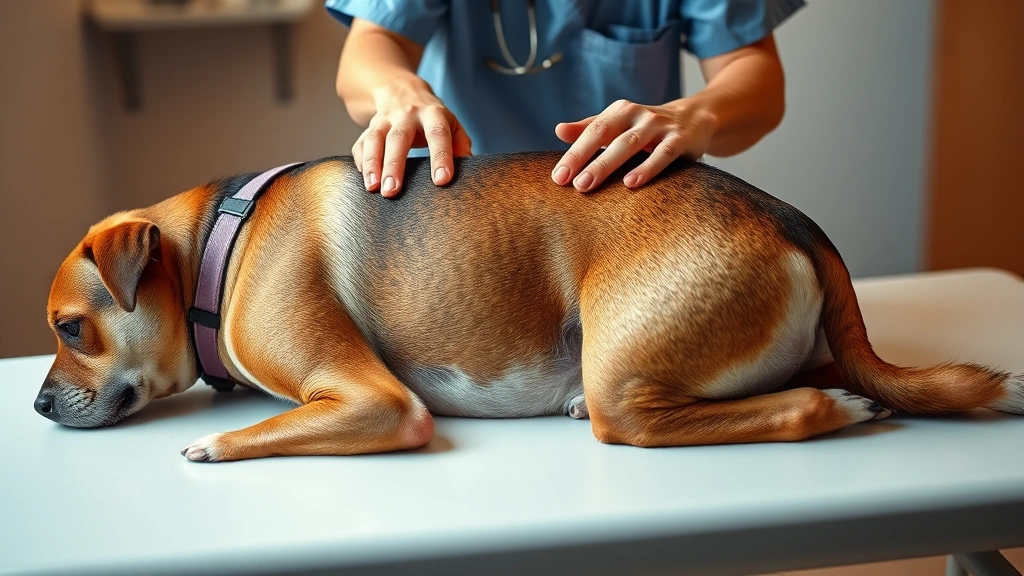
Non-Surgical Treatment and Home Management
Medication is just one piece of the puzzle. How you manage your dog at home plays a huge role in their comfort and recovery.
Rest and restricted activity are crucial, especially in the first few weeks. This doesn’t mean complete confinement, but rather limiting jumping, running, and stair climbing. Use ramps or steps to help your dog access favorite spots without straining their spine.
Physical therapy and gentle exercise can actually help. Short, controlled walks on flat ground strengthen the muscles that support the spine. Your vet or a veterinary physical therapist can design a safe exercise plan tailored to your dog’s condition.
Weight management is important because extra pounds put additional stress on the spine. If your dog is overweight, working toward a healthy weight can significantly reduce symptoms.
Comfortable bedding and support matter more than you might think. Orthopedic dog beds with memory foam provide better support than regular beds and can reduce nighttime pain.
Environmental modifications make daily life easier:
- Use baby gates to prevent jumping off furniture
- Place food and water bowls at a comfortable height
- Consider a harness instead of a collar for walks to avoid neck strain
- Keep your dog’s living space on one level if possible
When Surgery Becomes Necessary
Most dogs with mild to moderate spinal stenosis respond well to conservative management. However, if your dog has severe symptoms, progressive weakness, or loss of bladder control, surgery might be recommended.
Surgical decompression removes bone or disc material that’s compressing the spinal cord, creating more space for the nerves. Success rates are generally good when surgery is performed by an experienced veterinary surgeon, especially when done before permanent nerve damage occurs.
Recovery from spinal surgery requires strict rest and rehabilitation, typically lasting 6-8 weeks. Your vet will provide detailed post-operative care instructions to ensure the best outcome. If you’re considering surgery, discussing the risks, benefits, and recovery expectations with your veterinarian is essential.
Lifestyle Adjustments for Long-Term Comfort
Living with a dog that has spinal stenosis means making some adjustments, but most dogs adapt well and maintain good quality of life with proper management.
Daily routine modifications help prevent flare-ups. Keep activities consistent, avoid sudden changes in exercise, and monitor your dog for any worsening symptoms. Regular vet check-ups (every 3-6 months) allow your vet to adjust treatment as needed.
Pain monitoring is an ongoing responsibility. Keep a simple log of your dog’s activity level, appetite, and any pain signs. This information helps your vet fine-tune the treatment plan.
Maintain mental stimulation without physical strain. Puzzle toys, sniff games, and training sessions keep your dog’s mind engaged while protecting their spine. Mental exercise is just as important as physical activity for overall well-being.
Nutrition and Supplements for Spinal Health
What you feed your dog can support their spinal health and overall recovery. High-quality protein helps maintain muscle mass, which is critical for supporting the spine.

Several supplements have shown promise in supporting dogs with spinal issues. Omega-3 fatty acids reduce inflammation, while glucosamine and chondroitin support joint and cartilage health. Curcumin (from turmeric) is another natural anti-inflammatory that some vets recommend. Always discuss supplements with your veterinarian before adding them to your dog’s routine, as some can interact with medications.
For more detailed nutrition guidance, check out our article on feeding for coat health, which covers nutritional foundations that support overall wellness.
The Role of Telehealth in Managing Spinal Stenosis
Managing a chronic condition like spinal stenosis in dogs often requires ongoing communication with your vet. If you’re unsure whether your pet needs urgent care, a quick telehealth check-in can give you peace of mind—no appointment needed. Telehealth is particularly helpful for:
- Discussing medication effectiveness between visits
- Getting advice on activity level adjustments
- Addressing new or worsening symptoms quickly
- Clarifying home care instructions
Having convenient access to veterinary expertise helps you catch problems early and make informed decisions about your dog’s care.
Frequently Asked Questions
Can spinal stenosis in dogs be cured?
Spinal stenosis cannot be cured, but it can be effectively managed with medication, physical therapy, and lifestyle adjustments. Many dogs live comfortably for years with proper treatment and monitoring.
Is spinal stenosis painful for dogs?
Yes, spinal stenosis can cause significant pain and discomfort, especially when the nerve compression is severe. This is why pain management and anti-inflammatory medications are so important parts of treatment.
How much does treatment for spinal stenosis cost?
Costs vary widely depending on whether your dog receives conservative management or surgery. Diagnostic imaging (MRI or CT) can range from $1,500-$3,000, while surgery may cost $3,000-$6,000 or more. Conservative management with medications and supplements is typically more affordable.
What’s the prognosis for a dog with spinal stenosis?
Prognosis depends on the severity of compression and how quickly treatment begins. Most dogs with mild to moderate stenosis maintain good quality of life with appropriate management, especially when treatment starts early.
Can my dog recover fully from spinal stenosis?
While complete recovery isn’t possible once stenosis develops, many dogs experience significant improvement in symptoms with proper treatment. The goal is to manage pain, maintain mobility, and preserve quality of life.
What To Do Now
If you suspect your dog might have spinal stenosis, here are your next steps:
- Schedule a veterinary exam—Don’t wait. Early diagnosis and treatment lead to better outcomes. Your vet can perform a physical exam and recommend appropriate diagnostic imaging.
- Document your dog’s symptoms—Write down when symptoms started, what activities trigger pain or weakness, and how your dog’s condition has changed. This information helps your vet tremendously.
- Discuss treatment options with your vet—Ask about medication choices, physical therapy, and long-term management strategies. Make sure you understand the pros and cons of each approach.
- Make home modifications now—Start with ramps, orthopedic bedding, and activity restrictions while you’re working with your vet. These changes often provide immediate relief.
- Consider a telehealth consultation—If you have questions between appointments or want a second opinion, a telehealth visit with a veterinarian can provide quick guidance and peace of mind.
Summary: Managing Your Dog’s Spinal Stenosis
Spinal stenosis in dogs is a serious condition, but it’s absolutely manageable with the right approach. Most dogs respond well to a combination of medications, physical therapy, and lifestyle adjustments. The key is catching it early and working closely with your veterinarian to create a treatment plan tailored to your dog’s specific needs.
Remember that your dog’s quality of life can remain excellent with proper care. Many dogs with spinal stenosis continue to enjoy walks, playtime, and all the activities they love—they just need a bit of extra support and management.
Stay observant, keep up with veterinary check-ups, and don’t hesitate to reach out if you notice changes in your dog’s condition. Your attentiveness and proactive care make all the difference in your dog’s comfort and well-being.
For related information on other neurological conditions affecting dogs, you might find our articles on laryngeal paralysis in dogs and renal failure in dogs helpful for understanding how different conditions impact your pet’s health.