
Noticing swollen lymph nodes in dogs can be alarming for any pet parent. Your dog’s lymph nodes are tiny filters throughout their body that help fight infection and disease, so when they become enlarged, it’s your pup’s way of telling you something needs attention. The good news? Many causes are treatable, especially when caught early.
Table of Contents
- What Are Lymph Nodes and Why Do They Swell?
- Common Causes of Swollen Lymph Nodes in Dogs
- How to Identify Swollen Lymph Nodes in Your Dog
- Solution 1: Professional Veterinary Diagnosis
- Solution 2: Treating Underlying Infections
- Solution 3: Managing Fever and Discomfort
- Solution 4: Addressing Allergies and Immune Triggers
- Solution 5: Nutritional Support for Immune Health
- Solution 6: Monitoring and Follow-Up Care
- Solution 7: When to Seek Emergency Care
- Prevention Tips for Healthy Lymph Nodes
- What To Do Now
- Summary
- Frequently Asked Questions
This article is for informational purposes only and is not a substitute for professional veterinary advice. Always consult a licensed veterinarian for diagnosis and treatment.
What Are Lymph Nodes and Why Do They Swell?
Lymph nodes are part of your dog’s immune system. They filter lymph fluid and trap bacteria, viruses, and other harmful invaders. When your dog’s body detects a threat, these nodes work overtime and become enlarged as they produce more immune cells.
Swollen lymph nodes can indicate your dog’s immune system is actively fighting something. This could range from a minor infection to something more serious. The key is understanding what’s causing the swelling so you can help your pup feel better.
Common Causes of Swollen Lymph Nodes in Dogs
Several conditions can trigger lymph node enlargement. Bacterial or viral infections are among the most common culprits. Your dog might also experience swelling due to allergies, which cause the immune system to overreact.
Other potential causes include:
- Ear infections or skin infections
- Dental disease or oral infections
- Parasitic infections
- Autoimmune conditions
- Cancer or lymphoma (less common but serious)
- Vaccine reactions (usually mild and temporary)
Catching this early puts you in a great position to help your dog recover quickly.
How to Identify Swollen Lymph Nodes in Your Dog
You might notice lumps under your dog’s jaw, behind their ears, or in their armpits and groin area. These are where the most accessible lymph nodes are located. Gently feel these areas—enlarged nodes will feel like small, firm bumps.
Beyond visible swelling, watch for other signs like fever, lethargy, loss of appetite, or coughing. Your dog may seem less interested in play or spend more time resting than usual.
Solution 1: Professional Veterinary Diagnosis
The first step is always getting a proper diagnosis from a veterinarian. They’ll perform a physical exam and may recommend blood work, imaging, or a fine needle aspiration to determine the underlying cause.
Your vet can identify whether your dog is dealing with an infection, allergy, or something else entirely. This information guides everything that follows. If you are unsure whether your pet needs urgent care, a quick telehealth check-in can give you peace of mind — no appointment needed.
Solution 2: Treating Underlying Infections
If bacteria or a virus is causing the swelling, your veterinarian will recommend appropriate treatment. Bacterial infections often require intervention, while some viral infections resolve on their own with supportive care.
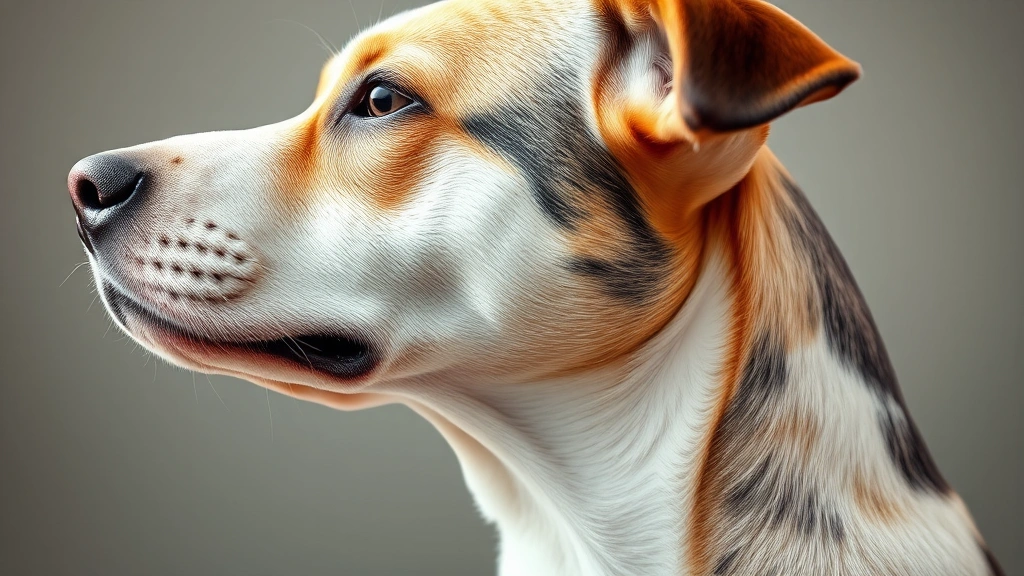
Common sources of infection include ear infections, skin conditions, and dental disease. Addressing the root cause—like treating an abscess in dogs or managing pet wound infection signs—helps the lymph nodes return to normal size.
Solution 3: Managing Fever and Discomfort
When lymph nodes are swollen, your dog may experience mild fever or discomfort. Your vet might recommend supportive care to keep your pup comfortable while their body heals.
A pet fever reducer can help manage fever symptoms, though always follow your veterinarian’s guidance on dosing and frequency. Comfort measures like rest, hydration, and a calm environment support recovery.
Solution 4: Addressing Allergies and Immune Triggers
If allergies are causing the swelling, identifying and minimizing exposure to triggers is crucial. This might involve dietary changes, environmental modifications, or allergy management strategies.
Some dogs benefit from adjustments to their nutrition. Learning about seasonal allergies feeding adjustments can help reduce immune system overreaction. A healthy diet supports overall immune function and resilience.
Solution 5: Nutritional Support for Immune Health
What your dog eats directly impacts their immune system’s strength. A balanced diet rich in quality proteins, omega fatty acids, and essential vitamins helps your pup fight infection more effectively.
Consider consulting your vet about dietary adjustments during recovery. Some dogs benefit from foods that support coat and skin health, which strengthens the body’s first line of defense. Explore feeding for coat health to learn more about nutrition’s role in immunity.
Solution 6: Monitoring and Follow-Up Care
After treatment begins, regular monitoring ensures your dog is improving. Most cases of swollen lymph nodes resolve within two to four weeks once the underlying cause is addressed.
Keep track of how the swelling changes, your dog’s energy levels, and appetite. Schedule follow-up appointments with your vet to confirm the nodes are returning to normal size. This vigilance catches complications early.
Solution 7: When to Seek Emergency Care
While most cases of swollen lymph nodes aren’t emergencies, certain situations demand immediate attention. If your dog has difficulty breathing, severe lethargy, or signs of sepsis, seek emergency care right away.
Rapid swelling that appears overnight, combined with fever and severe illness, also warrants urgent evaluation. Trust your instincts—if something feels seriously wrong, don’t wait for a routine appointment.
Prevention Tips for Healthy Lymph Nodes
Keeping your dog’s lymph nodes healthy starts with preventive care. Regular veterinary check-ups catch problems early before they escalate.
Here are practical steps to support your dog’s immune system:
- Maintain up-to-date vaccinations as recommended by your vet
- Practice good dental hygiene to prevent oral infections
- Keep ears clean and dry to reduce infection risk
- Feed a balanced, high-quality diet
- Ensure regular exercise and mental stimulation
- Minimize stress in your dog’s environment
- Use parasite prevention as directed by your veterinarian
What To Do Now
If you’ve noticed swelling in your dog’s lymph nodes, here’s your action plan:
- Schedule a veterinary exam — Contact your vet or use a telehealth service to get professional eyes on the swelling and determine the cause
- Document symptoms — Note when you first noticed the swelling, any behavioral changes, fever, or other signs to share with your vet
- Follow treatment recommendations — Adhere to your vet’s prescribed treatment plan, whether that involves medication, dietary changes, or monitoring
- Monitor progress — Track improvements over the next two to four weeks and report back to your veterinarian at follow-up visits
- Support overall wellness — Focus on quality nutrition, exercise, and stress reduction to help your dog’s immune system recover
Summary
Swollen lymph nodes in dogs are your pup’s immune system signaling that something needs attention. While the cause can range from minor infections to more serious conditions, most cases respond well to treatment when caught early.
The key is getting a proper diagnosis from a veterinarian, addressing the underlying cause, and providing supportive care during recovery. By staying vigilant and following your vet’s recommendations, you’re giving your dog the best chance to bounce back to their happy, healthy self.
Remember: your dog depends on you to notice these changes and act. You’re already doing great by researching and seeking answers.
Frequently Asked Questions
How long does it take for swollen lymph nodes to go down in dogs?
Most swollen lymph nodes return to normal size within two to four weeks once the underlying cause is treated. Some cases resolve faster, while others may take longer depending on the severity of the condition.
Are swollen lymph nodes in dogs always serious?
Not necessarily. While swelling indicates your dog’s immune system is responding to something, many causes are treatable and not life-threatening. Early detection and proper treatment lead to good outcomes in most cases.
Can I treat swollen lymph nodes at home?
While supportive care at home (rest, hydration, comfort) helps during recovery, you need a veterinary diagnosis to identify and address the underlying cause. Home treatment alone won’t resolve the swelling.
What does it feel like when you touch a dog’s swollen lymph node?
Swollen lymph nodes feel like small, firm bumps or lumps under the skin. They’re typically moveable and may be tender to the touch. Normal lymph nodes are small and difficult to feel.
Should I be worried if my dog’s lymph nodes are slightly enlarged?
Any noticeable enlargement warrants a veterinary check-up to determine the cause. Even mild swelling indicates your dog’s immune system is responding to something, and early diagnosis helps prevent complications.