
If your cat has been scratching at their ears more than usual, shaking their head frequently, or you’ve noticed a foul odor coming from inside their ear, it’s time to talk to vet about cat ear infection symptoms right away. Ear infections in cats are more common than many pet owners realize, and catching them early makes all the difference in your cat’s comfort and recovery.
Table of Contents
- Why You Should Talk to Your Vet About Cat Ear Infections
- Common Signs Your Cat May Be Experiencing an Ear Infection
- What Causes Cat Ear Infections?
- When to Schedule an Appointment With Your Vet
- Preparing for Your Veterinary Consultation
- What to Expect During the Veterinary Exam
- Treatment Options Your Vet May Recommend
- Tips for Managing Your Cat’s Ear Health at Home
- Preventing Future Ear Infections in Cats
- When to Consider Online Veterinary Consultation
- Frequently Asked Questions
- What To Do Now
- Summary: Taking Action on Cat Ear Infections
This article is for informational purposes only and is not a substitute for professional veterinary advice. Always consult a licensed veterinarian for diagnosis and treatment.
Cat ear infections can develop quickly and cause significant discomfort if left untreated. Whether your cat is an indoor pet or spends time outdoors, understanding the signs and knowing when to reach out to your veterinarian is crucial for keeping your feline friend healthy and happy.
Why You Should Talk to Your Vet About Cat Ear Infections
Your veterinarian is the best resource for diagnosing and treating ear infections in cats. Unlike human ears, feline ear anatomy is complex, and what looks like a simple infection could actually be something more serious underneath. A vet can examine the ear canal with an otoscope, take samples if needed, and determine the exact cause of the infection.
Early intervention prevents complications like hearing loss or infections spreading deeper into the ear. Catching this early puts you in a great position to help your cat feel better quickly.
Common Signs Your Cat May Be Experiencing an Ear Infection
Cats often show clear signs when something’s wrong with their ears. Being aware of these symptoms helps you know when it’s time to schedule a veterinary appointment.
- Excessive scratching or pawing at the ears or head
- Head shaking or tilting to one side
- Discharge from the ear (brown, yellow, or bloody)
- Odor coming from the ear canal
- Redness or swelling inside or around the ear
- Crusting or scabs on the ear flaps
- Behavioral changes like irritability or sensitivity when the ear is touched
- Loss of balance or coordination (in severe cases)
If you notice any combination of these signs, don’t wait—reach out to your veterinarian. Your cat is telling you something needs attention.
What Causes Cat Ear Infections?
Understanding what triggers ear infections helps you prevent them in the future. The most common culprits include bacteria, yeast, ear mites, and allergies. Each cause requires a different treatment approach, which is why professional diagnosis is so important.
Bacterial infections often develop after moisture gets trapped in the ear canal or when your cat has scratched the skin inside the ear. Yeast infections thrive in warm, moist environments and are sometimes connected to underlying allergies or skin conditions. Ear mites are tiny parasites that are highly contagious between cats and cause intense itching. Allergies—whether food-related or environmental—can lead to inflammation that makes infections more likely.
Cats with floppy ears or those who spend time in humid environments may be at higher risk. However, any cat can develop an ear infection, regardless of breed or lifestyle.
When to Schedule an Appointment With Your Vet
Timing matters when it comes to ear infections. If you notice signs of discomfort or discharge, schedule an appointment within the next few days. If your cat is showing severe symptoms—like loss of balance, inability to eat, or constant crying—contact your vet immediately or visit an emergency clinic.
If you are unsure whether your pet needs urgent care, a quick telehealth check-in can give you peace of mind—no appointment needed. This option is especially helpful if you want a professional opinion before committing to an in-person visit.
Preparing for Your Veterinary Consultation
Getting ready for your vet appointment ensures you make the most of your time together. Write down when you first noticed symptoms, what they look like, and any changes in your cat’s behavior. Have this information ready when you call or visit.

Take photos or videos of any discharge or visible redness if possible. Note whether the infection appears in one ear or both, and whether your cat has had ear problems before. Also mention any recent changes to your cat’s environment, diet, or grooming routine.
Bring your cat’s medical history, including any previous treatments or medications. This context helps your vet make the best recommendations for your specific cat.
What to Expect During the Veterinary Exam
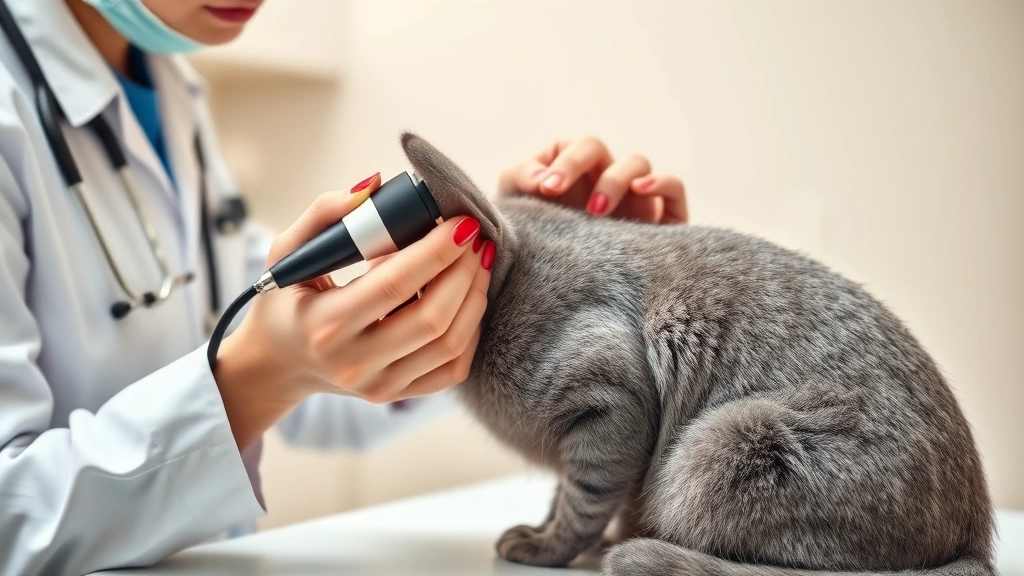
Your vet will perform a thorough examination using specialized tools. They’ll use an otoscope to look deep into the ear canal and assess inflammation, discharge, and overall ear health. This painless procedure gives them a clear view of what’s happening inside.
Your vet may take a sample of any discharge to examine under a microscope or send to a lab. This helps identify whether the infection is bacterial, fungal, or parasitic. Understanding the exact cause ensures your cat gets the right treatment.
Be prepared to discuss your cat’s lifestyle, diet, and any other health concerns. Your vet may also check your cat’s overall health to rule out underlying conditions that could be contributing to the ear infection.
Treatment Options Your Vet May Recommend
Once your vet diagnoses the infection, they’ll recommend a treatment plan tailored to your cat’s specific situation. Treatment typically involves cleaning the ear canal and applying prescribed medications. The exact approach depends on what’s causing the infection.
Your vet may recommend ear drops, oral medications, or a combination of both. They’ll provide clear instructions on how to administer any treatments at home. Some cats need follow-up appointments to ensure the infection is resolving properly.
In cases where allergies are the underlying cause, your vet might discuss long-term management strategies to prevent future infections. This could include dietary changes, environmental adjustments, or other preventive measures.
Tips for Managing Your Cat’s Ear Health at Home
After your vet visit, proper home care is essential for recovery and prevention. Follow your veterinarian’s instructions exactly, even if your cat seems better before the treatment course is complete. Stopping treatment too early can allow the infection to return.
- Keep ears dry during baths or water play
- Gently clean the outer ear with a damp cloth if your vet recommends it
- Avoid inserting anything deep into the ear canal
- Monitor for changes in discharge, odor, or behavior
- Maintain regular grooming to prevent moisture buildup
- Watch for scratching that might indicate the infection is returning
If your cat resists ear medication, ask your vet for tips on making the process easier. Sometimes wrapping your cat gently in a towel or having a second person help makes administration smoother.
Preventing Future Ear Infections in Cats
Prevention is always easier than treatment. Regular ear checks as part of your grooming routine help you catch problems early. Gently look inside your cat’s ears weekly and note any changes in appearance, odor, or discharge.
Keep your cat’s ears dry, especially after baths or outdoor activities in wet conditions. If your cat swims or plays in water frequently, dry their ears thoroughly afterward. For cats prone to ear infections, your vet may recommend periodic ear cleaning with a vet-approved solution.
Address underlying allergies or skin conditions, as these often contribute to recurrent infections. A healthy diet, regular grooming, and a clean living environment all support ear health. If your cat has had multiple infections, discuss preventive strategies with your vet.
When to Consider Online Veterinary Consultation
Online veterinary consultations offer a convenient way to discuss your cat’s ear health without leaving home. If you’re wondering whether you can talk to a vet about kitten ear infection online, the answer is yes—for initial assessments and follow-up care.
Telehealth is ideal for getting a professional opinion on symptoms, discussing treatment progress, or asking questions between appointments. However, some infections require an in-person exam for proper diagnosis and treatment. Your vet can advise whether your cat needs to come in or whether a virtual consultation is appropriate.
Many pet owners find that combining telehealth check-ins with occasional in-person visits provides the best of both worlds—convenience and thorough care.
Frequently Asked Questions
How long does it take for a cat ear infection to clear up?
Most ear infections begin improving within a few days of treatment, but complete healing typically takes 1-2 weeks. Always complete the full course of medication your vet prescribes, even if symptoms disappear sooner.
Can cat ear infections go away on their own?
Some very mild infections may resolve independently, but most require veterinary treatment to prevent complications. It’s best to have any suspected infection evaluated by a professional.
Are cat ear infections contagious to other pets?
Ear mite infections are highly contagious between cats and dogs, but bacterial or yeast infections are not. If one pet has ear mites, all pets in the household should be treated.
What’s the difference between cat and dog ear infections?
While the underlying causes are similar, ear infections in dogs often develop differently due to anatomical differences. Both require professional veterinary evaluation and treatment.
Can allergies cause ear infections in cats?
Yes, allergies are a common underlying cause of ear infections in cats. If your cat has recurrent infections, discuss allergy management with your vet.
What To Do Now
- Observe your cat’s ears carefully over the next 24 hours. Note any discharge, odor, redness, or behavioral changes related to ear discomfort.
- Contact your veterinarian to schedule an appointment. If you prefer convenience, start with a telehealth consultation to discuss symptoms with a licensed vet.
- Gather information about when symptoms started, any recent environmental changes, and your cat’s medical history to share with your vet.
- Keep your cat’s ears dry and avoid any home remedies until you’ve spoken with your vet. Professional guidance ensures safe, effective treatment.
- Prepare for the appointment by having your cat calm and ready, and by writing down any questions you want to ask during the visit.
Summary: Taking Action on Cat Ear Infections
Cat ear infections are treatable when caught early, and your veterinarian is your best ally in helping your cat feel better. Recognizing the signs—scratching, head shaking, discharge, and odor—empowers you to act quickly and prevent complications.
Whether you choose an in-person visit or start with a telehealth consultation, the important thing is to talk to vet about cat ear infection concerns promptly. Your cat depends on you to notice changes and seek professional help, and doing so shows how much you care.
With proper diagnosis, treatment, and preventive care, most cats recover quickly from ear infections and go on to enjoy healthy, comfortable ears for years to come. Don’t hesitate to reach out to your vet—they’re here to help your feline friend thrive.