
When you notice your cat limping, it’s natural to feel worried—but knowing when and how to talk to vet about cat limping can make all the difference in getting your feline friend the help they need quickly.
Table of Contents
- Why Your Cat May Be Limping
- When to Talk to Your Vet Immediately About Cat Limping
- Gradual Limping and Chronic Conditions
- What Information to Gather Before Talking to Your Vet
- Common Causes of Cat Limping You Should Know About
- How to Examine Your Cat’s Limping Leg at Home
- Preparing for Your Veterinary Appointment
- Treatment Options Your Vet Might Discuss
- Home Care and Recovery Tips
- When to Consider Telehealth for Your Cat’s Limping
- Frequently Asked Questions
- What To Do Now
- Summary: Taking Action When Your Cat Is Limping
This article is for informational purposes only and is not a substitute for professional veterinary advice. Always consult a licensed veterinarian for diagnosis and treatment.
Cat limping can stem from many different causes, ranging from minor issues like a small thorn in the paw to more serious conditions requiring immediate attention. The key is understanding what you’re seeing, staying calm, and reaching out to a veterinary professional who can properly assess your cat’s condition. Whether your cat is barely putting weight on a leg or walking with a slight hobble, this guide will help you navigate the next steps with confidence.
Why Your Cat May Be Limping
Limping in cats can result from injuries, infections, arthritis, or neurological issues. Some causes develop suddenly, while others worsen gradually over weeks or months. Understanding the potential reasons behind your cat’s limp helps you communicate more effectively with your veterinarian and notice any additional symptoms.
Common culprits include sprains, fractures, muscle strains, and soft tissue injuries from falls or trauma. Indoor cats may step on something sharp or get their claws caught, while outdoor cats face risks from fights, accidents, or getting stuck in tight spaces. Catching this early puts you in a great position to help your cat recover faster and prevent complications.
When to Talk to Your Vet Immediately About Cat Limping
Some situations require urgent veterinary attention. If your cat is unable to put any weight on the affected leg, shows signs of severe pain, or the limping appeared suddenly after an accident or fall, contact your vet right away. A non-weight-bearing limb could indicate a fracture or severe soft tissue damage.
Additionally, seek immediate care if you notice:
- Swelling, heat, or redness around the affected area
- Open wounds, bleeding, or visible deformity
- Your cat refusing to eat or showing signs of shock (lethargy, pale gums)
- Limping that worsens rapidly over hours
- Signs of infection like discharge or foul odor from the paw
If you’re unsure whether your pet needs urgent care, a quick telehealth check-in can give you peace of mind—no appointment needed. Many vets can assess the severity through photos or video and advise whether an in-person exam is necessary.
Gradual Limping and Chronic Conditions
Not all limping requires emergency care. If your cat has been limping for days or weeks and seems otherwise healthy, you’re likely dealing with a chronic issue like arthritis or a slowly developing condition. These situations still warrant a veterinary visit, but they’re less time-sensitive than acute injuries.
Older cats frequently experience arthritis, which causes stiffness and mild limping, especially after rest. Younger cats might be dealing with joint problems, ligament issues, or developmental conditions. Scheduling a regular appointment with your vet allows for proper diagnosis and a treatment plan tailored to your cat’s needs.
What Information to Gather Before Talking to Your Vet
Before your appointment or telehealth call, jot down helpful details that will speed up diagnosis. Your vet will want to know when the limping started, whether it came on suddenly or gradually, and if you noticed any specific triggering events like a fall or fight.
Helpful information includes:
- Which leg is affected and whether it’s weight-bearing or non-weight-bearing
- Any visible swelling, wounds, or discharge
- Changes in behavior, appetite, or activity level
- Your cat’s age and any previous health issues
- Whether your cat is indoor-only or has outdoor access
- Any recent injuries, falls, or accidents you witnessed
Taking a short video of your cat walking can also be invaluable—it lets your vet see the gait and severity firsthand, which is especially useful for telehealth consultations.
Common Causes of Cat Limping You Should Know About
Understanding the range of possible causes helps you feel more informed during your vet conversation. Injuries from falls, fights, or getting caught on objects are among the most common causes in both indoor and outdoor cats. These may include sprains, strains, or small fractures that aren’t always immediately obvious.
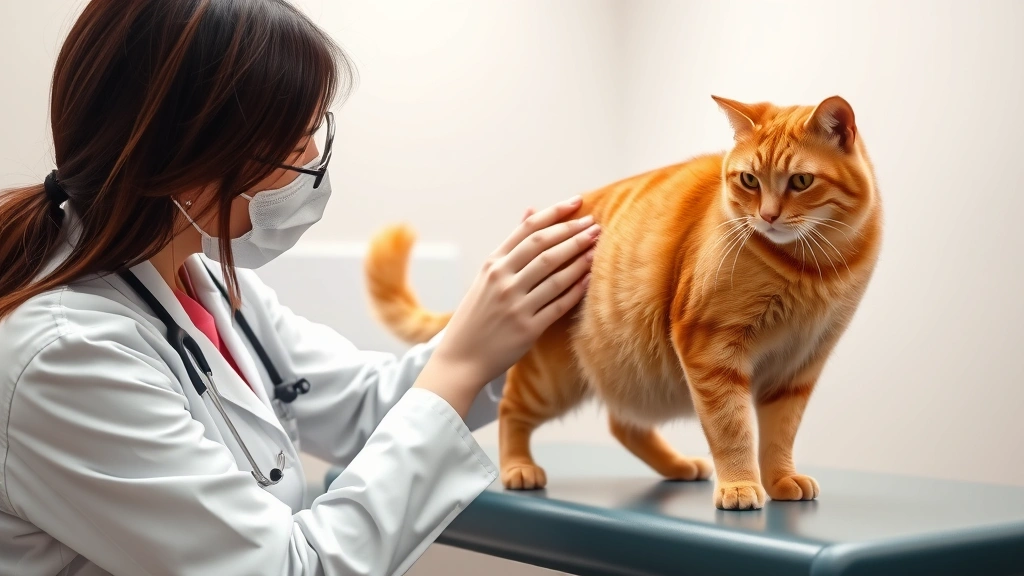
Paw-related issues are also frequent—your cat might have a thorn, splinter, or small stone lodged between the pads, or could be experiencing a nail injury or infection. Infections in the paw can escalate quickly, so it’s important to examine your cat’s feet carefully and report any redness or discharge to your vet.
Arthritis and joint diseases affect many cats, particularly senior cats, and may cause intermittent or progressive limping. Neurological issues, though less common, can also present as limping and require professional evaluation. Additionally, conditions like spinal issues similar to slipped discs can affect cats and cause hind leg weakness or limping.
How to Examine Your Cat’s Limping Leg at Home
A gentle home examination can reveal clues before your vet visit. Start by carefully feeling the affected leg from the hip to the paw, checking for swelling, heat, or areas where your cat flinches when touched. Compare the affected leg to the opposite leg—swelling is often easier to spot with a side-by-side comparison.
Check the paw pads thoroughly for embedded objects, cuts, or signs of infection. Look between the toes and under the nails. If your cat is tolerant, gently manipulate the leg to see if certain movements cause pain—your vet will appreciate this information. However, stop immediately if your cat shows significant distress, as you don’t want to worsen a potential fracture.
Take photos or a short video of any visible abnormalities to share with your veterinarian. This documentation helps your vet understand what you’re observing and can speed up the diagnostic process, especially during a telehealth consultation.
Preparing for Your Veterinary Appointment
Once you’ve decided to talk to your vet about cat limping, a little preparation goes a long way. Schedule the appointment at a time when you can stay calm and focused—you’ll be your cat’s best advocate. Bring your notes, photos, and video along with any relevant medical records, especially if your cat has previous orthopedic or health issues.
Consider how your cat travels to the vet. If the affected leg is painful, transport in a carrier may cause discomfort, so move slowly and minimize jostling. Let your vet’s office know ahead of time if your cat is anxious or in pain—they may have suggestions to make the visit easier.
During the exam, your vet will perform a physical examination, assess your cat’s gait, and may recommend diagnostic imaging like X-rays to rule out fractures or joint problems. Be honest about your cat’s pain level and any behavioral changes you’ve noticed.
Treatment Options Your Vet Might Discuss
Treatment depends entirely on the underlying cause. For minor sprains or muscle strains, rest and restricted activity are often recommended—keeping your cat calm and limiting jumping or running helps the injury heal. Your vet may suggest pain management strategies to keep your cat comfortable during recovery.
If an infection is present, your vet may prescribe antibiotics or recommend wound care. For fractures, treatment might range from rest and immobilization to surgical intervention, depending on severity. Chronic conditions like arthritis may benefit from weight management, supplements, or other supportive therapies discussed with your vet.
The online vet for cat limping services can provide follow-up consultations and monitor your cat’s progress without requiring repeated in-person visits, making it easier to stay on top of your cat’s recovery.
Home Care and Recovery Tips
After your vet visit, your role in supporting recovery is crucial. Follow all recommendations regarding rest, activity restriction, and medication. Create a comfortable recovery space with easy access to food, water, and the litter box—minimize the need for your cat to jump or climb stairs if possible.
Keep the affected area clean and dry, and monitor for any signs of infection or worsening. Watch your cat’s appetite and behavior—changes might indicate pain that needs addressing. Stick to your vet’s follow-up schedule so they can monitor healing and adjust the treatment plan if needed.
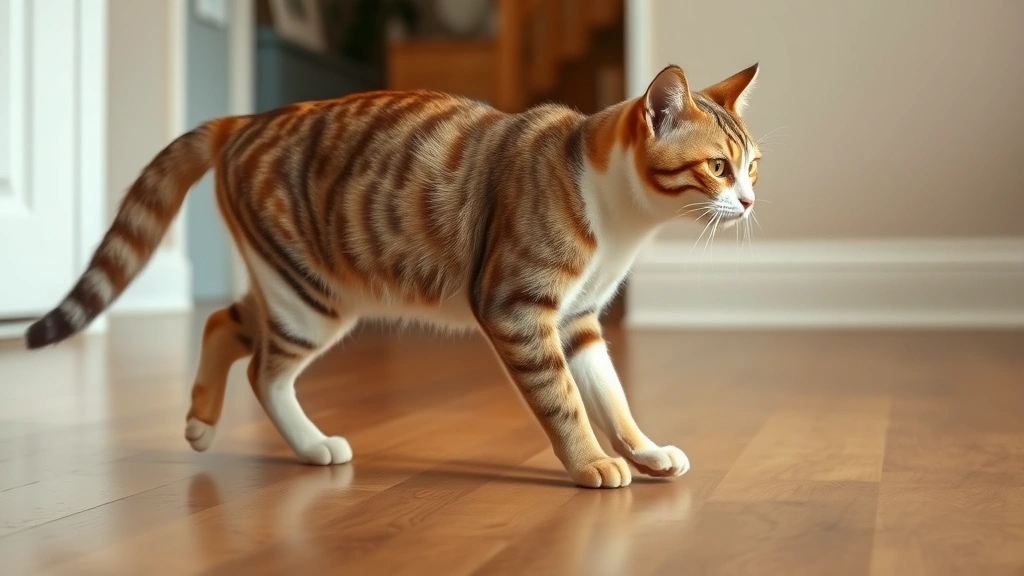
Recovery timelines vary widely depending on the cause. Minor sprains might resolve in weeks, while fractures or serious injuries may take months. Patience and consistent care significantly improve outcomes and help your cat return to normal activity.
When to Consider Telehealth for Your Cat’s Limping
Telehealth veterinary services offer a convenient way to get professional guidance without leaving home, which is especially valuable if your cat is in pain or anxious about travel. A telehealth vet can assess your cat’s condition through photos, video, and conversation, helping you determine whether an in-person exam is necessary.
Telehealth works well for follow-up checks, questions about recovery progress, or initial assessments of mild limping. However, if your vet suspects a fracture, severe infection, or needs to perform physical manipulation or imaging, an in-person visit will be recommended. Think of telehealth as a helpful first step that saves time and stress for both you and your cat.
Frequently Asked Questions
How long should I wait before calling the vet about my cat’s limp?
If the limp appeared suddenly after an injury or your cat can’t bear weight, call immediately. For gradual limping or mild hobbling, schedule an appointment within a few days. If it doesn’t improve within a week, definitely reach out to your vet.
Can cat limping resolve on its own?
Minor sprains or small injuries may improve with rest, but professional evaluation is important to rule out fractures or infections. Even if limping seems mild, underlying issues could worsen without proper care.
What if my cat is limping but seems otherwise normal?
Cats are excellent at hiding pain, so seemingly normal behavior doesn’t mean the limping isn’t serious. Schedule a vet appointment to identify the cause and prevent complications.
Is limping in older cats always arthritis?
Arthritis is common in senior cats, but limping can also result from injuries, infections, or other conditions. Your vet will perform an examination and possibly imaging to determine the exact cause.
Can I give my cat pain medication without a vet visit?
No—never give your cat medication without veterinary guidance. Some human pain relievers are toxic to cats, and proper dosing requires professional assessment. Always consult your vet first.
What To Do Now
- Observe your cat carefully and note when the limping started, which leg is affected, and any visible injuries or swelling.
- Gently examine your cat’s affected paw and leg at home, checking for embedded objects, wounds, or heat—take photos to share with your vet.
- Contact your veterinarian to schedule an appointment or arrange a telehealth consultation if you’re unsure about urgency.
- Gather relevant information including your cat’s age, medical history, and details about any recent injuries or behavioral changes.
- Prepare a comfortable recovery space with easy access to essentials and follow your vet’s treatment recommendations closely.
Summary: Taking Action When Your Cat Is Limping
Noticing your cat limping understandably causes concern, but you’re already on the right track by seeking information and planning to talk to your vet about cat limping. Most causes are manageable when caught early, and professional veterinary care is the best way to ensure your cat receives appropriate treatment.
Remember that your vet is your partner in your cat’s health. Provide detailed observations, ask questions about the diagnosis and treatment plan, and follow recommendations carefully. Whether you choose an in-person visit or start with a convenient telehealth consultation, reaching out to a veterinary professional is the most important step you can take for your limping cat.
Your cat depends on you to notice changes and advocate for their care. By acting promptly and staying informed, you’re giving your beloved feline the best chance for a full recovery and a return to their normal, active self. If you have additional concerns about your cat’s health, don’t hesitate to reach out—your vet is always ready to help, whether it’s about loss of appetite, unusual breathing, or any other health matter.
For authoritative information on feline limping and orthopedic conditions, consult resources like PetMD’s cat care section or the American Veterinary Medical Association (AVMA).