
If your dog is constantly scratching, biting at their skin, or losing fur in patches, it’s time to talk to vet about dog itching before the problem gets worse. Watching your furry friend struggle with persistent itching is heartbreaking, and you’re probably wondering what’s causing it and how to help.
Table of Contents
- Why Your Dog Is Itching: Common Causes
- Red Flags: When to Talk to Vet About Dog Itching Immediately
- How to Describe Your Dog’s Itching to Your Vet
- Diagnostic Steps Your Vet May Take
- 7 Essential Solutions Your Vet May Recommend
- At-Home Care While You Wait for Your Vet Appointment
- When Telehealth Can Help
- Prevention: How to Help Your Dog Avoid Future Itching
- Frequently Asked Questions
- What to Do Now
- Summary: Taking Action on Your Dog’s Itching
This article is for informational purposes only and is not a substitute for professional veterinary advice. Always consult a licensed veterinarian for diagnosis and treatment.
Dog itching is one of the most common complaints veterinarians hear, yet many pet owners delay seeking help. The truth is, itching in dogs can stem from dozens of different causes—some simple, some complex—and early intervention makes a real difference. The sooner you reach out to your vet, the sooner your pup can find relief.
Why Your Dog Is Itching: Common Causes
Before you talk to vet about dog itching, it helps to understand what might be triggering the behavior. Dogs itch for many reasons, and identifying the root cause is the first step toward a solution.
Allergies are the leading culprit behind chronic itching in dogs. Just like humans, dogs can develop allergies to food, environmental factors (pollen, dust mites, mold), or contact allergens like certain fabrics or cleaning products. Dog skin allergies often cause localized itching or full-body discomfort.
Parasites such as fleas, mites, and lice are another frequent cause. Even one flea bite can trigger an allergic reaction in sensitive dogs, leading to intense itching. Catching this early puts you in a great position to help your dog avoid secondary skin infections.
Skin infections caused by bacteria or yeast thrive in warm, moist areas like the ears, paws, and skin folds. These infections often develop after a dog has been scratching excessively, creating an open door for microorganisms.
Dry skin is especially common in winter or in dogs bathed too frequently. Low humidity and harsh soaps strip away natural oils, leaving skin irritated and itchy.
Ear infections and excessive paw licking are often connected to underlying allergies or infections. If your dog is scratching their ears or chewing their paws constantly, your vet needs to know.
Red Flags: When to Talk to Vet About Dog Itching Immediately
Some signs of itching warrant urgent attention. If your dog shows any of these symptoms, don’t wait for a routine appointment—reach out to your veterinarian right away.
- Severe scratching that causes bleeding or open wounds
- Hair loss in circular or patchy patterns
- Foul odor coming from the skin or ears
- Swelling, redness, or pustules on the skin
- Sudden onset of intense itching after a recent change in food, environment, or products
- Signs of infection like warmth, discharge, or crusting
- Behavioral changes like restlessness, anxiety, or inability to sleep due to itching
If you are unsure whether your pet needs urgent care, a quick telehealth check-in can give you peace of mind—no appointment needed. Many vets can assess your dog’s condition and recommend next steps within minutes.
How to Describe Your Dog’s Itching to Your Vet
When you talk to vet about dog itching, specific details help them narrow down the cause. Before your appointment, take a moment to observe and note:
- Location: Is the itching localized (ears, paws, face) or all over?
- Frequency: Is it constant or does it come and go?
- Severity: Does your dog scratch until they bleed, or is it mild and occasional?
- Timeline: When did it start? Was there a trigger (new food, season change, boarding)?
- Associated symptoms: Is there hair loss, odor, discharge, or skin changes?
- Response to scratching: Does your dog get temporary relief, or does scratching seem to make it worse?
Having this information ready will help your vet ask the right follow-up questions and potentially diagnose the problem faster.
Diagnostic Steps Your Vet May Take
When you talk to vet about dog itching, expect a thorough examination. Your veterinarian may perform several tests to identify the underlying cause.
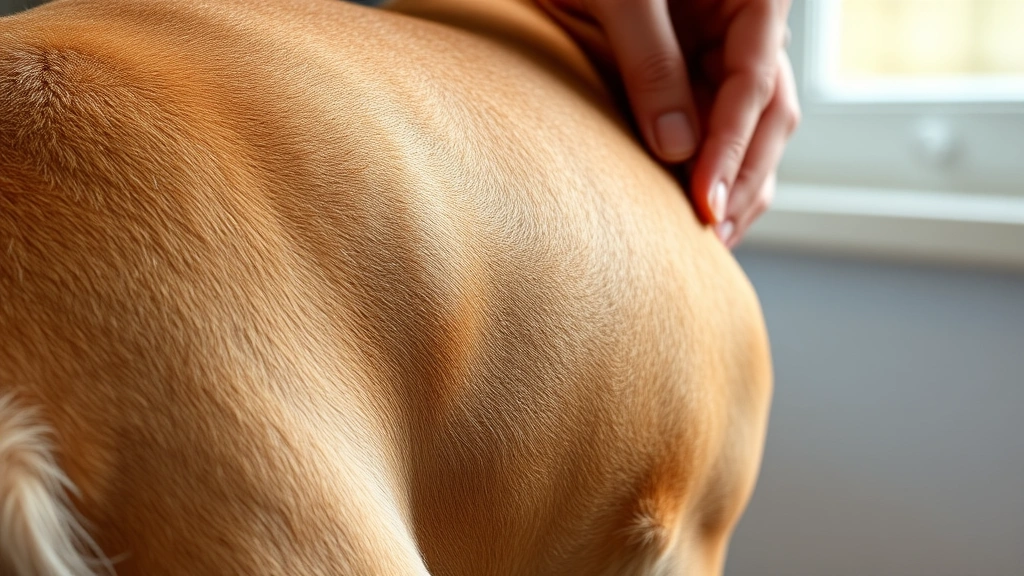
Physical examination: Your vet will inspect your dog’s skin, ears, and paws closely, looking for signs of infection, parasites, redness, or abnormal texture.
Skin scrapings or fungal cultures: These help identify mites, fungi, or bacterial infections that aren’t visible to the naked eye.
Allergy testing: If allergies are suspected, your vet might recommend intradermal or serum allergy testing to pinpoint specific triggers.
Ear cytology: A sample from the ear canal can reveal yeast or bacterial overgrowth if ear infections are involved.
Dietary trial: If food allergies are suspected, your vet may recommend an elimination diet to identify problem ingredients.
These diagnostic tools aren’t always necessary for every case, but they’re invaluable when itching persists despite initial treatment attempts.
7 Essential Solutions Your Vet May Recommend
Once your vet understands what’s causing your dog’s itching, they’ll recommend a tailored treatment plan. Here are seven common solutions:
1. Parasite Prevention and Treatment
If fleas, mites, or lice are the culprit, your vet will prescribe or recommend an appropriate parasite control product. Regular prevention is key to avoiding future infestations. Your vet can advise on the best option for your dog’s age, weight, and health status.
2. Prescription Shampoos and Topical Treatments
Medicated shampoos containing ingredients like oatmeal, chlorhexidine, or salicylic acid can soothe irritated skin and reduce itching. Your vet may also recommend topical creams or sprays to apply between baths.
3. Dietary Changes
If food allergies are suspected, your vet may recommend a limited-ingredient diet or prescription food designed to reduce allergic reactions. These diets eliminate common allergens and are formulated to support skin health.
4. Supplements and Omega-3 Fatty Acids
Fish oil and other omega-3 supplements can help reduce inflammation and support skin barrier function. Your vet can recommend appropriate dosages and brands for your dog.
5. Environmental Management
Reducing exposure to allergens—like frequent vacuuming, air purifiers, or limiting time outdoors during high pollen seasons—can minimize itching triggers.
6. Humidifiers and Moisturizing Products
For dry skin, a humidifier in your home and moisturizing sprays or conditioners can restore skin hydration and reduce itching.

7. Immunotherapy or Advanced Treatments
In cases of severe or chronic allergies, your vet might discuss allergy immunotherapy (allergy shots) or newer medications that target specific immune pathways to reduce itching.
At-Home Care While You Wait for Your Vet Appointment
If your dog is uncomfortable and you’re waiting to talk to vet about dog itching, there are safe steps you can take at home to provide relief.
- Bathe with lukewarm water and gentle shampoo: Avoid hot water, which can dry out skin further. Use a veterinary-approved or hypoallergenic shampoo.
- Apply cool, damp compresses: A cool washcloth held against itchy areas can provide temporary relief.
- Keep nails trimmed: Short nails reduce damage from scratching and lower infection risk.
- Avoid irritants: Temporarily discontinue new treats, foods, or products that might be triggering the itch.
- Use a cone if necessary: If scratching is severe and causing injury, an Elizabethan collar can prevent further damage while you await treatment.
When Telehealth Can Help
Not every case of dog itching requires an in-person visit. If you’re unable to schedule a traditional appointment quickly or want a preliminary assessment, telehealth veterinary services like The Pet Vet offer a convenient alternative.
During a telehealth consultation, your vet can review photos or videos of your dog’s skin, discuss symptoms in detail, and recommend initial treatment steps. For many cases of mild to moderate itching, this is enough to get your dog started on relief. If your vet determines that an in-person exam is necessary, they can guide you to schedule one.
Prevention: How to Help Your Dog Avoid Future Itching
Once you’ve resolved your dog’s itching with your vet’s help, prevention becomes important. Here’s how to reduce the risk of itching returning:
- Stay current on parasite prevention: Year-round flea and tick prevention is non-negotiable.
- Feed a high-quality diet: Ask your vet about foods that support skin health and avoid known allergens.
- Bathe appropriately: Bathe your dog only as needed (typically every 4-6 weeks) using gentle products.
- Maintain ear hygiene: Regular ear checks and cleaning (if recommended by your vet) prevent infections.
- Monitor for changes: Note any new itching and address it early before it becomes chronic.
- Manage stress: Anxiety and stress can trigger or worsen itching, so ensure your dog gets adequate exercise and mental stimulation.
Frequently Asked Questions
Is dog itching always a sign of fleas?
No, while fleas are a common cause, itching can result from allergies, dry skin, infections, or other conditions. Your vet will help identify the specific cause.
How long does it take to see improvement after starting treatment?
Improvement timelines vary depending on the cause and treatment type. Some cases show relief in days, while allergies or infections may take weeks to fully resolve.
Can I treat my dog’s itching at home without seeing a vet?
While home care can provide temporary relief, it’s important to talk to vet about dog itching to address the underlying cause and prevent complications like infections.
What if my dog’s itching doesn’t improve after treatment?
If itching persists, your vet may recommend additional diagnostics, a different treatment approach, or referral to a veterinary dermatologist for specialized care.
Are some dog breeds more prone to itching?
Yes, breeds like Bulldogs, Retrievers, and Terriers are genetically predisposed to allergies and skin conditions. Discuss breed-specific concerns with your vet.
What to Do Now
Don’t let your dog’s itching go unaddressed. Here are your next steps:
- Schedule a vet appointment: Contact your veterinarian or use a telehealth service like The Pet Vet to talk to vet about dog itching as soon as possible.
- Document observations: Write down when the itching started, where it’s located, severity, and any other symptoms or recent changes in your dog’s life.
- Take photos: If there are visible skin changes, take clear photos to share with your vet during the consultation.
- Implement safe at-home care: Use gentle shampoos, cool compresses, and keep your dog’s nails trimmed while awaiting your appointment.
- Follow your vet’s treatment plan: Once you have a diagnosis, commit to the recommended treatment and follow-up schedule for the best results.
Summary: Taking Action on Your Dog’s Itching
Your dog’s constant itching is a sign that something needs attention, and the sooner you talk to vet about dog itching, the sooner relief is possible. Whether the cause is allergies, parasites, infections, or something else, your veterinarian has the tools and expertise to diagnose and treat the problem effectively.
Don’t feel discouraged if the first treatment doesn’t work perfectly—finding the right solution sometimes takes time and adjustment. What matters is that you’re taking action and working with a professional to help your furry friend feel comfortable again.
Remember, itching isn’t just uncomfortable for your dog; it can lead to secondary infections and behavioral issues if left untreated. By reaching out to your vet now, you’re preventing future complications and giving your dog the gift of relief. Whether through a traditional appointment or a convenient telehealth consultation, getting professional guidance is the best decision you can make for your dog’s skin health and overall well-being.