
If your dog has been panting more than usual, it’s natural to feel concerned—and yes, you should talk to a vet about dog panting to understand what’s really going on. Dog panting can range from completely normal (after a game of fetch on a hot day) to a sign that something needs medical attention. The challenge is knowing which category your pup falls into, and that’s where having the right conversation with your veterinarian becomes invaluable.
Table of Contents
- Why Your Dog’s Panting Matters More Than You Think
- Question 1: Is This Panting Normal for My Dog’s Age and Activity Level?
- Question 2: Could This Be Related to Heat Stress or Environmental Factors?
- Question 3: What Medical Conditions Could Cause Excessive Panting in Dogs?
- Question 4: What Other Symptoms Should I Watch For?
- Question 5: What’s the Best Plan Moving Forward?
- Additional Questions to Consider During Your Visit
- How to Prepare for Your Vet Conversation
- When Panting Becomes an Emergency
- Summary: Taking Action on Your Dog’s Panting
- Frequently Asked Questions
- What to Do Now
This article is for informational purposes only and is not a substitute for professional veterinary advice. Always consult a licensed veterinarian for diagnosis and treatment.
Most pet owners worry in silence, googling symptoms late at night and second-guessing every breath their dog takes. But here’s the good news: excessive panting is one of those symptoms where early clarity can make a real difference. By knowing which questions to ask your vet, you’ll gather the information you need to help your dog feel better faster.
Why Your Dog’s Panting Matters More Than You Think
Panting is your dog’s primary cooling mechanism. Unlike humans, dogs don’t sweat through their skin—they rely on breathing to regulate body temperature. When it’s hot, after exercise, or when they’re excited, panting is completely normal and healthy.
But excessive or unusual panting can signal underlying health issues. Your dog might be experiencing pain, anxiety, respiratory problems, or metabolic imbalances. The tricky part? Many conditions cause similar symptoms, which is exactly why professional guidance matters.
Catching this early puts you in a great position to help your dog get the care they need before any condition progresses.
Question 1: Is This Panting Normal for My Dog’s Age and Activity Level?
Start by giving your vet context about your dog’s baseline behavior. Puppies and senior dogs often pant more than middle-aged adults. Young puppies pant frequently because their temperature regulation isn’t fully developed. Older dogs may pant more due to decreased efficiency in cooling systems or underlying age-related conditions.
When you talk to a vet about dog panting, describe:
- When the panting started (suddenly or gradually)
- How often it happens throughout the day
- Whether it occurs at rest or only after activity
- Any recent changes in your home environment (new pet, moved to hotter climate)
Your vet will compare this information against what’s typical for your dog’s age, breed, and size. Some breeds like Bulldogs and Pugs are naturally more prone to heavier breathing due to their facial structure.
Question 2: Could This Be Related to Heat Stress or Environmental Factors?
Before jumping to medical conclusions, rule out environmental triggers. Dogs pant heavily in hot weather, humid conditions, or when they’re anxious about car rides or thunderstorms.
Ask your vet whether your dog’s panting could be explained by:
- Recent exposure to high temperatures
- Lack of access to shade or water during outdoor time
- Stress or anxiety from recent changes
- Over-exercise without proper cool-down periods
If environmental factors are the culprit, your vet will give you practical strategies to keep your dog cooler and more comfortable. This might include adjusting exercise timing, providing more water, or creating shaded rest areas.
Question 3: What Medical Conditions Could Cause Excessive Panting in Dogs?
This is where the conversation gets more detailed. Excessive panting can be a symptom of several conditions, and your vet needs to help you understand the possibilities. Some of the more common causes include respiratory infections, heart disease, thyroid disorders, pain, obesity, and anxiety.

When you talk to a vet about dog panting, ask them to explain which conditions are most likely based on your dog’s symptoms. Request information about:
- Early warning signs specific to each condition
- How each condition is typically diagnosed
- What the treatment approach looks like
- Whether the condition is urgent or can wait for a scheduled appointment
Your vet might recommend blood work, imaging, or other diagnostics to narrow down the cause. Understanding why these tests matter helps you feel more confident in the care plan.
Question 4: What Other Symptoms Should I Watch For?
Panting rarely occurs in isolation. Your vet will want to know about any accompanying symptoms that might point toward a specific diagnosis. This is critical information that helps guide the investigation.
Tell your vet if you’ve noticed:
- Changes in appetite or water intake
- Lethargy or decreased interest in play
- Coughing, wheezing, or difficulty breathing
- Weight gain or loss
- Vomiting, diarrhea, or other digestive changes
- Limping, stiffness, or reluctance to move
- Behavioral changes or increased anxiety
Ask your vet which symptoms warrant an immediate visit versus those you can monitor at home. Some combinations of symptoms suggest more urgent conditions than others. Your vet will help you create a symptom-tracking system so you don’t forget details between visits.
Question 5: What’s the Best Plan Moving Forward?
End your conversation with a clear action plan. You want to leave your vet appointment knowing exactly what comes next, whether that’s diagnostic testing, medication, lifestyle changes, or a follow-up visit.
Make sure you understand:
- What diagnostic tests (if any) are needed and why
- When you should expect results
- What the next steps are based on those results
- How to monitor your dog at home in the meantime
- When to call back if symptoms worsen
If you’re unsure whether your pet needs urgent care, a quick telehealth check-in can give you peace of mind—no appointment needed. You can talk to a vet about dog panting online to get initial guidance before committing to a full in-person visit.
Additional Questions to Consider During Your Visit
Beyond the five core questions, there are other helpful details to bring up. Ask your vet about your dog’s medical history and whether any past conditions could be resurfacing. Mention any medications your dog is taking, as some can cause increased panting as a side effect.
If your dog has experienced panting episodes before, describe what happened then and how it was resolved. This historical context helps your vet identify patterns and avoid repeating unsuccessful approaches.
How to Prepare for Your Vet Conversation
Come to your appointment organized and ready. Write down when the panting started, how often it happens, and any triggers you’ve noticed. Take a short video of your dog panting if possible—this visual can help your vet assess the severity and pattern.
Bring a list of all supplements and medications your dog takes. Note your dog’s typical daily routine, including exercise, feeding times, and sleep patterns. The more specific information you provide, the more efficiently your vet can work toward a diagnosis.
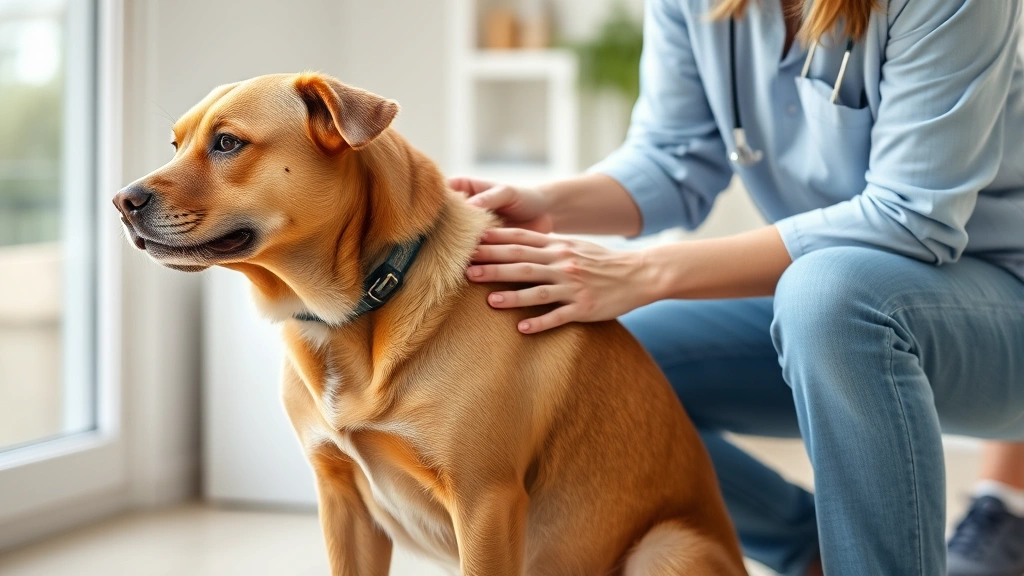
Don’t hesitate to ask your vet to repeat explanations or clarify medical terms. You’re your dog’s advocate, and understanding the situation fully is essential to providing the best care.
When Panting Becomes an Emergency
Some types of panting require immediate veterinary attention. If your dog is panting heavily at rest, has difficulty breathing, is drooling excessively, or appears disoriented, seek emergency care right away. These signs could indicate heat stroke, respiratory distress, or other urgent conditions.
Catching this early puts you in a great position to prevent serious complications. Don’t wait for a routine appointment if you notice these red flags.
Summary: Taking Action on Your Dog’s Panting
Excessive dog panting deserves professional attention, and knowing how to talk to a vet about dog panting makes all the difference. By asking these five essential questions—about normalcy, environmental factors, possible medical causes, accompanying symptoms, and next steps—you’ll have a comprehensive understanding of your dog’s situation.
Your veterinarian is your partner in keeping your dog healthy. Come prepared with observations, stay curious about the diagnostic process, and don’t settle for vague answers. Your dog is counting on you to be their voice, and a well-informed conversation with your vet is one of the best things you can do.
Frequently Asked Questions
Is panting always a sign of a health problem?
No. Panting is normal after exercise, in hot weather, or when dogs are excited or anxious. However, excessive panting at rest or sudden changes in panting patterns warrant a vet visit.
How long should I wait before calling my vet about panting?
If panting is mild and clearly linked to heat or exercise, monitor it for a day or two. If it persists, occurs at rest, or is accompanied by other symptoms, call your vet promptly.
Can I use online vet services to discuss dog panting?
Yes. Telehealth is a great first step for getting professional guidance without waiting for an in-person appointment. Your vet can assess whether your dog needs a full exam or if home monitoring is appropriate.
What should I tell my vet to help them diagnose the panting?
Share when it started, how often it happens, whether it’s during rest or activity, any environmental triggers, and any other symptoms you’ve noticed. Bring a video if possible.
Is anxiety a common cause of excessive panting in dogs?
Yes, anxiety and stress are frequent causes of increased panting. Your vet can help determine if anxiety management strategies or other interventions might help.
What to Do Now
- Document your observations: Write down when the panting started, how often it happens daily, and any patterns you notice (time of day, triggers, activity level).
- Schedule a vet appointment: Contact your veterinarian to discuss your dog’s symptoms. If it seems urgent, ask about same-day or emergency options.
- Consider a telehealth check-in: If you’re unsure about urgency or want quick guidance, start with an online consultation to get professional perspective before committing to a full visit.
- Monitor for red flags: Watch for difficulty breathing, excessive drooling, disorientation, or other emergency signs that require immediate care.
- Prepare your vet questions: Use the five essential questions from this article to guide your conversation and ensure you get the information you need.