
If you’ve noticed your kitten breathing fast, it’s natural to feel concerned—and that’s exactly why you should talk to a vet about kitten breathing fast sooner rather than later. Rapid breathing in kittens can sometimes be completely normal, but it can also signal an underlying health issue that deserves professional attention.
Table of Contents
- What Is Normal Breathing in Kittens?
- When Should You Talk to a Vet About Kitten Breathing Fast?
- Common Causes of Fast Breathing in Kittens
- Respiratory Infections and Breathing Changes
- Heart Conditions in Young Cats
- Other Health Conditions to Consider
- How to Prepare for Your Vet Conversation
- Telehealth Options for Quick Peace of Mind
- What to Do Now: Action Steps
- When to Seek Emergency Care
- Frequently Asked Questions
- Summary: Taking Action for Your Kitten’s Health
This article is for informational purposes only and is not a substitute for professional veterinary advice. Always consult a licensed veterinarian for diagnosis and treatment.
Kittens are bundles of energy, and their little bodies work differently than adult cats. Understanding what’s normal versus what warrants a vet visit can help you feel more confident as a pet parent. Let’s explore what rapid breathing means, when it’s concerning, and how to get the right support for your furry friend.
What Is Normal Breathing in Kittens?
Kittens naturally breathe faster than adult cats. A healthy kitten typically takes 20 to 40 breaths per minute when resting, while adult cats average 16 to 30 breaths per minute. This faster rate is completely normal because kittens have higher metabolic demands as they grow and play.
To check your kitten’s breathing rate, count the number of times their chest rises and falls in one minute while they’re calm and resting. This simple observation can give you a baseline for what’s typical for your individual kitten.
When Should You Talk to a Vet About Kitten Breathing Fast?
Rapid breathing becomes a concern when it persists even during rest or sleep. If your kitten is breathing noticeably faster than usual, or if you observe rapid breathing accompanied by other symptoms, it’s time to reach out to a veterinarian. Don’t wait—catching potential issues early puts you in a great position to help your kitten stay healthy.
Some situations require more urgent attention than others. If your kitten seems distressed, is gasping for air, or shows signs of difficulty breathing, seek emergency veterinary care immediately.
Common Causes of Fast Breathing in Kittens
Several factors can cause a kitten to breathe faster than normal. Understanding these potential causes can help you communicate more effectively with your vet.
- Play and excitement: After an energetic play session, kittens may breathe rapidly as their heart rate returns to normal.
- Fever: Elevated body temperature often increases breathing rate as the body tries to cool itself.
- Pain or discomfort: Kittens experiencing pain may breathe faster as a stress response.
- Respiratory infections: Upper respiratory infections or other lung-related issues can cause rapid breathing.
- Heart conditions: Congenital or acquired heart problems may present with increased respiratory rate.
- Anemia: Low red blood cell count forces the body to work harder to deliver oxygen.
- Stress or anxiety: Environmental changes or new situations can trigger faster breathing in sensitive kittens.
- Obesity or overheating: Excess weight or warm environments can increase breathing rate.
Respiratory Infections and Breathing Changes
Respiratory infections are among the most common reasons kittens experience breathing changes. Feline upper respiratory infections often start with sneezing and nasal discharge but can progress to affect breathing patterns. These infections are typically viral but may develop secondary bacterial complications.
If your kitten has rapid breathing along with sneezing, coughing, or discharge from the nose or eyes, a vet visit is definitely warranted. Catching respiratory issues early helps prevent more serious complications.
Heart Conditions in Young Cats
While less common than infections, heart problems can affect kittens and cause rapid breathing. Some kittens are born with congenital heart defects that may not be immediately obvious. Others may develop heart issues as they grow.
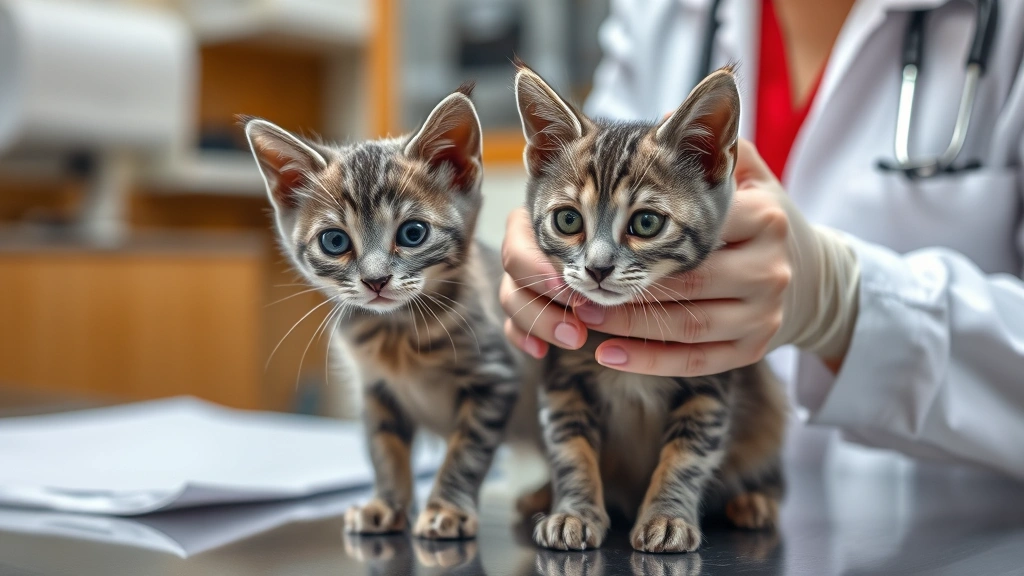
Heart conditions often present subtly at first. Rapid breathing, lethargy, or reluctance to play could be early signs. Your vet can listen to your kitten’s heart and lungs with a stethoscope and recommend further testing if needed. Early detection makes a real difference in managing these conditions.
Other Health Conditions to Consider
Beyond infections and heart issues, several other conditions can cause rapid breathing in kittens. Anemia, thyroid disorders, and metabolic imbalances can all affect breathing rate. Additionally, pain from injuries or other health issues may cause your kitten to breathe faster as a physical stress response.
This is why a thorough veterinary examination is so valuable—your vet can piece together the full picture of your kitten’s health by combining observation, physical examination, and diagnostic testing if necessary.
How to Prepare for Your Vet Conversation
When you talk to a vet about kitten breathing fast, having detailed information ready will help. Note when you first noticed the rapid breathing and whether it’s constant or intermittent. Observe whether it happens during play, rest, or both.
Keep track of any other symptoms you’ve noticed, such as:
- Changes in appetite or eating habits
- Lethargy or unusual tiredness
- Coughing, sneezing, or nasal discharge
- Vomiting or diarrhea
- Changes in behavior or activity level
- Any recent environmental changes or stressors
This information helps your vet narrow down potential causes and may reduce the need for extensive testing.
Telehealth Options for Quick Peace of Mind
If you’re unsure whether your pet needs urgent care, a quick telehealth check-in can give you peace of mind—no appointment needed. Many pet owners find that a brief video consultation with a vet can help them determine whether their kitten needs an in-person examination or emergency care.
Telehealth is particularly helpful for initial symptom assessment and guidance on next steps. You can talk to a vet about kitten lethargy online or discuss other concerns from the comfort of your home. Similarly, if you’re noticing other symptoms alongside breathing changes, services like discussing kitten diarrhea with a vet online can provide quick guidance.
What to Do Now: Action Steps
If you’ve noticed your kitten breathing fast, here’s what to do:
- Observe and document: Spend a few minutes watching your kitten’s breathing rate during rest. Note any other symptoms or behavioral changes you’ve noticed.
- Schedule a vet appointment: Contact your regular veterinarian to schedule an examination. If symptoms seem urgent (gasping, severe distress), seek emergency care immediately.
- Consider a telehealth consultation: If you’re unsure about the urgency, a quick virtual check-in can help you decide on next steps without delay.
- Keep records: Maintain a simple log of when you notice rapid breathing, how long it lasts, and any triggering activities or environmental factors.
- Avoid self-diagnosis: While research is helpful, trust your vet’s expertise for accurate diagnosis and treatment recommendations.
When to Seek Emergency Care
Some situations require immediate veterinary attention. Seek emergency care if your kitten is:
- Gasping or struggling to breathe
- Making unusual breathing sounds (wheezing, crackling)
- Showing blue-tinged gums or tongue
- Drooling excessively or unable to swallow
- Collapsing or becoming unresponsive
- Breathing rapidly while also appearing lethargic or unwell
Don’t hesitate to go to an emergency clinic if you’re worried. It’s always better to err on the side of caution when your kitten’s breathing is concerning.
Frequently Asked Questions
Is it normal for kittens to breathe fast when sleeping?
Kittens may breathe slightly faster than adult cats even during sleep, but the rate should still be relatively consistent. If your kitten’s breathing is noticeably rapid or irregular during sleep, mention it to your vet.
Can stress cause a kitten to breathe fast?
Yes, stress and anxiety can temporarily increase breathing rate in kittens. However, if rapid breathing persists even in calm situations, it warrants veterinary evaluation.
How quickly should I schedule a vet appointment?
If your kitten seems otherwise healthy and active, scheduling an appointment within a few days is reasonable. For any signs of distress or additional symptoms, call your vet the same day for guidance on urgency.
What tests might my vet perform?
Your vet may perform a physical examination, listen to your kitten’s heart and lungs, check temperature, and possibly recommend blood work, X-rays, or ultrasound depending on findings.
Can I use a home pulse oximeter on my kitten?
While pulse oximeters exist for pets, they can be difficult to use on kittens and may not provide accurate readings. Your vet has better tools for assessing your kitten’s oxygen levels and overall respiratory status.
Summary: Taking Action for Your Kitten’s Health
Noticing that your kitten is breathing fast understandably raises concerns, but knowing when and how to talk to a vet about kitten breathing fast empowers you to get the right care. While some rapid breathing is normal in kittens, persistent or concerning changes deserve professional evaluation.
Start by observing your kitten’s breathing patterns and noting any accompanying symptoms. Then reach out to your veterinarian—whether through a traditional appointment, emergency clinic, or telehealth consultation—to get expert guidance. Early intervention often leads to better outcomes, and your vet’s expertise will help identify whether this is a simple concern or something requiring treatment.
You’re already doing the right thing by seeking information and considering your kitten’s health. Trust your instincts, gather the information your vet needs, and remember that professional veterinary care is always the best next step when you’re worried about your kitten’s breathing.