
Seeing your puppy limp around the house is genuinely worrying—and if you’re thinking you should talk to vet about puppy limping, you’re already on the right track. Limping in puppies can range from a minor sprain to something that needs immediate attention, and knowing what questions to ask your vet can help you get answers faster and put your mind at ease.
Table of Contents
- Why Your Puppy Might Be Limping
- When to Talk to Your Vet Right Away
- The 7 Essential Questions to Ask Your Vet
- Common Puppy Limping Causes Explained
- How to Prepare for Your Vet Visit
- Telehealth as a First Step
- Recovery and Prevention Tips
- When Limping Signals Something Serious
- Frequently Asked Questions
- What to Do Now
- Summary
This article is for informational purposes only and is not a substitute for professional veterinary advice. Always consult a licensed veterinarian for diagnosis and treatment.

Why Your Puppy Might Be Limping
Puppies are naturally clumsy and adventurous, which means they’re prone to minor injuries. However, limping is always a sign that something isn’t quite right, whether it’s a sore paw, a muscle strain, or something more serious. The good news? Most cases of puppy limping are highly treatable when caught early.

Common reasons puppies limp include playing too hard, stepping on something sharp, joint issues, or growing pains. Some causes are temporary and resolve on their own, while others need professional care to prevent long-term problems.

When to Talk to Your Vet Right Away
Certain situations call for immediate veterinary attention rather than waiting for a routine appointment. If your puppy is unable to put any weight on a leg, shows signs of severe pain, has visible swelling or deformity, or if the limping started after a fall or accident, contact your vet immediately.

Also watch for signs like fever, loss of appetite, or lethargy alongside the limping—these could indicate infection or a more serious condition. Catching this early puts you in a great position to help your puppy recover quickly and comfortably.

The 7 Essential Questions to Ask Your Vet
When you do talk to vet about puppy limping, having a clear list of questions ready helps you get the most out of your appointment. Here are the key questions that will guide your vet toward the right diagnosis:

1. “How Serious Is This Limping?”
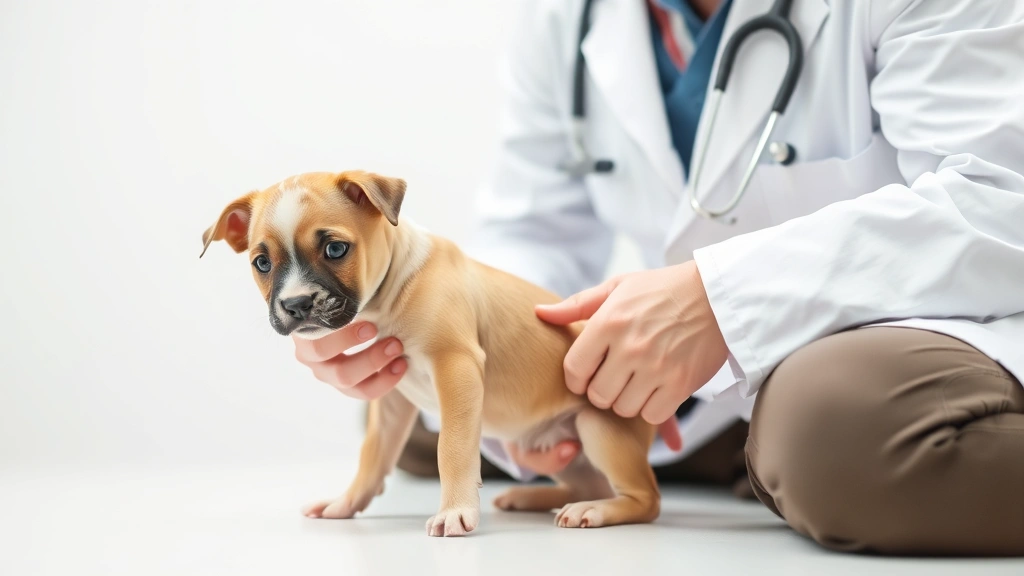
Start by asking your vet to assess the severity. This helps you understand whether you’re dealing with a minor issue or something that needs aggressive treatment. Your vet will examine your puppy’s gait, range of motion, and pain response to give you a clear picture.
2. “What Could Be Causing the Limping?”
Get your vet to walk through the possible causes based on your puppy’s age, breed, and activity level. Some breeds are prone to hip dysplasia or patellar luxation, while others might be more susceptible to ligament injuries. Understanding the likely culprits helps you make informed decisions about next steps.

3. “Do We Need X-rays or Other Diagnostics?”
Ask whether imaging or blood work is necessary to confirm a diagnosis. Sometimes a physical exam is enough, but other times X-rays or ultrasound can reveal problems that aren’t visible from the outside. Your vet can explain why they do or don’t recommend these tests.

4. “What’s the Treatment Plan?”
Get specifics about what recovery will look like. Will your puppy need rest, physical therapy, medication, or surgery? Understanding the full treatment timeline helps you prepare and set realistic expectations for your puppy’s recovery.
5. “Are There Activity Restrictions?”
Puppies love to play, but sometimes rest is the best medicine. Ask your vet exactly what activities are off-limits and for how long. This might include jumping, running, or playing with other dogs. Clear guidelines help you keep your puppy safe during healing.

6. “What Should I Watch For at Home?”
Ask your vet what warning signs would mean you need to come back sooner. Should you monitor for increased swelling, changes in appetite, or difficulty using the leg? Knowing what to watch for gives you confidence that you’re providing the best home care.
7. “When Should We Follow Up?”
Get a specific timeline for follow-up appointments or check-ins. Some conditions improve quickly, while others need ongoing monitoring. Knowing when to schedule your next visit keeps your puppy’s recovery on track.

Common Puppy Limping Causes Explained
Understanding what might be causing your puppy’s limp can help you have a more productive conversation with your vet. Here are the most common culprits:

- Growing Pains: Young puppies’ bones grow faster than their muscles and ligaments can keep up. This can cause temporary soreness, especially in large breed puppies.
- Paw Injuries: Sharp objects, splinters, or even small cuts between the toes can make puppies reluctant to put weight on a paw.
- Sprains and Strains: Overexertion during play or training can stretch muscles and ligaments, causing temporary limping.
- Hip Dysplasia: This hereditary condition is more common in larger breeds and may show up as limping in young puppies.
- Patellar Luxation: The kneecap may slip out of place temporarily, causing intermittent limping, especially in smaller breeds.
- Infection or Inflammation: Cuts, insect bites, or other injuries can become infected and cause limping.
How to Prepare for Your Vet Visit
Before your appointment, jot down some notes about your puppy’s limping. When did it start? Was there a specific incident that triggered it? Does the limping come and go, or is it constant? Does your puppy seem to be in pain, or just reluctant to use the leg?

Take a short video of your puppy walking or running if possible—this gives your vet a clear view of the gait and can be really helpful for diagnosis. Bring any relevant medical records, especially if your puppy was injured recently or has a family history of joint problems.

Telehealth as a First Step
If you’re unsure whether your pet needs urgent care, a quick telehealth check-in can give you peace of mind—no appointment needed. Talking to a vet online about your puppy’s symptoms is a convenient way to get initial guidance and figure out whether an in-person exam is necessary.
The Pet Vet’s telehealth service lets you describe your puppy’s limping to a licensed veterinarian from home. They can ask detailed questions and help you decide on next steps without the stress of a clinic visit—though many cases do benefit from hands-on examination.
Recovery and Prevention Tips
Once you’ve talked to your vet and have a treatment plan, here are some ways to support your puppy’s recovery:
- Enforce Rest: Keep your puppy’s activity level low during healing. Use a crate or small room to limit running and jumping.
- Manage Pain: Follow your vet’s guidance on any pain management options. A comfortable puppy heals faster.
- Monitor Progress: Keep track of improvements and any setbacks. This information is valuable for follow-up appointments.
- Avoid Re-injury: Once your puppy recovers, be mindful of their limits. Puppies don’t always know when to stop playing.
- Maintain Healthy Weight: Extra weight puts strain on developing joints. Discuss proper nutrition with your vet to keep your puppy at a healthy weight.
When Limping Signals Something Serious
While most cases of puppy limping resolve well with proper care, some conditions do require more intensive treatment. Ligament tears, bone fractures, severe infections, or progressive joint diseases may need surgery or long-term management.
The important thing is that you’re being proactive by seeking veterinary advice. Early intervention often prevents complications and sets your puppy up for a full recovery. Catching issues early puts you in a great position to help your puppy thrive.
Frequently Asked Questions
Can I Wait to Talk to My Vet About Puppy Limping?
If your puppy is putting some weight on the leg and seems comfortable, waiting a day or two for a routine appointment is usually fine. However, if the limping is severe, your puppy is in obvious pain, or the limping started after an accident, contact your vet right away.
Will My Puppy Need Surgery for Limping?
Not necessarily. Many cases of puppy limping resolve with rest, medication, or physical therapy. Your vet will determine whether surgery is needed based on the underlying cause and how your puppy responds to initial treatment.
How Long Does It Take for a Limping Puppy to Recover?
Recovery time depends on the cause. Minor sprains might improve in a few days, while more serious conditions could take weeks or months. Your vet will give you a more specific timeline based on your puppy’s diagnosis.
Can Limping in Puppies Be Prevented?
You can reduce the risk by preventing injuries, avoiding excessive jumping or running on hard surfaces, maintaining healthy weight, and choosing age-appropriate exercise. However, some conditions like hip dysplasia are genetic and can’t be fully prevented.
Is It Normal for Puppies to Limp Sometimes?
Occasional mild limping after rough play might be normal, but persistent limping or limping that gets worse is a sign that you should talk to your vet. It’s always better to get it checked out than to wait and risk complications.
What to Do Now
Here’s your action plan for addressing your puppy’s limping:
- Observe and Document: Note when the limping started, whether it’s constant or intermittent, and any other symptoms like swelling or reluctance to eat.
- Limit Activity: Keep your puppy calm and restrict jumping, running, and rough play until you’ve talked to your vet.
- Schedule a Vet Appointment: Call your veterinarian today or tomorrow to describe the limping and get an appointment. If symptoms are severe, ask about same-day or urgent care options.
- Consider a Telehealth Check-in: If you want guidance before your appointment, reach out to a vet online for a quick assessment and peace of mind.
- Prepare Your Questions: Use the 7 essential questions from this guide to get the most out of your vet visit and understand your puppy’s condition fully.
Summary
Watching your puppy limp is stressful, but the fact that you’re taking it seriously puts your puppy in good hands. When you talk to vet about puppy limping, you’re taking the first step toward diagnosis and recovery. Armed with the right questions and a clear understanding of what might be causing the problem, you’ll be able to work with your vet to get your puppy back to normal.
Remember, most cases of puppy limping are highly treatable, especially when caught early. Trust your instincts, don’t hesitate to reach out to your vet, and know that you’re doing everything right by seeking professional guidance. Your puppy is lucky to have such a caring owner.