
If you own a Bernese Mountain Dog, hip dysplasia is a word you’ve probably heard whispered by breeders, vets, or other owners. This gentle giant breed is genetically predisposed to this joint condition, and knowing what to look for can make a real difference in your dog’s comfort and mobility for years to come.
Table of Contents
- What Is Hip Dysplasia?
- Why Bernese Mountain Dogs Are Prone to This Condition
- Early Signs to Watch For
- How Veterinarians Diagnose Hip Dysplasia
- Treatment Options for Mild Cases
- When Surgery Might Be Necessary
- The Role of Weight Management
- Exercise Guidelines for Dogs With Hip Dysplasia
- Supporting Your Dog’s Joints at Home
- Nutrition and Joint Health
- Living With a Dog That Has Hip Dysplasia
- When to Call Your Veterinarian Right Away
- The Importance of Regular Vet Checkups
- Final Thoughts for Bernese Mountain Dog Owners
What Is Hip Dysplasia?
Hip dysplasia is a developmental condition where the hip joint doesn’t form correctly. In a healthy hip, the ball of the femur fits snugly into the socket of the pelvis, allowing smooth, pain-free movement. When dysplasia is present, that ball-and-socket fit is loose or malformed, causing the bones to grind, rub, or shift abnormally with every step.
Over time, this abnormal movement leads to wear and tear on the cartilage, inflammation, and eventually osteoarthritis. The condition can affect one or both hips, and severity varies widely from dog to dog. Some Bernese Mountain Dogs with mild dysplasia live fairly normal lives with minor management, while others develop significant pain and lameness that require more intensive treatment.
Why Bernese Mountain Dogs Are Prone to This Condition
Bernese Mountain Dogs are a large, heavy-boned breed, and their rapid growth during puppyhood puts extra stress on developing joints. Combined with a genetic predisposition passed down through certain bloodlines, this makes hip dysplasia one of the more frequently discussed health concerns within the breed.
Breed clubs and responsible breeders often screen breeding dogs for hip health before producing litters, which can reduce the likelihood of passing the condition to puppies. However, even with careful breeding, environmental factors like rapid weight gain, over-exercise as a puppy, or slippery flooring during the growth phase can contribute to how the joints develop.
Early Signs to Watch For
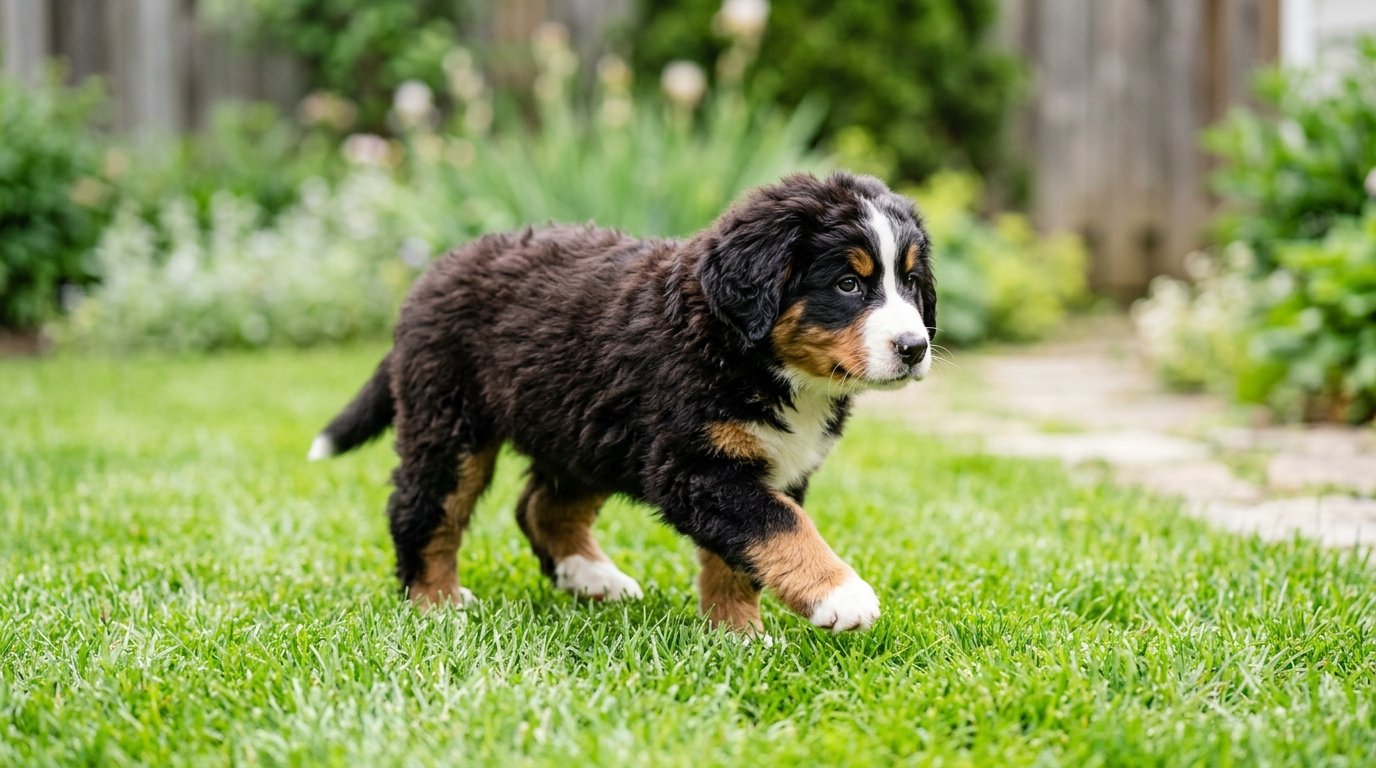
Hip dysplasia can show up as early as four months of age in some puppies, while other dogs don’t display symptoms until they’re older and arthritis has set in. Because Bernese Mountain Dogs are naturally calm and stoic, subtle signs of discomfort can be easy to miss at first.
Paying close attention to how your dog moves, especially after rest or exercise, can help you catch problems early. If something seems off, it’s always worth discussing with your veterinarian rather than waiting to see if it resolves on its own.
- Difficulty rising from lying down or sitting positions
- A noticeable ‘bunny hop’ gait when running
- Reluctance to climb stairs, jump into the car, or go on walks
- Swaying or looseness in the hips when walking
- Decreased muscle mass in the hind legs over time
- Stiffness that seems worse in the morning or after naps
How Veterinarians Diagnose Hip Dysplasia
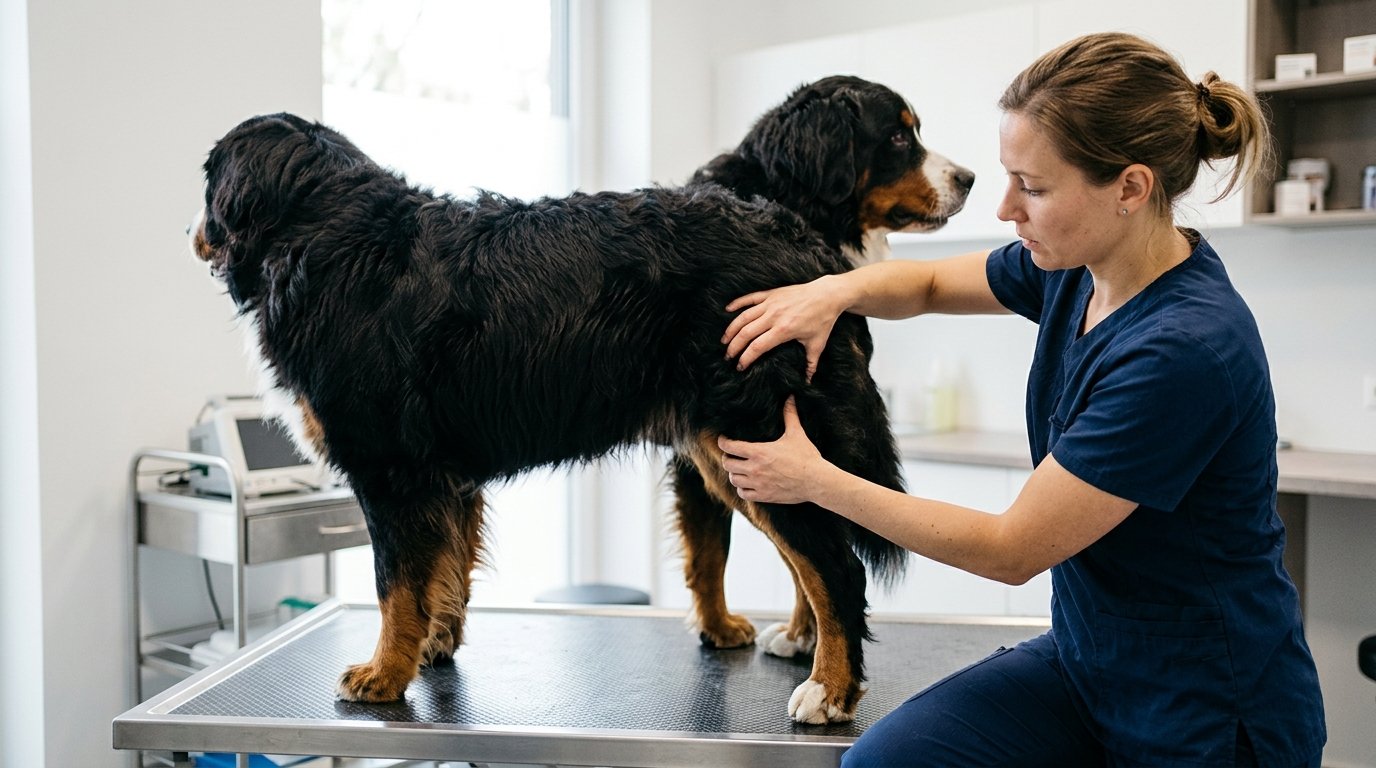
If you notice any signs of hip discomfort in your Bernese Mountain Dog, your veterinarian will start with a physical exam, checking range of motion, feeling for looseness in the joint, and watching your dog walk and move. They may also ask about your dog’s activity level, diet, and any changes you’ve noticed at home.
X-rays are typically the next step to confirm a diagnosis and assess the severity of the joint changes. In some cases, your vet may recommend sedation for the imaging to get clear, accurate pictures of the hip joints without discomfort or movement interfering with the results. Never attempt to diagnose this condition yourself based on symptoms alone—imaging is the only reliable way to know what’s happening inside the joint.
Treatment Options for Mild Cases
For Bernese Mountain Dogs with mild hip dysplasia, treatment often focuses on conservative management rather than surgery. The goal is to reduce stress on the joint, control inflammation, and maintain muscle strength to support the hips naturally.
Your veterinarian may recommend a combination of approaches tailored to your dog’s specific situation, age, and activity level. This is not something to manage with over-the-counter human medications, since many common pain relievers are dangerous for dogs. Always work directly with your vet to build a safe, effective plan.
- Weight management to reduce joint stress
- Controlled, low-impact exercise like leash walks or swimming
- Joint supplements recommended by your veterinarian
- Physical therapy or hydrotherapy sessions
- Prescription pain relief or anti-inflammatory medication as directed by your vet
When Surgery Might Be Necessary
In more severe cases, or when conservative treatment isn’t providing enough relief, your veterinarian may discuss surgical options. Several procedures exist depending on the dog’s age, size, and degree of joint damage, ranging from procedures aimed at reshaping the joint in younger dogs to full hip replacement in more advanced cases.
Surgery is a significant decision that involves recovery time, cost, and rehabilitation. Your vet or a veterinary orthopedic specialist can walk you through the risks, benefits, and expected outcomes based on your individual dog’s situation. This decision should always be made in partnership with a professional who has evaluated your dog directly.
The Role of Weight Management
Keeping your Bernese Mountain Dog at a healthy weight is one of the most powerful tools you have for managing hip dysplasia. Extra pounds place additional strain on already compromised joints, which can accelerate pain and cartilage breakdown.
Because Bernese Mountain Dogs are a large breed with a hearty appetite, weight creep can happen gradually without owners noticing. Regular weigh-ins and body condition checks, along with guidance from your vet on appropriate portion sizes, can help keep your dog’s frame supported rather than overloaded.
Exercise Guidelines for Dogs With Hip Dysplasia
Exercise is still important for dogs with hip dysplasia, but the type and intensity matter. High-impact activities like jumping, running on hard surfaces, or rough play can worsen joint damage, while gentle, consistent movement helps maintain muscle tone that supports the hip joint.
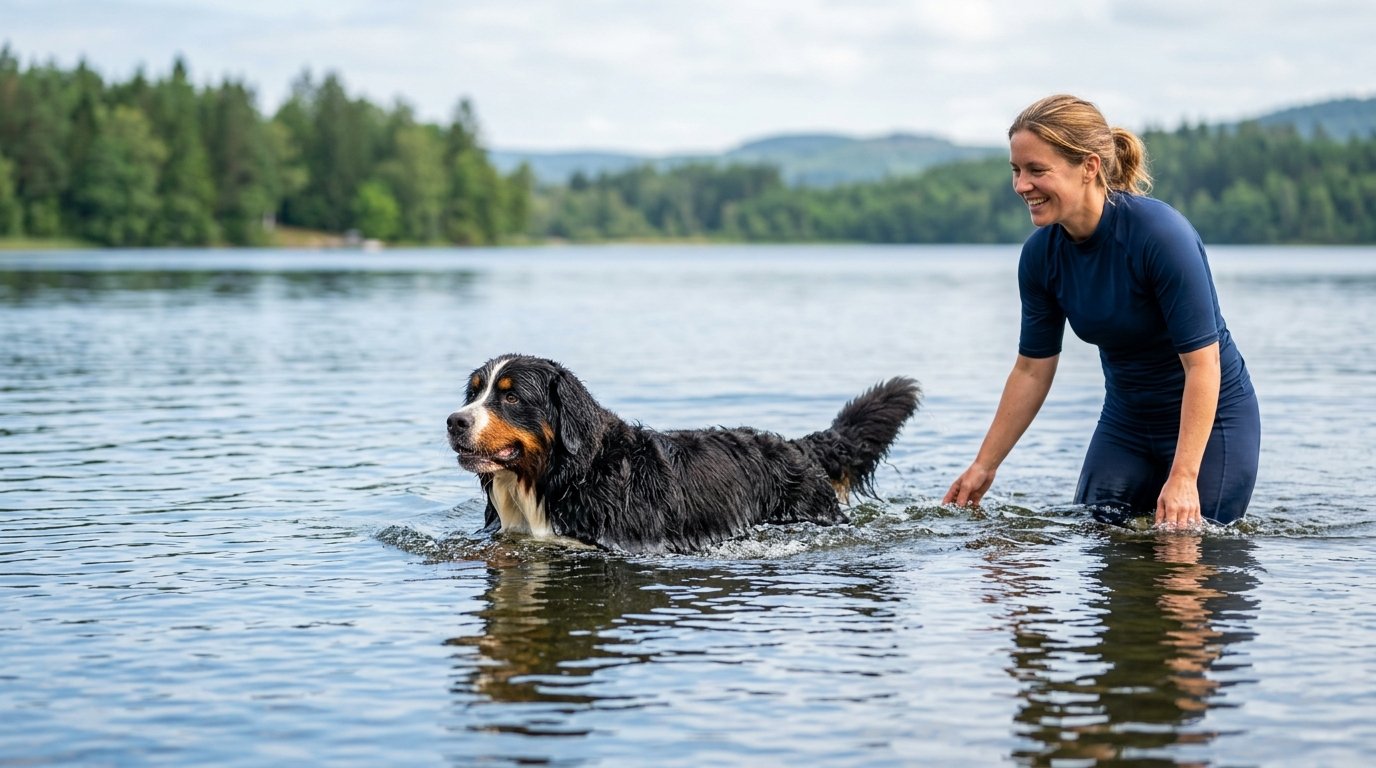
Swimming is often considered one of the best exercises for dogs with joint issues because it builds strength without putting weight on the hips. If your dog enjoys water, this can be a wonderful addition to their routine, but always ease into any new activity gradually and watch for signs of overexertion.
- Short, frequent walks rather than long, strenuous ones
- Swimming or hydrotherapy when available
- Avoiding jumping on and off furniture or vehicles
- Using ramps instead of stairs when possible
- Warming up before activity and cooling down afterward
Supporting Your Dog’s Joints at Home
Small changes around your home can make a big difference in your Bernese Mountain Dog’s daily comfort. Slippery floors are particularly hard on dogs with hip issues, since their legs can slide out from under them, causing strain or even injury.
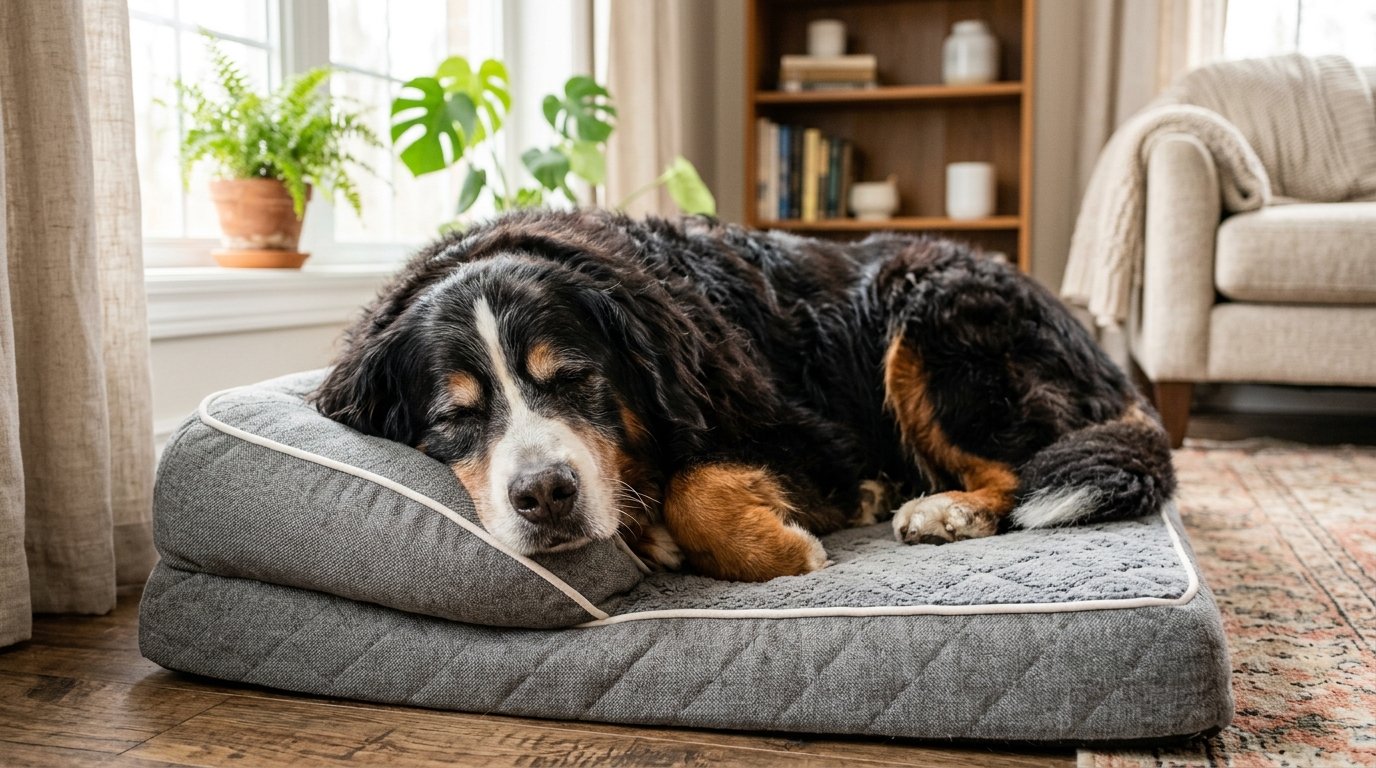
Consider adding rugs or non-slip mats in high-traffic areas, providing an orthopedic bed for extra cushioning, and setting up ramps for getting into the car or onto furniture if your dog is used to jumping. These adjustments won’t cure hip dysplasia, but they can meaningfully reduce daily discomfort and the risk of further injury.
Nutrition and Joint Health
Diet plays a supporting role in joint health, particularly during a Bernese Mountain Dog’s growth phase as a puppy. Large-breed puppy formulas are specifically designed to support slower, steadier growth, which can reduce stress on developing joints compared to standard puppy food.
For adult dogs already dealing with hip dysplasia, your veterinarian may recommend a diet formulated to support joint health or suggest specific supplements. Always check with your vet before adding any new supplement, as some can interact with medications or aren’t appropriate for every dog.
Living With a Dog That Has Hip Dysplasia
A diagnosis of hip dysplasia doesn’t mean your Bernese Mountain Dog can’t live a full, happy life. Many dogs with this condition adapt well to management strategies and continue to enjoy walks, playtime, and companionship for years.
The key is consistency and close communication with your veterinary team. Regular checkups allow your vet to monitor how the condition is progressing and adjust the treatment plan as needed, whether that means increasing pain management, modifying exercise, or revisiting the conversation about surgery.
When to Call Your Veterinarian Right Away
While hip dysplasia is typically a gradual, chronic condition, there are situations that warrant urgent attention. Sudden, severe lameness, an inability to bear weight on a leg at all, or visible distress should be treated as an emergency rather than something to monitor at home.
If your dog suddenly cries out, refuses to move, or seems to be in acute pain, contact your veterinarian or an emergency animal hospital right away rather than waiting for a routine appointment. Prompt evaluation can rule out other injuries and ensure your dog gets relief as quickly as possible.
- Sudden inability to walk or stand
- Visible swelling or heat around the hip joint
- Crying out or whimpering when touched near the hips
- Complete refusal to bear weight on a back leg
The Importance of Regular Vet Checkups
Because Bernese Mountain Dogs are predisposed to hip dysplasia, routine veterinary checkups become even more important throughout their lives. Your vet can monitor subtle changes in gait, muscle tone, and comfort level that might be hard to notice day to day.
Bringing up any concerns early, even small ones, gives your veterinarian the chance to intervene before the condition progresses significantly. Don’t wait for obvious lameness to schedule an appointment if something about your dog’s movement seems different from their normal pattern.
Final Thoughts for Bernese Mountain Dog Owners
Hip dysplasia is a common concern for Bernese Mountain Dogs, but it doesn’t have to define your dog’s quality of life. With early detection, thoughtful management, and a strong partnership with your veterinarian, many dogs continue to enjoy active, comfortable lives despite this condition.
If you have any concerns about your Bernese Mountain Dog’s hips, gait, or activity level, don’t hesitate to reach out to your veterinarian. They’re your best resource for an accurate diagnosis and a treatment plan tailored specifically to your dog’s needs.
This article is for general education and is not a substitute for care from your own veterinarian. Learn about The Pet Vet and our editorial policy.