
Glycogen Storage Disease Type IV in Norwegian Forest Cats is a rare but serious inherited condition that every owner and prospective adopter of this breed should understand. It affects how a cat’s body stores and uses energy, and it can shape a kitten’s health from a very young age. This guide walks you through what the disease is, how it shows up, and what steps you can take if you’re worried about your own cat.
Table of Contents
- What Is Glycogen Storage Disease Type IV?
- Why Norwegian Forest Cats Are at Risk
- How GSD IV Affects a Cat’s Body
- Early Signs to Watch For
- Signs in Kittens vs Adult Cats
- How Vets Diagnose GSD IV
- Genetic Testing and What It Means
- Is There a Cure?
- Managing Symptoms and Supportive Care
- What to Expect Long-Term
- Talking to a Responsible Breeder
- Should You Test Your Cat?
- Living With a Cat Diagnosed With GSD IV
- Emotional Support for Owners
- When to Call the Vet Immediately
- Final Thoughts
What Is Glycogen Storage Disease Type IV?
Glycogen Storage Disease Type IV, often shortened to GSD IV, is an inherited metabolic disorder. It happens because of a change in a specific gene that the cat’s body needs to properly process and store glycogen, which is the form of sugar that muscles and organs rely on for energy. When this process doesn’t work correctly, abnormal glycogen builds up in tissues like the heart, muscles, and nervous system instead of being used normally.
This condition is not something a cat catches or develops because of poor care. It is present from birth because the cat inherited a faulty copy of the gene from both parents. Because it’s a recessive condition, a cat can carry a single copy of the altered gene without ever showing symptoms, which is part of why this disease can quietly persist in a breed’s population for generations before it’s recognized.
Why Norwegian Forest Cats Are at Risk
Norwegian Forest Cats are one of the breeds in which this particular genetic mutation has been identified. Because the breed developed from a relatively limited founding population in Scandinavia before becoming popular worldwide, certain inherited traits, including this one, have had the chance to spread more widely than they might in a breed with more genetic diversity.
It’s important to understand that not every Norwegian Forest Cat carries this mutation, and having the breed does not guarantee a cat will be affected. However, because the condition exists within this specific gene pool, responsible breeders and owners of this breed are encouraged to be more aware of it than owners of unrelated breeds might need to be.
How GSD IV Affects a Cat’s Body
The abnormal glycogen buildup associated with this disease tends to affect tissues that depend heavily on steady energy supply, particularly the heart and skeletal muscles. Over time, this buildup can interfere with normal muscle function and place strain on the heart, which is why affected kittens often show physical signs relatively early in life rather than developing them gradually over years.
Because the disease affects multiple systems at once, its impact can look different from one kitten to another. Some may show more muscle-related symptoms, while others may have signs that point more toward cardiac involvement. This variability is one of the reasons the condition can be difficult to recognize without veterinary involvement, since early signs can resemble ordinary kitten clumsiness or a slow start.
Early Signs to Watch For
Kittens affected by this condition often appear normal at birth but begin showing signs within the first weeks to months of life. Because these early signs can be subtle, it helps to know what patterns are worth paying attention to, especially in a Norwegian Forest Cat kitten from a line where the mutation has not been ruled out through testing.
Signs can vary in severity, but many owners first notice something is different when a kitten seems to tire more easily than its littermates or struggles with normal kitten activities like climbing or playing.
- Muscle weakness or trembling, especially after activity
- Reluctance to jump or climb compared to littermates
- Unusual posture or difficulty holding the head up
- Slower growth or smaller body size than littermates
- Episodes of weakness that seem to come and go
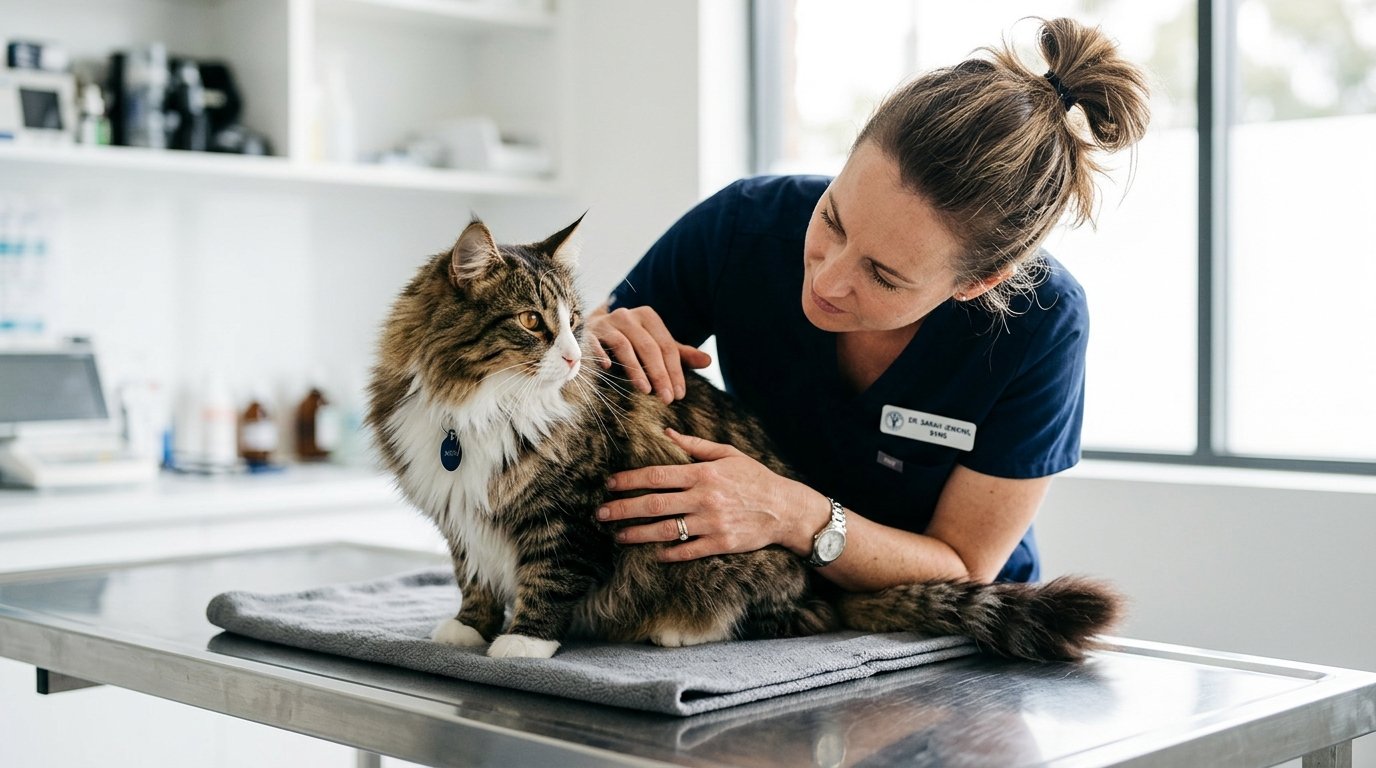
Signs in Kittens vs Adult Cats
Most documented cases of this disease involve kittens rather than adult cats, because the effects on the body tend to become apparent early in life. Some affected kittens face significant health challenges very young, which is why this condition is often discussed in the context of neonatal and early kitten health rather than adult-onset illness.
That said, presentation can vary, and not every affected cat follows the same timeline. If you have an adult Norwegian Forest Cat and notice new or worsening muscle weakness, exercise intolerance, or signs of heart trouble, this should never be dismissed as simply aging, and a veterinary evaluation is the only way to understand what’s actually happening.
How Vets Diagnose GSD IV
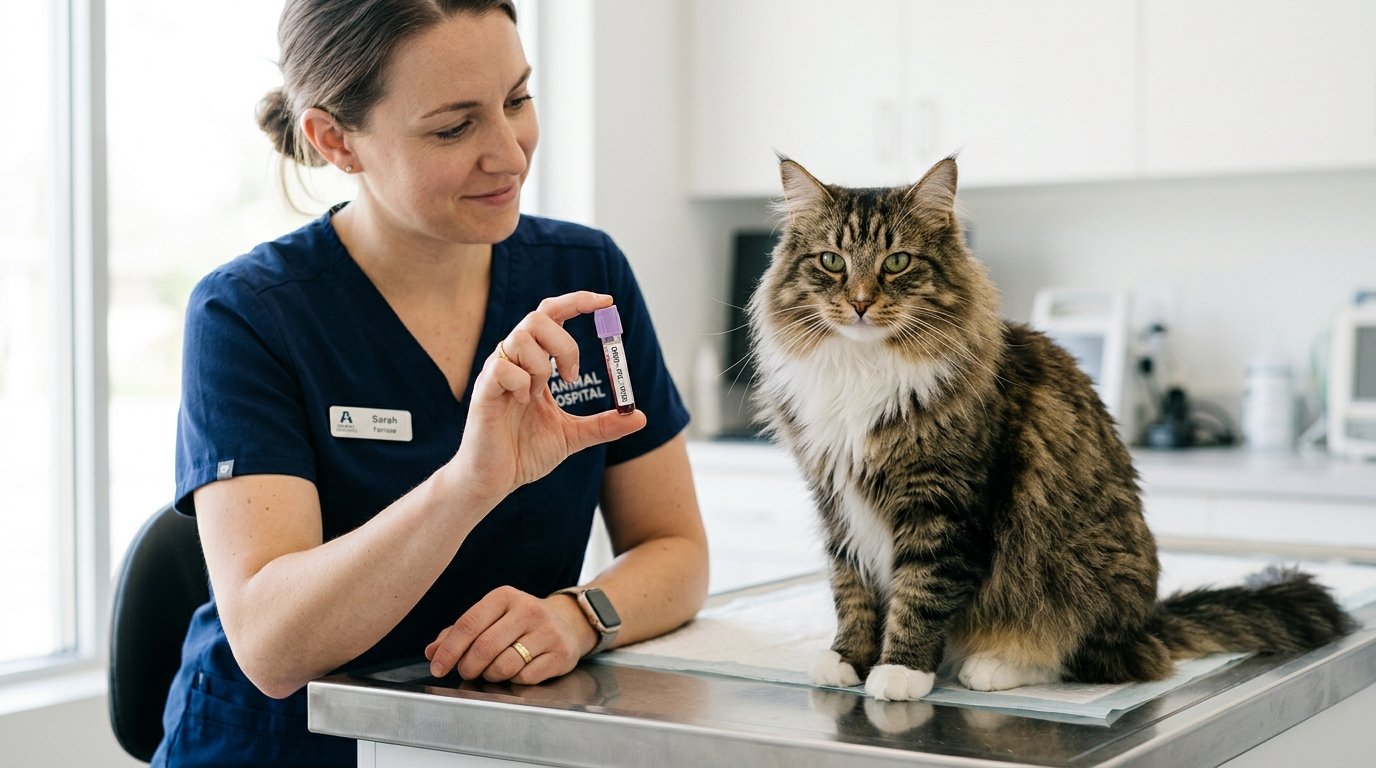
If your veterinarian suspects a metabolic condition like this one, diagnosis usually involves a combination of a physical exam, a detailed history of your kitten’s development, and specific diagnostic testing. Bloodwork can sometimes show patterns that raise suspicion, and additional tests may be recommended to look more closely at muscle and heart function.
Genetic testing is the most definitive way to confirm whether a cat carries the mutation associated with this disease. This is typically done through a simple cheek swab or blood sample sent to a specialized laboratory. Your vet can guide you on where to send a sample and how to interpret the results, since a positive result for one copy of the gene versus two copies means very different things for your cat’s health outlook.
Genetic Testing and What It Means
Genetic testing results generally fall into three categories: clear, carrier, or affected. A clear cat has no copies of the mutated gene and cannot pass the condition on. A carrier has one copy and typically will not show symptoms but can pass the gene to kittens if bred to another carrier or affected cat. An affected cat has two copies of the mutation and is the one at risk of developing clinical signs.
Understanding these categories matters most if you’re involved in breeding or if you’re trying to understand your own cat’s future health risks. Even if your cat is simply a beloved pet with no breeding plans, knowing their genetic status can help your vet anticipate potential health concerns and monitor more closely for early signs.
Is There a Cure?
At this time, there is no cure for Glycogen Storage Disease Type IV. This is a genetic condition built into the cat’s cellular biology, and treatment focuses on managing symptoms and supporting quality of life rather than reversing the underlying metabolic problem.
This can be difficult news to hear, but it doesn’t mean nothing can be done. Many metabolic and genetic conditions in cats are managed successfully for a period of time with the right supportive care, close veterinary monitoring, and adjustments made as the cat’s needs change. Every case is different, and only your veterinarian can give you a realistic picture based on your specific cat’s condition and severity.
Managing Symptoms and Supportive Care
Because there’s no way to correct the underlying metabolic issue, care for an affected cat centers on making daily life as comfortable as possible. This might include modifying the home environment to reduce strain on weak muscles, adjusting activity levels, and monitoring closely for signs of heart involvement.
Your veterinarian may recommend regular check-ups to track heart function and muscle strength over time, along with supportive measures tailored to your cat’s specific symptoms. Never attempt to manage this condition on your own or adjust any treatment plan without direct veterinary guidance, since the right approach depends heavily on how the disease is affecting your individual cat.
- Provide low-effort access to food, water, and litter boxes
- Avoid encouraging jumping onto high furniture
- Keep a log of symptoms to share with your vet at each visit
- Follow your vet’s recommended schedule for cardiac monitoring
- Ask your vet before introducing any new supplements or diet changes
What to Expect Long-Term
The long-term outlook for a cat with this condition depends heavily on how severely the disease is affecting the heart and muscles, and this can vary quite a bit from one cat to another. Some kittens face serious challenges early on, while others may have a milder presentation that allows for a longer stretch of manageable quality of life.
Because outcomes vary so much, it’s important to lean on your veterinarian for honest, personalized guidance rather than searching for a single expected timeline online. Regular monitoring allows your vet to catch changes early and adjust supportive care as needed, which can make a meaningful difference in your cat’s day-to-day comfort.
Talking to a Responsible Breeder
If you’re planning to bring home a Norwegian Forest Cat kitten, it’s worth asking the breeder directly whether the parent cats have been genetically tested for this condition. A responsible, reputable breeder should be open about testing practices and willing to share documentation showing the genetic status of the kittens’ parents.
Asking these questions isn’t about being distrustful, it’s a normal and expected part of bringing home a cat from a breed with a known inherited condition. A breeder who takes health testing seriously is generally a good sign of overall responsible breeding practices, not just related to this one disease.
Should You Test Your Cat?
If you already own a Norwegian Forest Cat and are unsure of its genetic background, testing can offer peace of mind either way. A clear result means you don’t need to worry about this specific condition, while a carrier or affected result gives you and your vet useful information for future health planning.
Testing is a personal decision, and there’s no pressure to do it if your cat is healthy and you have no breeding plans. However, if you’ve noticed any symptoms that concern you, or if you simply want more clarity about your cat’s health history, bring it up with your veterinarian so they can advise on whether testing makes sense for your situation.
Living With a Cat Diagnosed With GSD IV
A diagnosis like this can feel overwhelming, but many owners find that once they understand what to expect, daily life settles into a manageable routine built around their cat’s specific needs. Small adjustments around the home, consistent veterinary follow-up, and paying close attention to changes in energy or behavior all go a long way.
It also helps to connect with your veterinary team as partners in this process. They can help you set realistic expectations, recognize warning signs early, and make thoughtful decisions about your cat’s care as circumstances change over time.
Emotional Support for Owners
Caring for a cat with a serious inherited condition can be emotionally difficult, especially if you’re managing a kitten who is still very young. It’s normal to feel worried, sad, or uncertain about what’s ahead, and these feelings don’t mean you’re doing anything wrong.
Some owners find it helpful to talk with their veterinarian about what to realistically expect, so they can prepare emotionally rather than being caught off guard by changes. Leaning on trusted friends, family, or even online communities of owners managing similar conditions can also make the experience feel less isolating.
When to Call the Vet Immediately
Certain signs in a cat with known or suspected GSD IV should never wait for a routine appointment. If you notice sudden collapse, extreme difficulty breathing, a dramatic change in energy level, or any sign that your cat is in acute distress, this warrants urgent veterinary attention right away.
Trust your instincts as an owner. You know your cat’s normal behavior better than anyone, and if something feels seriously wrong, it’s always better to have your vet evaluate your cat promptly rather than waiting to see if things improve on their own.
- Sudden collapse or inability to stand
- Severe difficulty breathing or open-mouth breathing
- Extreme lethargy or unresponsiveness
- Rapid or irregular heartbeat that you can feel or notice
- Any sudden, dramatic change from your cat’s normal behavior
Final Thoughts
Glycogen Storage Disease Type IV is a serious condition, but knowledge is genuinely one of the most powerful tools you have as a Norwegian Forest Cat owner. Understanding the signs, knowing when testing might be useful, and staying closely connected with your veterinary team can make a real difference in how this condition is managed.
If you have any concerns about your cat’s health, whether related to this specific condition or anything else, don’t hesitate to schedule a visit with your veterinarian. They are your best resource for accurate diagnosis, personalized guidance, and ongoing support as you navigate what’s best for your individual cat.
This article is for general education and is not a substitute for care from your own veterinarian. Learn about The Pet Vet and our editorial policy.