
Exocrine Pancreatic Insufficiency in German Shepherds is one of the more common inherited digestive disorders seen in this breed, and it can leave an otherwise healthy-looking dog unable to properly absorb nutrients from food. If your German Shepherd has been losing weight despite a hearty appetite, or has chronic loose, greasy stools, this condition deserves a closer look. Here is what every owner needs to know.
Table of Contents
- What Is Exocrine Pancreatic Insufficiency?
- Why German Shepherds Are Prone to EPI
- Early Signs to Watch For
- How EPI Affects Digestion Over Time
- Diagnosing EPI: What Your Vet Will Do
- Blood and Stool Tests Explained
- Treatment Options: Enzyme Replacement
- Dietary Adjustments That Help
- Managing Vitamin B12 Deficiency
- Living With a Dog With EPI Day to Day
- Potential Complications If Left Untreated
- Monitoring Your Dog’s Progress
- Cost and Long-Term Commitment
- When to Call Your Vet Immediately
- Supporting Your German Shepherd’s Quality of Life
- Final Thoughts
What Is Exocrine Pancreatic Insufficiency?
Exocrine Pancreatic Insufficiency, often shortened to EPI, happens when the pancreas stops producing enough digestive enzymes to break down fats, proteins, and carbohydrates. Without these enzymes, food passes through the digestive tract largely undigested, meaning your dog can eat a full, balanced diet and still be malnourished.
This is different from diabetes, which involves the pancreas’s hormone-producing cells. EPI specifically affects the exocrine tissue responsible for enzyme production. Over time, the pancreas in an affected dog gradually loses most of its functional tissue, and the digestive consequences become impossible to ignore.
Why German Shepherds Are Prone to EPI
German Shepherds are one of the breeds most frequently affected by EPI, and researchers believe there is a hereditary component involving a condition called pancreatic acinar atrophy. In this process, the enzyme-producing cells of the pancreas shrink and stop functioning long before old age would typically explain such a decline.
This does not mean every German Shepherd will develop EPI, but it does mean owners of this breed should be more alert to the early warning signs than owners of breeds with a lower predisposition. Knowing your dog’s breed-specific risks is one of the most useful tools you have for catching health problems early.
Early Signs to Watch For
EPI symptoms tend to develop gradually, which is part of why the condition is sometimes missed in its early stages. Many owners initially assume their dog simply has a sensitive stomach or a picky appetite, when in fact something more serious is developing beneath the surface.
Watching for a cluster of symptoms rather than a single sign is the best way to catch this condition early. If you notice several of the following together, it is worth mentioning to your vet.
- Chronic weight loss despite a normal or increased appetite
- Large volumes of pale, greasy, or foul-smelling stool
- Frequent gas or rumbling stomach sounds
- A dull, thinning coat despite regular grooming
- Occasional vomiting or eating unusual, non-food items
How EPI Affects Digestion Over Time
As enzyme production drops, fats in particular become very difficult for your dog’s body to break down and absorb. This leads to a condition called steatorrhea, where excess fat passes directly into the stool, giving it that greasy, pale appearance many owners describe.
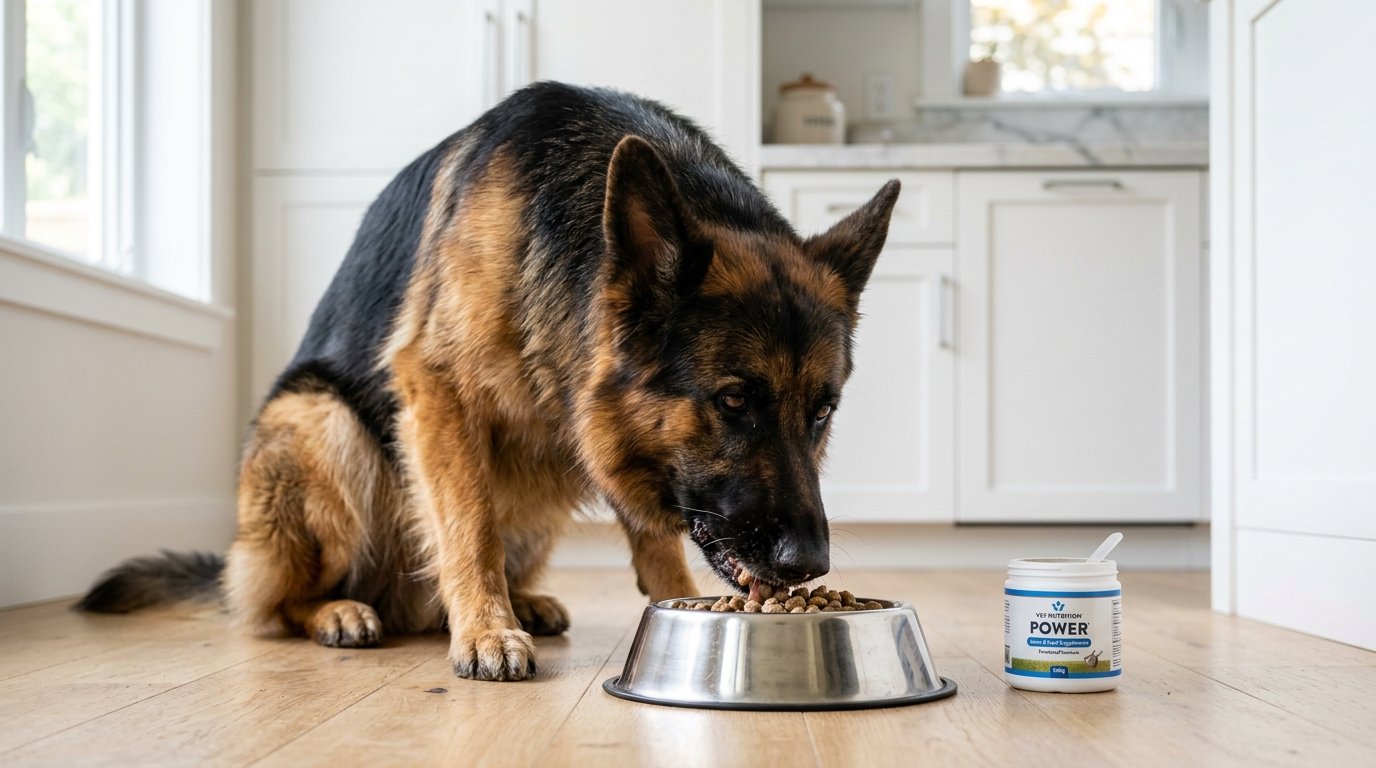
Beyond the visible digestive symptoms, the deeper problem is nutritional. Your dog may be eating plenty of calories but still not absorbing the protein, fat-soluble vitamins, and other nutrients needed to maintain muscle mass, a healthy coat, and normal energy levels. This is why dogs with untreated EPI often look thin and unwell even when their food bowl is always empty.
Diagnosing EPI: What Your Vet Will Do
If your vet suspects EPI, they will start with a full physical exam and a detailed history of your dog’s appetite, stool consistency, and weight changes. Because several other conditions can cause similar symptoms, ruling out intestinal parasites, food intolerances, and inflammatory bowel disease is often part of the process.
The good news is that EPI has a specific, reliable blood test available, which means your vet does not have to guess. Diagnosis is usually straightforward once EPI is on the list of possibilities, but getting to that point requires an experienced eye and a willingness to look past a first assumption of a simple stomach upset.
Blood and Stool Tests Explained
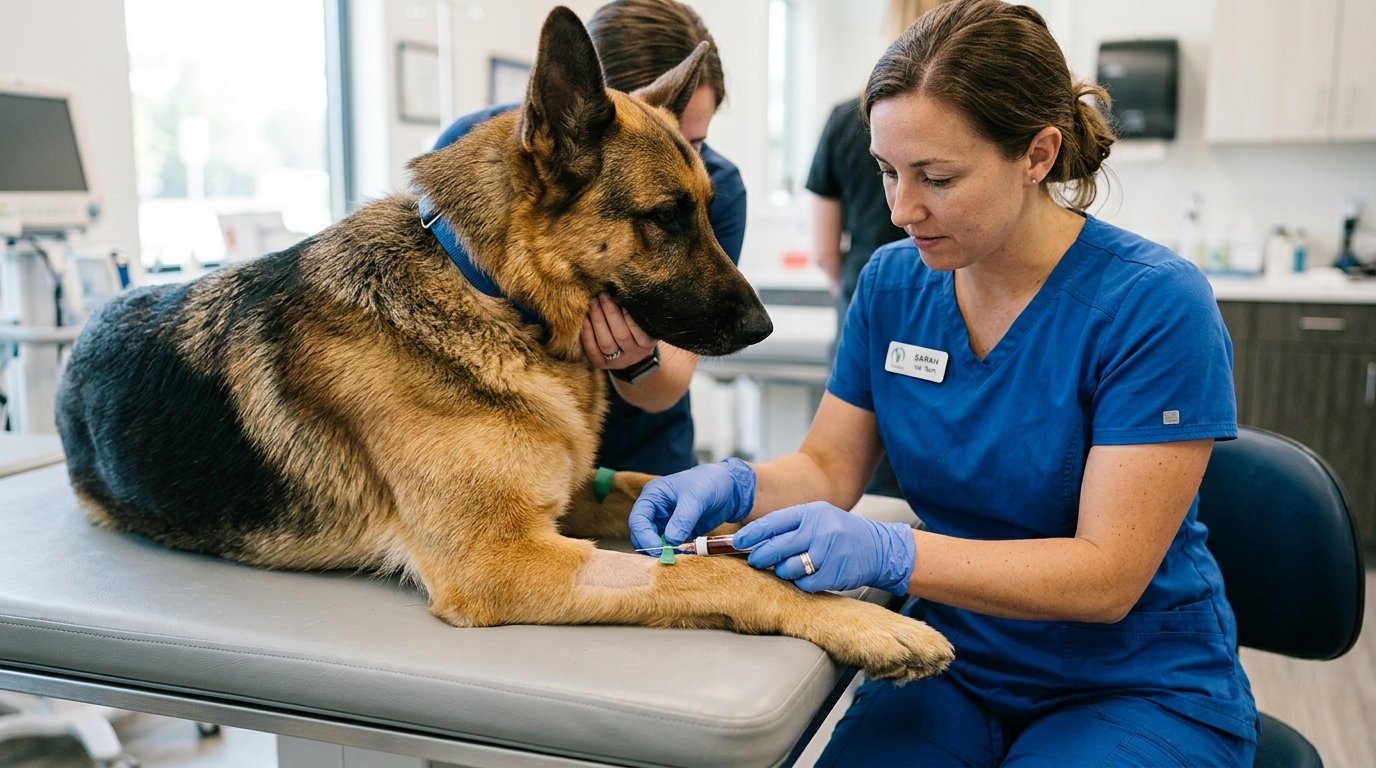
The primary diagnostic tool is a blood test called the trypsin-like immunoreactivity test, or TLI, which measures the level of a specific pancreatic enzyme precursor in the bloodstream. Dogs with EPI typically show levels far below the normal range, giving a clear diagnostic picture.
Your vet may also recommend additional bloodwork to check vitamin B12 and folate levels, since both are commonly affected in dogs with EPI. Fecal tests can help rule out parasites or infections that might be contributing to or mimicking the symptoms, giving your vet a fuller picture before starting treatment.
Treatment Options: Enzyme Replacement
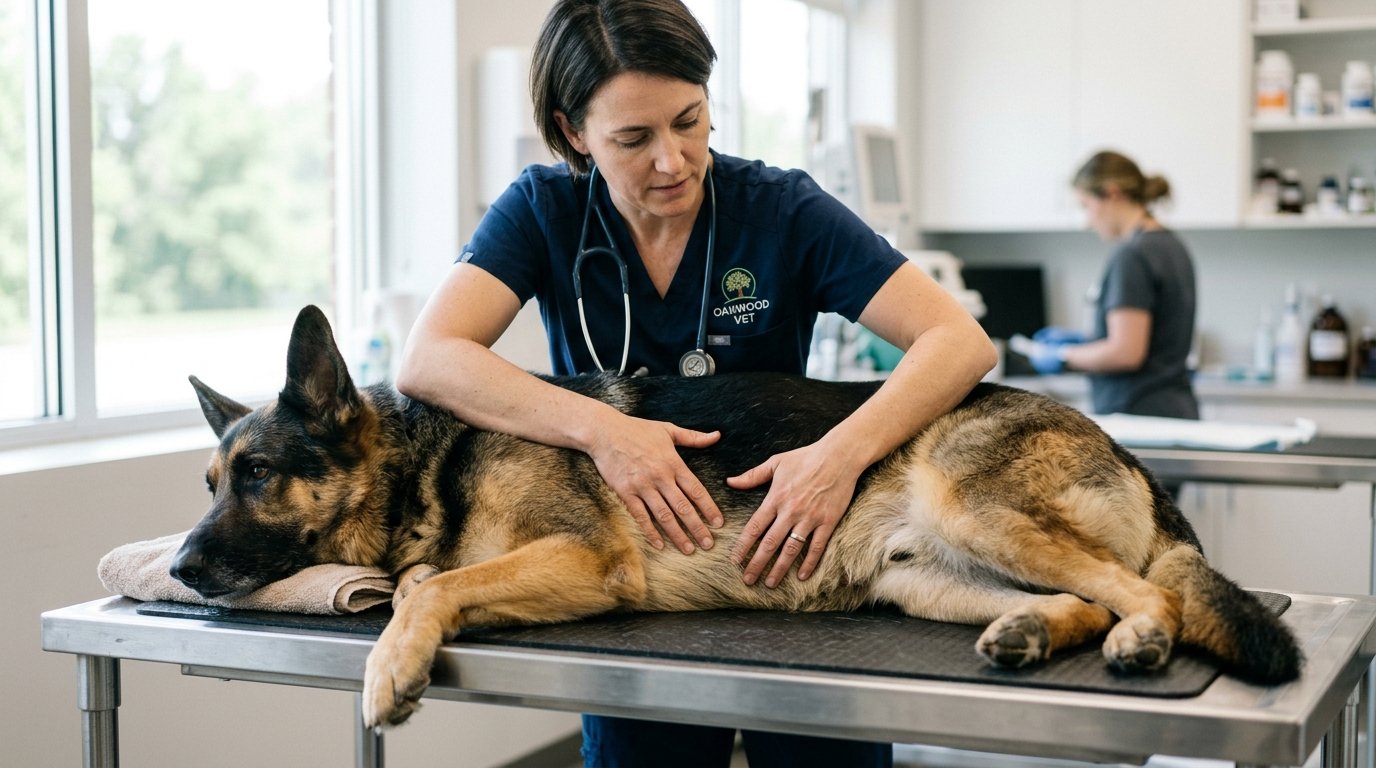
The cornerstone of EPI treatment is enzyme replacement therapy, where a powdered or supplemented form of pancreatic enzymes is added to your dog’s food at every meal. This essentially does the job the pancreas can no longer do, allowing your dog to properly digest and absorb nutrients again.
Your vet will help determine the right enzyme product and how to introduce it, since every dog responds a little differently and adjustments are often needed in the first few weeks. Never attempt to source or dose enzyme supplements without veterinary guidance, as getting this wrong can affect how well your dog responds to treatment.
Dietary Adjustments That Help
Alongside enzyme therapy, many dogs with EPI do better on a diet that is easier to digest, often lower in fiber and moderate in fat, at least initially. Some dogs benefit from smaller, more frequent meals rather than one or two large ones, which can ease the burden on their digestive system.
Because every dog’s response to diet changes is different, this is another area where your vet’s guidance matters. What works well for one German Shepherd with EPI may not suit another, and adjustments are often made gradually while monitoring stool quality and weight.
- Smaller, more frequent meals throughout the day
- A highly digestible commercial diet recommended by your vet
- Consistent feeding times to help enzymes work effectively
- Avoiding sudden diet changes that could upset digestion further
Managing Vitamin B12 Deficiency
Many dogs with EPI also develop a deficiency in vitamin B12, known as cobalamin, because the changes in their digestive tract interfere with its absorption. Low B12 levels can make it harder for a dog to respond fully to enzyme therapy, even when the dose seems otherwise appropriate.
If bloodwork shows low cobalamin, your vet may recommend supplementation, often given by injection initially. Correcting this deficiency is an important piece of the puzzle, and dogs frequently show improved energy and appetite once their B12 levels are back in a healthy range.
Living With a Dog With EPI Day to Day
Once treatment is underway, most dogs with EPI can lead full, active lives. The condition requires lifelong management rather than a cure, but many owners find that once they settle into a routine of adding enzymes at mealtime, it becomes a normal part of daily life rather than a burden.
Consistency is key. Dogs tend to do best when meals, enzyme dosing, and feeding schedules stay predictable. Traveling, boarding, or having other family members feed your dog means making sure everyone understands the routine, since missing enzyme supplementation even for a day or two can bring symptoms back.
Potential Complications If Left Untreated
Without treatment, EPI can lead to severe malnutrition, muscle wasting, and a weakened immune system, leaving your dog vulnerable to secondary infections and other health problems. Chronic digestive upset also takes a toll on quality of life, leaving dogs uncomfortable and low in energy.
Some dogs with long-standing, untreated EPI also develop small intestinal bacterial overgrowth, which can complicate treatment and cause additional digestive symptoms. This is one more reason why early diagnosis and consistent treatment matter so much for long-term outcomes.
Monitoring Your Dog’s Progress
Once treatment begins, your vet will likely want to recheck your dog’s weight, stool quality, and bloodwork periodically to make sure the current plan is working well. Improvement is often visible within a few weeks, with firmer stools, a returning appetite for normal activity, and gradual weight gain.
Keeping a simple log of your dog’s stool consistency, weight, and energy levels can be genuinely helpful during this period. Bringing this information to follow-up appointments gives your vet a clearer picture of how treatment is progressing and whether any adjustments are needed.
- Track stool consistency and frequency weekly
- Weigh your dog regularly and note any changes
- Record appetite and energy levels
- Note any missed enzyme doses and how your dog reacted
Cost and Long-Term Commitment
Managing EPI is a long-term financial and time commitment, since enzyme supplements are needed at every meal for the rest of your dog’s life. Costs can vary depending on the size of your dog and the specific enzyme product your vet recommends, so it is worth discussing budget-friendly options during your appointment.
Many owners find that once the condition stabilizes, the routine becomes manageable and the improvement in their dog’s health and happiness makes the ongoing effort worthwhile. Planning ahead for these costs, including regular vet visits and bloodwork, helps avoid surprises down the road.
When to Call Your Vet Immediately
Certain symptoms warrant urgent veterinary attention rather than a routine appointment, particularly in a dog already diagnosed with EPI or showing signs that could indicate the condition. Sudden collapse, repeated vomiting, severe lethargy, or an inability to keep any food down should never be managed at home.
If your German Shepherd’s symptoms suddenly worsen despite consistent treatment, or if you notice signs of dehydration such as sunken eyes or tacky gums, contact your vet or an emergency animal hospital right away. Quick action can prevent a manageable condition from becoming a genuine emergency.
Supporting Your German Shepherd’s Quality of Life
Beyond medical treatment, small comforts can make a real difference for a dog managing EPI. Keeping stress low around mealtimes, maintaining a calm and predictable routine, and giving your dog plenty of positive attention all support overall wellbeing during treatment.
Regular, gentle exercise appropriate to your dog’s energy level can also help maintain muscle tone as their nutrition improves. Every dog’s journey with EPI looks a little different, and working closely with your vet over time is the best way to fine-tune a plan that keeps your German Shepherd thriving.
Final Thoughts
Exocrine Pancreatic Insufficiency in German Shepherds can feel overwhelming at first, especially when you are watching your dog lose weight despite eating well. The reassuring news is that with a proper diagnosis and consistent treatment, most dogs respond very well and go on to live full, comfortable lives.
If you suspect your German Shepherd may be showing signs of EPI, do not wait to see if things improve on their own. Schedule a visit with your vet, describe the symptoms you have noticed in detail, and ask about the diagnostic testing available. Early diagnosis genuinely does make ongoing management easier for both you and your dog.
This article is for general education and is not a substitute for care from your own veterinarian. Learn about The Pet Vet and our editorial policy.