
Dog vaccination reactions can be alarming, especially the first time you notice your normally energetic Shiba Inu acting sluggish after a routine visit. Most reactions are mild and pass within a day, but a small number can turn serious quickly. Knowing what to expect, what counts as normal, and when a reaction crosses into emergency territory can make all the difference for your dog’s comfort and safety.
Table of Contents
- Why Vaccines Sometimes Cause a Reaction
- Common Mild Reactions You Might See
- Vaccine Site Lumps and When They Are a Concern
- Moderate Reactions That Deserve a Phone Call
- Severe Reactions: Recognizing Anaphylaxis
- How Soon Reactions Typically Appear
- Puppies, Adult Dogs, and Senior Dogs
- Does Breed or Size Make a Difference
- What to Do Right After You Notice a Reaction
- When a Reaction Is a True Emergency
- How Vets Help Prevent Reactions
- Preparing for Future Vaccine Appointments
- Behavioral Changes to Watch For After Vaccination
- Keeping a Record of Your Dog’s Reactions
- Working With Your Vet for Safer Vaccinations
Why Vaccines Sometimes Cause a Reaction
Vaccines work by introducing a small, controlled piece of a virus or bacteria so your dog’s immune system learns to recognize and fight it later. That process naturally triggers inflammation, which is actually a sign the vaccine is doing its job. In most dogs, this immune response is quiet and barely noticeable, but in some it produces visible symptoms for a day or two.
Reactions are not a sign that something went wrong during the appointment, and they do not mean your dog has a weak immune system. Genetics, breed, size, age, and even how many vaccines were given at once can all influence whether a dog reacts. Small and toy breeds tend to show reactions a bit more often than large dogs simply because they receive the same vaccine dose in a smaller body.
Common Mild Reactions You Might See
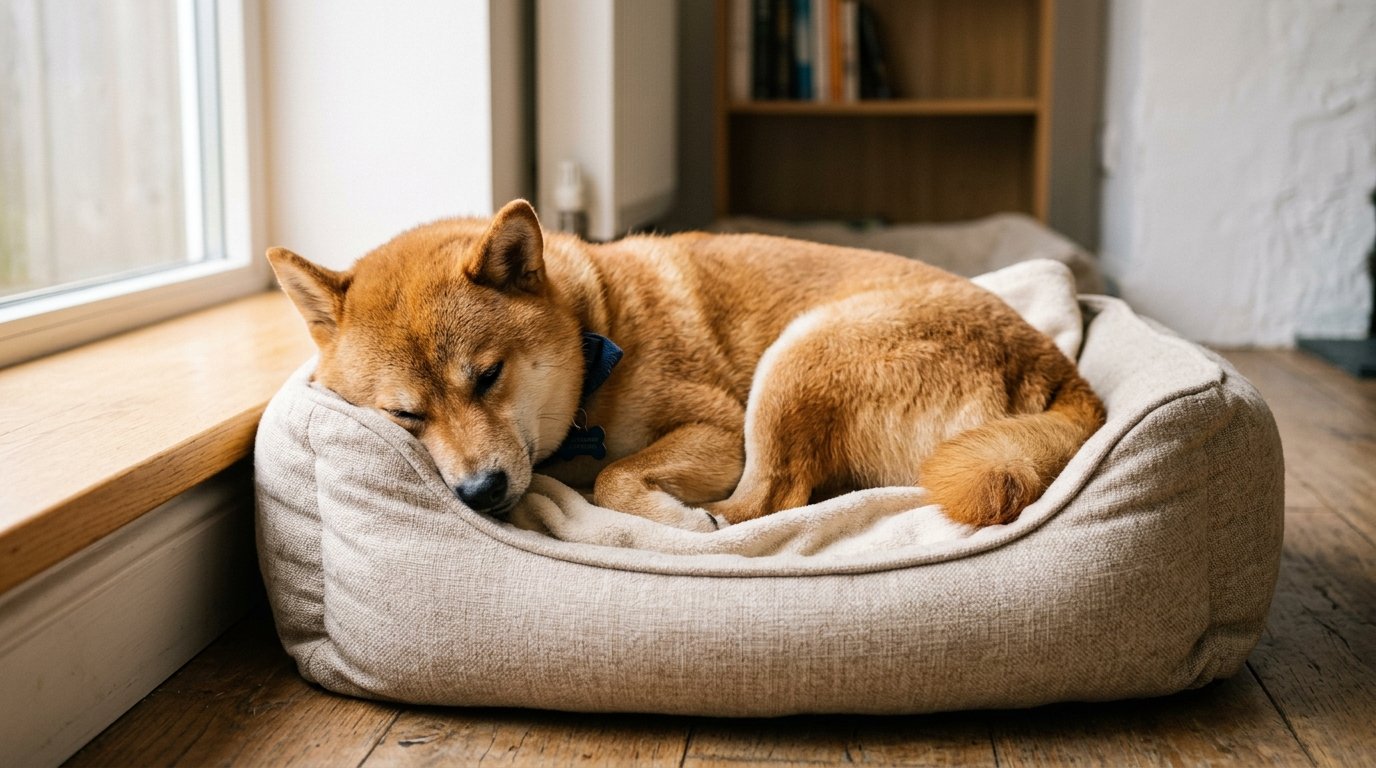
The most frequent reactions after a vaccine appointment are minor and resolve on their own. You might notice your dog seems tired, a little less interested in food, or generally quieter than usual for the rest of the day. This is your dog’s body directing energy toward building immunity rather than play or exercise.
A sore or slightly swollen spot at the injection site is also common and usually feels like a small, soft lump under the skin. This tenderness typically fades within a few days without any treatment. None of these mild signs usually require a trip back to the vet, but you should still keep an eye on your dog to make sure symptoms are improving rather than getting worse.
- Mild tiredness or low energy for 24 to 48 hours
- Slight loss of appetite for a day
- Small, soft swelling at the injection site
- Mild soreness when the area is touched
- Low-grade warmth in the body without other symptoms
Vaccine Site Lumps and When They Are a Concern
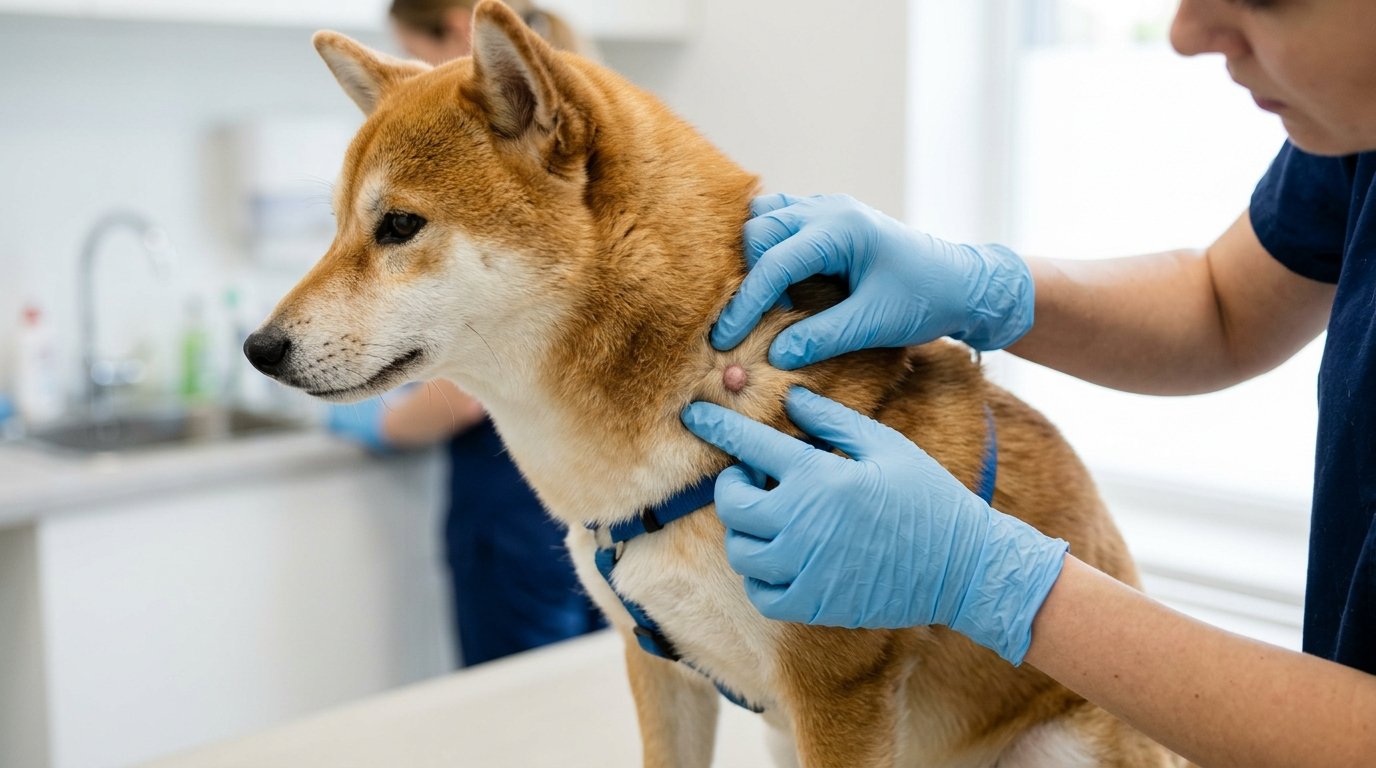
A small, movable lump at the injection site is common and usually shrinks over one to three weeks. Vets expect this and it is generally nothing to worry about as long as it stays soft, does not grow larger, and is not painful to the touch.
However, a lump that keeps growing after a month, becomes hard, or seems to bother your dog when touched should be checked out. Your vet can examine it and decide whether it simply needs more time or whether further evaluation is warranted. Never attempt to drain or treat a vaccine site lump at home.
Moderate Reactions That Deserve a Phone Call
Some dogs experience reactions that are more noticeable than mild tiredness but still fall short of an emergency. Facial swelling, especially around the muzzle or eyes, hives across the body, or persistent vomiting within a few hours of the appointment fall into this category. These signs suggest a stronger immune response is happening.
If you see any of these symptoms, call your veterinary clinic right away rather than waiting to see if things improve. Many clinics will ask you to bring your dog back in for an antihistamine or other supportive treatment, and having this handled early usually prevents things from getting worse.
- Swelling around the face, muzzle, or eyes
- Hives or raised bumps across the skin
- Vomiting or diarrhea within a few hours of the shot
- Persistent scratching at the face or body
- Restlessness that does not settle down
Severe Reactions: Recognizing Anaphylaxis
Anaphylaxis is rare but is a true emergency. It usually develops within minutes to an hour after vaccination and involves the whole body rather than just the injection site. Dogs experiencing this type of reaction can go into shock quickly, so recognizing the signs matters.
If your dog collapses, has trouble breathing, has pale or bluish gums, or seems to lose consciousness after a vaccine, this is a life-threatening emergency. Go to the nearest emergency veterinary clinic immediately or call ahead so the team can be ready when you arrive.
- Sudden collapse or extreme weakness
- Difficulty breathing or rapid, labored breaths
- Pale, gray, or bluish gums
- Severe vomiting or diarrhea
- Sudden, dramatic swelling of the face or throat
How Soon Reactions Typically Appear
Most reactions show up within the first few hours after a vaccine appointment, which is why many vets recommend staying nearby or keeping your dog under close watch for the rest of the day. Anaphylactic reactions tend to happen fastest, often within 20 to 60 minutes, while milder reactions like fatigue or soreness can take several hours to become noticeable.
Delayed reactions are less common but do happen. A vaccine site lump, for example, might not become obvious until a day or two later. Because of this range, it is worth checking on your dog periodically for at least 24 to 48 hours after any vaccination, even if the appointment seemed to go smoothly.
Puppies, Adult Dogs, and Senior Dogs
Puppies often receive a series of vaccines close together as their immune systems are still developing, which can make mild reactions a bit more likely simply because of how frequently they are being vaccinated. Fortunately, puppies also tend to bounce back quickly, and most mild reactions resolve within a day.
Adult dogs on a regular booster schedule usually tolerate vaccines well, especially if they have had the same vaccines before without issue. Senior dogs can sometimes react a little more noticeably due to age-related changes in their immune system or underlying health conditions, so it is worth mentioning your dog’s age and health history to your vet before each appointment.
Does Breed or Size Make a Difference
Smaller breeds, including dogs like Shiba Inus, sometimes show mild reactions more often than larger breeds. This is not because anything is wrong with the breed itself, but because the same vaccine dose is given regardless of body weight, meaning smaller dogs receive a relatively larger amount per pound.
This does not mean small dogs should skip vaccines, since the diseases they protect against are often far more dangerous than a mild reaction. Instead, it simply means owners of smaller breeds should be a little more attentive in the hours after an appointment and mention any past reactions to their vet before future visits.
What to Do Right After You Notice a Reaction
If your dog shows mild signs like tiredness or a sore injection site, the best thing you can usually do is offer a quiet space to rest, fresh water, and their regular food in slightly smaller amounts if their appetite is reduced. Avoid strenuous exercise or long walks for the rest of the day so their body can focus on recovering.
For anything beyond mild symptoms, such as facial swelling, hives, or repeated vomiting, contact your veterinary clinic before doing anything else. They know your dog’s history and the specific vaccines given, and they can tell you whether you need to come in right away or simply monitor at home.
When a Reaction Is a True Emergency
Certain symptoms should never wait for a callback or a next-day appointment. Difficulty breathing, collapse, pale or blue gums, and sudden severe swelling of the face or throat all point to a reaction that is progressing quickly and needs immediate attention.
In these situations, head straight to the nearest open veterinary clinic or emergency animal hospital. Call ahead if you can so the staff can prepare, and try to stay calm during the drive, since your dog can pick up on your stress. Never attempt to treat a severe reaction with medications from your own medicine cabinet.
How Vets Help Prevent Reactions
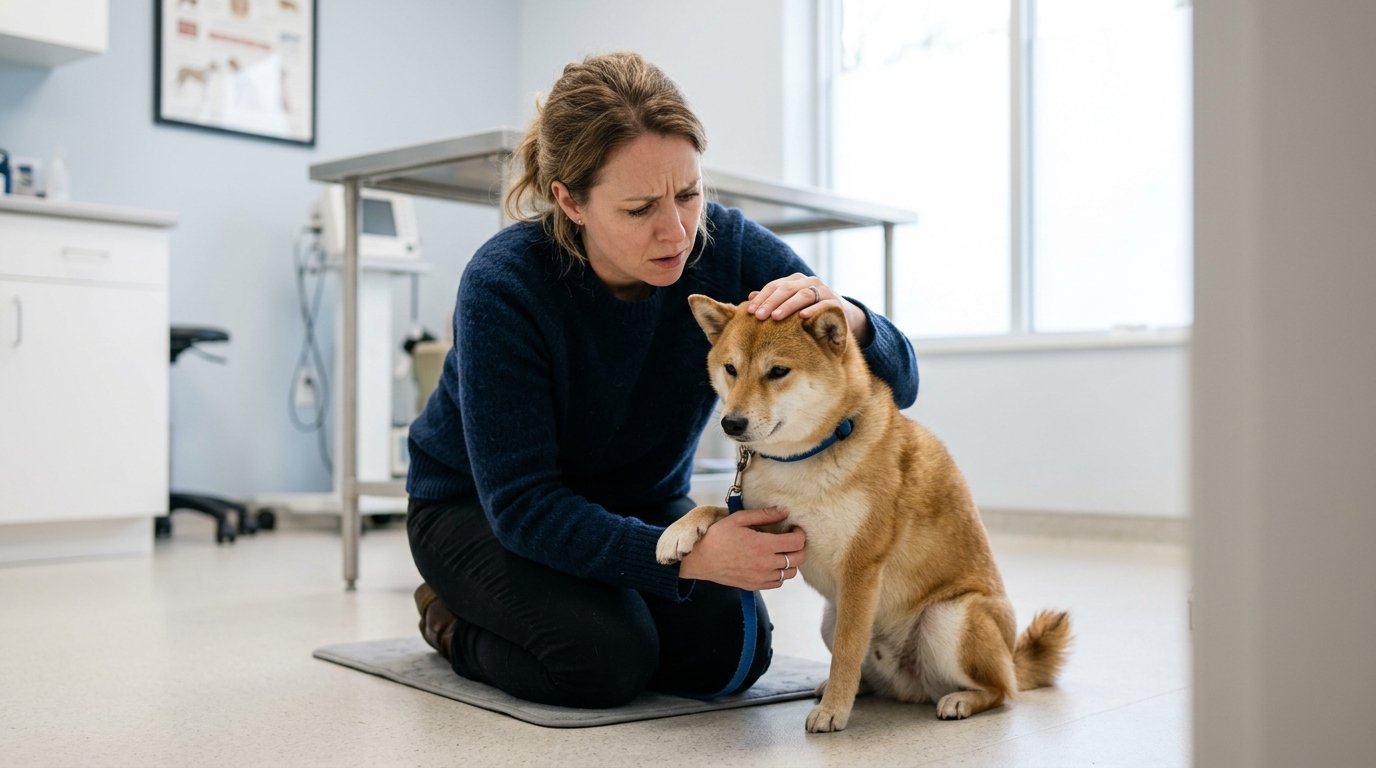
Veterinarians take several steps to reduce the chances of a reaction, including reviewing your dog’s vaccination history and any past reactions before choosing which vaccines to give and when. If your dog has reacted before, your vet may space out vaccines over multiple visits instead of giving them all at once.
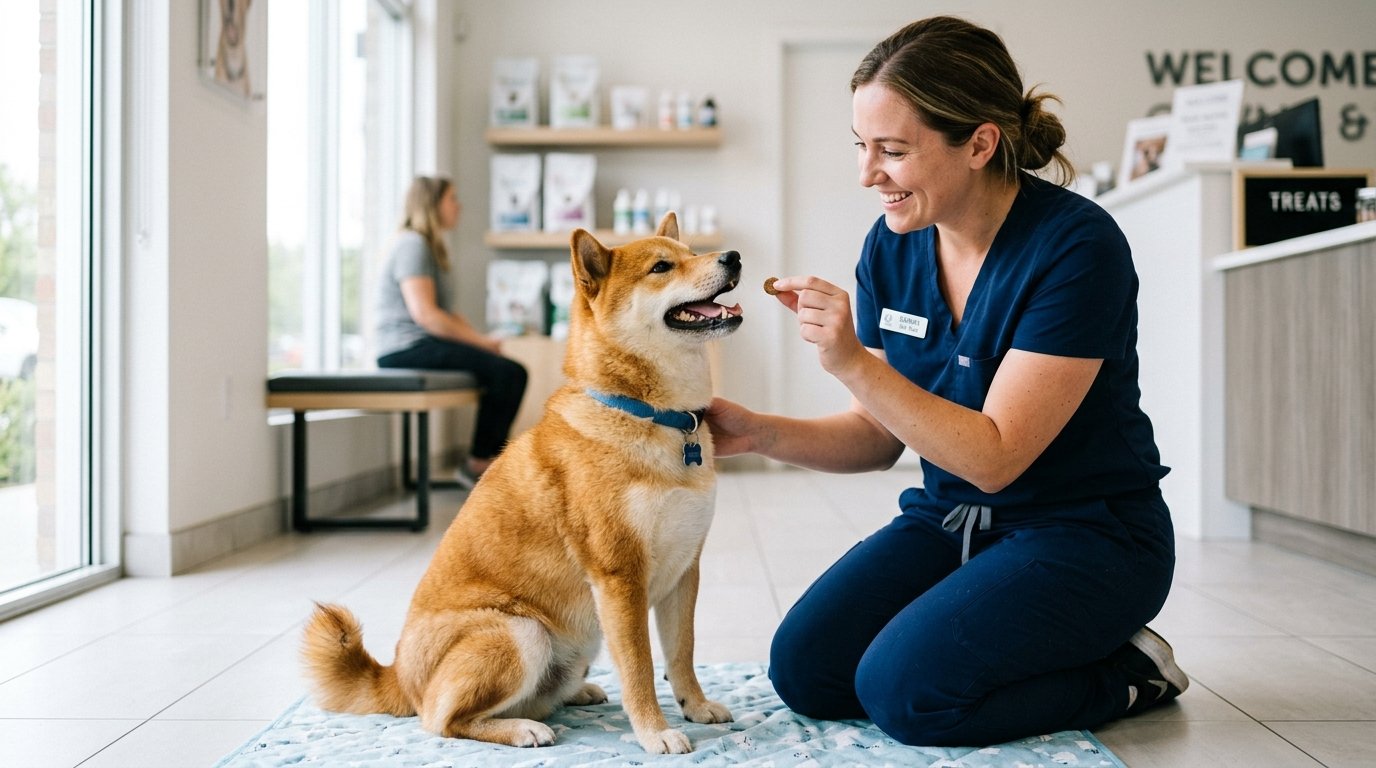
Many clinics also recommend staying in the waiting area or nearby for a short observation period after vaccination, particularly for puppies receiving their first doses or dogs with a known history of sensitivity. This allows staff to step in quickly if an immediate reaction occurs.
- Reviewing full vaccine history before each visit
- Spacing out vaccines for dogs with prior reactions
- Recommending a short observation period after the shot
- Choosing vaccine brands or protocols suited to sensitive dogs
- Documenting any reaction clearly in your dog’s chart
Preparing for Future Vaccine Appointments
If your dog has had a reaction before, tell your vet at the start of the next appointment rather than after the vaccines are already given. This allows them to plan ahead, whether that means giving vaccines one at a time, choosing a different time of day, or having supportive treatment ready just in case.
It also helps to schedule vaccine appointments earlier in the day when possible, rather than right before the clinic closes. This gives you more hours to watch for a reaction while your regular vet is still reachable, rather than facing a reaction late in the evening with only emergency options available.
Behavioral Changes to Watch For After Vaccination
Beyond physical symptoms, some dogs seem a little clingier, more withdrawn, or unusually quiet for a day after vaccination. This is generally tied to the same mild immune response that causes tiredness and typically resolves as your dog feels better.
If unusual behavior lasts more than two or three days, or if it is paired with other symptoms like poor appetite or discomfort, it is worth a call to your vet. While it may still turn out to be nothing serious, ruling out other causes gives you peace of mind.
Keeping a Record of Your Dog’s Reactions
Keeping a simple written record of which vaccines your dog received and any symptoms that followed can be extremely useful over your dog’s lifetime. This record helps your vet spot patterns, such as a specific vaccine brand or combination that tends to cause more noticeable symptoms in your particular dog.
You do not need anything elaborate for this. A note in your phone or a small section in a pet health notebook listing the date, vaccine given, and any symptoms noticed is enough. Bring this information to future appointments so your vet has the full picture when planning your dog’s next vaccines.
- Date of the appointment and vaccines given
- Any symptoms noticed and how long they lasted
- How your dog responded to any treatment given
- Notes on your dog’s energy and appetite that day
- Questions to ask at the next visit
Working With Your Vet for Safer Vaccinations
Vaccines remain one of the most effective tools for protecting your dog from serious, often preventable diseases, and the vast majority of dogs tolerate them without any lasting issues. Understanding the difference between a normal mild reaction and a true emergency helps you respond calmly and appropriately rather than panicking over something minor or dismissing something serious.
Your veterinarian is your best partner in this process. Share your dog’s full history, ask questions before appointments, and never hesitate to call if something feels off after a vaccine. With good communication and a bit of attentiveness in the hours after each visit, you can keep your dog both protected and comfortable.
This article is for general education and is not a substitute for care from your own veterinarian. Learn about The Pet Vet and our editorial policy.