
Bloat in dogs is one of the scariest emergencies a pet owner can face, because it can go from mild discomfort to life-threatening in a matter of hours. If your dog’s belly suddenly looks swollen or they’re pacing and retching without bringing anything up, you need to know what’s happening and how quickly you must act. This guide walks you through the signs, causes, and what to do if you suspect it.
Table of Contents
- What Is Bloat (GDV) in Dogs?
- Why Bloat Is a Life-Threatening Emergency
- Early Warning Signs to Watch For
- Signs That Mean You Need Emergency Care Immediately
- What Causes Bloat in Dogs?
- Which Dogs Are Most at Risk?
- How Vets Diagnose Bloat
- Treatment Options: Stabilization and Surgery
- What Happens During Recovery
- Can Bloat Be Prevented?
- Feeding Habits That May Help Reduce Risk
- The Role of Prophylactic Gastropexy
- What to Do While You’re on the Way to the Vet
- Living with a Dog After Bloat Surgery
- When to Call Your Vet vs. When to Go to the ER
- Final Thoughts: Trust Your Instincts
What Is Bloat (GDV) in Dogs?
Bloat, medically known as gastric dilatation-volvulus (GDV), happens when a dog’s stomach fills with gas, food, or fluid and expands rapidly. In many cases, the stomach doesn’t just swell, it actually twists on itself, cutting off blood flow to the stomach and often the spleen as well. This twisting is what makes bloat so dangerous, because once blood supply is compromised, tissue can begin to die within a short window of time.
The condition tends to come on suddenly, often in dogs who seemed completely fine just hours earlier. Because the stomach expansion puts pressure on major blood vessels and organs, a dog with GDV can go into shock quickly. This is not a wait-and-see situation, and understanding the basics now can help you react faster if it ever happens to your own dog.
Why Bloat Is a Life-Threatening Emergency
What makes bloat so serious is the speed at which it progresses. A swollen, twisted stomach restricts blood return to the heart, which can cause the dog’s blood pressure to drop dangerously low. At the same time, the stomach tissue itself can start to die from lack of oxygen, and toxins can build up in the bloodstream.
Without immediate veterinary treatment, bloat is often fatal. Even with treatment, the outcome depends heavily on how quickly the dog gets to an emergency clinic. This is a condition where minutes genuinely matter, and there is no home remedy or waiting period that makes sense to try before seeking care.
Early Warning Signs to Watch For
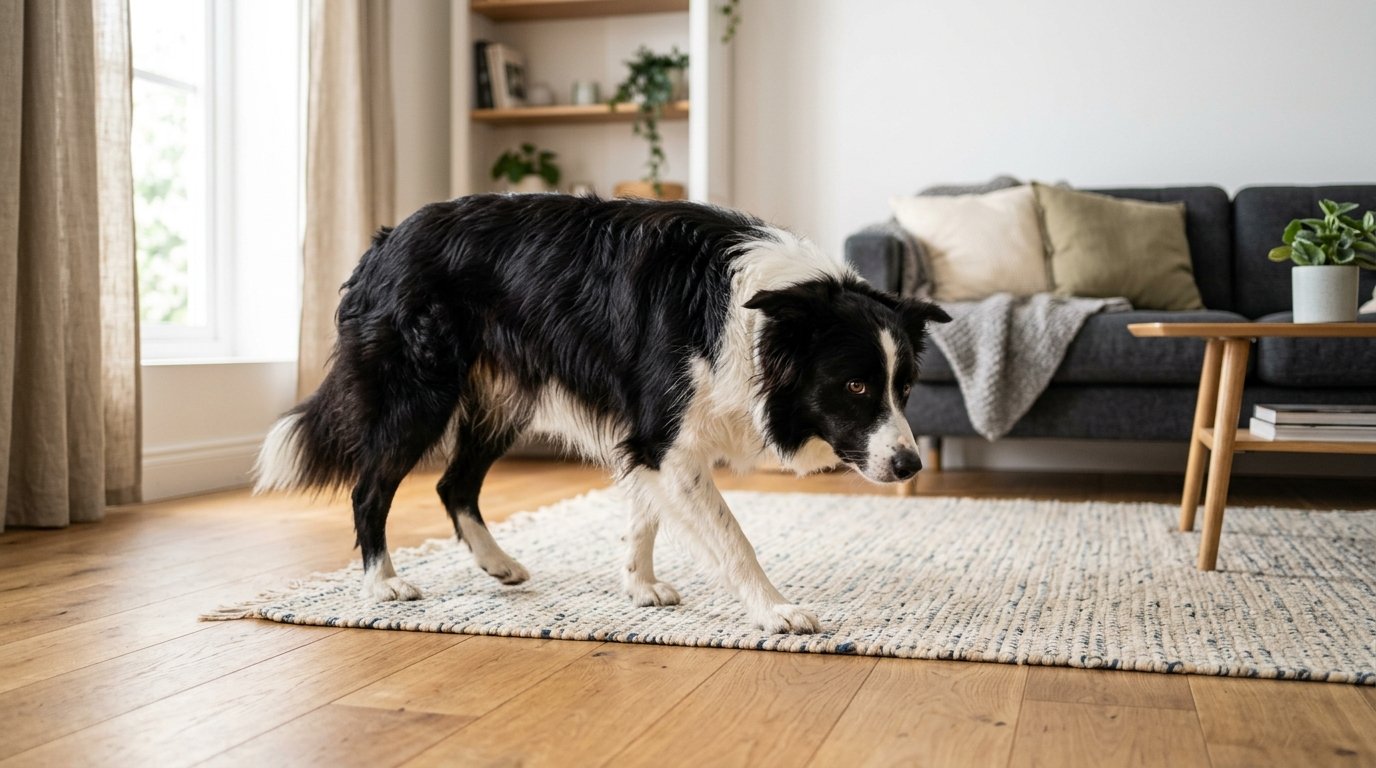
The tricky part about bloat is that the earliest signs can look like ordinary stomach upset. Your dog might seem restless, uncomfortable, or unable to get settled. They may pace around the room, look at their belly, or try to lie down and then immediately get back up.
Catching these early signs matters because the sooner you get to a vet, the better the chances of a good outcome. Never assume mild restlessness after a meal is nothing to worry about, especially in breeds known to be at higher risk.
- Pacing, restlessness, or an inability to get comfortable
- Repeated attempts to vomit with little or nothing coming up
- A visibly swollen or tight-looking abdomen
- Drooling more than usual
- Whining or showing signs of abdominal discomfort
Signs That Mean You Need Emergency Care Immediately
Some symptoms move past ‘watch and see’ territory and straight into ‘go to the emergency vet now.’ If your dog’s abdomen looks distended and hard to the touch, or if they collapse or seem too weak to stand, this is a true emergency. Pale or gray gums, a rapid heart rate, or labored breathing are all signs that shock may already be setting in.
If you see any combination of these signs, do not wait to see if they improve. Call your emergency vet on the way so the team can prepare for your arrival, and get your dog there as quickly and safely as possible.
- Hard, swollen belly that appears larger by the minute
- Collapse or inability to stand
- Pale, gray, or bluish gums
- Rapid, shallow breathing
- Weak pulse or apparent disorientation
What Causes Bloat in Dogs?
The exact cause of bloat isn’t fully understood, but veterinarians believe a combination of factors contributes to it. Eating large meals quickly, gulping air while eating or drinking, and vigorous exercise right after eating are all thought to play a role. Anatomy matters too, since dogs with deep, narrow chests seem to have more room for the stomach to twist.
Stress and anxiety may also be contributing factors in some dogs, though research in this area is ongoing. Because there isn’t one single trigger, it’s hard to predict exactly when bloat might happen, which is part of why owners are encouraged to know the signs rather than rely on avoiding one specific cause.
Which Dogs Are Most at Risk?
While any dog can technically develop bloat, it’s seen more often in large and giant breeds with deep chests, such as Great Danes, Standard Poodles, and German Shepherds. Age can also play a role, with older dogs generally at somewhat higher risk than younger ones. Even active, athletic breeds like the Border Collie aren’t immune, so it’s worth knowing the signs regardless of your dog’s size or build.
Family history may matter as well, since dogs with a close relative who has experienced bloat may have a higher likelihood of it happening to them too. If you’re not sure whether your dog’s breed or build puts them at elevated risk, ask your vet during a regular wellness visit so you can plan accordingly.
How Vets Diagnose Bloat
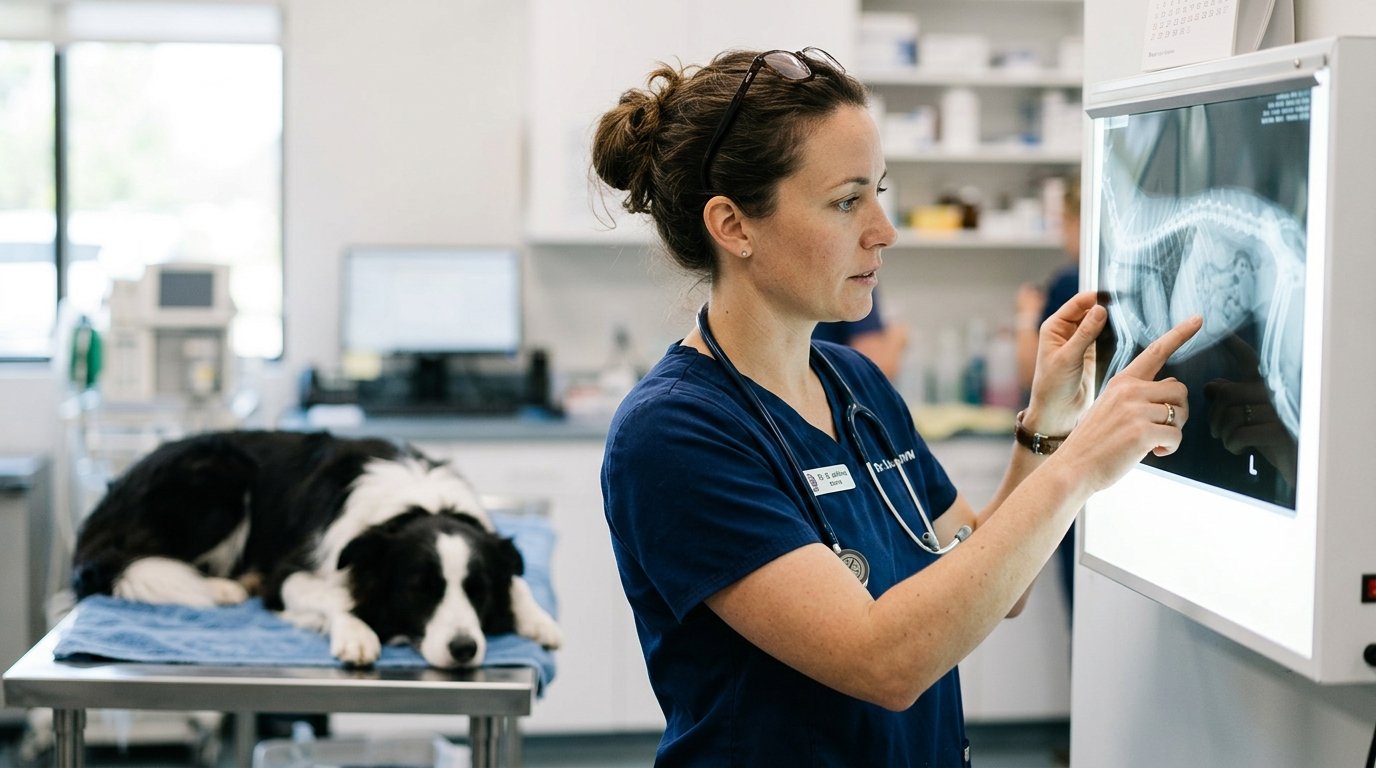
When you arrive at the emergency clinic, the vet team will move quickly to stabilize your dog while confirming the diagnosis. This usually starts with a physical exam checking for a distended abdomen, along with vital signs like heart rate and blood pressure. An X-ray is typically used to confirm whether the stomach has simply dilated with gas or has actually twisted.
Bloodwork may also be run to check for signs of organ stress or damage, since this helps guide treatment decisions. The whole process is designed to happen fast, because every extra minute without treatment increases the risk to your dog.
Treatment Options: Stabilization and Surgery
Treatment for bloat almost always starts with stabilizing your dog, which may include IV fluids to support blood pressure and decompressing the stomach to relieve pressure. Once your dog is stable enough, surgery is typically needed, both to untwist the stomach if it has rotated and to assess whether any tissue has been damaged beyond repair.
During surgery, many vets also perform a procedure called gastropexy, which tacks the stomach to the abdominal wall to help prevent it from twisting again in the future. Your vet will walk you through exactly what your dog needs based on their specific case, and this is not something to attempt to manage without professional care.
What Happens During Recovery
Recovery from bloat surgery usually involves a hospital stay of a few days so your dog can be monitored closely for complications like abnormal heart rhythms or infection. Pain management and a carefully managed return to eating are typically part of this early recovery period.
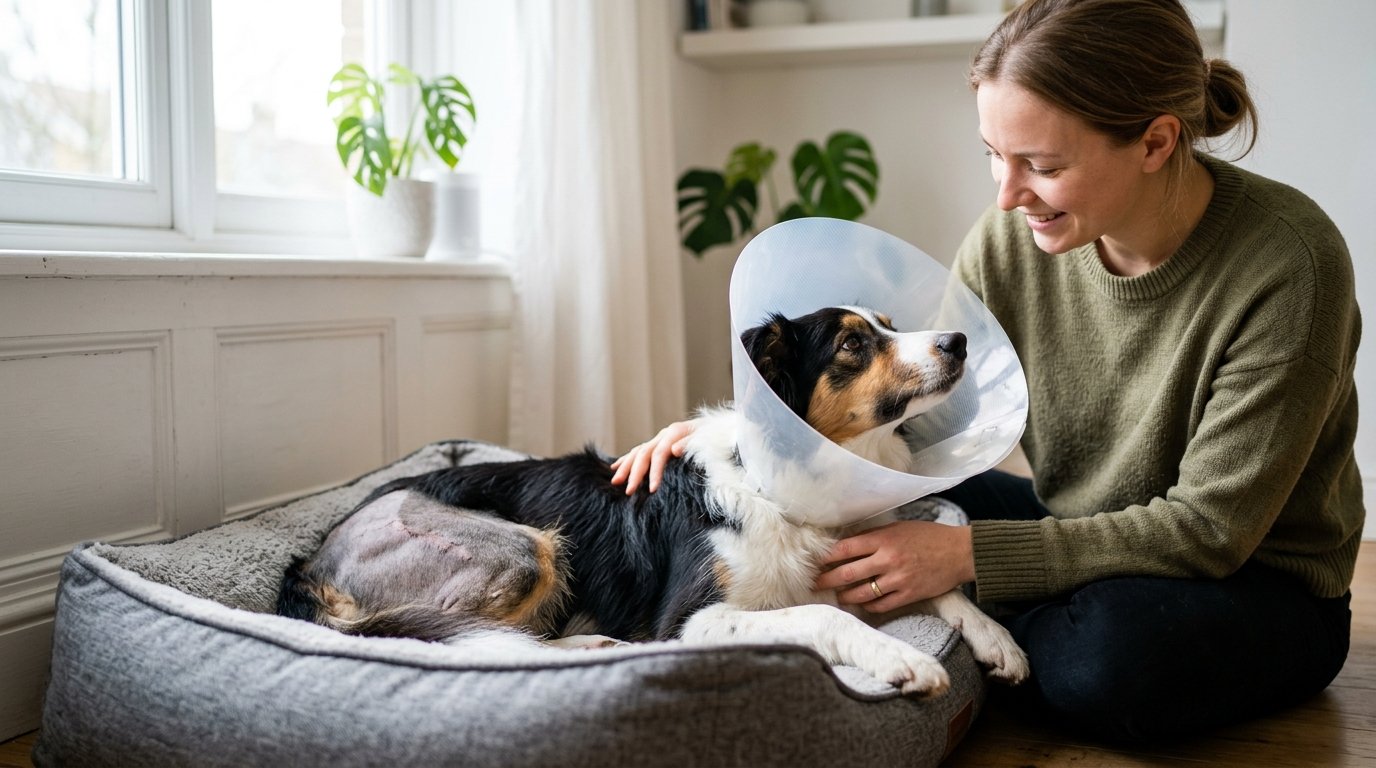
Once home, most dogs need a period of restricted activity while the incision heals, along with follow-up visits to make sure everything is progressing as expected. Your vet will give you specific guidance for your dog’s recovery timeline, and it’s important to follow it closely even once your dog starts acting like their normal self again.
Can Bloat Be Prevented?
There’s no guaranteed way to prevent bloat entirely, but there are steps that may help lower the risk, especially in dogs known to be predisposed. Feeding smaller, more frequent meals instead of one large meal, and avoiding vigorous exercise right before or after eating are commonly recommended by vets.
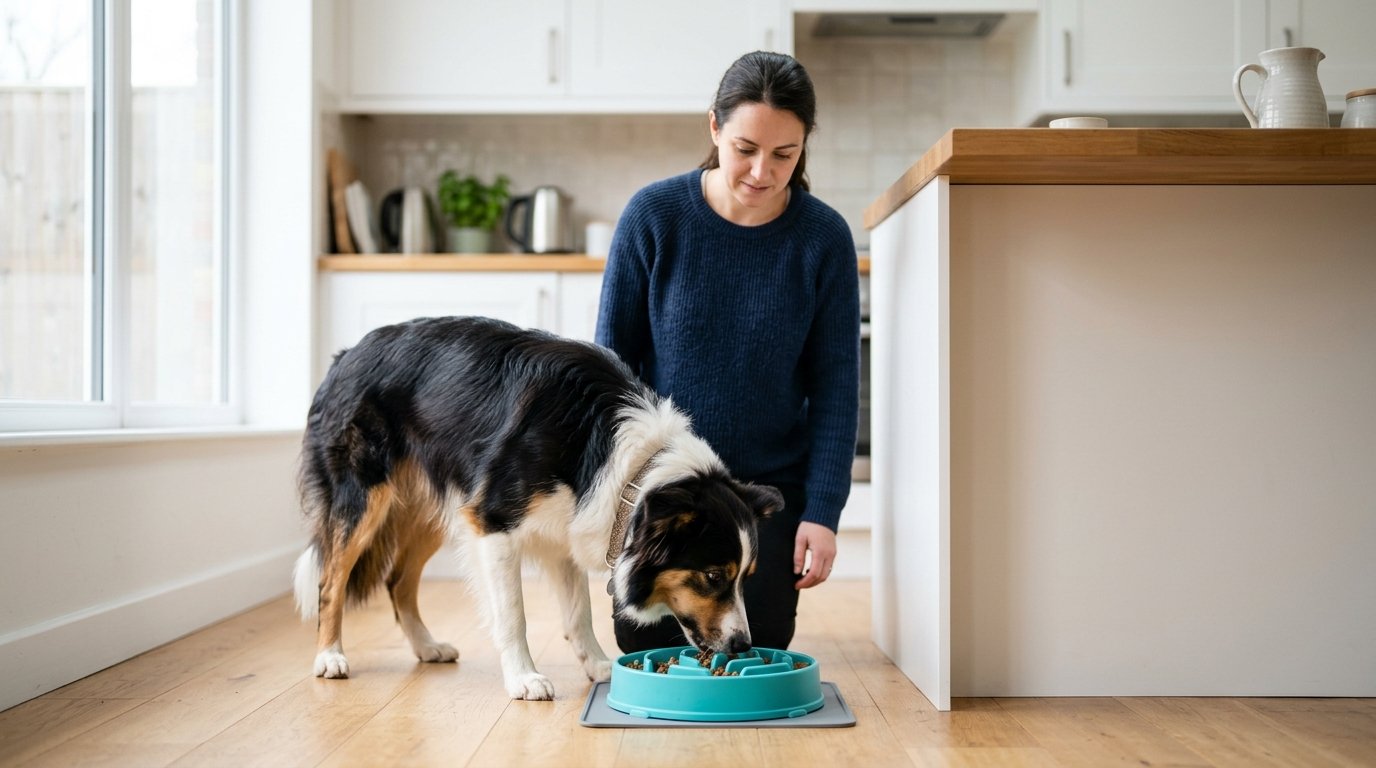
Some owners also use slow-feeder bowls to help dogs who tend to gulp their food too quickly. While none of these measures eliminate risk completely, they’re reasonable precautions to discuss with your vet, especially if your dog’s breed or history puts them in a higher-risk category.
- Feed two or three smaller meals instead of one large one
- Use a slow-feeder bowl if your dog eats too fast
- Avoid strenuous exercise right before and after meals
- Limit water gulping immediately after vigorous activity
- Talk to your vet about your dog’s individual risk factors
Feeding Habits That May Help Reduce Risk
How your dog eats can matter just as much as what they eat. Dogs who gulp air along with their food, especially fast eaters or those who compete with other pets at mealtime, may be swallowing more air than they should. This trapped air is thought to be one of the contributing factors in bloat cases.
Feeding your dog in a calm environment, separate from other pets if mealtime competition is an issue, may help reduce this gulping behavior. It’s a small adjustment, but for dogs prone to eating quickly, it can make a meaningful difference in how comfortable they are after meals.
The Role of Prophylactic Gastropexy
For breeds known to be at higher risk, some vets recommend a preventive procedure called prophylactic gastropexy, which tacks the stomach in place before bloat ever has a chance to occur. This is sometimes done at the same time as spaying or neutering, since the dog is already under anesthesia.
This isn’t a decision to make on your own, and it won’t be right for every dog. Talk to your vet about whether your dog’s breed, family history, or build makes this preventive surgery worth considering, especially if you already know bloat runs in their lineage.
What to Do While You’re on the Way to the Vet
If you suspect your dog is experiencing bloat, the most important thing you can do is get them to an emergency vet immediately. Call ahead if you can, so the clinic knows you’re coming and can prepare. Try to keep your dog as calm and still as possible during transport, since excessive movement won’t help and may add stress.
Do not attempt to give your dog any food, water, or medication at home, and never try to relieve the swelling yourself. This is a situation that requires professional veterinary equipment and expertise, and every minute you spend trying home remedies is time your dog doesn’t have to spare.
Living with a Dog After Bloat Surgery
Many dogs go on to live full, happy lives after successful bloat surgery, especially when gastropexy was performed to reduce the chance of it happening again. That said, ongoing awareness is still important, since dogs who have experienced bloat once may be more prone to digestive sensitivity going forward.
Your vet may recommend adjusted feeding schedules, monitoring for any changes in appetite or comfort after meals, and regular check-ins to make sure your dog’s recovery is holding steady long term. Staying in close contact with your vet during the months after surgery can help you catch any concerns early.
When to Call Your Vet vs. When to Go to the ER
If your dog seems mildly uncomfortable after a meal but is otherwise acting normal, eating, and not showing distress, it’s reasonable to call your regular vet for guidance. However, any sign of a swollen abdomen, repeated unproductive vomiting, weakness, or pale gums should send you straight to the nearest emergency animal hospital without delay.
When in doubt, treat it as an emergency. Bloat progresses so quickly that erring on the side of caution and going to the ER, even if it turns out to be something less serious, is always the safer choice for your dog.
Final Thoughts: Trust Your Instincts
You know your dog better than anyone, and if something feels off, especially involving their belly, restlessness, or attempts to vomit, don’t wait to see if it passes. Bloat is one of the few true veterinary emergencies where speed genuinely changes outcomes.
Keep your emergency vet’s number saved somewhere easy to find, and talk to your regular vet about your dog’s individual risk factors during your next wellness visit. Being prepared won’t prevent every emergency, but it can help you respond quickly and confidently if bloat ever happens to your dog.
This article is for general education and is not a substitute for care from your own veterinarian. Learn about The Pet Vet and our editorial policy.