
If you’ve noticed your cat straining in the litter box, producing hard little pellets, or avoiding the box altogether, constipation in cats could be the reason. While an occasional hard stool usually isn’t a big deal, ongoing constipation can point to a more serious issue and needs your attention. Here’s what every cat owner should know.
Table of Contents
- What Is Constipation in Cats?
- Common Causes of Constipation in Cats
- Signs Your Cat May Be Constipated
- Ragdoll Cats and Digestive Sensitivity
- How Vets Diagnose Constipation
- Home Care Tips for Mild Constipation
- When Constipation Becomes an Emergency: Megacolon
- Treatment Options Your Vet May Recommend
- Diet and Hydration for Preventing Constipation
- The Role of Fiber and Fatty Acids
- Litter Box Habits and Stress
- Senior Cats and Constipation Risk
- Preventing Constipation Long-Term
- When to See a Vet Right Away
- Final Thoughts
What Is Constipation in Cats?
Constipation happens when your cat has difficulty passing stool, or isn’t passing stool as often as they should. In a healthy cat, waste moves through the colon at a steady pace, with the colon absorbing water along the way. When that process slows down too much, the stool sits in the colon longer than it should, more water gets pulled out of it, and it becomes hard, dry, and difficult to pass.
Most cats have a bowel movement at least once a day, though this can vary a little from cat to cat. If it’s been more than two or three days since you’ve seen anything in the litter box, or if your cat seems to be working hard without much result, it’s worth paying closer attention. Occasional mild constipation isn’t unusual, but a pattern of it is a signal that something needs to be looked into.
Common Causes of Constipation in Cats
There are quite a few reasons a cat might become constipated, ranging from simple lifestyle factors to underlying medical conditions. Dehydration is one of the most common culprits, since cats that don’t drink enough water end up with drier stool that’s harder to move along. Diet plays a role too, particularly diets low in fiber or moisture.
Other causes include hairballs that build up and block the digestive tract, obesity or lack of exercise that slows down gut motility, and pain from arthritis or other joint issues that makes it uncomfortable for a cat to posture properly in the litter box. Stress and environmental changes, like a dirty litter box or a new pet in the home, can also cause a cat to hold their stool longer than they should, which makes constipation more likely.
- Not drinking enough water throughout the day
- Low-fiber or low-moisture diet
- Hairball buildup in the digestive tract
- Obesity or reduced mobility
- Joint pain making litter box posture uncomfortable
- Stress, anxiety, or a dirty litter box
Signs Your Cat May Be Constipated
Cats are notoriously good at hiding discomfort, so it helps to know what subtle and not-so-subtle signs to watch for. The most obvious sign is straining in the litter box with little or no stool produced, or stool that comes out as small, hard, dry pellets. You might also notice your cat visiting the litter box more often than usual without much success.
Beyond the litter box itself, constipated cats can seem lethargic, less interested in food, or a bit more irritable than normal. Some cats will vocalize or cry out while trying to defecate, which is a clear sign they’re uncomfortable. If you notice any of these changes, it’s a good idea to keep a closer eye on your cat’s litter box habits over the next day or so.
- Straining with little or no stool produced
- Small, hard, dry stool pellets
- Frequent, unproductive trips to the litter box
- Decreased appetite or lethargy
- Crying out or seeming uncomfortable while trying to go
- Visible abdominal discomfort or bloating
Ragdoll Cats and Digestive Sensitivity
Ragdoll cats are known for their relaxed, gentle nature, but that easygoing personality can sometimes work against them when it comes to digestive health. Ragdolls tend to be less active than many other breeds and can be prone to weight gain if their diet and exercise aren’t well managed, and extra weight is a known risk factor for sluggish digestion and constipation.
Their long, plush coat also means they can be more prone to swallowing loose fur during grooming, which contributes to hairball-related digestive slowdowns. If you share your home with a Ragdoll, keeping an eye on their activity level, coat maintenance, and litter box habits can help you catch digestive issues early, before they become a bigger problem.
How Vets Diagnose Constipation
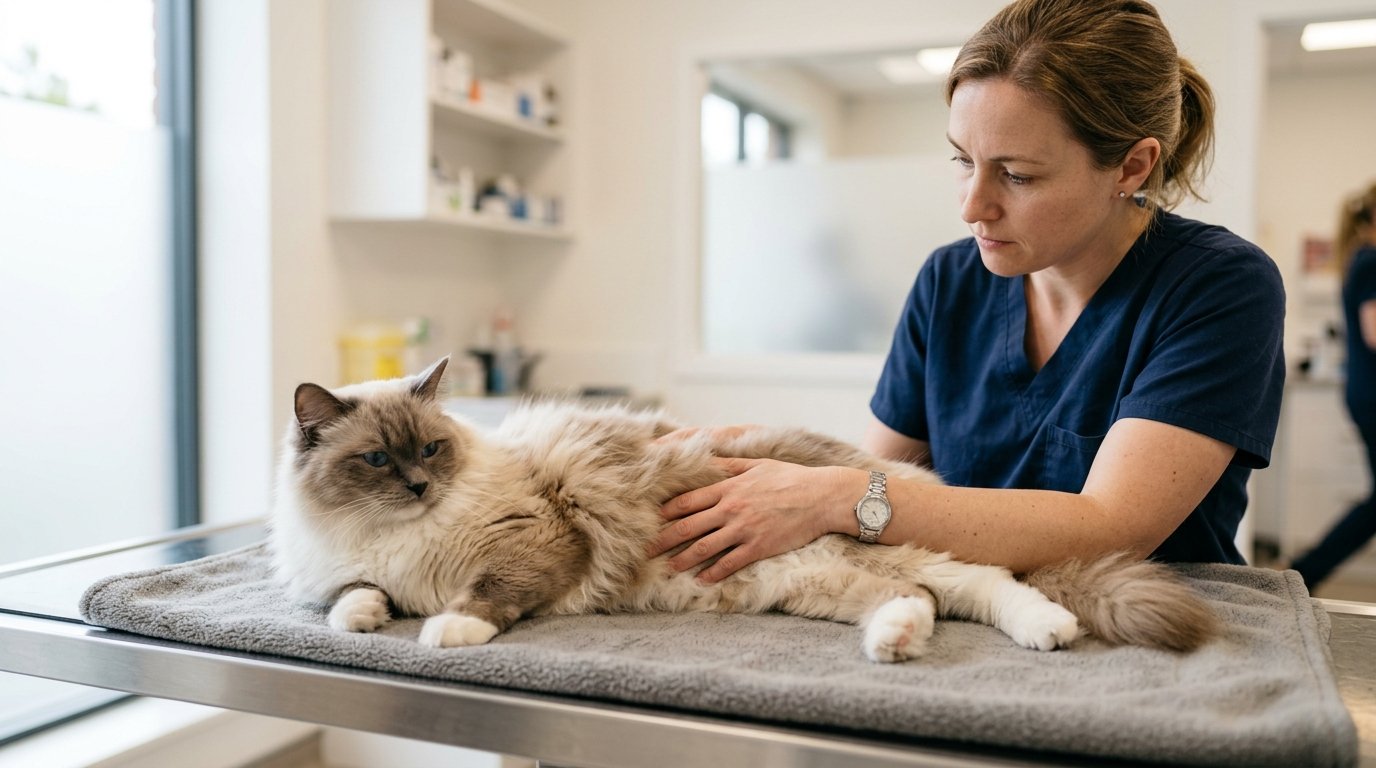
If you bring your cat in for suspected constipation, your vet will typically start with a physical exam, gently feeling your cat’s abdomen to check for a firm, distended colon full of stool. They’ll also ask you questions about your cat’s diet, water intake, litter box habits, and any recent changes at home that might have contributed to the problem.
In many cases, your vet will recommend an abdominal X-ray to get a clearer picture of how much stool is present and whether the colon appears enlarged. Bloodwork may also be suggested, especially in older cats or cats with repeat episodes, since constipation can sometimes be linked to kidney disease, dehydration, or other underlying conditions that need to be addressed alongside the constipation itself.
Home Care Tips for Mild Constipation
For cats with mild, occasional constipation and no other worrying symptoms, there are a few gentle things you can try at home while keeping your vet in the loop. Encouraging your cat to drink more water is one of the simplest and most effective steps, since better hydration directly supports softer, easier-to-pass stool.
It’s important to remember that home care is only appropriate for mild cases, and you should never give your cat any laxative, stool softener, or human medication without talking to your vet first. Some products that are safe for people can be dangerous for cats, and using the wrong remedy can make things worse or delay proper treatment.
- Offer fresh water in multiple locations around the house
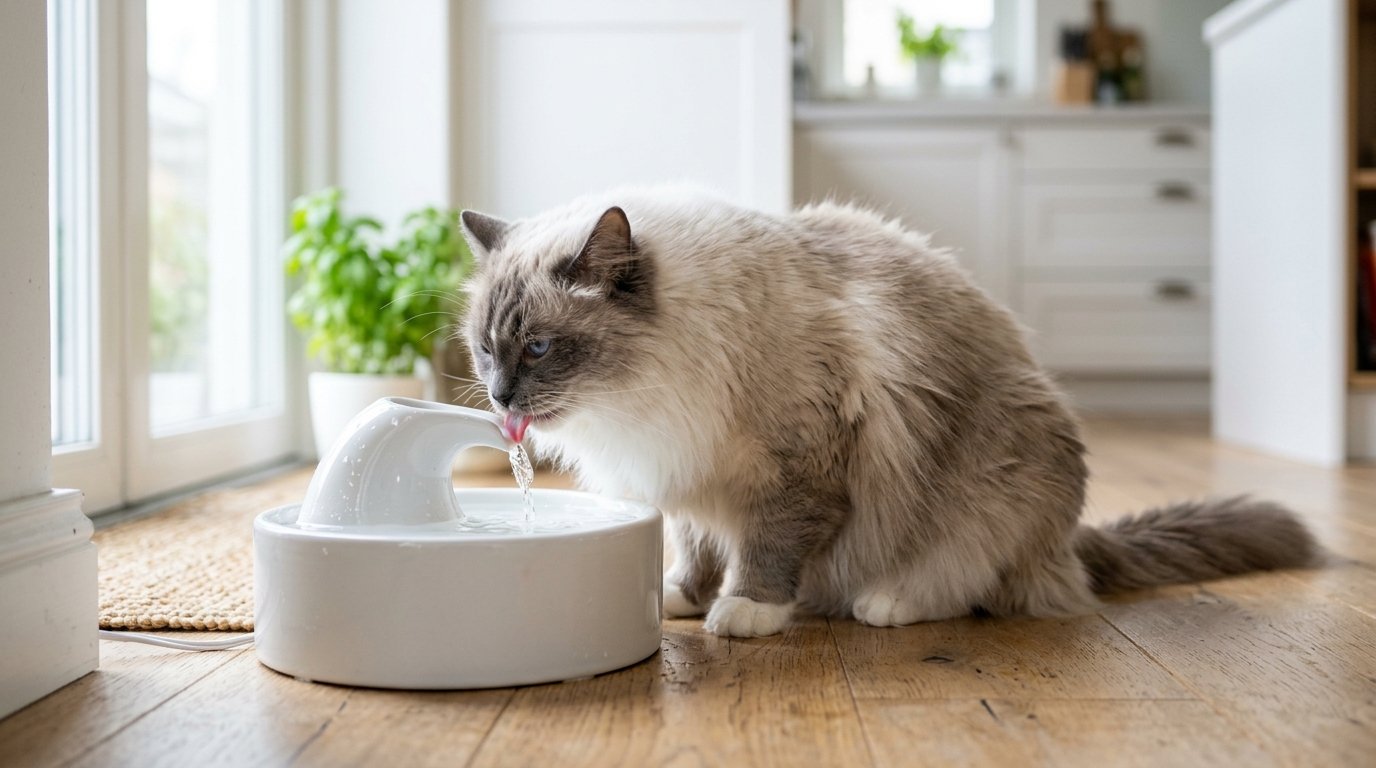
- Try a pet water fountain to encourage more drinking
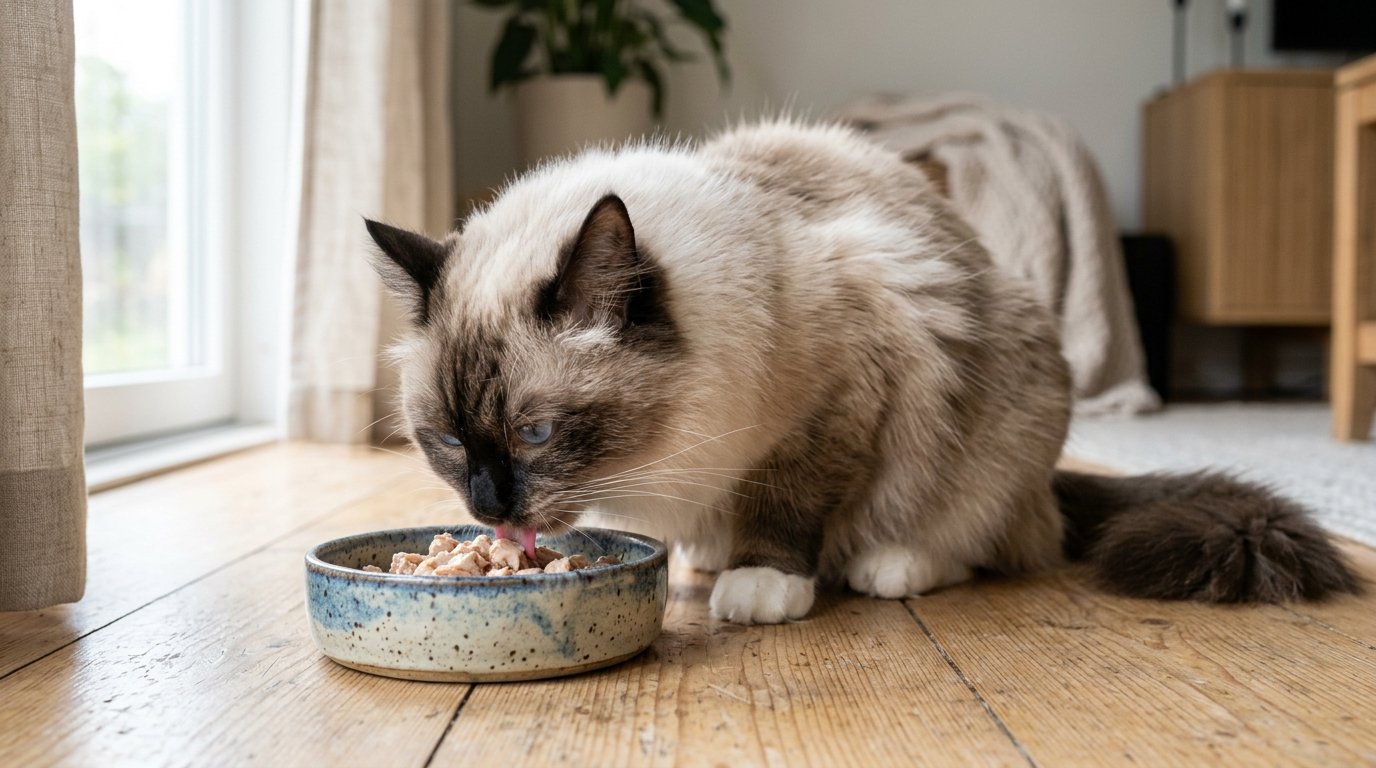
- Switch to wet food, or add extra water to your cat’s meals with your vet’s guidance
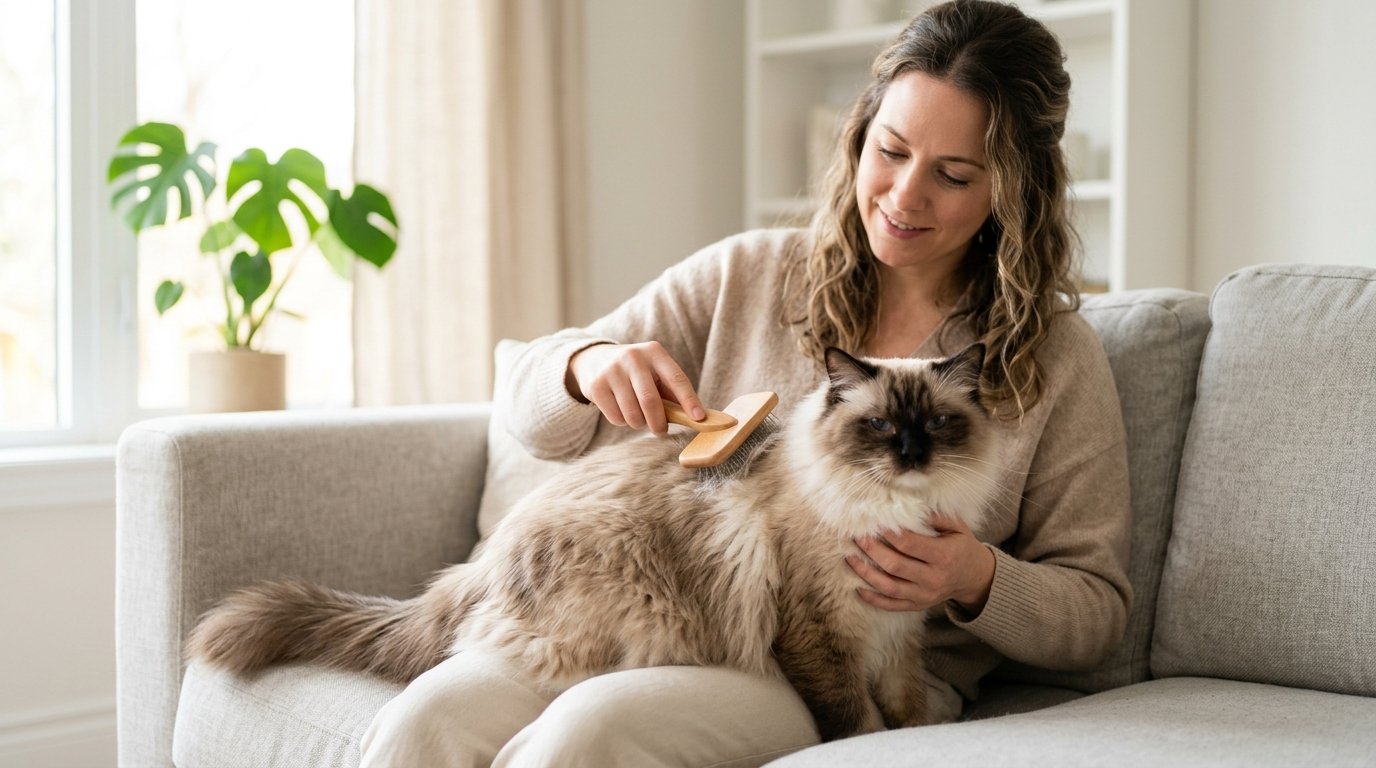
- Brush your cat regularly to reduce hairball buildup
- Encourage gentle daily play to keep your cat moving
When Constipation Becomes an Emergency: Megacolon
If constipation goes untreated or keeps recurring, it can progress to a much more serious condition called megacolon. This happens when the colon becomes so stretched and its muscles so weakened from chronic overuse that it loses the ability to contract and move stool along effectively, even after the original blockage is cleared.
Megacolon is a serious condition that often requires more intensive veterinary treatment, and in some cases, surgery may be discussed as an option if medical management isn’t enough. Because of this, it’s much better to address constipation early and consistently rather than waiting to see if it resolves on its own. If your cat has had more than one episode of constipation, mention it to your vet so they can monitor for early signs of megacolon.
Treatment Options Your Vet May Recommend
Treatment for constipation in cats depends on how severe it is and what’s causing it. For mild cases, your vet may suggest dietary changes, increased hydration, or a fiber supplement designed specifically for cats. For more significant blockages, your vet may need to administer fluids or an enema in a clinical setting to help relieve the impaction safely.
In cases involving repeat episodes or diagnosed megacolon, your vet might prescribe a prescription diet or a medication that helps support normal colon motility. Because every cat’s situation is different, it’s important to follow your vet’s specific recommendations rather than trying to guess at treatment yourself, especially since some remedies that help one cat may not be appropriate for another.
Diet and Hydration for Preventing Constipation
What your cat eats and drinks plays a huge role in keeping their digestive system running smoothly. Cats are designed to get much of their moisture from their food, which is one reason wet food diets are often easier on digestion than dry kibble alone. If your cat mostly eats dry food, talk to your vet about whether incorporating more wet food could help.
Consistent access to clean, fresh water is just as important as diet. Some cats are simply picky about how they like to drink, preferring moving water over a still bowl, or a clean bowl over one that’s been sitting out for a while. Experimenting with different water setups, alongside your vet’s dietary guidance, can make a real difference in your cat’s overall hydration and digestive comfort.
The Role of Fiber and Fatty Acids
Fiber helps regulate the digestive tract by adding bulk to stool and supporting more regular movement through the colon. Some cats benefit from a slight increase in dietary fiber, while others, particularly those with certain underlying conditions, may need a different nutritional approach entirely. This is why it’s best to discuss any dietary fiber changes with your vet rather than adding supplements on your own.
Omega-3 fatty acids are sometimes discussed as part of a broader plan to support digestive and joint health in cats, since joint discomfort can indirectly contribute to constipation by making litter box posture harder. Your vet can help you determine whether any dietary additions make sense for your cat’s specific needs and health history.
Litter Box Habits and Stress
Cats are creatures of habit, and anything that disrupts their comfort with the litter box can lead to them holding their stool longer than they should. A dirty litter box, a box that’s too small, harsh lighting, or even a new pet or houseguest can all make a cat hesitant to use the box regularly.
Keeping the litter box clean, private, and easily accessible goes a long way toward supporting healthy bathroom habits. If you have multiple cats, make sure there are enough litter boxes for everyone, since competition over a shared box can cause some cats to avoid it altogether, setting the stage for constipation over time.
- Scoop the litter box at least once daily
- Provide one litter box per cat, plus one extra
- Choose a quiet, low-traffic location for the box
- Avoid sudden changes in litter type when possible
- Watch for signs of stress after household changes
Senior Cats and Constipation Risk
Older cats are more prone to constipation for several reasons. Aging often brings reduced mobility, arthritis, and a general slowdown in metabolism, all of which can affect how efficiently the digestive system works. Senior cats may also drink less water or move around less, both of which contribute to firmer, harder-to-pass stool.
If you have a senior cat, regular veterinary checkups become even more important for catching constipation early, along with related conditions like kidney disease that become more common with age. Your vet can help tailor a care plan that accounts for your senior cat’s changing needs, including diet adjustments and pain management if arthritis is part of the picture.
Preventing Constipation Long-Term
Prevention comes down to consistency in the basics: good hydration, an appropriate diet, regular exercise, and a clean, stress-free litter box environment. None of these steps guarantee your cat will never experience constipation, but together they significantly lower the risk and support overall digestive health.
Routine veterinary checkups also play an important preventive role, since your vet can catch early signs of digestive slowdown, joint pain, or other contributing factors before they turn into a bigger problem. Bringing up any changes in your cat’s litter box habits during these visits, even small ones, helps your vet build a fuller picture of your cat’s health over time.
- Keep multiple fresh water sources available
- Feed a balanced diet appropriate for your cat’s age and weight
- Encourage regular play and movement
- Maintain a clean, accessible litter box setup
- Schedule regular wellness checkups with your vet
When to See a Vet Right Away
While mild, occasional constipation can sometimes be managed at home with your vet’s guidance, certain signs mean you shouldn’t wait. If your cat hasn’t passed stool in more than two to three days, is straining repeatedly without success, seems to be in obvious pain, or is vomiting, lethargic, or refusing food, it’s time to call your vet or an emergency clinic promptly.
Trust your instincts here. You know your cat’s normal habits better than anyone, and if something feels off, it’s always better to have it checked out than to wait and hope it resolves on its own. Constipation that’s caught and treated early is far easier to manage than a case that’s been allowed to progress.
- No stool for more than two to three days
- Repeated straining with no results
- Vomiting alongside constipation
- Lethargy, hiding, or loss of appetite
- Visible pain or crying out in the litter box
Final Thoughts
Constipation in cats is common, but that doesn’t mean it should be ignored. Paying attention to your cat’s litter box habits, water intake, and overall behavior can help you catch problems early, before they turn into something more serious like megacolon. Simple changes at home, combined with regular veterinary care, go a long way toward keeping your cat’s digestion running smoothly.
If you’re ever unsure whether your cat’s symptoms warrant a vet visit, it’s always better to reach out and ask. Your vet would much rather help you with a mild case of constipation than treat a severe blockage that’s been left too long, and getting ahead of the problem is always the safer choice for your cat’s health and comfort.
This article is for general education and is not a substitute for care from your own veterinarian. Learn about The Pet Vet and our editorial policy.