
Devon Rex skin problems are more common in this breed than in most cats, and if you share your home with one of these curly-coated, big-eared companions, you have probably already noticed how sensitive their skin can be. Their unusual coat structure, thin skin, and unique oil production make them prone to issues that other cats rarely deal with. This guide walks you through what causes these problems, what to watch for, and when it is time to call your vet.
Table of Contents
- Why the Devon Rex Coat Is So Different
- Greasy Skin and Excess Oil Production
- Sensitivity to Sunburn and Temperature
- Allergic Skin Reactions
- Acne and Chin Bumps
- Fragile Skin and Injury Risk
- Hereditary and Congenital Skin Conditions
- Bathing and Grooming Considerations
- Ear Care and Related Skin Issues
- When Skin Problems Signal Something More Serious
- Diet’s Role in Skin Health
- Living Comfortably with a Devon Rex
- Final Thoughts on Devon Rex Skin Health
Why the Devon Rex Coat Is So Different
The Devon Rex is known for its soft, wavy coat that feels almost like suede, along with its oversized ears and pixie-like face. Unlike most cats, the Devon Rex has a genetic mutation that affects hair follicles, producing shorter, sparser, and more fragile hair shafts than a typical shorthaired cat. In some areas, the coat can be so thin that patches of skin are nearly bare, especially around the belly, chest, and base of the ears.
This unusual coat structure means the skin itself is doing more of the work that fur normally handles, like regulating temperature and providing a barrier against irritation. Because the hair is finer and less protective, the skin underneath is more exposed to friction, allergens, and temperature changes. Owners often describe their Devon Rex as feeling warmer to the touch than other cats, which is completely normal given how little insulation the coat provides.
Understanding this baseline is important because it helps you tell the difference between what is simply breed-typical and what might be an early sign of a real skin issue. A cat with naturally thin fur is not automatically unhealthy, but any sudden change in coat texture, skin color, or oil buildup deserves a closer look.
Greasy Skin and Excess Oil Production
One of the most talked-about Devon Rex skin problems is a tendency toward oily, waxy skin, sometimes called stud tail or a more generalized version of the same issue. The sebaceous glands in this breed can produce more oil than the sparse coat is able to absorb or distribute, which leaves a greasy film on the skin and fur. You might notice this most around the tail base, chin, or paws, where oil tends to accumulate.
Excess oil is not just a cosmetic issue. It can create an environment where yeast and bacteria multiply more easily, leading to odor, irritation, and secondary infections if it goes unmanaged. Some Devon Rex cats develop a condition where dark, waxy debris builds up in the ear canals as well, since the same oil-producing tendency affects the skin lining the ears.
Regular gentle cleaning, appropriate for your cat’s specific skin needs, can help keep oil levels in check, but this should be guided by your veterinarian rather than guesswork. Every cat’s skin chemistry is different, and what works for one Devon Rex may not suit another.
- Waxy or greasy patches, especially near the tail base and chin
- Ear wax buildup that seems to return quickly after cleaning
- A musty or slightly sour odor even after bathing
- Fur that looks matted or clumped from oil rather than tangles
Sensitivity to Sunburn and Temperature
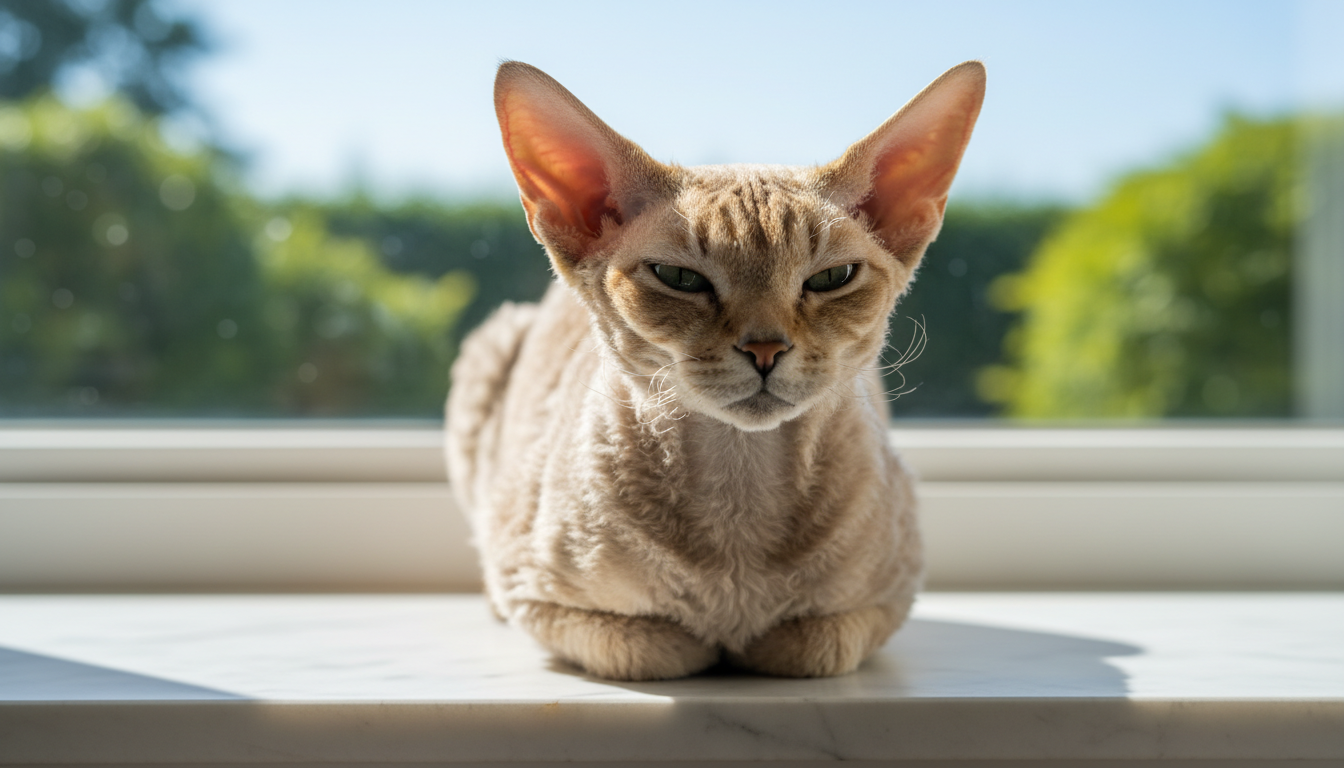
Because the coat offers so little coverage in some areas, Devon Rex cats are more vulnerable to sunburn than most other breeds, particularly on the ears, nose, and any thin-furred patches. Cats with lighter skin pigmentation are especially at risk. Sunburned skin can become red, flaky, or crusted, and repeated sun exposure over time raises concerns beyond simple irritation.
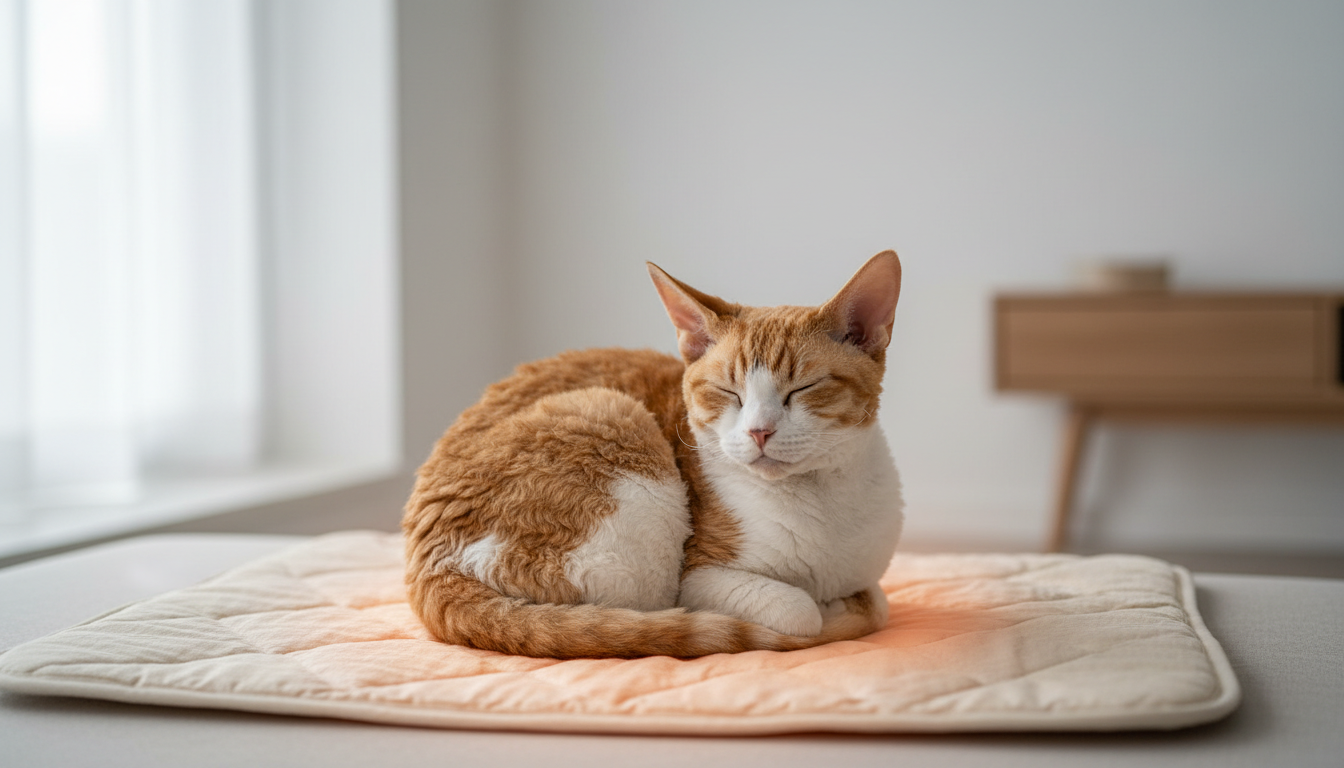
Temperature sensitivity works both ways with this breed. Just as their skin is exposed to sun damage, it also loses heat quickly in cool environments, which is why many Devon Rex cats seek out warm laps, sunbeams, and heated blankets more than other cats might. Shivering, seeking constant warmth, or reluctance to be in cooler rooms can be a sign that your cat’s thin coat is leaving them uncomfortable.
Keeping your cat out of direct, prolonged sunlight during peak hours and providing consistently warm resting spots indoors can go a long way toward protecting their skin and comfort. If you notice any unusual redness, scabbing, or changes in skin color on exposed areas, it is worth having your vet take a look.
Allergic Skin Reactions
Like many cats, Devon Rex cats can develop allergic skin reactions to things like fleas, certain foods, or environmental allergens such as pollen or dust mites. Because their skin barrier is already more delicate than average, allergic reactions may show up more visibly and can escalate more quickly if left unaddressed. Redness, bumps, and intense itching are common signs that something is triggering an allergic response.
Flea allergy dermatitis deserves particular attention in this breed, since even a single flea bite can cause a disproportionate skin reaction in a sensitive cat. A Devon Rex with thin fur may also make it easier for you to actually see fleas or flea dirt, which can be a silver lining when it comes to catching an infestation early.
If your cat is scratching persistently, developing scabs, or losing fur in patches, your vet can help identify whether allergies are the underlying cause and guide you toward an appropriate management plan. Never assume you know the trigger without professional guidance, since treating the wrong cause can delay real relief.
- Persistent scratching or licking at specific areas
- Small scabs, often described as miliary dermatitis
- Bald patches from over-grooming
- Redness or swelling around the face, ears, or paws
Acne and Chin Bumps
Feline acne is not exclusive to the Devon Rex, but the breed’s oilier skin can make it more noticeable or more frequent. This usually appears as small dark bumps or blackheads along the chin and lower lip, sometimes progressing to swelling or mild infection if bacteria get involved. Poor grooming habits from the food bowl, plastic dish residue, or stress can all play a role in flare-ups.
Mild cases may look like nothing more than a slightly dirty chin, but more significant acne can become tender, swollen, or crusted. Because the Devon Rex’s skin is already prone to oiliness, chin acne can sometimes be persistent and may recur even after initial improvement. Keeping food and water dishes clean and choosing materials your cat tolerates well can help reduce irritation.
If chin bumps seem to be getting worse, spreading, or causing your cat visible discomfort, a veterinary visit is the safest next step. Your vet can determine whether it is simple acne or something that needs a different approach.
Fragile Skin and Injury Risk
The skin of a Devon Rex is often described as feeling delicate, almost like tissue paper in certain spots, and this fragility means cuts, scrapes, and tears can happen more easily during normal play or even routine handling. Nails from another household pet, a snag on furniture, or an overly enthusiastic wrestling match can result in a skin injury that might not affect a cat with tougher skin.
Because the coat is thin, wounds tend to be more visible early on, which can actually work in your favor since you are more likely to notice a scratch or scrape before it worsens. Still, any open wound, even a small one, carries a risk of infection, and the healing process should be monitored closely.
If you notice a cut, tear, or unexplained wound on your Devon Rex, keep the area clean and avoid letting your cat lick or scratch at it, and contact your veterinarian for guidance on how to care for it properly. Skin that looks like it is healing slowly or becoming more inflamed rather than less should always be evaluated by a professional.
Hereditary and Congenital Skin Conditions
Some Devon Rex cats carry a predisposition toward certain hereditary skin conditions that are less common in other breeds, and responsible breeders often screen for these issues. While your average Devon Rex will live a comfortable life without ever developing a serious hereditary skin disorder, awareness matters so you can catch early warning signs if they do appear.
Congenital skin fragility, sometimes discussed under the umbrella of connective tissue disorders, has been noted anecdotally in some curly-coated breeds, and cats affected may bruise or tear more easily than expected even from gentle handling. This is not something to self-diagnose, but if you notice your cat’s skin seems unusually stretchy, tears with minimal contact, or bruises without an obvious cause, this warrants prompt veterinary attention.
Working with a veterinarian familiar with the breed, or asking your general practice vet to research breed-specific concerns, can help ensure any inherited tendency is caught and managed appropriately rather than mistaken for a minor issue.
Bathing and Grooming Considerations
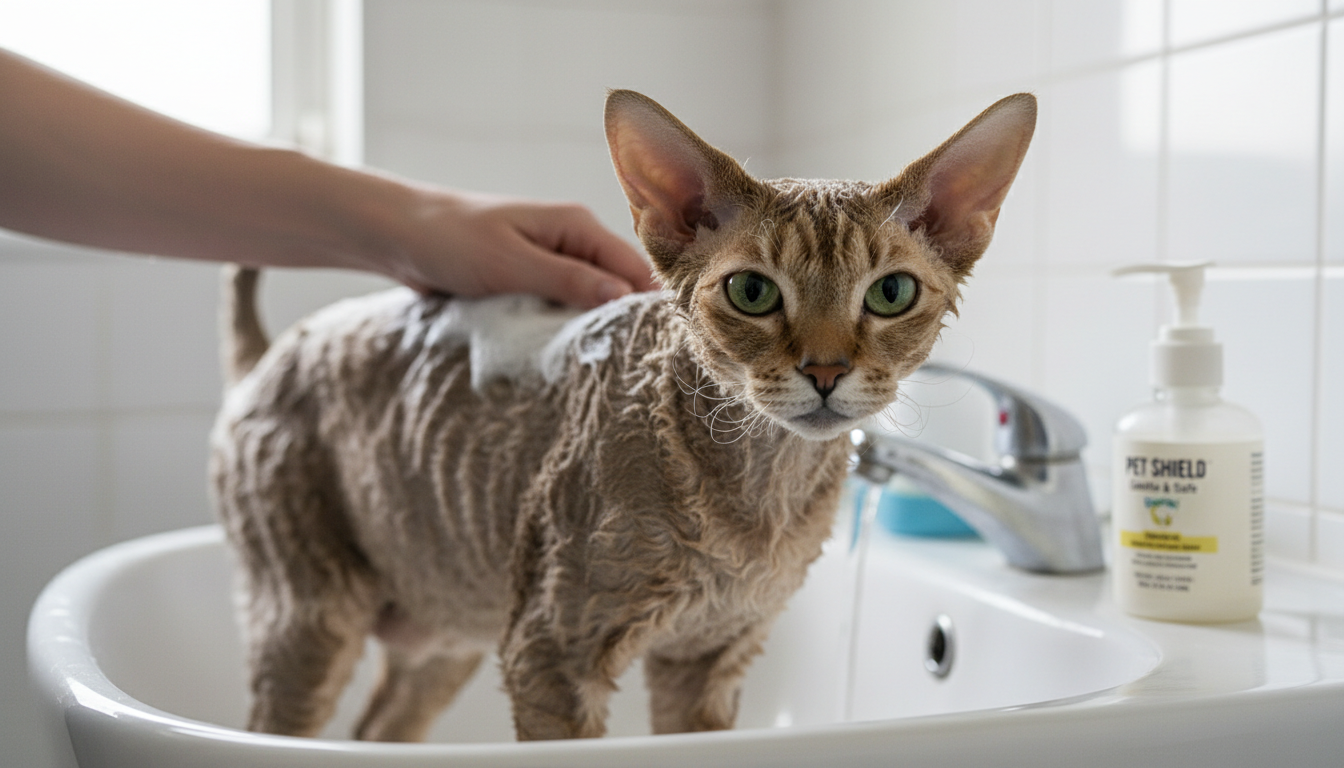
Because of their oil production tendencies, many Devon Rex cats benefit from more frequent bathing than the average cat, which may surprise owners used to cats who groom themselves thoroughly and rarely need baths. However, bathing frequency, products used, and technique all matter significantly for a breed with such delicate skin.
Using a cat-specific shampoo recommended by your veterinarian is important, since human products or harsh formulas can strip the skin further and worsen irritation rather than help it. Water temperature should be comfortably warm rather than hot, and drying should be thorough but gentle, since damp skin left exposed can contribute to chilling given how little natural insulation this breed has.
Your vet or a professional groomer experienced with the breed can help you develop a bathing routine that fits your specific cat’s needs, since oil production and skin sensitivity can vary even within the same breed. Never assume more frequent bathing is automatically better without guidance, as over-bathing can sometimes cause its own set of problems.
- Ask your vet before choosing any medicated or specialty shampoo
- Keep bathing sessions calm and short to reduce stress on sensitive skin
- Dry your cat fully and keep them warm afterward
- Watch for any new redness or irritation that develops after a bath
Ear Care and Related Skin Issues
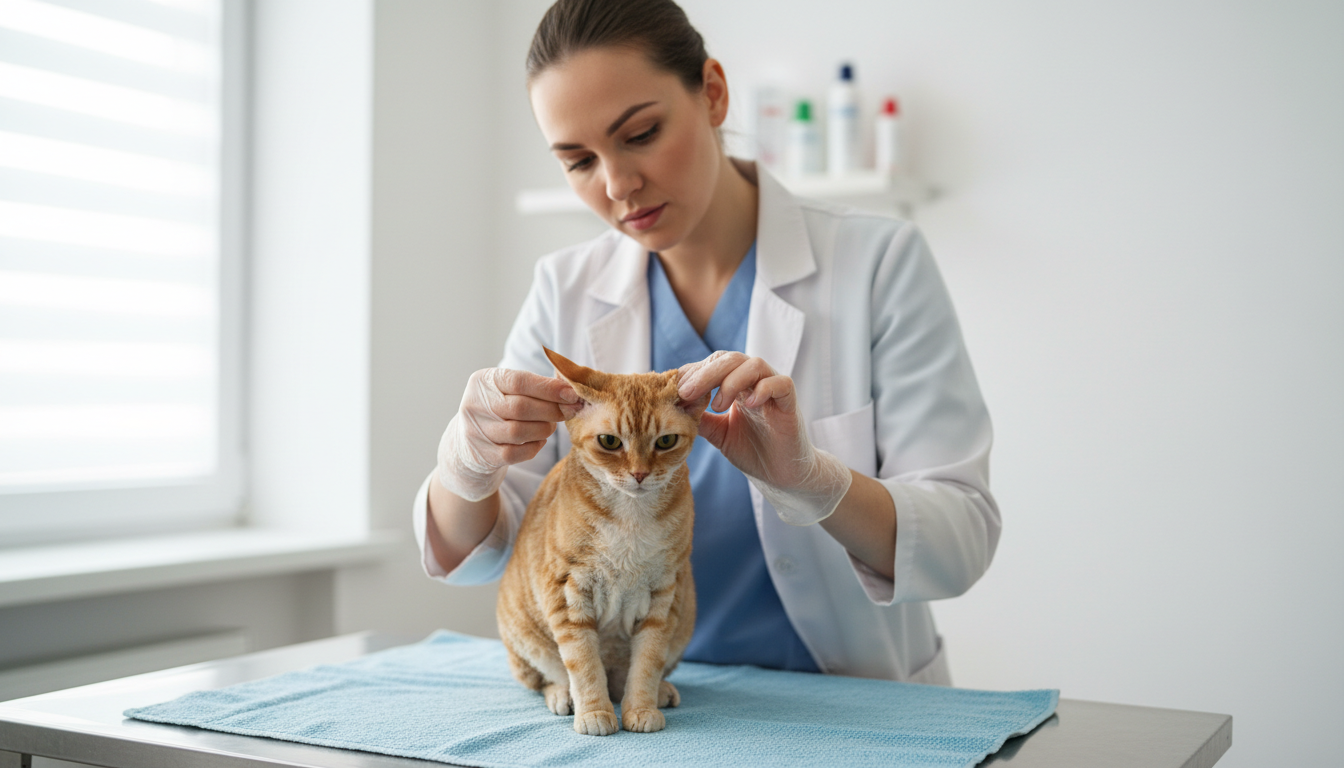
The ears of a Devon Rex are large, thin-skinned, and prone to the same oiliness that affects the rest of the body, which makes them a common site for wax buildup and irritation. Regular but gentle ear checks can help you catch problems early, since an ear that looks dirtier than usual or smells different than normal can be an early sign of infection.
Because the skin inside and around the ears is so thin, any redness, swelling, or visible discomfort when the ears are touched should not be brushed off as normal breed quirks. Cats with chronic ear wax buildup are also more susceptible to yeast or bacterial ear infections, which can cause head shaking, scratching at the ears, or a noticeable odor.
Your veterinarian can show you a safe way to check and clean your Devon Rex’s ears at home, and can recommend how often this should be done based on your individual cat. Attempting to clean deep into the ear canal without guidance can cause injury, so it is best to learn proper technique directly from a professional.
When Skin Problems Signal Something More Serious
While many Devon Rex skin issues are manageable with routine care, certain signs suggest something beyond typical breed sensitivity. Skin that becomes suddenly very red, swollen, or hot to the touch, wounds that are not healing as expected, or a rapid spread of bumps or lesions all warrant a same-day conversation with your vet rather than a wait-and-see approach.
Behavioral changes paired with skin symptoms are also worth paying attention to. A cat who becomes withdrawn, stops eating normally, or seems generally unwell alongside a skin issue may be dealing with something more systemic than a surface-level problem. Skin conditions can sometimes be a visible clue to an underlying issue affecting the whole body, so it is never something to dismiss as purely cosmetic.
Trust your instincts as an owner who knows your cat’s normal appearance and behavior. If something feels off, even if you cannot quite explain why, it is always reasonable to schedule a veterinary visit for peace of mind.
- Sudden, widespread redness or swelling
- Open sores that are not improving after several days
- Signs of pain when the skin or ears are touched
- Lethargy, appetite loss, or hiding alongside skin changes
Diet’s Role in Skin Health
Nutrition plays a meaningful role in skin and coat condition for every cat, and the Devon Rex is no exception. A diet lacking in appropriate fatty acids or overall balanced nutrition can contribute to dull fur, flaky skin, or a worsening of oil production issues. Many owners find that working with their vet to choose a high-quality, complete diet supports better skin resilience over time.
Because the Devon Rex’s skin is already working harder than most cats’ skin to protect the body, giving it every nutritional advantage matters. This does not mean reaching for supplements or specialty diets on your own, since not every skin issue responds to dietary changes, and some conditions have nothing to do with food at all. Your veterinarian can help determine whether diet is a meaningful factor for your specific cat’s skin concerns.
If you are noticing ongoing skin issues alongside a diet you have questions about, bringing this up during a regular wellness visit allows your vet to look at the full picture rather than guessing at a single cause.
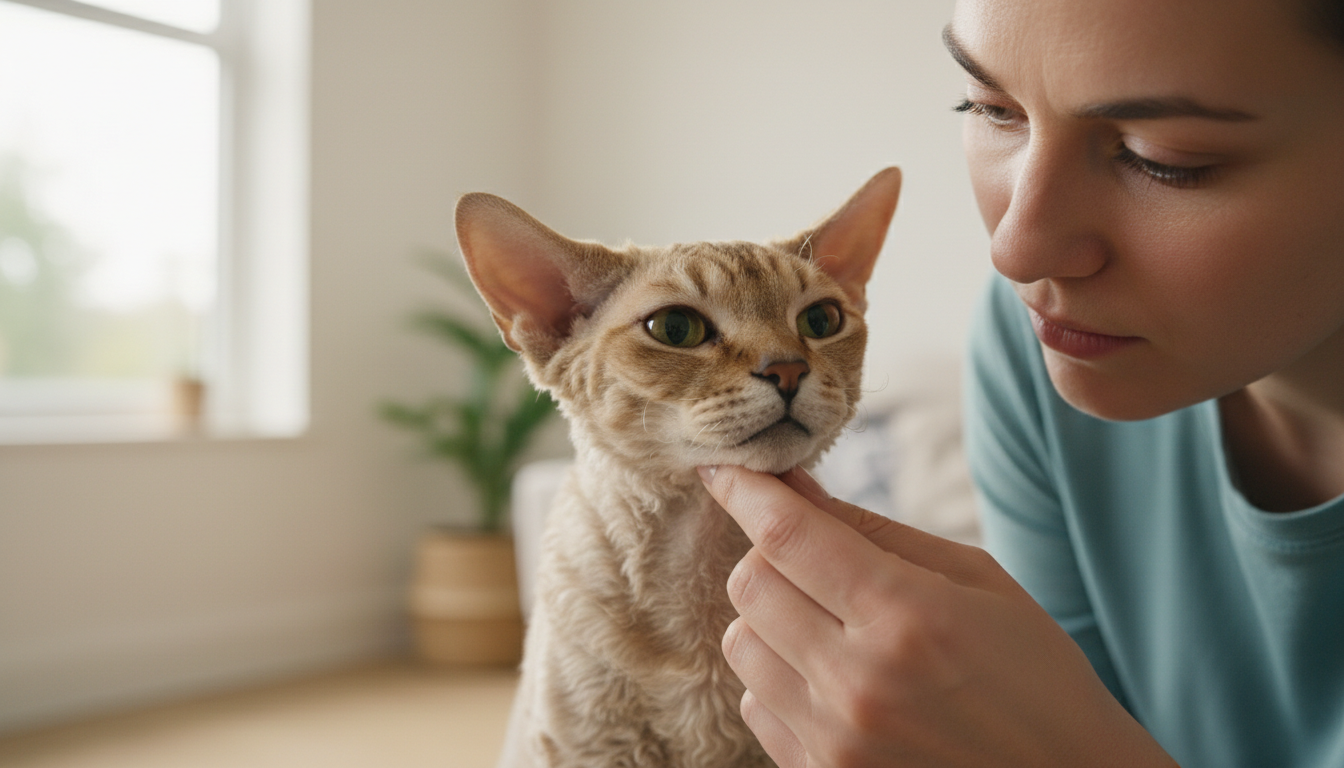
Living Comfortably with a Devon Rex
Despite these skin sensitivities, most Devon Rex cats live happy, comfortable lives with a bit of extra attention to their unique needs. Building a routine around regular skin checks, appropriate bathing, ear care, and a suitable diet can help you stay ahead of problems rather than reacting to them after they have already become uncomfortable for your cat.
Getting to know your individual cat’s baseline skin and coat condition when they are healthy makes it much easier to notice small changes early, before they become bigger issues. Keeping a simple mental note, or even photos over time, of your cat’s normal coat texture and skin tone can be a helpful reference point during vet visits.
Partnering closely with your veterinarian, especially one who has experience with the breed or is willing to research its specific tendencies, gives your Devon Rex the best chance at a comfortable, itch-free life. Skin issues in this breed are common enough that you should never feel like you are overreacting by asking questions or scheduling a check-up.
Final Thoughts on Devon Rex Skin Health
Devon Rex skin problems are simply part of owning this wonderfully unique breed, but they do not have to mean a lifetime of discomfort for your cat. With consistent attention, appropriate care routines, and a good relationship with your veterinarian, most skin issues can be managed effectively and caught early when they do arise.
Every cat is different, and what works well for one Devon Rex may need adjusting for another, so patience and observation are your best tools. If you ever feel uncertain about whether something you are seeing is normal for the breed or a sign of a real problem, reaching out to your vet is always the right call rather than waiting to see if it resolves on its own.
Your Devon Rex’s unusual coat is part of what makes them so special, and with the right care, their sensitive skin does not have to hold them back from a full, comfortable, and happy life by your side.
This article is for general education and is not a substitute for care from your own veterinarian. Learn about The Pet Vet and our editorial policy.