
Feline hyperesthesia syndrome shows up as rippling skin, sudden tail chasing, and frantic grooming that seems to come out of nowhere. Bengal cats, with their intense energy and sensitivity, are among the breeds owners report seeing this in most often. If your cat’s back twitches like something bit it, then she bolts across the room or attacks her own tail, you’re probably not imagining things. This guide walks through what’s actually happening, what might be triggering it, and when it’s time to get your vet involved.
Table of Contents
- What Feline Hyperesthesia Syndrome Actually Looks Like
- Why Bengals Seem Prone to This
- Common Triggers Owners Report
- What Might Be Happening in the Body
- When These Episodes Cross Into a Medical Concern
- How Vets Approach Diagnosis
- Managing Stress and Environment at Home
- The Role of Diet and Physical Health
- Can Hyperesthesia Be a Sign of Pain?
- Medication and Treatment Options
- Living With a Bengal Prone to Episodes
- When to Seek Emergency Care
- The Bottom Line for Bengal Owners
What Feline Hyperesthesia Syndrome Actually Looks Like
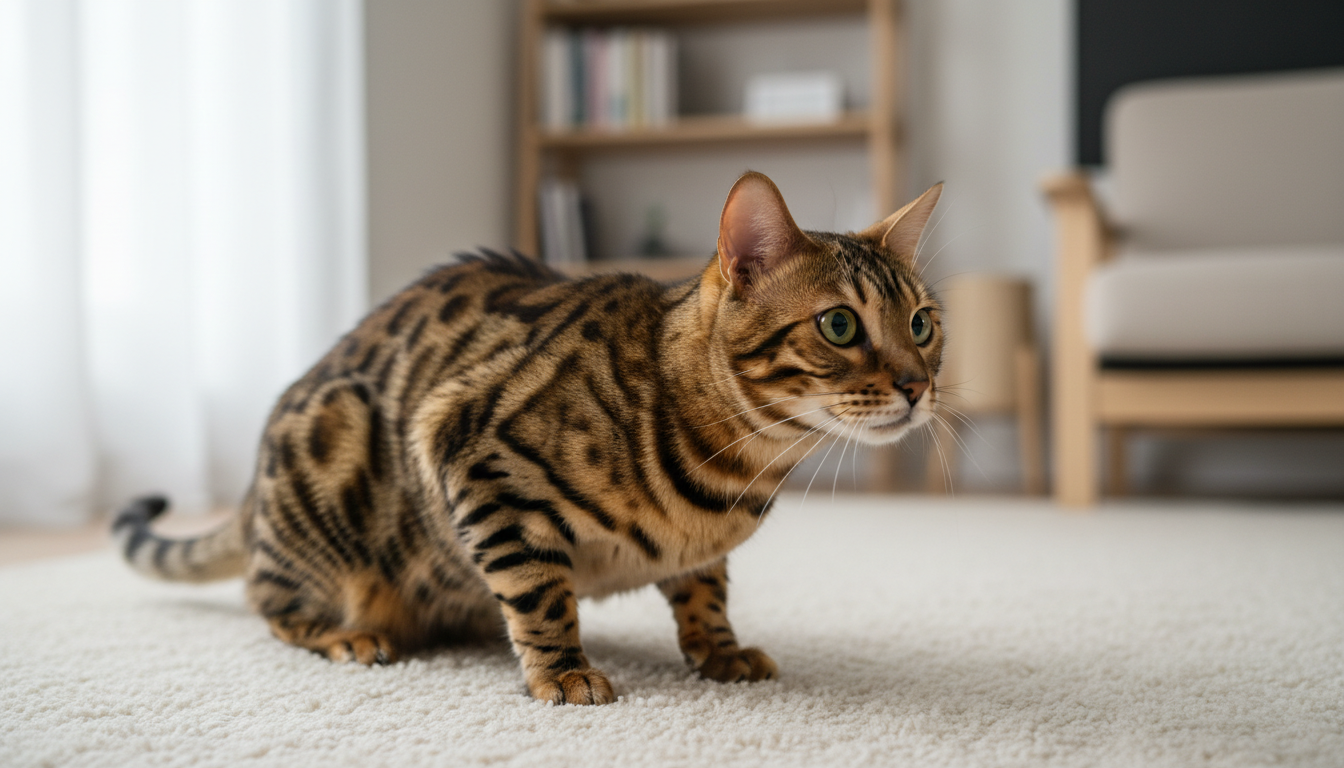
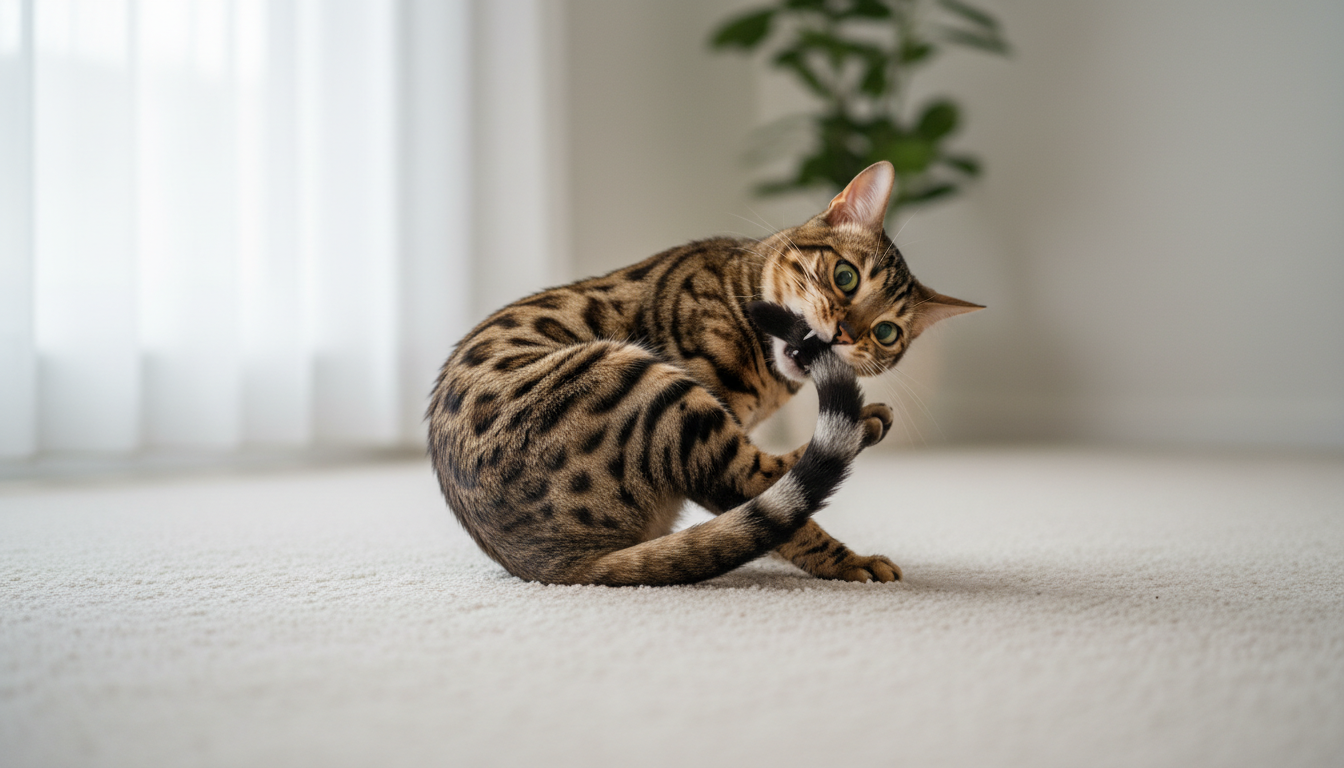
Feline hyperesthesia syndrome, sometimes called “rolling skin disease” or twitchy cat syndrome, describes a cluster of behaviors that seem to erupt without warning. A cat may be lying calmly one moment, then suddenly the skin along her back ripples, her pupils dilate, and she jumps up as if something startled her. Some cats chase or bite at their own tail or flank during these episodes, others vocalize loudly, and some sprint through the house before stopping just as abruptly as they started.
In Bengal cats specifically, owners often describe these bursts as more intense than what they’d expect from a typical play session gone wild. Because Bengals are naturally high-energy and reactive to stimulation, it can take a while for an owner to realize that what looks like enthusiastic play is actually something else. The episodes tend to be brief, usually lasting seconds to a couple of minutes, and the cat often seems dazed or unaware of her surroundings for a moment afterward.
Not every twitch or zoomie session is hyperesthesia. Cats are naturally quirky, and a healthy cat having a sudden burst of energy is completely normal. What sets hyperesthesia apart is the repetitive pattern, the skin rippling specifically along the back and flanks, and the self-directed biting or chasing that seems disconnected from anything happening in the environment.
Why Bengals Seem Prone to This
There isn’t solid research pinning down exactly why some breeds display these episodes more visibly than others, but Bengal cats’ high baseline arousal and sensitivity to stimulation likely play a role. This is a breed bred for intensity, quick reactions, and a strong prey drive, and that same wiring may make sensory overload or nervous system quirks more noticeable in daily behavior.
It’s also possible that Bengals are simply more closely watched by their owners, since the breed tends to attract people who are deeply engaged with their cat’s behavior and quick to notice anything unusual. Whatever the reason, if you have a Bengal showing these signs, you’re not alone, and there are concrete steps you can take before jumping to conclusions.
Common Triggers Owners Report
Episodes often seem to cluster around specific situations, even if the connection isn’t obvious at first. Stress, overstimulation, and changes in the household are frequently mentioned by owners who track when episodes happen. Some cats seem to have flare-ups after a particularly intense play session, while others seem to react to loud noises, new pets, or shifts in routine.
Skin sensitivity can also factor in. A cat with any kind of underlying skin irritation, whether from fleas, allergies, or dry skin, may be more prone to the rippling and biting behavior because the skin itself is uncomfortable. This is part of why a vet visit matters before assuming the issue is purely behavioral or neurological.
- Sudden loud noises or unfamiliar visitors
- Long, intense play sessions right before bedtime
- Changes in household routine, like a move or new pet
- Skin irritation from fleas, allergies, or dryness
- Being touched or petted along the lower back and tail base
What Might Be Happening in the Body
Researchers and veterinarians have proposed a few different explanations for hyperesthesia syndrome, and it’s likely that more than one mechanism is involved depending on the individual cat. Some cases appear to be linked to nerve or muscle sensitivity in the skin along the spine, similar to a localized irritation that makes the skin feel hyperreactive to touch. Other cases seem more behavioral, tied to stress, anxiety, or compulsive tendencies that show up as repetitive self-directed behavior.
There’s also a possibility that some episodes have a seizure-like component, particularly in cats where the behavior is very stereotyped and repeats in nearly the same way every time. This is one of the reasons a proper veterinary workup matters rather than assuming every twitchy cat has the same underlying cause. Your vet may want to rule out skin disease, pain in the spine or hips, thyroid issues, or neurological causes before settling on a diagnosis of hyperesthesia syndrome as a standalone condition.
When These Episodes Cross Into a Medical Concern
Occasional mild twitching that resolves on its own and doesn’t seem to bother your cat much may not need urgent attention, but there are patterns that should prompt a vet visit sooner rather than later. If episodes are becoming more frequent, more intense, or are starting to include self-injury from biting, that’s a signal that something needs to be addressed. Cats that seem distressed, disoriented, or unable to be calmed during an episode also warrant closer evaluation.
You should never assume a diagnosis on your own, since several other conditions can look similar to hyperesthesia at first glance. A vet can examine your cat’s skin, spine, and overall neurological function to help narrow down what’s actually going on.
- Episodes happening several times a day or increasing in frequency
- Self-biting severe enough to cause hair loss, wounds, or bleeding
- Vocalizing in apparent pain or distress during episodes
- Episodes that resemble seizures, including loss of awareness or collapse
- Any sudden change in appetite, litter box habits, or general behavior alongside the episodes
How Vets Approach Diagnosis
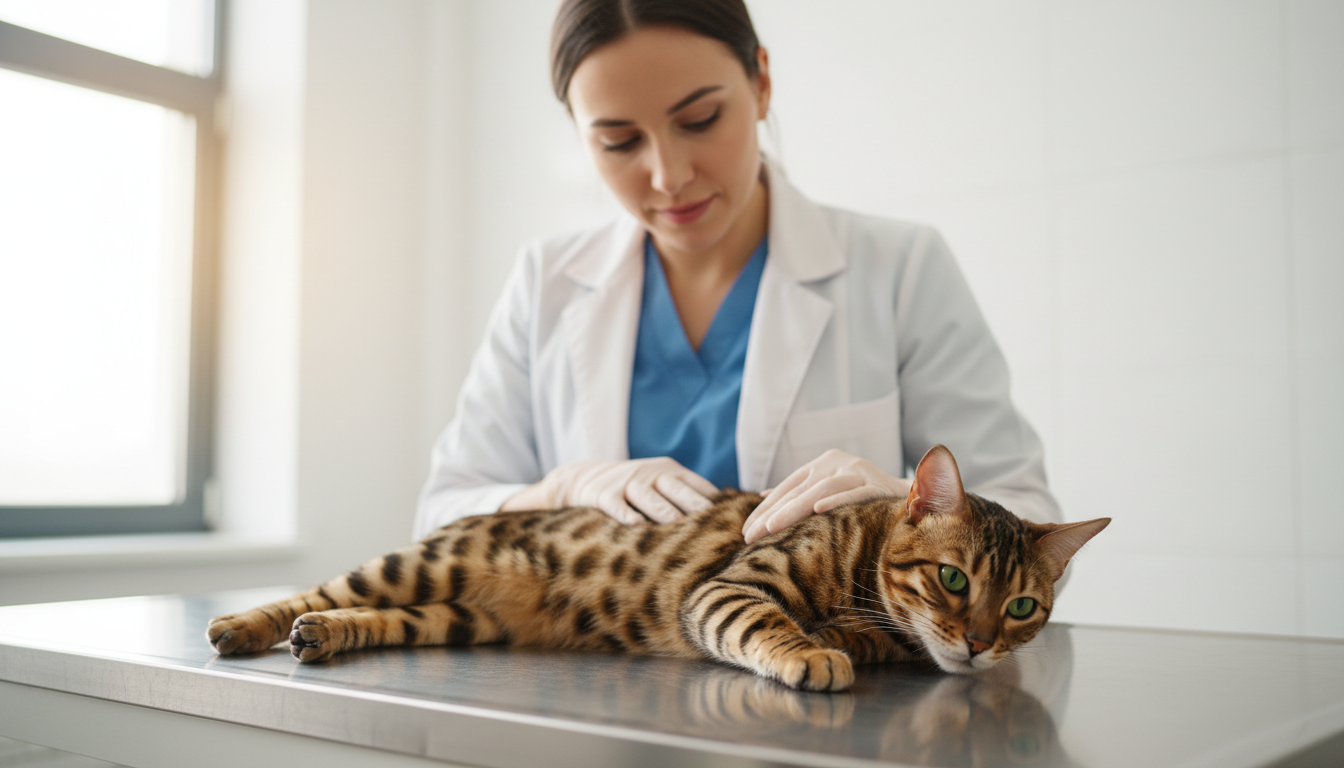
Because hyperesthesia syndrome doesn’t have one single test that confirms it, your vet will likely start by ruling out other possible causes. This usually means a thorough physical exam, checking the skin closely for parasites or irritation, and feeling along the spine and hips for signs of pain. Bloodwork may be recommended to check for thyroid or metabolic issues, especially if the episodes started later in life rather than being a lifelong pattern.
If a neurological cause is suspected, your vet may discuss further diagnostics or refer you to a veterinary neurologist, particularly if the episodes look seizure-like. Keeping a log of when episodes happen, how long they last, and what seemed to trigger them can be genuinely useful information to bring to the appointment, since this pattern often gives the vet more to work with than a single observed episode in the exam room.
Managing Stress and Environment at Home
For many cats, especially high-energy breeds like Bengals, reducing overall stress and providing predictable outlets for energy can meaningfully reduce how often episodes occur. This doesn’t mean eliminating play or excitement altogether, since Bengals genuinely need vigorous activity to feel content. Instead, it’s about balancing high-intensity play with calm wind-down time, particularly in the evening when many owners report episodes happening more often.
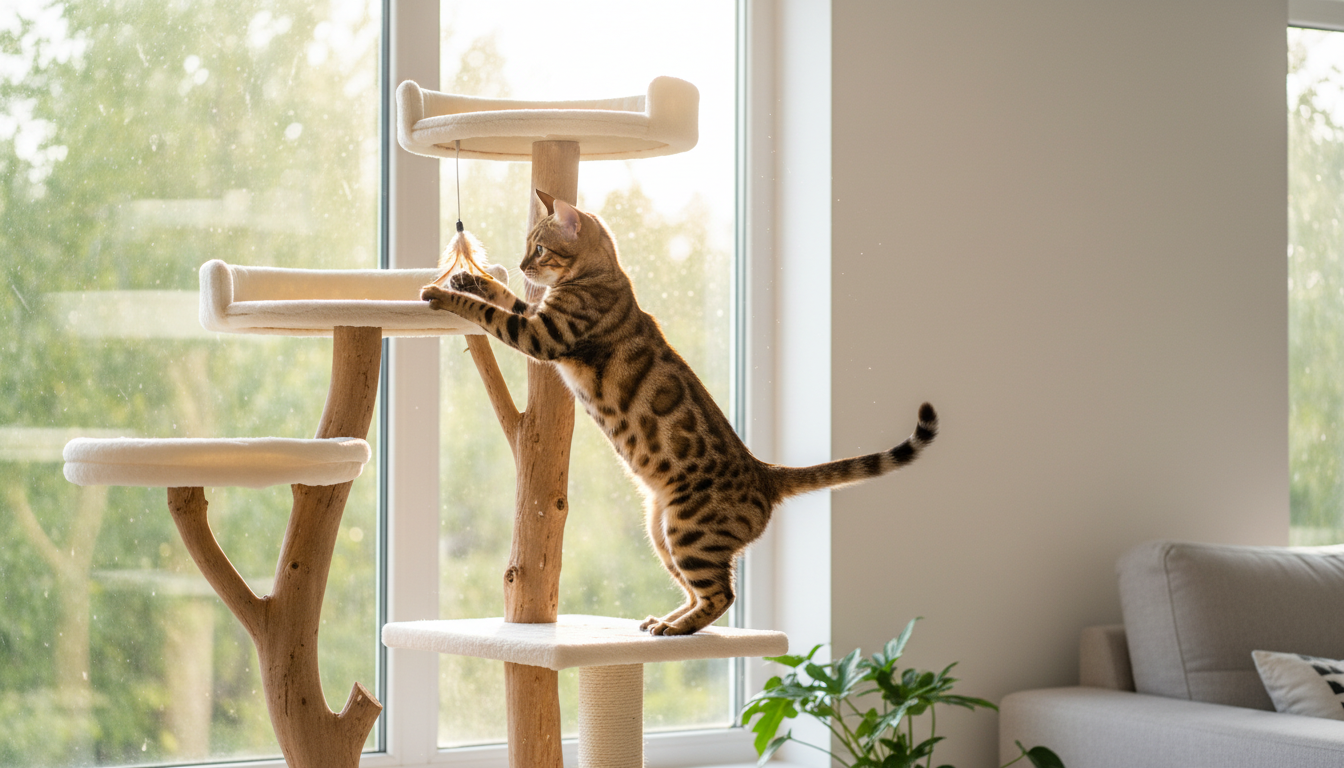
Environmental enrichment matters here too. Cats that don’t have enough mental stimulation during the day can become more reactive and prone to compulsive-looking behaviors, simply because they have pent-up energy with nowhere productive to go. Vertical space, puzzle feeders, and scheduled play sessions can all help redirect that intensity into something constructive rather than letting it build toward an overstimulated state.
- Offer short, structured play sessions rather than one long overstimulating session
- Provide climbing shelves, cat trees, or window perches for Bengals’ high activity needs
- Use puzzle feeders to add mental engagement to mealtime
- Keep a predictable daily routine to reduce anxiety around unexpected changes
- Avoid heavy petting or touch along the lower back if that seems to trigger episodes
The Role of Diet and Physical Health
While diet alone isn’t a cure for hyperesthesia syndrome, general physical health does play into how a cat’s nervous system and skin respond to stress. A cat dealing with untreated skin allergies, flea infestations, or gastrointestinal discomfort may show more frequent episodes simply because their body is already in a heightened state of irritation. Making sure your cat is on appropriate parasite prevention and eating a diet that agrees with her system is a reasonable piece of the overall picture.
Your vet is the right person to guide any dietary changes, particularly if there’s a suspicion that food sensitivities or gut discomfort could be contributing to your cat’s overall stress level. Don’t start elimination diets or new supplements without their input, since some well-meaning changes can complicate the diagnostic picture rather than help it.
Can Hyperesthesia Be a Sign of Pain?
One important consideration that sometimes gets overlooked is that hyperesthesia-like symptoms can occasionally be a cat’s way of showing that something is physically uncomfortable, particularly around the spine, hips, or tail base. Arthritis, spinal disc issues, or even old injuries can cause a cat to react strongly when that area is touched or moved a certain way. This is especially worth investigating in cats where the behavior seems to worsen with age rather than staying consistent since kittenhood.
A vet exam focused on gently palpating the spine and hind end can help identify whether pain is a contributing factor. If pain is suspected, your vet can discuss appropriate ways to manage it, which may shift the whole approach away from purely behavioral management and toward addressing an underlying physical cause.
Medication and Treatment Options
Treatment for hyperesthesia syndrome depends heavily on what your vet identifies as the likely underlying driver. In cases where anxiety or compulsive behavior seems to be the primary factor, your vet may discuss behavioral medications alongside environmental changes, though this decision and any dosing should always come directly from your veterinarian based on your cat’s specific situation. In cases where an underlying medical issue like skin disease or pain is found, treating that root cause often reduces or resolves the episodes entirely.
It’s worth being patient with this process. Because hyperesthesia can have multiple possible causes, it sometimes takes a bit of trial and observation, working closely with your vet, to land on the combination of changes that actually helps your particular cat. Never adjust or start any medication on your own, and always follow your vet’s guidance closely if medication becomes part of the plan.
Living With a Bengal Prone to Episodes
Many Bengal owners find that once they understand the pattern and triggers, these episodes become far less alarming, even if they don’t disappear completely. Learning your own cat’s specific signs, whether that’s a particular sound, a certain time of day, or a buildup after intense play, gives you the ability to step in early and redirect her before things escalate. Staying calm during an episode rather than reacting with alarm also helps, since cats can pick up on your energy and become more agitated if you seem distressed.
Building a consistent daily rhythm that includes plenty of active play, quiet downtime, and predictable routines tends to serve high-energy breeds like Bengals well regardless of whether hyperesthesia is part of the picture. Cats thrive on predictability, and reducing the overall stress load in the household often has ripple effects across many aspects of behavior, not just the episodes themselves.
When to Seek Emergency Care
While most hyperesthesia episodes aren’t emergencies, there are situations where you shouldn’t wait for a regular appointment. If your cat collapses, loses consciousness, has a true seizure with rigid limbs and loss of bladder control, or is injuring herself severely enough to need wound care, this warrants urgent veterinary attention right away. Trust your instincts here. You know your cat’s normal patterns better than anyone, and a sudden change in the severity or nature of episodes is reason enough to get her seen quickly rather than waiting to see if it passes.
- Loss of consciousness or a true seizure
- Severe self-inflicted wounds or bleeding
- Episodes lasting unusually long or not stopping as they normally do
- Signs of extreme distress, disorientation, or inability to recognize you
- Any episode accompanied by vomiting, difficulty breathing, or collapse
The Bottom Line for Bengal Owners
Feline hyperesthesia syndrome can be unsettling to watch, especially in a breed as expressive and intense as the Bengal, but understanding what’s happening takes away a lot of the fear. Most cases benefit from a combination of ruling out medical causes, reducing environmental stress, and giving your cat productive outlets for her energy. Working with your vet rather than guessing at home gives you the best shot at figuring out what’s actually driving your cat’s episodes and how to help her feel more settled day to day.
If you’re noticing these signs in your Bengal, don’t wait to bring it up at her next visit, or sooner if episodes are frequent or worsening. A proper exam and open conversation with your vet is the most reliable way to separate ordinary Bengal intensity from something that needs a more targeted plan.
This article is for general education and is not a substitute for care from your own veterinarian. Learn about The Pet Vet and our editorial policy.