
Amyloidosis in Abyssinian cats is a hereditary condition that many owners have never heard of until a vet mentions it, and that can be frightening. This disease involves an abnormal protein building up in organs, most often the kidneys, and it tends to run in this particular breed more than others. Below you’ll find what it is, how it shows up, and what you and your vet can do to support your cat.
Table of Contents
- What Amyloidosis Actually Is
- Why the Kidneys Are Usually Hit Hardest
- Signs You Might Notice at Home
- How Vets Diagnose the Condition
- Is There a Cure
- Supportive Care and Management Options
- The Role of Genetics and Breeding
- Why Regular Vet Visits Matter So Much for This Breed
- Living With an Abyssinian Diagnosed With Amyloidosis
- When to Seek Emergency Care
- Final Thoughts for Abyssinian Owners
What Amyloidosis Actually Is
Amyloidosis happens when an abnormal protein called amyloid builds up in the tissues of the body, gradually interfering with how organs function. In Abyssinian cats, this protein tends to accumulate most heavily in the kidneys, though the liver, spleen, and other organs can be affected too. Because the deposits build up slowly and quietly, many cats seem completely normal for a long time before any outward signs appear.
This is considered a hereditary condition in the breed, meaning it is believed to be passed down through genetics rather than caused by diet, infection, or lifestyle. Related breeds such as the Somali, which shares much of its genetic background with the Abyssinian, are also thought to carry an increased risk. Researchers are still working to fully understand exactly how the condition is inherited, so if you have an Abyssinian, it’s worth simply being aware that this is a known risk in the breed rather than something you did or could have prevented.
The tricky part about amyloidosis is that the kidneys can lose a significant amount of function before a cat shows any obvious symptoms, since these organs are able to compensate for quite a while. This is part of why routine veterinary checkups matter so much for this breed, even when your cat seems perfectly healthy at home.
Why the Kidneys Are Usually Hit Hardest
The kidneys are especially vulnerable to amyloid buildup because of how they filter blood and concentrate urine. As amyloid deposits accumulate in the kidney tissue, they gradually replace healthy, functioning tissue, which reduces the kidney’s ability to filter waste products and balance fluids properly. Over time, this can progress into a form of chronic kidney disease that shares some similarities with kidney disease seen in cats generally, but with amyloidosis as the underlying cause.
Because the damage tends to happen gradually, many Abyssinian cats with amyloidosis are middle-aged or older by the time it’s diagnosed, although younger cats can occasionally be affected. The progression can vary quite a bit from one cat to another, with some experiencing a slow decline over years and others showing a faster decline once symptoms begin.
Signs You Might Notice at Home
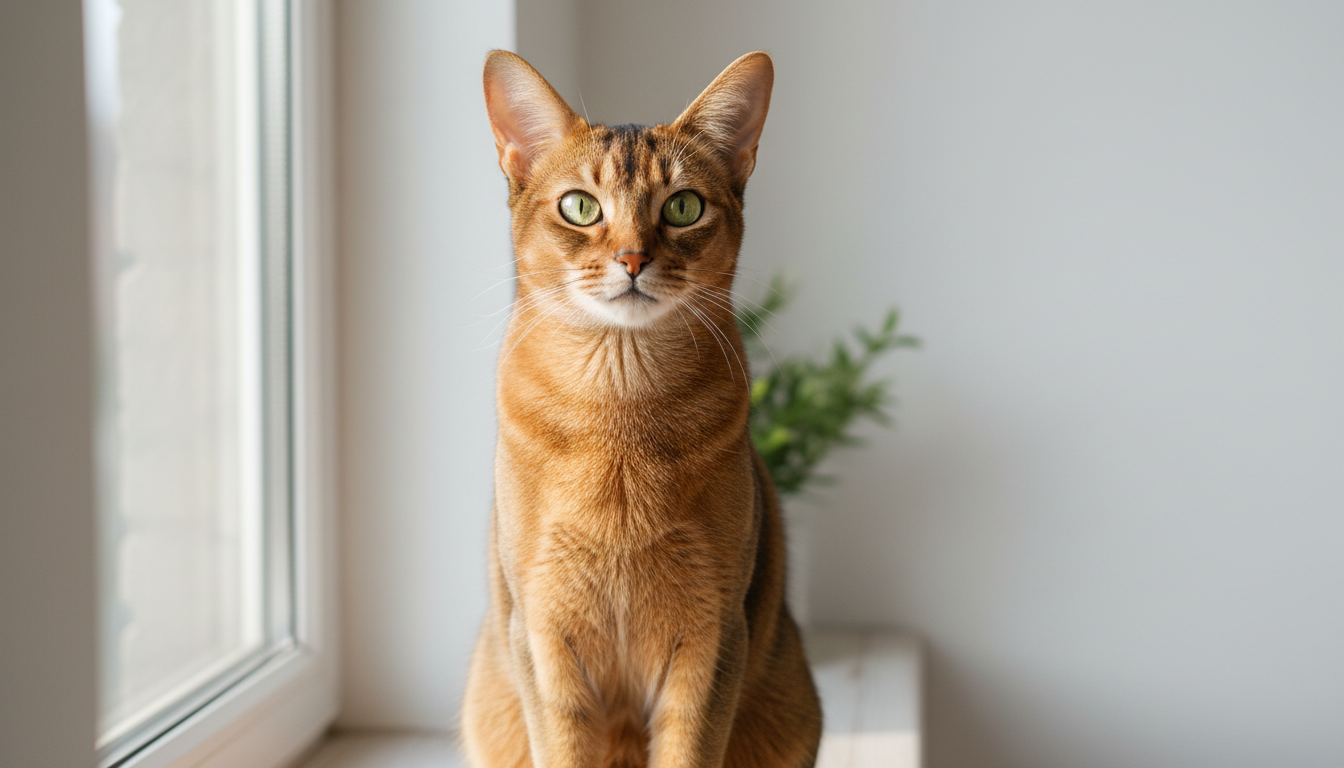
Because early amyloidosis often causes no visible symptoms, many of the signs you would notice are similar to general signs of kidney or liver trouble rather than anything specific to amyloid buildup. Paying attention to subtle shifts in your cat’s habits is one of the most useful things you can do as an owner, since cats are naturally good at hiding illness.
If you notice any combination of these changes, it’s important to schedule a visit with your vet rather than waiting to see if things improve on their own. None of these signs point specifically to amyloidosis on their own, but they are exactly the kind of changes that warrant a thorough veterinary workup.
- Increased thirst and more frequent trips to the litter box
- Weight loss that happens gradually over weeks or months
- A decreased appetite or noticeable pickiness about food
- Vomiting that becomes more frequent than usual
- Lethargy or a general lack of interest in normal activities
- A dull or unkempt-looking coat
How Vets Diagnose the Condition
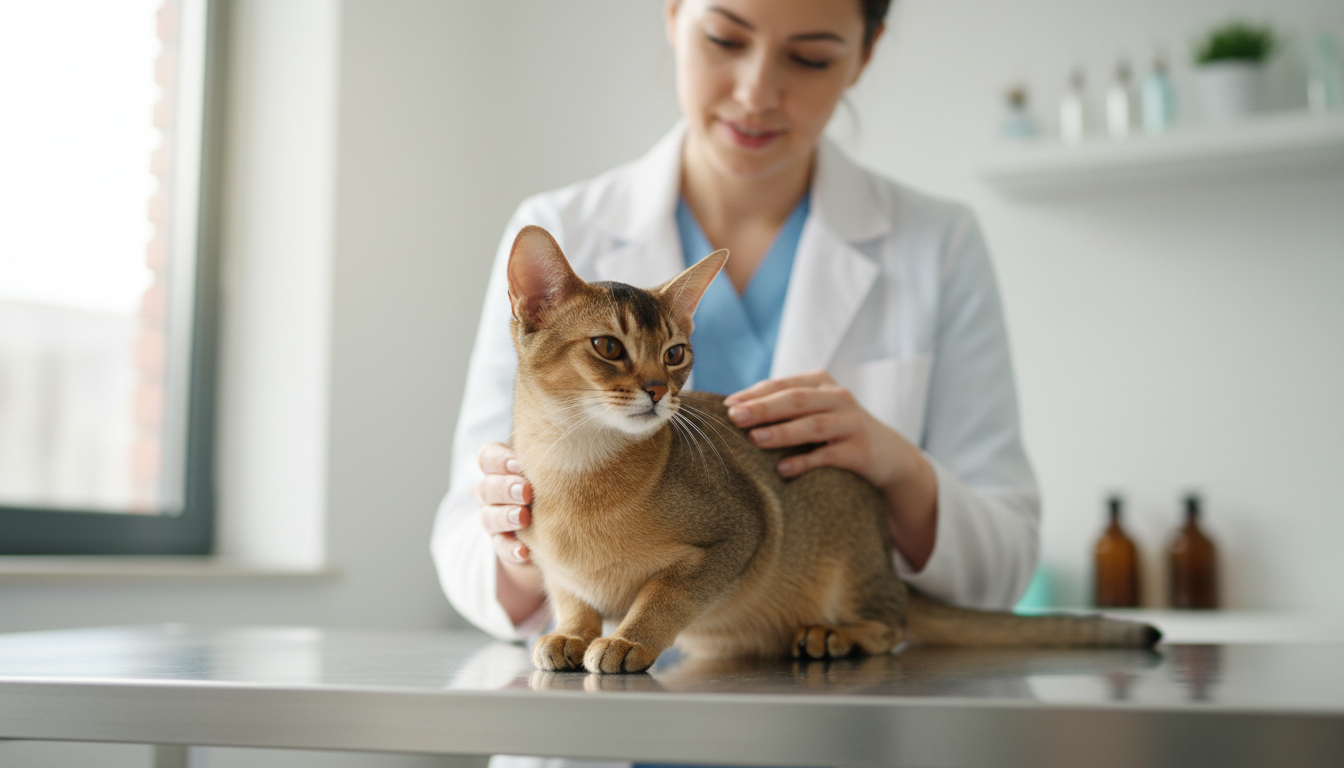
Diagnosing amyloidosis isn’t always straightforward, because many of its signs overlap with other diseases that affect the kidneys and liver. Your vet will likely start with a physical exam and a detailed history, then move into bloodwork that looks at kidney and liver values, along with a urinalysis to check how well the kidneys are concentrating urine and whether there’s excess protein being lost.
Imaging such as an ultrasound may be used to look at the size, shape, and texture of the kidneys and liver, since amyloid-affected organs can sometimes appear different from healthy ones. In some cases, a definitive diagnosis requires a biopsy of the affected organ, examined under a microscope with special staining that can identify amyloid deposits. Because a biopsy is more invasive, your vet will talk with you about whether it’s necessary based on your cat’s overall picture, age, and how the disease seems to be progressing.
Is There a Cure
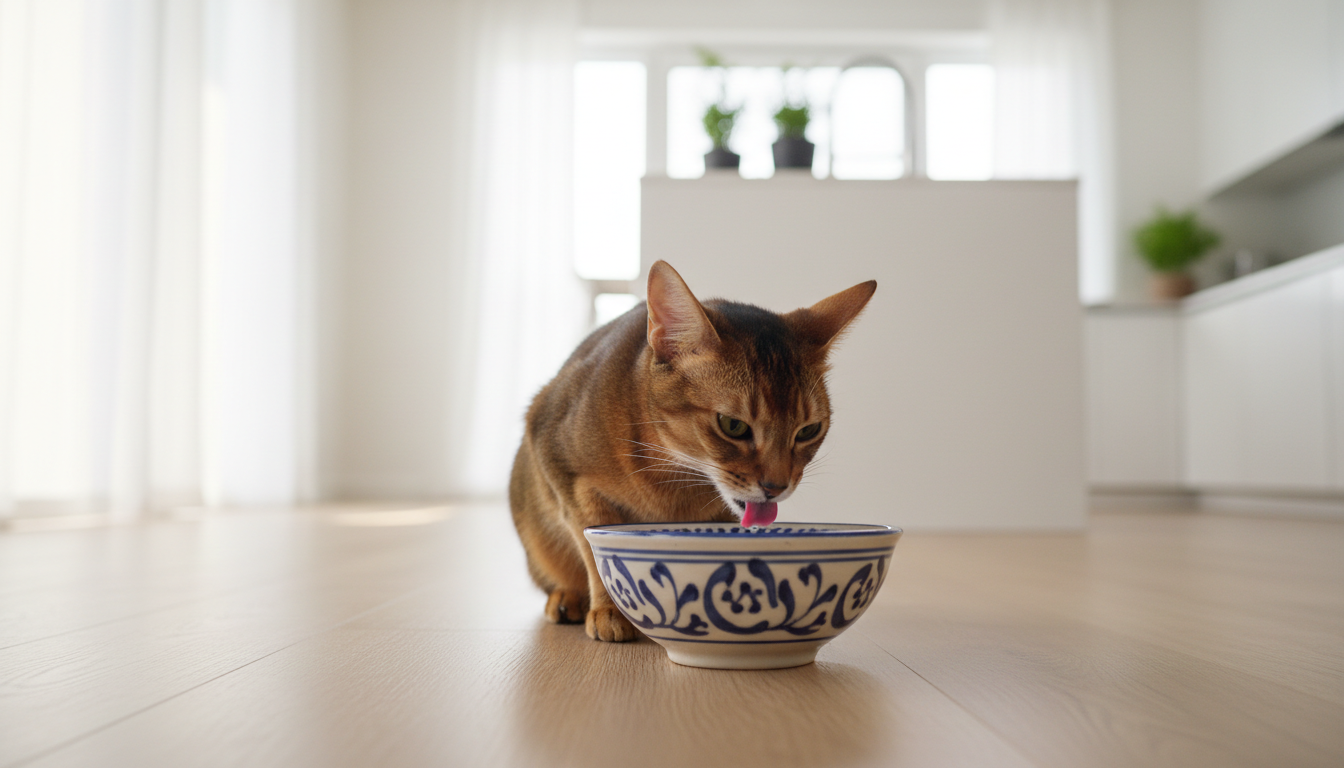
There is currently no cure for amyloidosis, and this is one of the harder realities for owners to accept when their cat is diagnosed. Once amyloid has been deposited in an organ, it generally cannot be removed, which means treatment is centered on managing symptoms, slowing progression where possible, and supporting your cat’s quality of life for as long as possible.
This doesn’t mean a diagnosis is an immediate emergency or that your cat’s life is over. Many cats with kidney or liver involvement from amyloidosis can live comfortably for a good stretch of time with the right supportive care, especially when the condition is caught in its earlier stages. Your vet is the best resource for setting realistic expectations based on your individual cat’s bloodwork, imaging, and overall health.
Supportive Care and Management Options
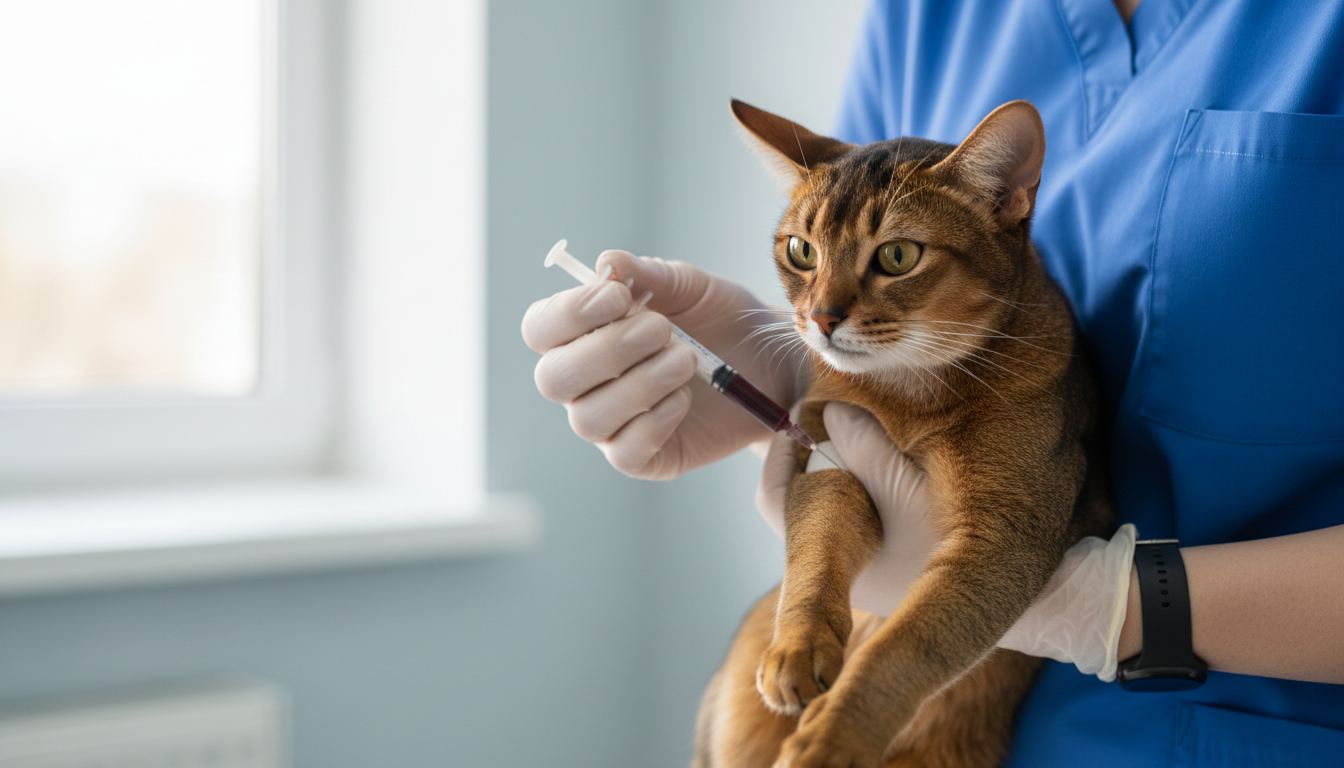
Because there’s no way to reverse amyloid deposits, management focuses on reducing strain on the affected organs and keeping your cat as comfortable as possible. Your vet will tailor a plan specifically to your cat’s needs, which may evolve over time as the disease progresses.
Never start any new supplement, medication, or significant diet change without your vet’s guidance, since some products that seem helpful can actually put more strain on already compromised kidneys or liver. Your vet is also the right person to advise on dosing and timing for anything prescribed, since this can vary cat to cat.
- Prescription kidney-support diets that are easier on the kidneys
- Medications to manage blood pressure if it becomes elevated
- Anti-nausea medication if vomiting becomes a problem
- Fluid therapy, either at the clinic or sometimes at home, to help with hydration
- Regular monitoring bloodwork to track how the kidneys and liver are doing over time
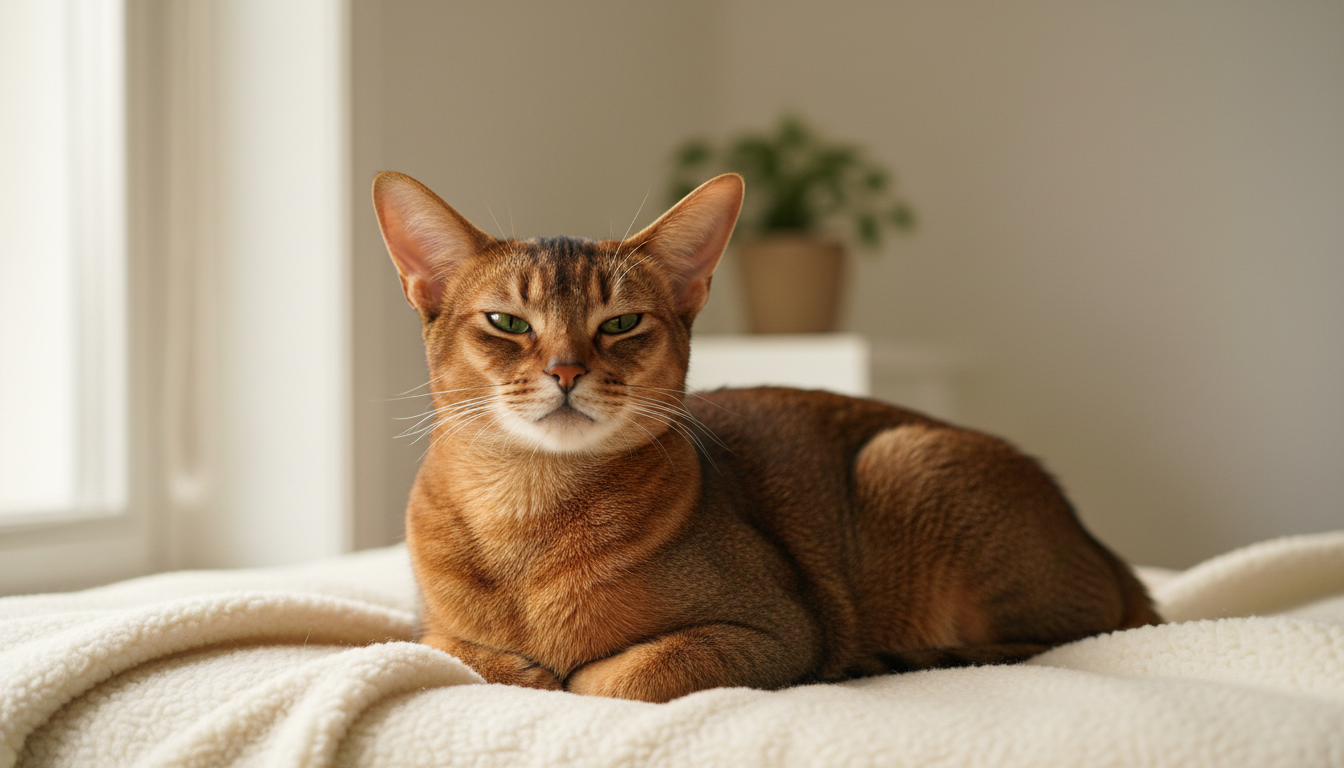
The Role of Genetics and Breeding
Because amyloidosis is believed to have a hereditary component in Abyssinians, responsible breeders often try to be thoughtful about which cats they breed from, particularly if there’s a known history of the condition in a cat’s lineage. If you’re considering adding an Abyssinian kitten to your home, it’s reasonable to ask a breeder whether they’re aware of amyloidosis in the breed and what steps they take to reduce the risk in their lines.
That said, genetics in this condition aren’t fully mapped out yet, so there’s no guaranteed test that can tell you with certainty whether a particular kitten will develop amyloidosis later in life. This uncertainty can be frustrating, but it doesn’t mean you should avoid the breed altogether. It simply means staying alert to your cat’s health throughout their life is especially valuable if you share your home with an Abyssinian.
Why Regular Vet Visits Matter So Much for This Breed
Given how quietly amyloidosis can progress, routine veterinary visits become one of your best tools for catching problems early. Annual wellness exams for younger Abyssinians, and more frequent visits as your cat ages, give your vet the chance to run baseline bloodwork and track subtle changes over time that might not be obvious to you at home.
Establishing a baseline when your cat is young and healthy is genuinely useful, because it gives your vet something to compare against later if values start to shift. If amyloidosis does eventually develop, having years of prior bloodwork on file can help your vet recognize the early trend before your cat is showing outward symptoms, which can make a real difference in how proactively the condition can be managed.
Living With an Abyssinian Diagnosed With Amyloidosis
A diagnosis can feel overwhelming at first, but many owners find that with some adjustments to routine, their cat continues to enjoy a good quality of life for a meaningful stretch of time. Keeping fresh water easily accessible throughout the house, sticking closely to any prescribed diet, and following your vet’s monitoring schedule are some of the simplest ways to support your cat day to day.
It also helps to keep a close eye on subtle changes in appetite, energy, and litter box habits, since these can be early clues that something needs adjusting in your cat’s care plan. Keeping a simple log or notes app on your phone with observations can be genuinely useful during vet visits, since it’s easy to forget small details between appointments.
- Provide multiple water sources around the house to encourage drinking
- Keep litter boxes very clean, since cats with kidney concerns often need to urinate more
- Stick to the prescribed diet consistently rather than mixing in regular food
- Reduce stress where possible, since stress can sometimes affect appetite and overall wellbeing
- Attend all recommended follow-up appointments, even if your cat seems to be doing well
When to Seek Emergency Care
While much of amyloidosis management is about steady, ongoing monitoring, there are moments when a cat’s condition can decline quickly and needs urgent attention. Knowing what warrants an emergency visit versus a routine appointment can make a real difference in outcomes.
If you notice any of these signs, don’t wait for a scheduled appointment. Contact an emergency vet clinic right away, since rapid changes in a cat with underlying organ involvement can sometimes progress quickly.
- Repeated vomiting that your cat can’t keep anything down
- Sudden collapse or extreme weakness
- Difficulty breathing or noticeably labored breaths
- A complete refusal to eat or drink for more than a day
- Seizures or disorientation
Final Thoughts for Abyssinian Owners
Learning that amyloidosis exists as a risk in Abyssinians can feel like one more thing to worry about, but knowledge really is your best tool here. Understanding the early signs, keeping up with regular vet visits, and knowing what questions to ask if you’re getting a kitten all put you in a stronger position to catch problems early and give your cat the best possible quality of life. Your vet remains the best partner in navigating this condition, from initial diagnosis through long-term management, so don’t hesitate to bring up any concerns you have about your Abyssinian’s kidney or liver health at your next appointment.
This article is for general education and is not a substitute for care from your own veterinarian. Learn about The Pet Vet and our editorial policy.