
Brachycephalic airway syndrome is one of the most common health concerns facing French Bulldogs today, and if you share your home with one of these snorty, snuggly companions, you’ve probably already noticed some of the sounds and struggles that come with that adorable flat face. This condition affects how well your dog can breathe, and understanding it can help you spot warning signs early, make smart lifestyle choices, and know when it’s time to call your vet.
Table of Contents
- What Is Brachycephalic Airway Syndrome
- The Anatomy Behind the Struggle
- Common Signs to Watch For
- Why Heat and Exercise Are Especially Risky
- How Vets Diagnose the Condition
- Treatment Options Your Vet May Discuss
- Living Day to Day with a Brachycephalic Dog
- Weight Management Matters More Than You Think
- Sleep and Breathing Challenges
- Travel and Air Transport Considerations
- Recognizing a True Emergency
- Supporting Your Dog Through Anesthesia and Surgery
- Questions Worth Asking Your Vet
- The Bottom Line for French Bulldog Owners
What Is Brachycephalic Airway Syndrome
Brachycephalic airway syndrome, often shortened to BAS, refers to a group of structural problems that affect dogs with short, flat faces like French Bulldogs. The breed’s signature squished muzzle isn’t just a cosmetic trait—it comes from a skull shape that compresses the airway into a smaller space than nature intended. This means the nostrils, soft palate, windpipe, and throat tissues are all crowded together, and that crowding makes it harder for air to move in and out smoothly.
Most French Bulldogs have some degree of this syndrome, even if it’s mild and never causes serious trouble. In more affected dogs, the combination of narrowed nostrils, an elongated soft palate, and a smaller-than-normal windpipe can turn ordinary breathing into real work. Over time, that extra effort can cause secondary changes in the throat that make breathing even harder, which is why vets often talk about catching and managing this condition early rather than waiting for it to become severe.
Because this is considered a conformational issue tied to the breed’s body structure, it isn’t something you caused or something you can fully prevent through care alone. What you can do is understand the signs, reduce triggers that make breathing harder, and work closely with your vet to monitor your dog’s airway health throughout their life.
The Anatomy Behind the Struggle
To understand why French Bulldogs breathe the way they do, it helps to picture what’s happening inside that short skull. Stenotic nares, or narrowed nostrils, mean less air can enter through the nose in the first place, forcing many Frenchies to breathe partly through their mouths even at rest. An elongated soft palate extends further back into the throat than it should, sometimes partially blocking the opening to the windpipe every time your dog inhales.
Many French Bulldogs also have a smaller windpipe diameter relative to their body size, called tracheal hypoplasia, which further limits airflow capacity. In some dogs, the tonsils and tissue folds inside the throat become enlarged or pulled inward from the effort of breathing, adding yet another layer of obstruction. Each of these features on its own might cause only mild noise, but together they can compound into real respiratory distress, especially during exercise, excitement, heat, or stress.
This layered anatomy is part of why some French Bulldogs seem fine as puppies but develop more noticeable symptoms as they age. The extra effort of breathing through a narrowed airway can gradually strain the throat tissues, creating a cycle where the anatomy and the symptoms reinforce each other over time.
Common Signs to Watch For
Snoring and snorting are so associated with French Bulldogs that many owners assume they’re just part of the package, and to some degree that’s true. But there’s a difference between the occasional snuffle and signs that suggest your dog is working too hard to breathe. Learning to tell these apart can help you catch problems before they become emergencies.
If you notice your dog struggling to settle down, breathing with an open mouth even when calm, or showing blue-tinged gums at any point, these are signs that deserve prompt veterinary attention rather than a wait-and-see approach.
- Loud, constant snoring or snorting, even while awake and resting
- Noisy breathing that gets worse with excitement, heat, or activity
- Frequent gagging, retching, or reverse sneezing episodes
- Exercise intolerance or needing to stop and rest often on walks
- Bluish or pale gums, especially during exertion
- Fainting or collapsing after activity or excitement
- Difficulty sleeping flat, with a preference for sitting upright

Why Heat and Exercise Are Especially Risky
French Bulldogs are notoriously vulnerable to overheating, and the connection to their airway anatomy is direct. Dogs cool themselves primarily through panting, which relies on moving air efficiently across the tongue and through the respiratory tract. When that airway is already narrowed, panting becomes a less effective cooling tool, so your Frenchie’s body temperature can climb dangerously fast during warm weather or physical exertion.
This is why so many French Bulldog owners learn to treat summer walks, car rides, and even excited play sessions with extra caution. A dog with a healthy airway might tolerate a hot afternoon stroll without issue, but a brachycephalic dog can go from comfortable to critically overheated in a surprisingly short window of time. Heatstroke in these dogs can escalate quickly and become a true emergency.
If your dog ever seems to be struggling to catch their breath after exercise or appears disoriented, lethargic, or collapses, treat this as an emergency and get to a veterinarian immediately.
- Exercise during the cooler parts of the day, like early morning or evening
- Keep walks short and watch closely for heavy panting or slowing down
- Avoid leaving your dog in cars, even briefly, especially in warm weather
- Provide access to shade and fresh water at all times outdoors
- Limit excitement-driven activity during hot or humid conditions
How Vets Diagnose the Condition
If you bring concerns about your French Bulldog’s breathing to your vet, the evaluation usually starts with a simple physical exam. Your vet will look at the size and shape of the nostrils, listen to breathing sounds with a stethoscope, and ask about your dog’s exercise tolerance, sleep patterns, and any episodes of collapse or distress. This initial exam can reveal a lot, but it often doesn’t tell the whole story of what’s happening deeper in the throat.
For a more complete picture, your vet may recommend sedated or anesthetized examination of the throat and airway. This allows them to directly visualize the soft palate, throat tissues, and windpipe without your dog’s muscle tension masking the true extent of any obstruction. Imaging such as X-rays may also be used to assess the windpipe’s size and check for other related issues.
Because every French Bulldog’s anatomy is a little different, this hands-on evaluation helps your vet determine whether your dog has mild, moderate, or severe airway restriction, and what kind of management or intervention makes sense going forward.

Treatment Options Your Vet May Discuss
Management of brachycephalic airway syndrome depends heavily on how severe your dog’s symptoms are. For dogs with mild signs, many vets focus on lifestyle adjustments, weight management, and close monitoring rather than surgery. Keeping your Frenchie at a healthy weight is particularly important, since extra body weight adds fatty tissue around the throat and chest that further restricts airflow.
For dogs with moderate to severe obstruction, surgical correction is often discussed as a way to improve quality of life. Procedures can include widening the nostrils, shortening an overly long soft palate, or removing enlarged throat tissue that’s contributing to the blockage. These surgeries are performed by veterinary professionals experienced with brachycephalic anatomy, and many dogs show real improvement in breathing comfort and exercise tolerance afterward.
Your vet is the right person to walk you through which approach fits your individual dog, taking into account their age, symptom severity, and overall health. Never attempt to manage significant breathing difficulty with home remedies alone, since worsening airway obstruction can become life-threatening without proper veterinary care.
Living Day to Day with a Brachycephalic Dog
Caring for a French Bulldog with airway sensitivities becomes part of your everyday rhythm once you understand what triggers their symptoms. Many owners find that small adjustments to the home and daily routine make a noticeable difference in their dog’s comfort and energy levels. This isn’t about wrapping your dog in bubble wrap, but about being thoughtful with the choices you have control over.
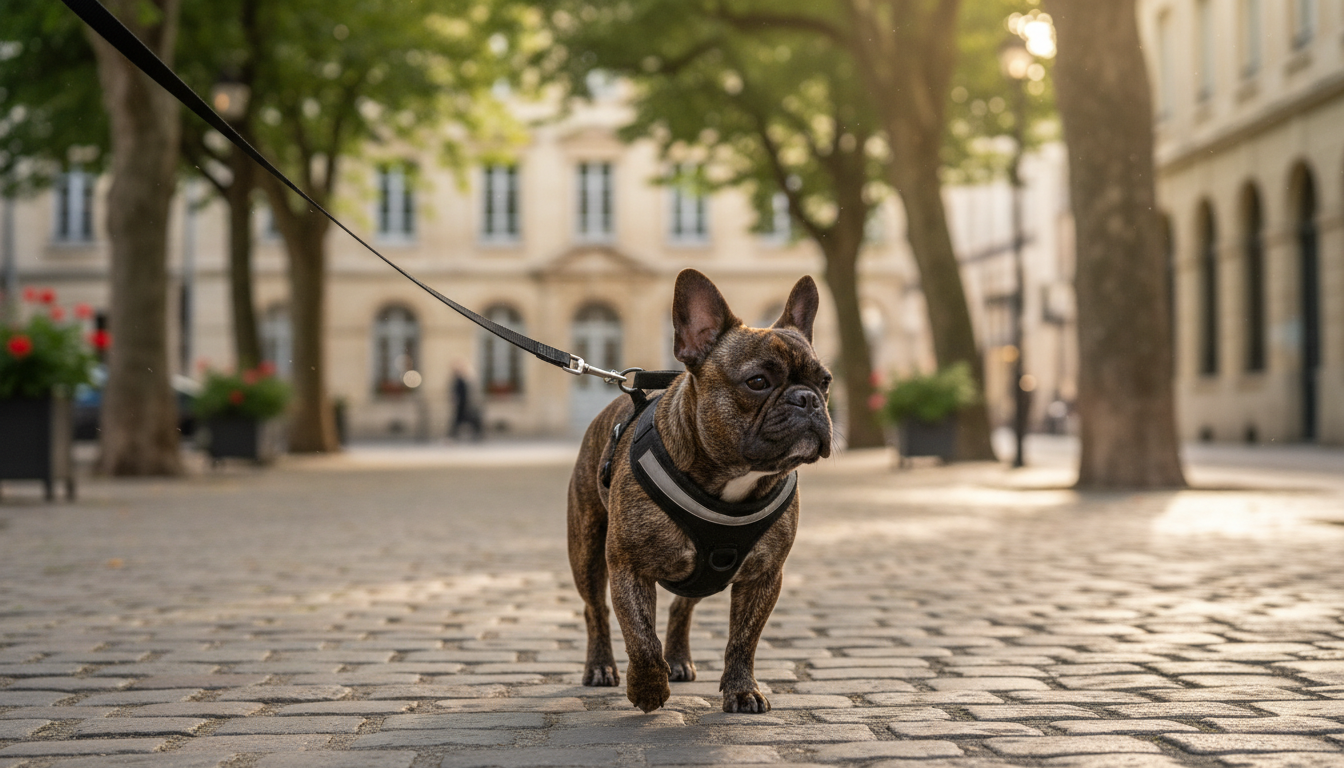
Using a harness instead of a neck collar is one of the most commonly recommended changes, since collars put direct pressure on an already compromised throat area. Keeping your home cool, especially during warmer months, helps reduce the baseline breathing effort your dog needs just to stay comfortable. Managing excitement around guests, other dogs, or exciting events can also prevent the kind of breathless, gasping episodes that scare owners and stress dogs alike.
- Switch from a collar to a well-fitted harness for walks
- Keep indoor temperatures cool and provide good airflow
- Avoid overly strenuous play, especially in warm conditions
- Watch your dog’s weight closely with regular vet check-ins
- Learn your dog’s normal breathing sounds so you notice changes quickly
Weight Management Matters More Than You Think
It’s easy to underestimate how much a few extra pounds can affect a French Bulldog’s breathing, but the connection is significant. Excess fat doesn’t just sit around the belly and hips—it accumulates around the neck, throat, and chest cavity too, adding pressure to an airway that’s already working at a disadvantage. Even a small amount of weight gain can measurably worsen breathing effort in a brachycephalic dog.
Keeping your Frenchie lean through portion-controlled meals and appropriate treats is one of the most practical things you can do to support their breathing long term. Your vet can help you determine a healthy target weight for your individual dog and suggest a feeding plan that supports that goal without leaving your dog feeling deprived.
Regular weigh-ins, whether at home or during vet visits, help you catch gradual weight creep before it becomes a bigger problem. Because French Bulldogs are often less able to exercise vigorously due to their airway limitations, diet plays an outsized role in keeping them at a healthy size compared to breeds that can simply run off extra calories.
Sleep and Breathing Challenges
Many French Bulldog owners notice that their dog’s breathing sounds especially dramatic during sleep, and there’s a real reason for that. When your dog relaxes fully, the throat muscles loosen too, which can allow already-narrowed airway tissues to collapse inward even further. This is why snoring tends to be louder and more constant during deep sleep than during waking hours.
Some French Bulldogs develop a preference for sleeping in unusual positions, like propped up against a pillow or sitting upright, because it’s genuinely easier for them to breathe that way. While this might look amusing, it’s actually a sign of how hard their body works to manage airflow, and it’s worth mentioning to your vet if you notice your dog consistently avoids lying flat to sleep.
If your dog’s snoring is ever accompanied by actual gasping or choking sounds during sleep, or if they wake up repeatedly seeming distressed, this pattern is worth discussing with your veterinarian. These episodes can sometimes signal a more significant degree of airway obstruction that may benefit from further evaluation.

Travel and Air Transport Considerations
Air travel deserves special mention for French Bulldog owners because many airlines have specific restrictions or outright bans on flying brachycephalic breeds in cargo holds, and for good reason. The combination of altitude, temperature fluctuations, and stress can be genuinely dangerous for dogs with compromised airways, even those who seem to manage well in everyday life.
If travel is unavoidable, talk to your vet well in advance about your specific dog’s risk level and what precautions might apply. Car travel generally poses less risk than air travel, but even then, keeping your dog cool, calm, and well-ventilated during the trip matters. Avoid traveling during the hottest parts of the day, and never leave your dog unattended in a parked vehicle.
Being proactive about travel planning, rather than assuming your dog will be fine because they handle daily life well, can prevent a stressful situation from turning into a medical emergency far from home.
Recognizing a True Emergency
Because French Bulldogs live with some degree of breathing difficulty as their normal baseline, it can be hard to know when something has crossed into true emergency territory. Learning your own dog’s normal sounds and patterns is one of the most valuable things you can do, because it helps you recognize meaningful changes faster.
Any of these signs warrants an immediate trip to an emergency veterinary clinic. Don’t wait to see if symptoms improve on their own, since airway crises in brachycephalic dogs can escalate within minutes.
- Gums turning blue, purple, or very pale
- Breathing with extreme effort, with the belly heaving in and out
- Collapse or sudden inability to stand
- Extreme lethargy or unresponsiveness
- Open-mouth breathing that doesn’t improve with rest and cooling
- Body temperature that feels hot to the touch along with distress

Supporting Your Dog Through Anesthesia and Surgery
If your French Bulldog ever needs surgery for any reason, even something unrelated to their airway, it’s worth having an open conversation with your vet about anesthesia considerations specific to brachycephalic dogs. These dogs often require extra monitoring during sedation and recovery because the same airway narrowing that affects daily breathing can complicate how they handle anesthesia.
Experienced veterinary teams typically have protocols in place for brachycephalic patients, including careful airway monitoring right up until your dog is fully alert after a procedure. It’s reasonable to ask your vet directly about their experience with brachycephalic breeds and what extra precautions they take, since this can offer real peace of mind before any planned procedure.
Being upfront about your dog’s breed and any known airway symptoms, even mild ones, helps your veterinary team prepare appropriately and reduces risk during what can otherwise be a routine procedure for other breeds.
Questions Worth Asking Your Vet
Navigating brachycephalic airway syndrome often feels overwhelming at first, especially if you’re newer to French Bulldog ownership. Having a clear set of questions ready for your vet visits can help you feel more confident about your dog’s specific situation and what to expect going forward.
Bringing a written list to appointments ensures you don’t forget important questions in the moment, and it helps your vet understand exactly what’s worrying you most.
- How severe is my dog’s current airway restriction?
- Would my dog benefit from surgical correction now or in the future?
- What weight range is ideal for my dog’s frame and breathing?
- What symptoms should prompt an emergency visit versus a routine call?
- Are there specific precautions I should take during travel or hot weather?
The Bottom Line for French Bulldog Owners
Living with a French Bulldog means embracing some amount of snoring, snorting, and heavy breathing as part of the charm of the breed. But understanding brachycephalic airway syndrome means knowing the difference between normal Frenchie noise and signs that your dog genuinely needs help. Paying attention to your dog’s breathing patterns, managing their weight, avoiding heat and overexertion, and staying in close contact with your vet all work together to give your dog the best possible quality of life.
Every French Bulldog is different, and the severity of this condition varies widely from dog to dog. What matters most is that you don’t dismiss concerning symptoms as “just how Frenchies are,” and instead treat changes in breathing as worth a conversation with your veterinarian. With thoughtful management and good veterinary partnership, many French Bulldogs with this condition go on to live full, happy lives.
If you ever feel uncertain about whether your dog’s breathing is normal or concerning, trust that instinct and reach out to your vet. They know your dog’s history and can help you sort out what’s typical Frenchie snorting from what needs closer attention.
This article is for general education and is not a substitute for care from your own veterinarian. Learn about The Pet Vet and our editorial policy.