
Polycystic kidney disease (PKD) is an inherited condition that shows up more often in British Shorthair cats than in many other breeds, and it can slowly affect how well their kidneys work over time. Because early stages often look completely normal, it helps to understand what PKD is, how it’s found, and what you can do to support your cat’s health. This guide walks you through the basics so you feel prepared, not alarmed.
Table of Contents
- What Is Polycystic Kidney Disease
- Why British Shorthairs Are Affected
- How the Kidneys Are Affected Over Time
- Signs That May Appear
- How Vets Diagnose PKD
- What a Diagnosis Means for Your Cat
- Monitoring and Follow-Up Care
- Supporting Kidney Health at Home
- When to Contact Your Vet
- Breeding Considerations
- Living With a PKD Diagnosis
- The Emotional Side of a Diagnosis
- Final Thoughts
What Is Polycystic Kidney Disease
Polycystic kidney disease in British Shorthair cats is an inherited condition where small fluid-filled cysts form within the kidney tissue. These cysts are usually present from birth, but they tend to be tiny at first and grow slowly over months or years. As they enlarge, they can gradually replace healthy kidney tissue, which may eventually affect how efficiently the kidneys filter waste from the blood.
This condition is passed down genetically, and British Shorthairs are one of the breeds known to carry this trait more frequently than the general cat population. It’s important to understand that having the gene does not mean a cat will become sick right away, or even during its younger years. Many cats with PKD live for a long time with mild or no symptoms, especially if the cyst burden stays small and kidney function remains largely preserved.
Because the disease progresses at different speeds in different cats, there’s no single timeline that applies to everyone. Some cats develop noticeable kidney changes in middle age, while others show barely any decline well into their senior years. This variability is part of why ongoing veterinary monitoring matters so much, rather than relying on a one-time test result to predict the future.
Why British Shorthairs Are Affected
The genetic mutation associated with polycystic kidney disease has been identified in several cat breeds, with British Shorthairs and Persians among those most commonly discussed in veterinary literature. Because the trait is passed from parent to kitten, cats descending from lines where the mutation was present are more likely to carry it themselves. This is why responsible breeders often screen their breeding cats before placing kittens in homes.
If you adopted your British Shorthair from a breeder, it’s worth asking whether the parents were tested for PKD. Reputable catteries that prioritize health typically keep records of genetic screening and can share this information with you. If you’re not sure of your cat’s background, that’s okay too — your vet can help you decide whether testing makes sense based on your cat’s age and overall health picture.
How the Kidneys Are Affected Over Time
The cysts associated with PKD start out small, often just a few millimeters across, and tend to increase gradually in both size and number as a cat ages. Because kidneys have a fair amount of reserve capacity, a cat can lose a meaningful portion of working kidney tissue before any outward signs appear. This is part of what makes PKD tricky to catch early just by watching your cat’s behavior at home.
Over time, as more cysts form and enlarge, the kidneys may become less able to concentrate urine and filter toxins effectively. This can eventually lead to chronic kidney disease, though the pace at which this happens varies enormously between individual cats. Some British Shorthairs with confirmed PKD never progress to significant kidney dysfunction, while others develop changes that need active management.
Signs That May Appear
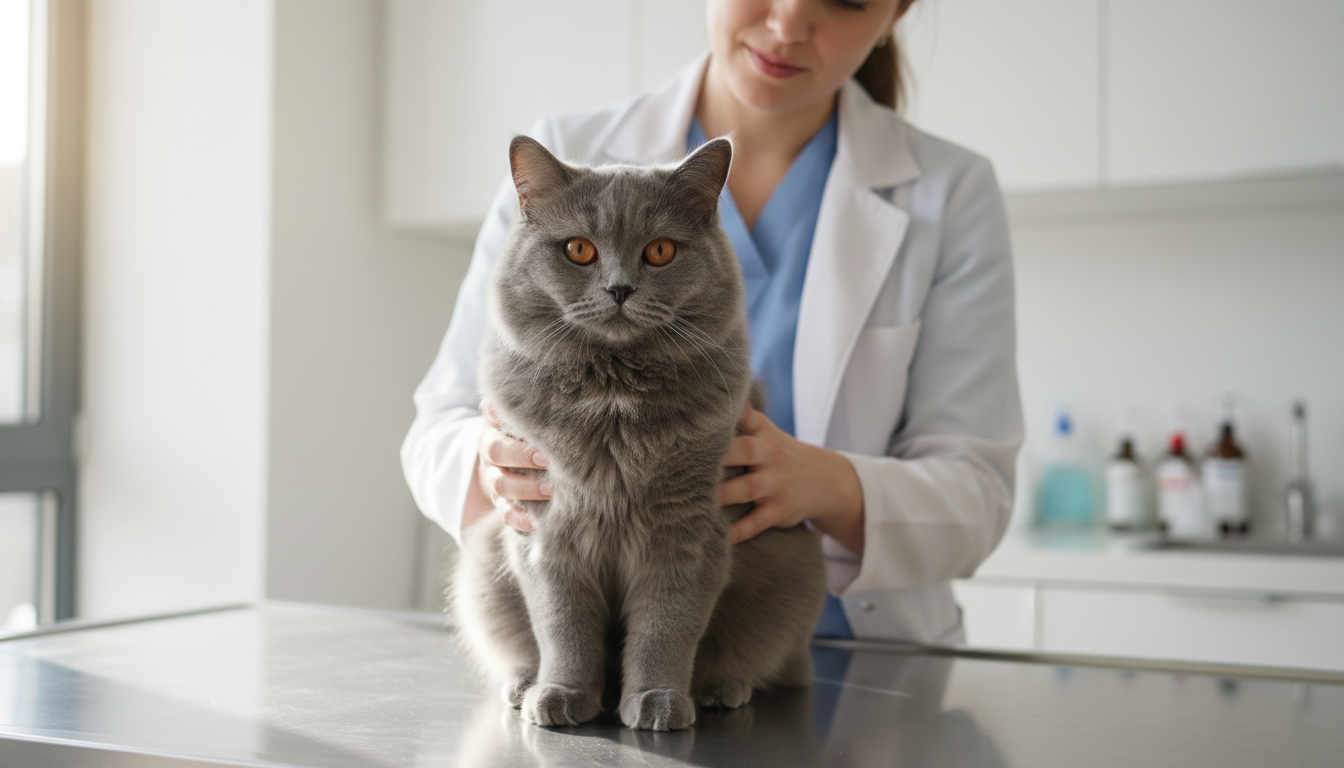
In the early stages, most cats with PKD show no outward symptoms at all, which is one of the reasons screening matters more than waiting for signs. As the disease progresses and kidney function becomes more affected, you may start to notice subtle changes in your cat’s daily habits. These signs often develop gradually, so it helps to pay attention to patterns over weeks rather than expecting a sudden, obvious change.
If you notice any combination of these changes in your British Shorthair, it’s important to see a vet rather than assuming it will resolve on its own. These signs overlap with several other health conditions, so a proper veterinary exam is the only way to know what’s actually going on.
- Increased thirst and more frequent trips to the water bowl
- Urinating more often or producing larger amounts of urine
- Gradual weight loss despite a normal or even increased appetite
- A duller coat or reduced interest in grooming
- Lethargy or spending more time resting than usual
- Occasional vomiting or a decreased appetite in more advanced stages
How Vets Diagnose PKD
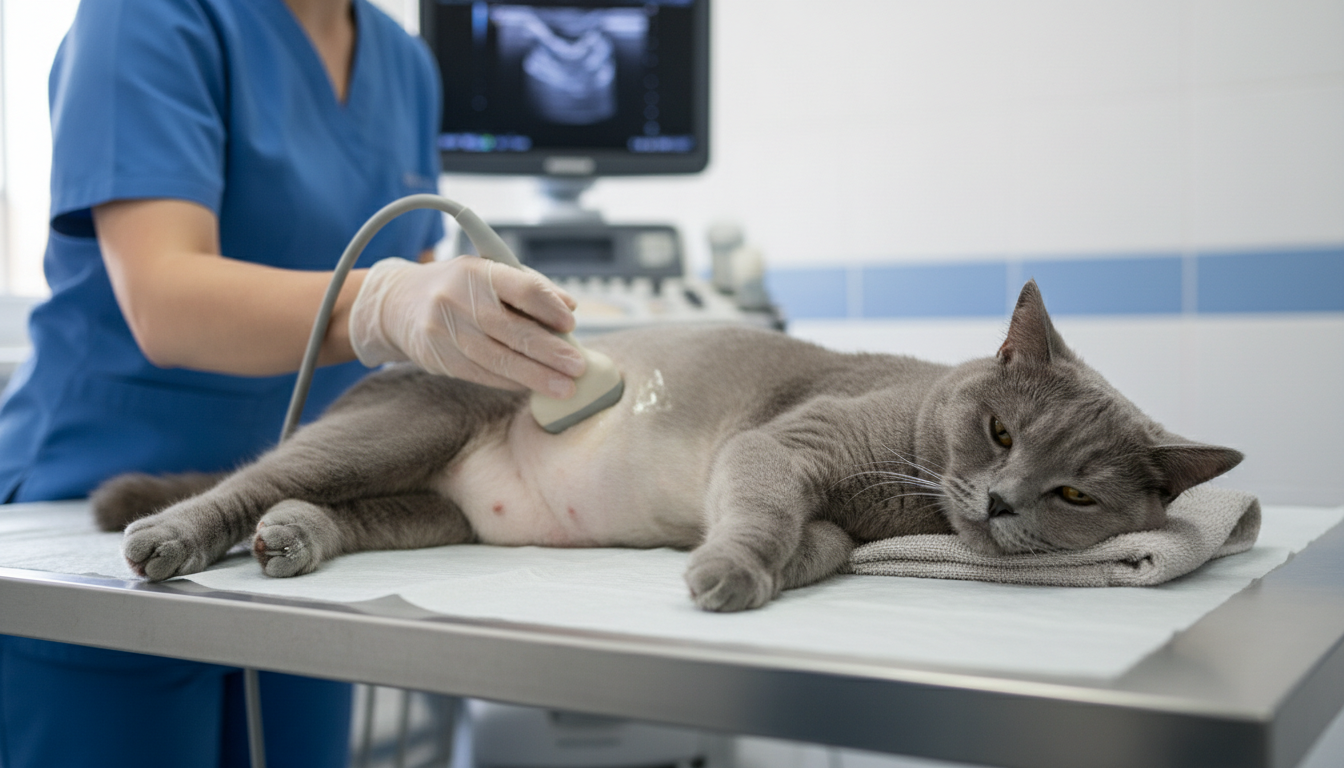
Diagnosing polycystic kidney disease typically starts with an ultrasound of the kidneys, which allows your vet to visualize any cysts directly. Ultrasound is considered a reliable method for detecting cysts in cats, particularly as they age and the cysts become larger and easier to see. In younger cats, very small cysts can sometimes be missed, so a single clear ultrasound at a young age doesn’t always rule out the condition completely.
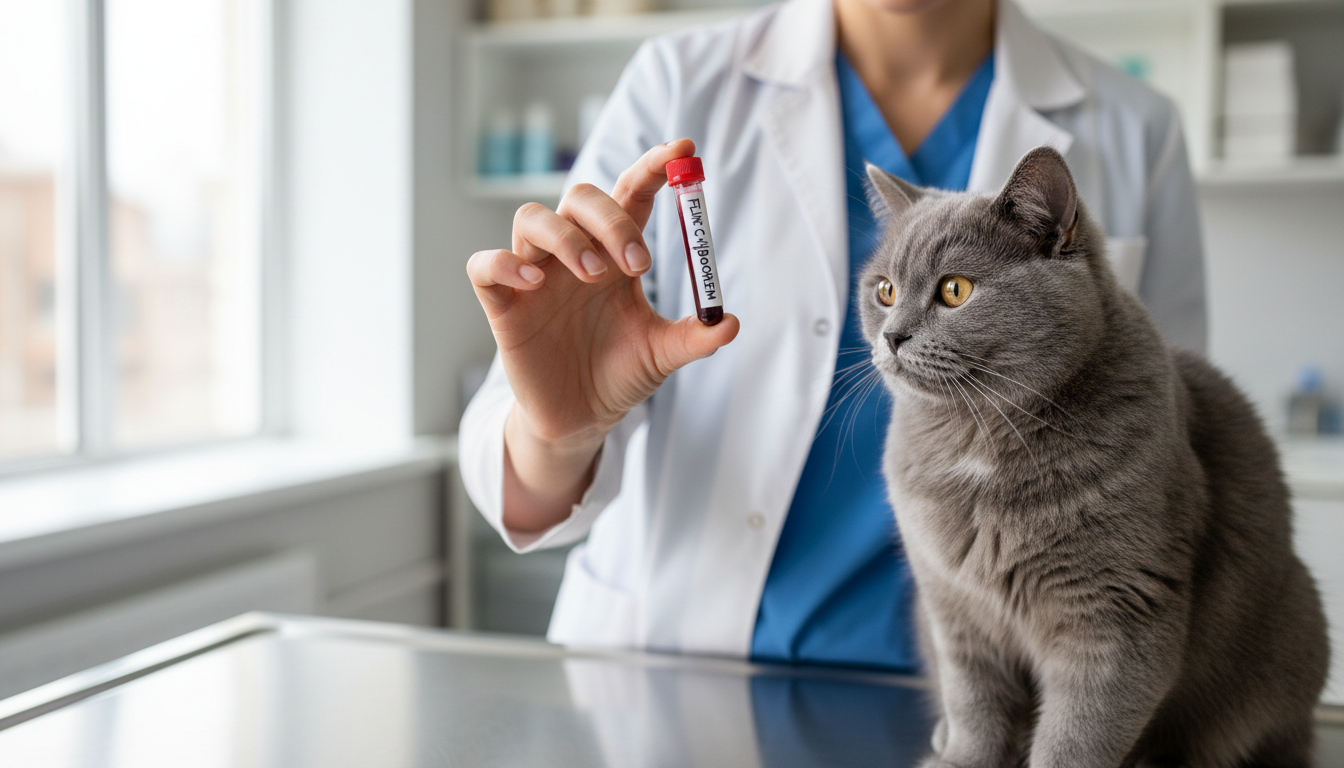
Genetic testing is another option, usually done through a simple blood or cheek swab sample sent to a diagnostic lab. This type of test looks for the specific gene mutation rather than relying on visible cysts, which means it can be used even in kittens before any physical changes would show up on imaging. Many owners choose genetic testing when they want an early, definitive answer about their cat’s status.
Your vet may also recommend bloodwork and urinalysis to assess how well the kidneys are currently functioning, especially in cats who are a bit older or already showing symptoms. These tests look at markers like kidney enzyme levels and urine concentration, giving a fuller picture of kidney health beyond just the presence of cysts. Combining imaging, genetic testing, and bloodwork gives your vet the most complete understanding of where your cat stands.
What a Diagnosis Means for Your Cat
Receiving a PKD diagnosis can feel overwhelming, but it’s worth remembering that many cats with this condition live full, comfortable lives for years after being diagnosed. A diagnosis doesn’t automatically mean your cat is in immediate danger — it means your vet now has important information to guide long-term monitoring and care decisions. Think of it as a heads-up that allows for proactive management rather than a prediction of what will definitely happen.
The specific outlook depends heavily on how many cysts are present, how large they are, and how well the kidneys are currently functioning at the time of diagnosis. A cat with a few small cysts and normal bloodwork has a very different situation than one with extensive cysts and early signs of kidney strain. This is exactly why your vet will want to tailor a monitoring plan specifically to your cat’s individual results.
Monitoring and Follow-Up Care
Once PKD has been identified, regular veterinary checkups become an important part of keeping tabs on your cat’s kidney health. Your vet will likely recommend periodic bloodwork and urine testing to track kidney function over time, even when your cat seems to be doing well. Catching gradual changes early gives you and your vet more options for adjusting care before a cat starts feeling unwell.
The frequency of these checkups often increases as a cat gets older or if initial results showed more significant cyst involvement. Some cats may only need annual monitoring for years, while others benefit from more frequent visits once changes start to appear. Your vet is in the best position to recommend a schedule based on your individual cat’s situation, so it’s worth having an open conversation about what makes sense for your household.
- Routine bloodwork to track kidney values over time
- Urinalysis to assess how well the kidneys are concentrating urine
- Blood pressure checks, since kidney disease can sometimes affect it
- Periodic ultrasounds to monitor cyst size and number
- Weight tracking at each visit to catch gradual loss early
Supporting Kidney Health at Home
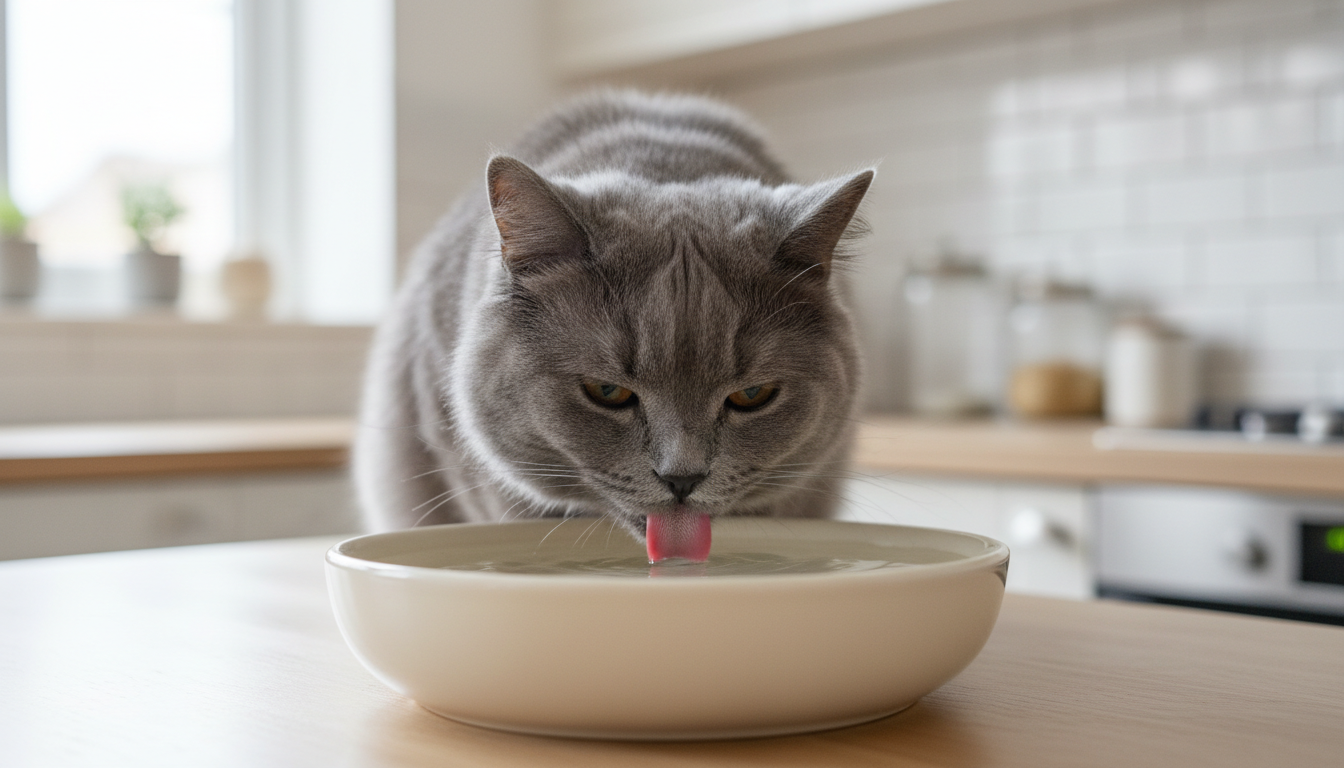
While there’s no way to reverse existing cysts, there are things you can do at home to support your British Shorthair’s overall kidney health and comfort. Fresh water should always be easily accessible, and some owners find that cats drink more readily from wide, shallow bowls or a pet fountain. Encouraging good hydration isn’t a cure, but it supports the kidneys in doing their job more comfortably.
Your vet may also discuss dietary adjustments depending on how your cat’s kidney function looks on bloodwork. Diets formulated with kidney support in mind are sometimes recommended for cats showing signs of reduced kidney function, though this decision should always be made with your vet rather than switched on your own. Every cat’s needs are different, and the right diet depends on the specific stage and severity of any kidney changes present.
Keeping stress low and maintaining a predictable routine can also make a meaningful difference for a cat managing a chronic health condition. Cats are sensitive to disruption, and reducing unnecessary stressors at home may support their overall wellbeing alongside any medical management your vet recommends.
When to Contact Your Vet
Certain changes in your cat’s condition warrant a prompt call to your vet rather than waiting for a scheduled checkup. Because kidney-related symptoms can sometimes escalate, it’s better to reach out sooner rather than later if something feels off.
If you ever notice several of these signs happening together, it’s worth treating it as something that needs attention soon rather than something to monitor passively at home.
- Noticeable increase in thirst or urination over a short period
- Sudden loss of appetite or refusal to eat
- Repeated vomiting
- Visible weight loss you can feel along the spine or ribs
- Unusual lethargy or hiding more than normal
- Signs of pain such as reluctance to be touched near the belly
Breeding Considerations
If you’re considering breeding your British Shorthair or purchasing a kitten from a breeding program, PKD status is an important piece of information to have. Breeders who test their cats and avoid breeding those carrying the mutation help reduce how often this condition appears in future generations. Over time, this kind of responsible screening has the potential to lower the overall prevalence of PKD within the breed.
If you’re simply looking to adopt a British Shorthair kitten as a companion, asking about PKD testing in the parent cats is a reasonable question to bring up with any breeder. It doesn’t need to be the deciding factor in your decision, but it gives you useful information going into your cat’s life with you.
Living With a PKD Diagnosis
Many owners of cats with PKD describe adjusting to a “watch and support” mindset rather than feeling like they’re constantly managing a crisis. Once your vet has a baseline understanding of your cat’s kidney function, day-to-day life often looks very similar to life with any other cat — same play, same cuddles, same routines, just with a bit more attention paid to water intake and regular checkups.
It can help to keep a simple log of your cat’s weight, appetite, and water intake between vet visits, especially if changes tend to be gradual. This kind of record gives your vet useful context during appointments and can help catch subtle shifts you might not notice day to day. Over time, this becomes a normal part of caring for your cat rather than an added burden.

The Emotional Side of a Diagnosis
It’s completely normal to feel anxious after learning your cat has a genetic kidney condition, especially one tied to their breed. Try to remember that a PKD diagnosis is information, not a verdict, and that many cats carry this condition for years with minimal impact on their quality of life. Leaning on your vet team for honest updates at each visit can help keep worry in check and replace it with a clear sense of what’s actually happening with your cat’s health.
Connecting with other British Shorthair owners who have navigated a PKD diagnosis can also be a source of reassurance. Hearing how other cats have done over months and years often helps put your own cat’s situation into a more realistic perspective.
Final Thoughts
Polycystic kidney disease in British Shorthair cats is a condition that calls for awareness and proactive monitoring rather than panic. With regular veterinary care, appropriate testing, and attentive observation at home, many cats with PKD continue to enjoy comfortable, happy lives. If you have any concerns about your cat’s kidney health or want to discuss testing options, reach out to your vet — they’re your best resource for turning general information into a plan that fits your specific cat.
This article is for general education and is not a substitute for care from your own veterinarian. Learn about The Pet Vet and our editorial policy.