
Whippet skin tears are one of the most common injuries this breed experiences, and if you’ve ever watched your Whippet come back from a romp in the yard with a flap of skin hanging open, you know how alarming it can look. Their famously thin skin and lean build make them more prone to cuts, scrapes, and tears than most other breeds. This guide walks you through why it happens, how to handle it at home, and when a trip to the vet is non-negotiable.
Table of Contents
- Why Whippets Are So Prone to Skin Injuries
- What a Skin Tear Looks Like
- Common Situations That Lead to Tears
- First Aid Steps You Can Take at Home
- When a Skin Tear Needs Veterinary Attention
- Why Whippet Skin Doesn’t Hold Stitches Like Other Breeds
- Preventing Skin Tears During Exercise
- Caring for a Healing Wound
- The Role of Nutrition in Skin Resilience
- Recognizing Infection in a Healing Wound
- Managing a Whippet’s Instinct to Run Full-Speed
- Special Considerations for Senior Whippets
- When to Call Your Vet Immediately
- Living With a Thin-Skinned Breed
Why Whippets Are So Prone to Skin Injuries
Whippets were bred for speed, and everything about their body reflects that, including their skin. Compared to many other breeds, Whippets have remarkably thin skin with very little subcutaneous fat underneath to cushion it. This means that even a minor bump against a fence post, a thorny bush, or a sharp corner of furniture can result in a tear rather than just a bruise.
Their low body fat percentage also plays a role. Fat acts as a buffer between skin and the sharp edges of the world, and Whippets simply don’t have much of it. Add in their love of running at full speed, often in open fields or wooded areas where hazards aren’t always visible, and you have a breed that is simply built in a way that makes skin tears more likely than in a stockier, thicker-skinned dog.
This isn’t a flaw in the breed, just a tradeoff that comes with their athletic build. Understanding this helps you anticipate risks rather than being caught off guard every time a small scrape turns into something that needs attention.
What a Skin Tear Looks Like
Skin tears in Whippets can range from small superficial scrapes to deeper lacerations where the skin separates from the tissue underneath, sometimes called a degloving injury when it’s severe. You might notice a flap of skin that looks loose or displaced, visible underlying tissue, or an area that bleeds more than you’d expect from what seemed like a minor bump.
Because Whippet skin is so thin, injuries can look more dramatic than they would on a dog with thicker skin, even when the damage is relatively minor. On the other hand, some tears that look small on the surface can actually extend deeper than they appear, especially if your dog was moving at speed when the injury happened.
- A visible flap or fold of skin that doesn’t lie flat
- Bleeding that seems disproportionate to the apparent size of the wound
- Skin that looks thin, stretched, or shiny around the injury site
- Your dog licking or chewing at a specific spot repeatedly
- Reluctance to be touched near the area, or limping if a leg is involved
Common Situations That Lead to Tears
Most Whippet skin tears happen during exercise or play, which makes sense given how much this breed loves to run. Chasing a ball or another dog through brush, jumping over obstacles, or misjudging a turn at high speed are all common scenarios. Thorny plants, wire fencing, and rough concrete are frequent culprits.
Tears can also happen in more everyday situations, like catching a leg on a crate door, scraping against a car bumper while jumping in or out of a vehicle, or even rough play with another dog whose teeth or claws catch the skin unintentionally. Because Whippets are so lean, bony areas like the hips, elbows, and the thin skin over the ribs are especially vulnerable.
- Running through wooded areas, fields, or brush with hidden hazards
- Jumping fences or navigating tight spaces at speed
- Rough play with other dogs, especially larger or more boisterous ones
- Catching skin on crate doors, car interiors, or furniture edges
- Cold weather, which can make skin slightly less elastic and more prone to tearing
First Aid Steps You Can Take at Home
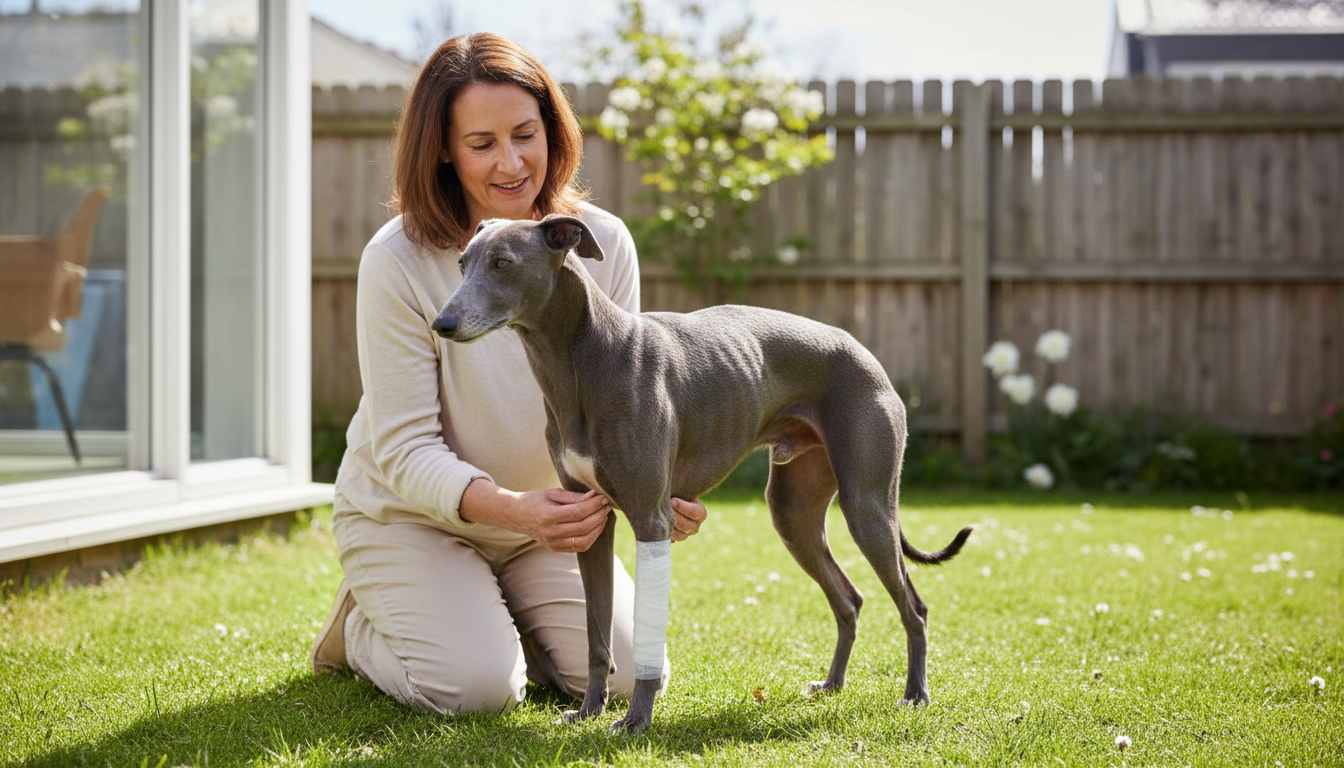
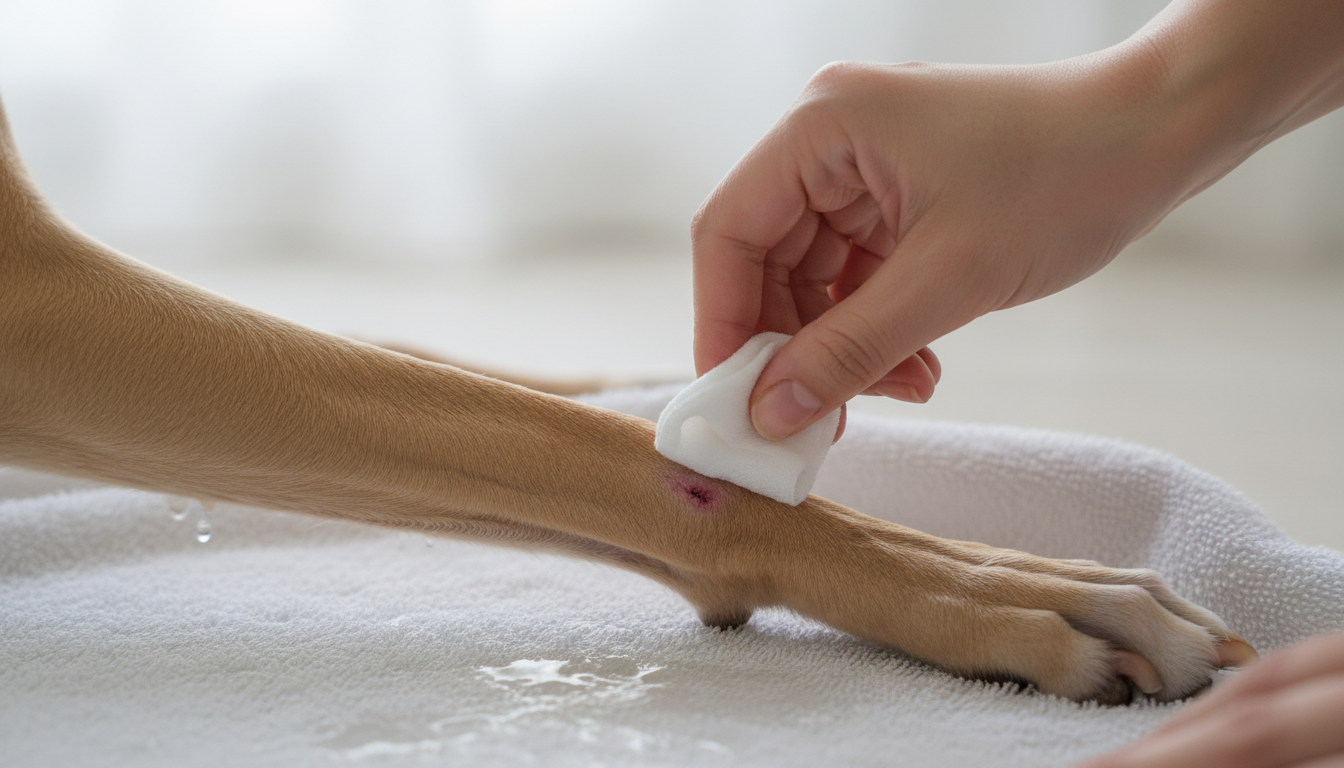
If your Whippet has a minor scrape or superficial tear, there are some steps you can take before deciding whether a vet visit is needed. Start by gently cleaning the area with lukewarm water to remove any dirt or debris, and avoid using hydrogen peroxide or alcohol, as these can damage healthy tissue and delay healing. A clean cloth or gauze pad can be used to apply gentle pressure if there’s any bleeding.
Once the area is clean, you can cover it with a non-stick bandage if it’s in a location that’s easy to wrap, such as a leg. Try to keep your dog calm and limit movement for a bit, since running or jumping can reopen a wound that’s just starting to close. Keep a close eye on the area over the next day or two for any signs of swelling, redness, discharge, or a bad smell, which could indicate infection setting in.
- Clean the wound gently with lukewarm water, not peroxide or alcohol
- Apply gentle, steady pressure with clean gauze if there’s bleeding
- Cover superficial wounds with a non-stick bandage if practical
- Restrict activity for a day or two to allow initial healing
- Watch closely for swelling, odor, or discharge over the following days
When a Skin Tear Needs Veterinary Attention
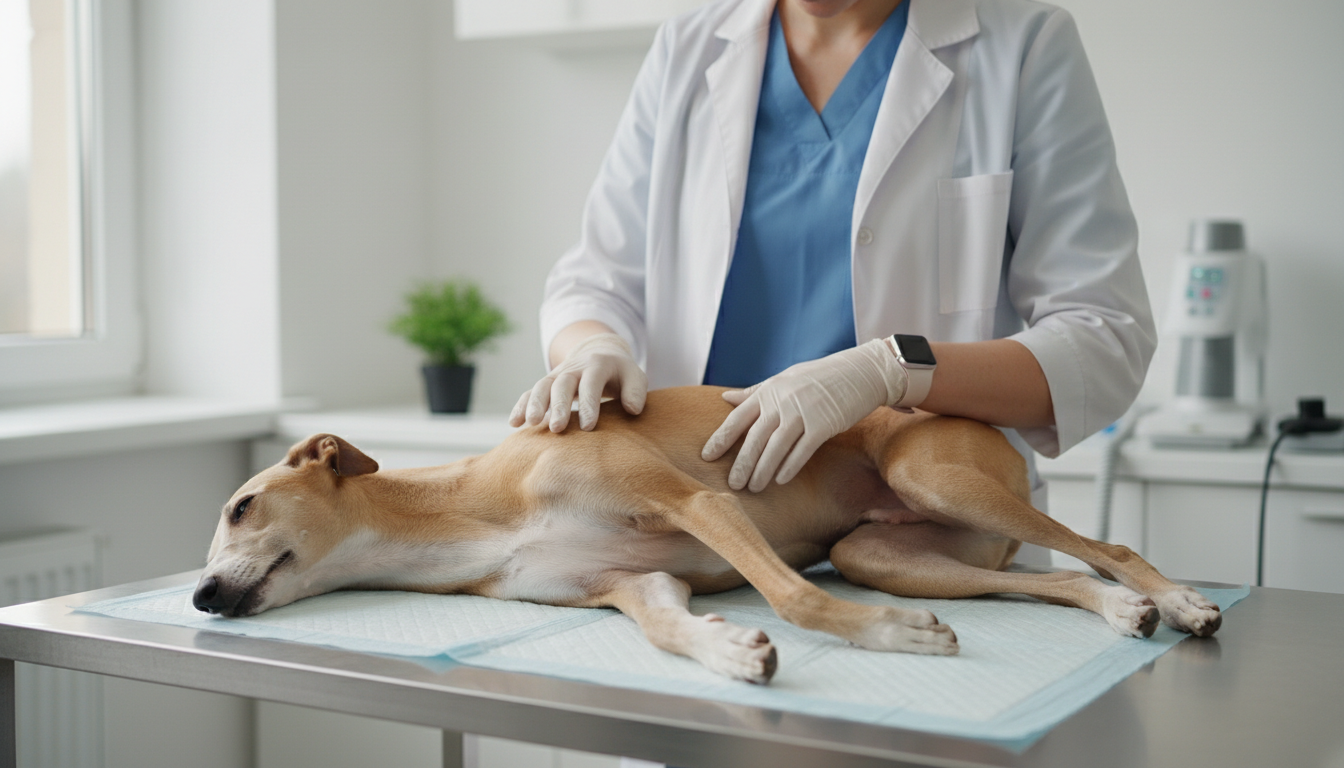
Not every scrape needs a vet visit, but Whippet skin tears often do because of how thin and fragile the skin is. If the wound is gaping open, if you can see muscle or fat tissue underneath, or if the bleeding doesn’t slow down after several minutes of steady pressure, you should see a vet promptly rather than trying to manage it entirely at home. Large or deep tears often need sutures to close properly and heal without complications.
Even tears that look manageable at first can benefit from a vet’s assessment, since this breed’s skin doesn’t always hold stitches as well as thicker-skinned breeds, and a vet can advise on the best closure method for the specific location and depth of the wound. If there’s any uncertainty about how deep the injury goes or whether tissue underneath has been damaged, it’s always safer to have a professional take a look.
- Wounds that are gaping, deep, or expose underlying tissue
- Bleeding that doesn’t stop after several minutes of firm pressure
- Tears located near joints, the face, or the belly
- Any sign of infection, including swelling, heat, or discharge
- A tear that happened alongside a fall, collision, or other trauma
Why Whippet Skin Doesn’t Hold Stitches Like Other Breeds
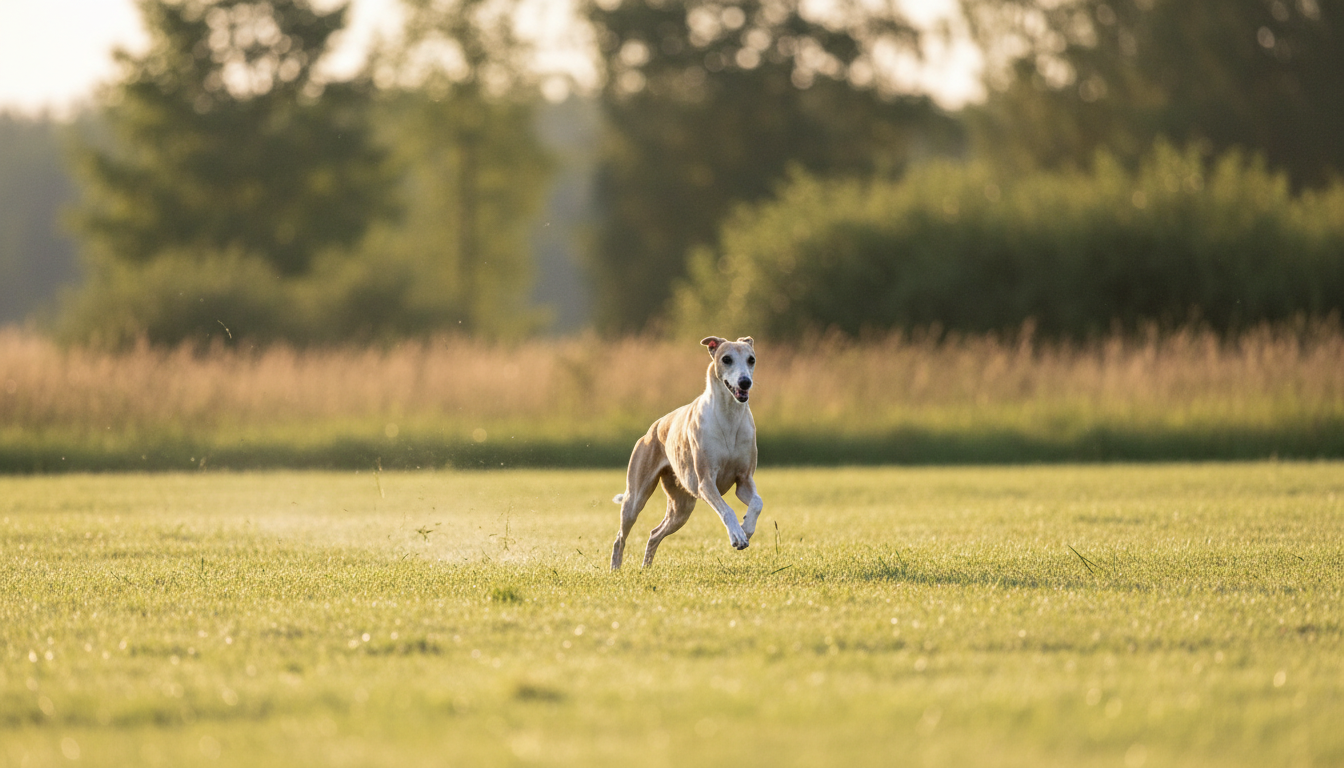
One challenge that’s specific to Whippets and other thin-skinned sighthounds is that their skin can be more difficult to suture successfully. Because there’s so little subcutaneous tissue, sutures sometimes have less to anchor into, which can mean a higher chance of a wound reopening if the dog is too active during recovery. Vets who are familiar with sighthounds often use specific suturing techniques or extra layers of closure to account for this.
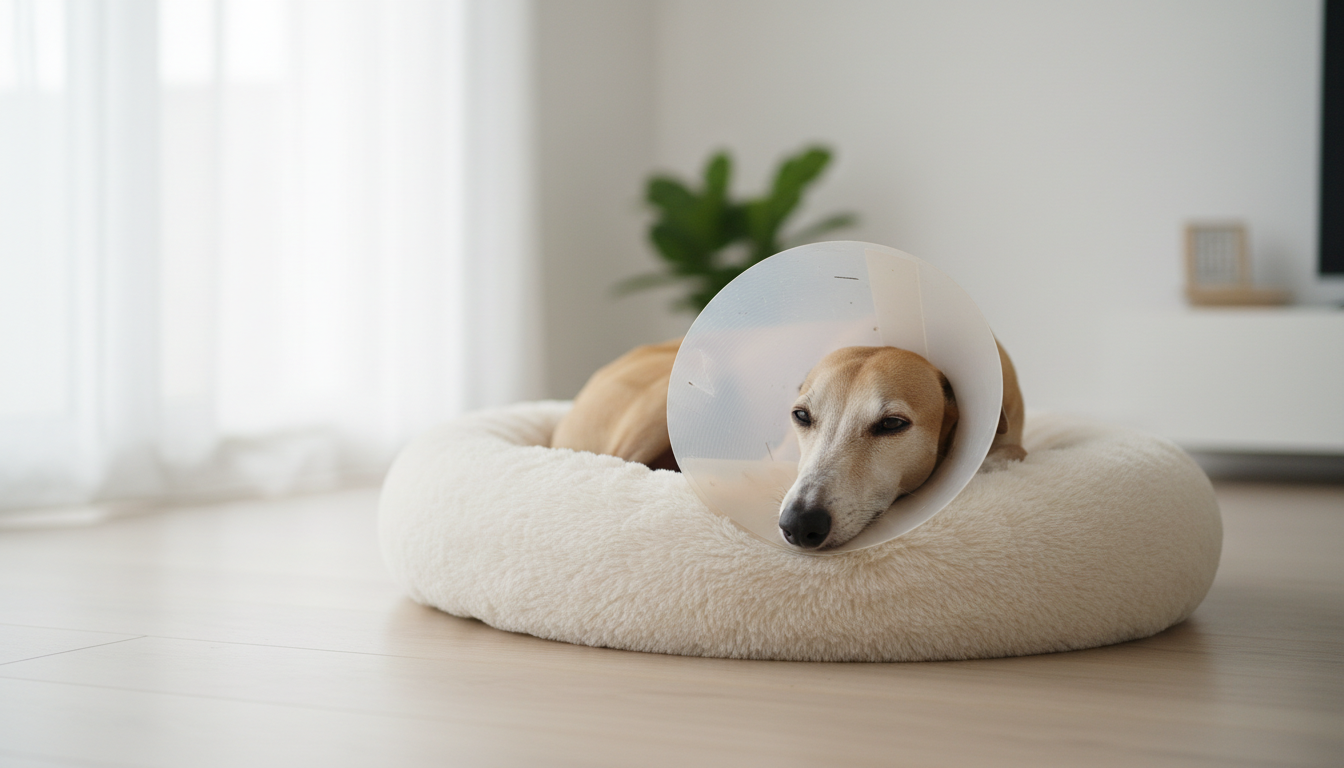
This is part of why follow-up care after a skin tear is repaired matters so much for this breed. Your vet may recommend a longer period of rest, an e-collar to prevent licking, or more frequent recheck visits than they would for a thicker-skinned breed. Taking these recommendations seriously can make the difference between a smooth recovery and a wound that reopens or heals poorly.
Preventing Skin Tears During Exercise
While you can’t eliminate the risk entirely for a breed this active, there are ways to reduce how often tears happen. Scouting off-leash areas for obvious hazards like barbed wire, broken fencing, or dense thorny brush before letting your Whippet run free can prevent a lot of injuries. Keeping an eye on the terrain and avoiding areas with a lot of debris or sharp branches is especially useful if your dog tends to run at full speed without looking where it’s going, which many Whippets do.
Some owners also use protective gear, such as a lightweight vest or jacket, during activities where brush or rough terrain is unavoidable, particularly in colder months when the skin may be slightly less pliable. If your Whippet has had repeated tears in the same area, like the lower legs or chest, protective coverage for that specific spot during high-risk activities can help reduce repeat injuries.
- Scout off-leash areas for fencing, thorns, or debris before letting your dog run
- Consider a lightweight protective vest or jacket for brushy or rough terrain
- Be extra cautious during cold weather when skin may be less flexible
- Pay attention to recurring injury spots and protect them specifically
- Trim overgrown areas in your own yard where your dog regularly plays
Caring for a Healing Wound
Once a tear has been treated, whether at home or by a vet, the healing period requires some patience. Keep your Whippet’s activity level low for as long as your vet recommends, since too much movement can stretch the skin around the wound and slow healing or cause it to reopen. An e-collar or recovery suit may be necessary to stop your dog from licking or chewing at the area, which is a strong instinct for most dogs but can introduce bacteria and delay healing.
Check the wound daily for signs that it’s healing as expected, such as reduced redness and the edges coming together, versus signs of trouble like increasing swelling, a foul smell, or discharge that looks cloudy or colored. If you were given follow-up instructions or a recheck appointment, keep that appointment even if the wound looks fine to you, since some complications aren’t visible from the outside.
The Role of Nutrition in Skin Resilience
While nutrition won’t make Whippet skin thick, feeding a complete and balanced diet does support overall skin health and the body’s ability to repair itself after an injury. Diets with adequate protein and appropriate fatty acid content contribute to healthier skin and coat condition over time. If your Whippet seems to have particularly fragile skin or slow-healing wounds, it’s worth discussing their current diet with your vet to see if any adjustments could help.
Some owners find that omega-3 supplementation, used under veterinary guidance, supports skin and coat health in dogs prone to minor injuries. This isn’t a substitute for protecting your dog from hazards in the first place, but it can be a helpful piece of an overall approach to skin care for a breed that’s naturally more vulnerable in this area.
Recognizing Infection in a Healing Wound
Because skin tears create an open pathway for bacteria, infection is one of the main things to watch for during recovery. A wound that’s healing normally should gradually look better each day, with less redness and swelling. If instead you notice the area becoming more swollen, hot to the touch, or increasingly painful, or if you see discharge that’s yellow, green, or has a strong odor, these are signs of infection that need veterinary attention.
Fever, lethargy, or loss of appetite alongside a wound that isn’t looking right can indicate the infection has become more serious and needs prompt treatment. Don’t wait to see if it resolves on its own, since untreated infections can spread and make recovery significantly longer and more complicated for your dog.
- Increasing redness, swelling, or warmth around the wound
- Yellow, green, or foul-smelling discharge
- A wound that seems to be getting worse rather than better after a few days
- Fever, lethargy, or reduced appetite in your dog
- Excessive licking or sensitivity that increases rather than decreases over time
Managing a Whippet’s Instinct to Run Full-Speed
Part of preventing repeat skin tears comes down to managing your Whippet’s natural instinct to sprint without much caution. These dogs are built for speed and often run with enthusiasm that outpaces their awareness of obstacles. While you don’t want to suppress this important part of their nature, there are ways to channel it more safely, such as using securely fenced areas for off-leash time and avoiding unfamiliar terrain where hazards might not be visible until it’s too late.
Lure coursing and similar structured activities can offer an outlet for a Whippet’s speed in a more controlled environment, which may reduce the chances of injury compared to unstructured runs through unpredictable terrain. If your dog has a history of skin tears, talking to a trainer or behaviorist about structured exercise options might be worth considering alongside your vet’s medical advice.
Special Considerations for Senior Whippets
As Whippets age, their skin can become even thinner and less elastic, which may increase the likelihood of tears from even minor bumps or scrapes. Senior dogs may also heal more slowly than younger ones, making prevention even more important as your dog gets older. If your senior Whippet has had several skin injuries, it’s worth having a conversation with your vet about whether additional precautions or changes to their routine might help.
Senior dogs can also have other health conditions that affect wound healing, such as reduced circulation or hormonal imbalances, so any recurring skin issues in an older Whippet deserve a thorough veterinary evaluation rather than being chalked up to normal aging alone.
When to Call Your Vet Immediately
Some skin injuries in Whippets cross the line from something you can manage at home into an emergency. If your dog has lost a significant amount of blood, if the wound is extremely large or involves a major joint, or if your dog seems to be in significant pain, disoriented, or weak, these are signs you should seek emergency veterinary care right away rather than waiting for a regular appointment.
Trust your instincts here. If something about the injury feels more serious than a typical scrape, it’s always better to have your vet or an emergency clinic take a look than to wait and hope it resolves on its own. Whippet skin tears can sometimes look worse than they are, but they can also hide more serious underlying damage, and a professional evaluation is the safest way to know which situation you’re dealing with.
Living With a Thin-Skinned Breed
Owning a Whippet means accepting that skin tears are simply more likely to happen than they would with a thicker-skinned breed, but this doesn’t mean you need to live in constant worry. With some awareness of common hazards, quick action when injuries do happen, and a good relationship with your vet, most skin tears heal without lasting problems. Many Whippet owners become quite skilled at recognizing the difference between a minor scrape that just needs cleaning and a more serious tear that needs professional care.
Being prepared with a basic first aid kit at home, knowing your nearest emergency vet clinic, and keeping your dog’s vaccinations and overall health up to date all contribute to better outcomes when injuries do occur. Whippets are wonderful, affectionate companions, and their thin skin is simply one part of the package that comes with their unique build and athletic history.
This article is for general education and is not a substitute for care from your own veterinarian. Learn about The Pet Vet and our editorial policy.