
Bengal cat coat quality is one of the breed’s signature traits, from the glittering sheen to the bold spotted or marbled markings. Many new Bengal owners aren’t sure what counts as normal shedding versus a sign of a skin problem. This guide walks you through how the Bengal coat works, what grooming it actually needs, and which changes mean it’s time to call your vet.
Table of Contents
- What Makes the Bengal Coat Different
- Normal Shedding Patterns in Bengals
- Grooming Needs for a Bengal’s Short Coat
- Glitter, Pattern Fading, and Color Changes
- Skin Health Underneath the Coat
- Diet’s Role in Coat Quality
- Seasonal Coat Changes to Expect
- Hairballs and Grooming Habits
- When Coat Changes Signal a Health Problem
- Parasite Prevention and Coat Health
- Stress and Its Effect on Coat Condition
- Supporting Healthy Grooming Habits at Home
- Talking to Your Vet About Coat and Skin Concerns
- The Bottom Line on Bengal Coat Care
What Makes the Bengal Coat Different
The Bengal cat’s coat is often described as pelt-like, and that is not just marketing language. Compared to many other short-haired breeds, Bengals tend to have a denser, softer undercoat paired with a shorter, close-lying topcoat that gives the fur a plush, almost luxurious feel when you run your hand along it. This texture is part of why Bengals need less brushing than you might expect for a cat with such a dramatic coat.
The two main pattern types you will see in Bengals are spotted and marbled. Spotted Bengals have distinct spots or rosettes scattered across the body, while marbled Bengals have a swirling, flowing pattern that looks almost like marble stone. Both patterns are genetically normal variations and neither one is healthier or less healthy than the other. What matters for wellness is the condition of the skin underneath the pattern, not which pattern your cat happens to carry.
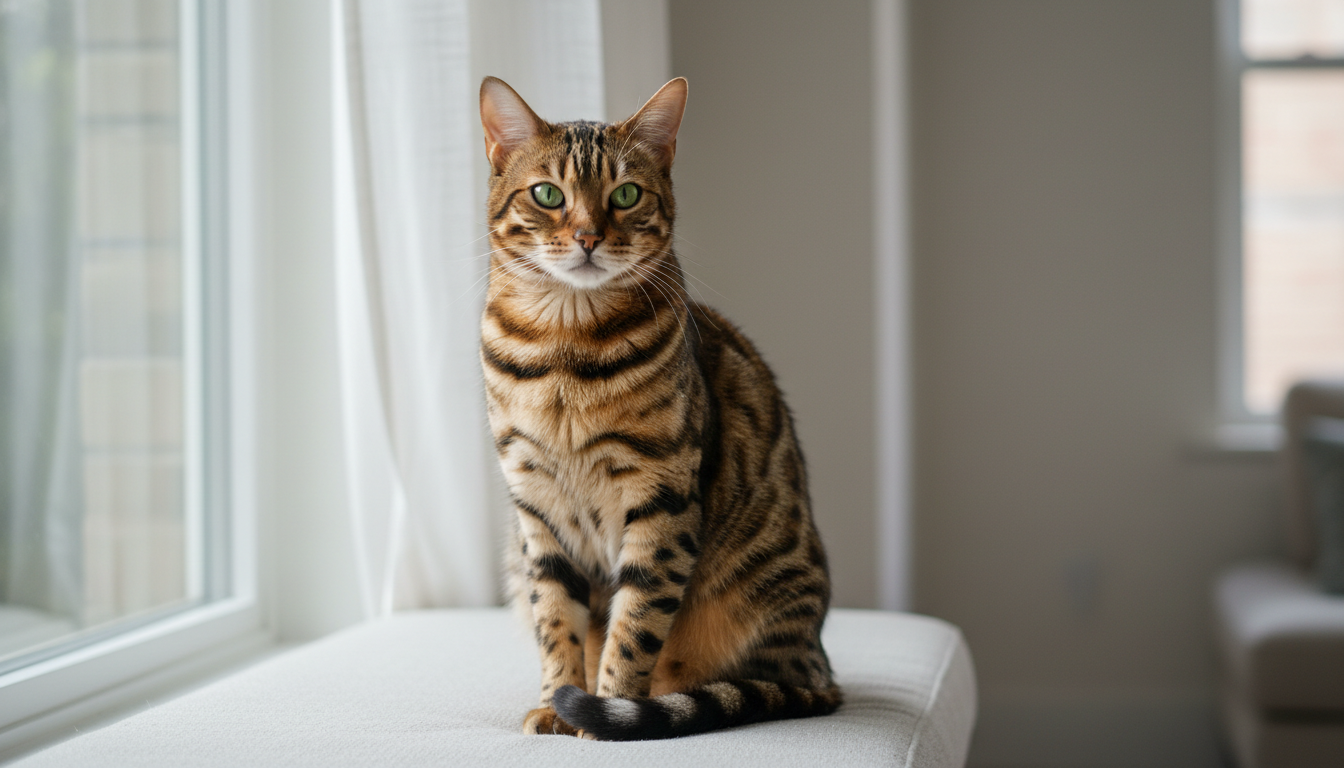
Many Bengals also have a trait called glitter, which gives individual hairs a translucent tip that catches the light and makes the coat appear to shimmer. Not every Bengal has glitter, and its absence is not a health concern. Understanding these normal variations helps you separate cosmetic differences from actual changes in coat health that are worth monitoring.
Normal Shedding Patterns in Bengals
Because of their short, dense coat, Bengals generally shed less than many long-haired or double-coated breeds, but they are not a non-shedding breed. You should expect a light, steady shed throughout the year with a more noticeable increase during seasonal coat changes in spring and fall. This is a normal response to changing daylight hours and is not something to worry about on its own.
Indoor cats that live under consistent artificial lighting sometimes shed more evenly throughout the year rather than in sharp seasonal bursts, and this is also considered normal. What you want to pay attention to is the overall pattern for your individual cat so you can notice if something shifts. A cat that suddenly sheds far more than usual, develops thinning patches, or starts shedding in clumps rather than loose hairs deserves a closer look.
- Light, consistent shedding with mild seasonal increases is typical for Bengals
- Shedding that suddenly doubles or triples in volume is worth tracking
- Clumps of hair coming out versus individual loose hairs is a meaningful difference
- Bald or thinning patches are never considered a normal variation
Grooming Needs for a Bengal’s Short Coat
Despite how striking the Bengal coat looks, it is relatively low maintenance from a grooming standpoint. A weekly brushing session with a soft rubber grooming mitt or a fine-toothed comb is usually enough to remove loose hair and distribute natural skin oils that keep the coat glossy. Bengals often enjoy this kind of handling, especially when it is introduced as a positive routine from kittenhood.
Bathing is rarely necessary for Bengals because their coat does not mat and their grooming habits keep them relatively clean on their own. Some owners do bathe their Bengal occasionally to maintain coat shine for shows or simply out of preference, and this is fine as long as a cat-safe shampoo is used and the cat tolerates it without excess stress. Over-bathing can actually strip natural oils and lead to dry, dull-looking fur, so moderation matters here.
- A soft grooming mitt or fine comb works well for weekly maintenance
- Avoid frequent bathing since it can dry out the skin and coat
- Nail trims and ear checks can be folded into the same grooming session
- Positive, short grooming sessions build tolerance better than long ones
Glitter, Pattern Fading, and Color Changes
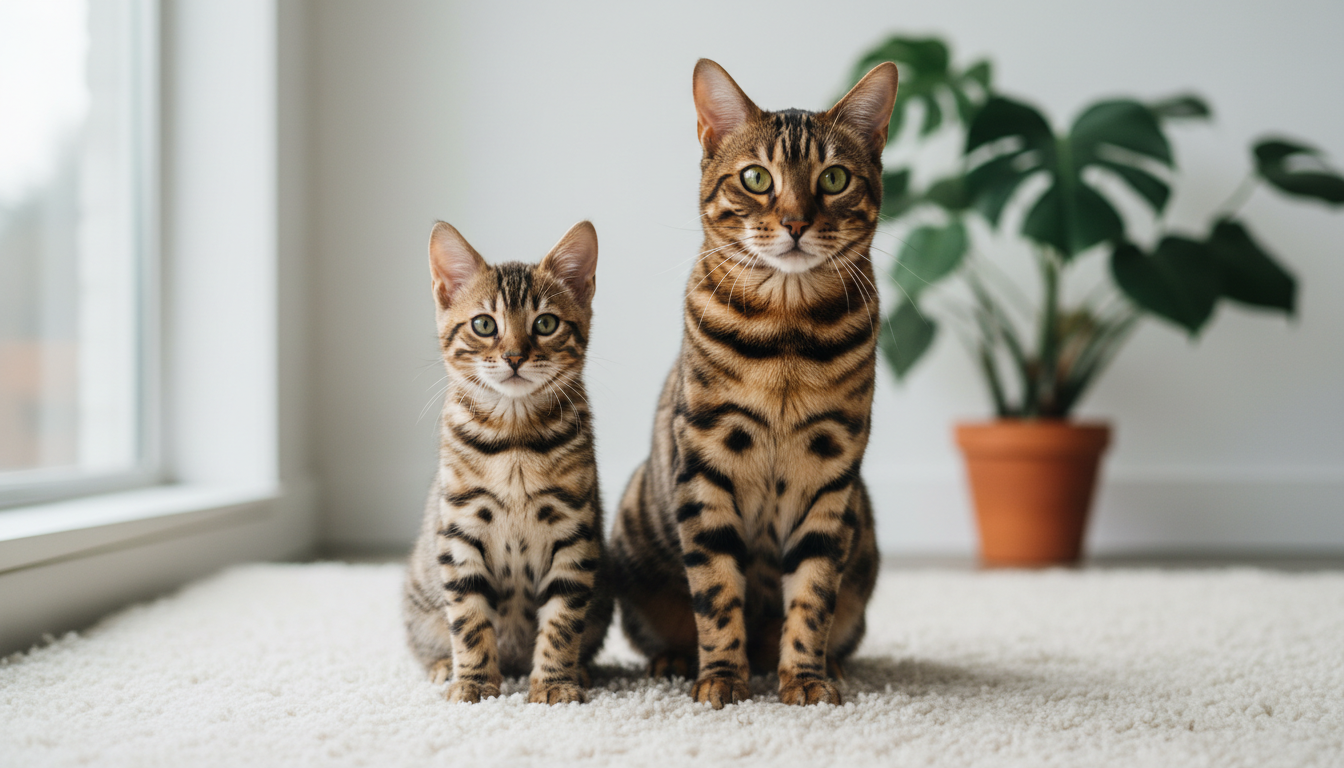
Kitten coats in Bengals often look quite different from their adult coat, a phenomenon sometimes called fuzzies, where a hazy overlay of lighter hair temporarily obscures the bold pattern underneath. This is a completely normal developmental stage and the sharp spotted or marbled pattern typically emerges more clearly as the kitten matures into adulthood. It is not a sign of illness or poor coat health.
In adult cats, gradual pattern fading or color shifts can happen with age, sun exposure, or changes in diet, and mild fading on its own is not usually a medical concern. What is worth mentioning to your vet is any sudden, patchy color change localized to one area, especially if it comes with hair loss, scabbing, or skin irritation in that same spot, since this pattern suggests a skin condition rather than simple aging or environmental fading.
Skin Health Underneath the Coat
Because the Bengal coat is short, it is relatively easy to check the skin underneath during a grooming session, and this is a habit worth building. Healthy Bengal skin should look smooth and evenly pigmented without redness, flaking, scabbing, or greasy buildup. Running your hands over your cat regularly lets you catch subtle changes early, before they progress into something more uncomfortable.
Some Bengals are prone to skin sensitivities, and food allergies or environmental allergens can show up as itching, small scabs along the neck and back, or a change in coat texture that makes it feel coarser or greasier than usual. These signs do not point to a specific diagnosis on their own, and only your vet can determine the underlying cause through examination and appropriate testing.
- Smooth, evenly pigmented skin without redness is the baseline to look for
- Small scabs, often called miliary dermatitis, usually point to an allergic or flea-related cause
- A sudden greasy or coarse texture change is worth mentioning at a wellness visit
- Persistent itching that disrupts sleep or normal activity should not be ignored
Diet’s Role in Coat Quality
Nutrition plays a real part in how glossy and healthy a Bengal’s coat looks, since the skin and coat reflect overall nutritional status fairly directly. A complete and balanced diet appropriate for your cat’s life stage, with adequate protein and essential fatty acids, generally supports a shinier coat and fewer skin issues. If you are ever considering a specific food change because of coat concerns, it is best to discuss this with your vet first rather than guessing at supplements.
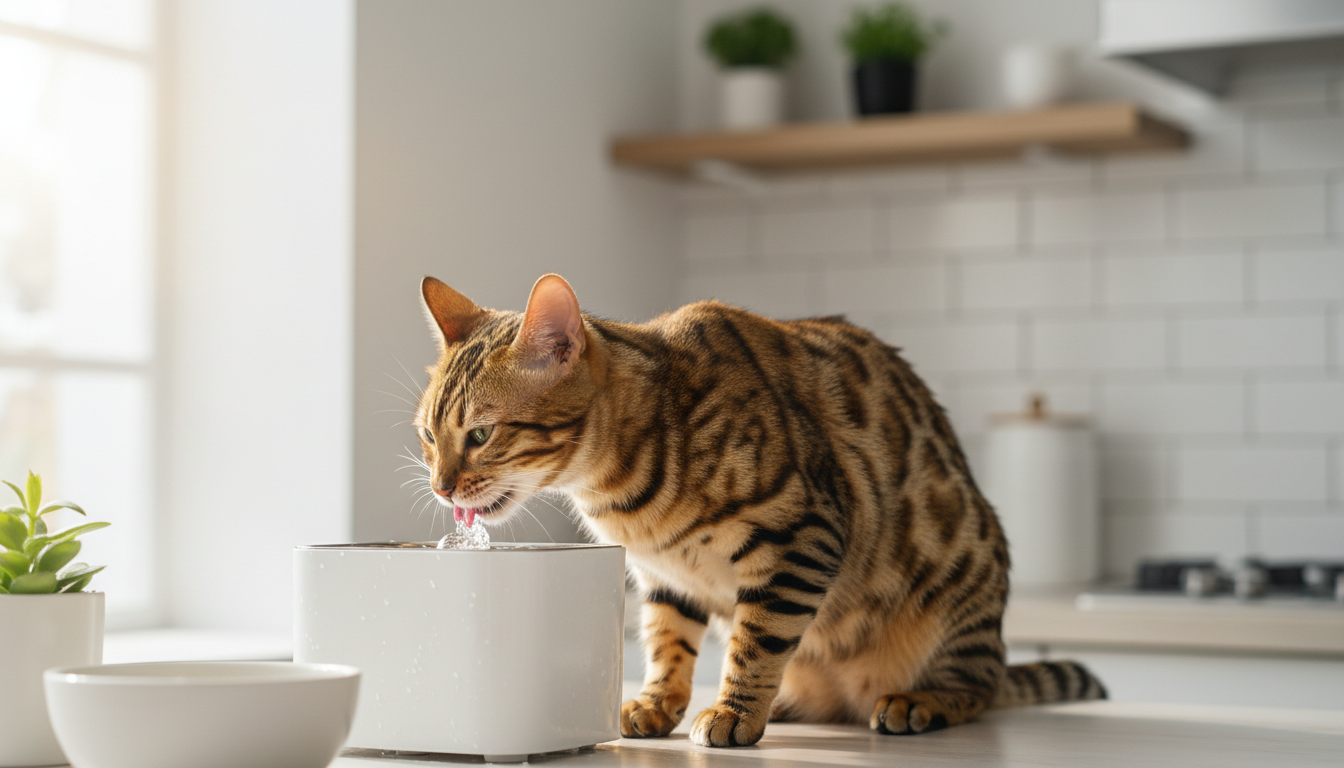
Dehydration can also make a coat look duller and less resilient than normal, so making sure your Bengal has consistent access to fresh water matters more than people often realize. Some owners find that cats drink more readily from a moving water fountain than a still bowl, and wet food can also contribute meaningfully to daily water intake. These are simple adjustments that can support coat quality alongside, not instead of, a solid diet.
Seasonal Coat Changes to Expect
As mentioned earlier, Bengals typically go through a noticeable coat shift in spring as they shed out a slightly denser winter coat, and again in fall as the coat prepares for cooler months. During these transition periods, more frequent brushing, perhaps two to three times a week, can help manage the extra loose hair and reduce the amount your cat ingests while self-grooming. This also lowers the chance of hairballs, which can be more frequent during heavy shedding windows.
Indoor Bengals living in climate-controlled homes may have a less dramatic seasonal shift compared to cats with more exposure to natural daylight and temperature change, and this is simply a normal result of their environment rather than a cause for concern. The goal is not to chase a perfectly even shed year-round, but to notice your own cat’s baseline pattern so you can tell when something departs from it.
Hairballs and Grooming Habits
Bengals are fastidious self-groomers, and this means they do ingest a fair amount of loose hair, particularly during seasonal shedding periods. Occasional hairballs are a normal byproduct of this grooming behavior and are not usually a cause for alarm on their own. Regular brushing from you reduces the amount of loose hair your cat swallows and can meaningfully cut down on hairball frequency.
That said, frequent hairballs, or any signs of repeated vomiting, loss of appetite, or straining without producing anything, are different from an occasional hairball and should prompt a vet visit, since these signs can point to a gastrointestinal issue beyond simple grooming habits. Never assume that frequent vomiting is “just hairballs” without having it checked, since this assumption can delay identifying a more serious underlying problem.
- Brushing two to three times weekly during shedding season reduces ingested hair
- Occasional hairballs are a normal part of grooming behavior
- Frequent vomiting, not just hairballs, needs veterinary evaluation
- Appetite loss alongside vomiting is never something to wait out at home
When Coat Changes Signal a Health Problem
It can be hard to know when a coat change is cosmetic versus medical, but there are some patterns that reliably warrant a vet visit rather than a wait-and-see approach. Sudden, unexplained hair loss, especially in patches or symmetrical areas on both sides of the body, can point to conditions ranging from allergies to hormonal imbalances to parasites, and diagnosis requires veterinary evaluation rather than guesswork. Similarly, a coat that becomes dull, brittle, or greasy over a period of weeks, without an obvious cause like a recent bath, deserves attention.
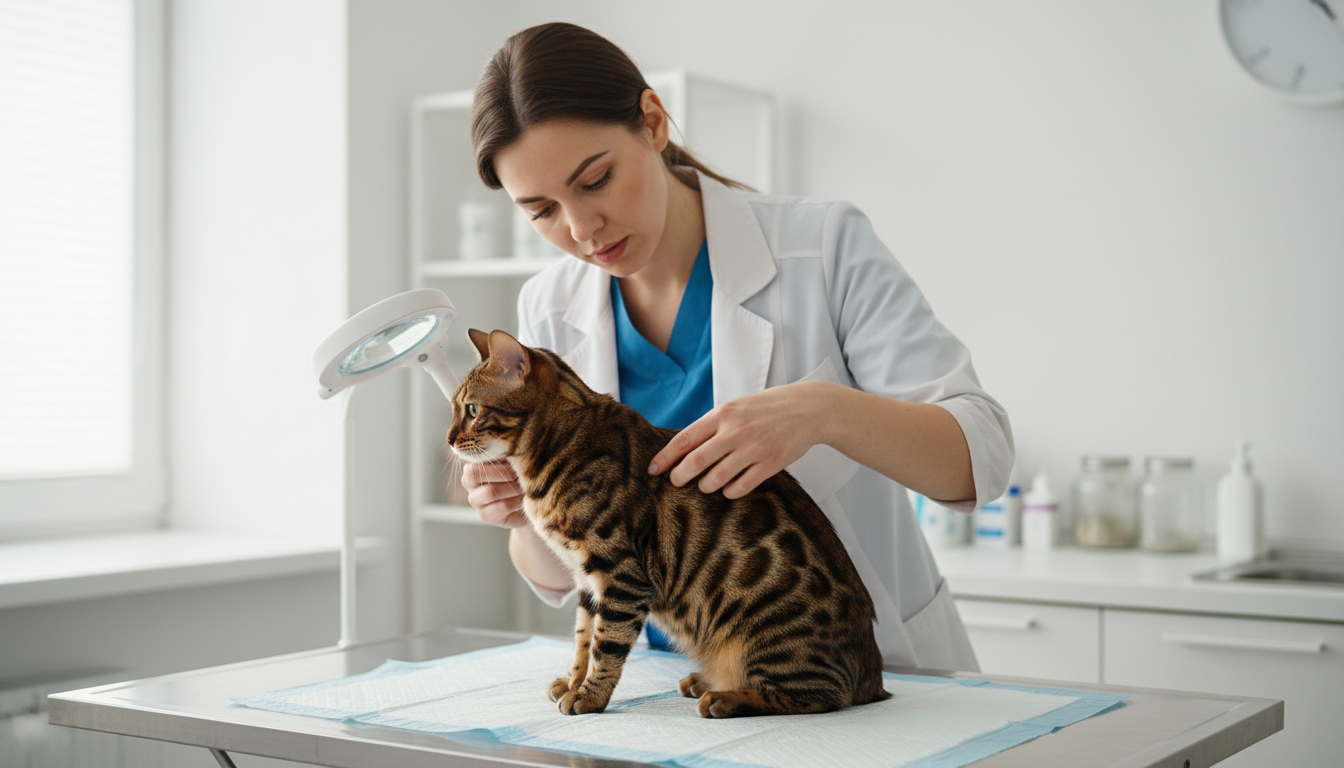
Skin changes accompanying coat changes, such as redness, scabbing, visible parasites, or a strong odor, are also signals that something beyond normal shedding or aging is happening. Your vet can examine the skin directly, may recommend tests like a skin scrape or fungal culture depending on what they find, and can guide you toward an accurate diagnosis rather than relying on assumptions based on appearance alone.
- Patchy or symmetrical hair loss needs veterinary evaluation
- A persistently dull, brittle, or greasy coat over several weeks is not normal
- Redness, scabbing, or odor alongside coat changes points to a skin issue
- Visible parasites in the coat should prompt treatment discussion with your vet
Parasite Prevention and Coat Health
Fleas, mites, and other external parasites can significantly affect coat quality in Bengals just as in any other breed, often causing excessive scratching, hair loss, and small scabs scattered across the body. Even indoor-only Bengals are not fully protected from fleas, since parasites can hitch a ride indoors on other pets, clothing, or through open windows and doors. Staying current on a vet-recommended parasite prevention plan is one of the most effective ways to protect coat and skin health long term.
If you notice your Bengal scratching more than usual, developing small scabby bumps along the back and neck, or if you spot small dark specks in the coat that could be flea dirt, it is worth bringing this up with your vet rather than reaching for an over-the-counter product without guidance. Not all parasite treatments are safe for cats, and some products formulated for dogs can be dangerous if used on a cat, so professional guidance matters here.
Stress and Its Effect on Coat Condition
Bengals are an active, intelligent breed, and chronic stress or boredom can sometimes show up physically through over-grooming, which leads to thinning fur or bald patches in areas a cat can easily reach, like the belly or inner legs. This kind of stress-related over-grooming is different from normal self-care grooming and often happens alongside other behavior changes like increased vocalization, hiding, or changes in appetite.
If you notice a bald patch that looks self-inflicted rather than naturally shed, and especially if the skin underneath looks raw or irritated, this is worth discussing with your vet. They can help rule out medical causes first, since itchy skin conditions can also drive excessive licking, and then help you think through environmental enrichment or stress reduction strategies if a medical cause is ruled out.
Supporting Healthy Grooming Habits at Home
Building a simple, consistent grooming routine with your Bengal benefits both of you, since it gives you regular opportunities to check skin condition and gives your cat positive handling experience that can make vet visits and nail trims easier down the road. Choose a calm time, like after a play session when your cat is naturally more relaxed, and keep early sessions short and rewarding with treats or praise.
Pay attention to areas that are easy to overlook, like under the chin, around the ears, and the belly, since skin issues can sometimes start in these less visible spots before becoming obvious elsewhere. A consistent routine also means you will notice subtle changes much faster than if grooming only happens occasionally, which makes early veterinary intervention more likely when something actually needs attention.
- Choose a calm, low-stress time for grooming sessions
- Keep early sessions short and reward calm behavior
- Check under the chin, ears, and belly where issues can start unnoticed
- Consistency helps you catch subtle changes early
Talking to Your Vet About Coat and Skin Concerns
Because so many coat changes in Bengals can be normal, it helps to go into a vet visit with specific observations rather than a general sense that “something looks different.” Note when you first noticed a change, whether it is localized or widespread, whether your cat seems itchy or bothered by it, and whether there have been any other changes like appetite, energy, or litter box habits around the same time.
Your vet may ask about diet, parasite prevention history, and any recent environmental changes, since all of these can factor into coat and skin health. Depending on what they find during examination, they may recommend diagnostic testing, a trial diet, or treatment for parasites or infection, and following their guidance rather than trying multiple home remedies first generally leads to a faster, clearer answer.
- Note when a coat or skin change started and how it has progressed
- Mention any itching, scratching, or behavior changes alongside the coat issue
- Share your current parasite prevention and diet details
- Follow your vet’s diagnostic plan rather than combining multiple home remedies
The Bottom Line on Bengal Coat Care
A Bengal’s coat is one of the breed’s most admired features, and keeping it healthy mostly comes down to simple, consistent habits: light regular brushing, good nutrition, parasite prevention, and paying attention to your cat’s own normal baseline so you can spot departures from it. Most of what you will notice day to day, from seasonal shedding to kitten fuzzies to a bit of shimmer from glitter, is completely normal and nothing to worry about.
When changes do show up, whether that is sudden hair loss, persistent itching, a dull or greasy texture, or skin irritation, these are signals to involve your vet rather than guess at a cause yourself. Early veterinary input generally leads to a faster resolution and more comfort for your cat, so when in doubt, it is always worth making the call.
This article is for general education and is not a substitute for care from your own veterinarian. Learn about The Pet Vet and our editorial policy.