
Exercise for Labrador Retrievers isn’t just a nice extra, it’s a core part of keeping this breed healthy in both body and mind. Labs were built to work all day, and when that energy has nowhere to go, it tends to show up as weight gain, destructive chewing, or restless anxiety. This guide walks you through how much activity your Lab actually needs at each life stage, the signs you’re getting it wrong, and safe ways to keep your dog fit without overdoing it on joints that are already prone to strain.
Table of Contents
- Why Labrador Retrievers Need So Much Activity
- How Much Exercise Does an Adult Lab Need
- Puppy Exercise: Why Less Is More
- Signs Your Lab Isn’t Getting Enough Exercise
- Signs You May Be Overdoing It
- Swimming as a Joint-Friendly Exercise Option
- Exercise and Joint Health in Labs
- Weight Management Through Consistent Activity
- Mental Stimulation Alongside Physical Exercise
- Exercise Needs for Senior Labs
- Weather Considerations for Exercising Labs
- When to Involve Your Vet
- Building a Routine That Works Long Term
Why Labrador Retrievers Need So Much Activity
Labrador Retrievers were originally bred to work alongside fishermen and later hunters, retrieving game from cold water for hours at a stretch. That history is baked into their genetics, and it means the average pet Lab still carries a drive to move, carry things, and use their nose and body in purposeful ways. A Lab that spends most of the day on the couch isn’t just bored, it’s working against its own biology.
This is part of why Labs are one of the breeds most likely to become overweight. Without enough physical outlet, that food-motivated energy gets redirected into begging, counter-surfing, and overeating. Regular, appropriate exercise is one of the simplest tools you have to keep your Lab’s weight, joints, and behavior all in a good place at once.
It’s worth remembering that “a lot of exercise” doesn’t mean the same thing for every Lab. A seven-month-old puppy and a ten-year-old senior both need daily activity, but what that activity looks like changes enormously across their lifetime.
How Much Exercise Does an Adult Lab Need
Most healthy adult Labrador Retrievers do well with somewhere in the range of sixty to ninety minutes of combined activity a day, split across two or more sessions rather than one long outing. This can include brisk walks, structured play like fetch, swimming, or scent games, and some off-leash time in a safe, enclosed area if that’s available to you.
What matters more than hitting an exact number is variety and consistency. A Lab who gets a short sniffy walk in the morning, a training or play session at lunch, and a longer walk in the evening is often better off than one who gets a single exhausting hour-long run and then nothing else all day. Consistency also helps you notice changes, if your normally eager Lab suddenly seems reluctant on a walk they usually love, that’s worth paying attention to.
Working-line Labs bred specifically for field trials or hunting often have noticeably higher energy than Labs bred primarily as companions, so you may need to adjust upward or downward based on your individual dog rather than a general rule.
- Two to three structured walks or play sessions spaced through the day
- At least one activity that lets them use their nose, such as a sniff walk or scent game
- Swimming as a joint-friendly option, especially for dogs with any stiffness
- Mental enrichment like puzzle feeders counted alongside physical exercise, not instead of it
Puppy Exercise: Why Less Is More
It’s tempting to assume a young, bouncy Labrador puppy needs to be run into the ground to tire them out, but this is actually one of the more common mistakes new Lab owners make. Puppy bones and growth plates are still developing, often until around twelve to eighteen months of age, and repetitive high-impact activity during this window can contribute to joint problems later in life.
A commonly used guide is to offer short, gentle exercise sessions rather than long runs or extended fetch sessions with hard stops and starts. Free play in a yard, short leash walks, and supervised time with other calm dogs tend to be safer choices than jogging alongside a bike or repetitive ball-throwing that involves a lot of jumping and sudden stopping.
If you’re unsure what’s appropriate for your puppy’s age and build, your vet can give you guidance tailored to your individual dog, especially if you’re planning on more structured activities like agility or long hikes down the road.
Signs Your Lab Isn’t Getting Enough Exercise
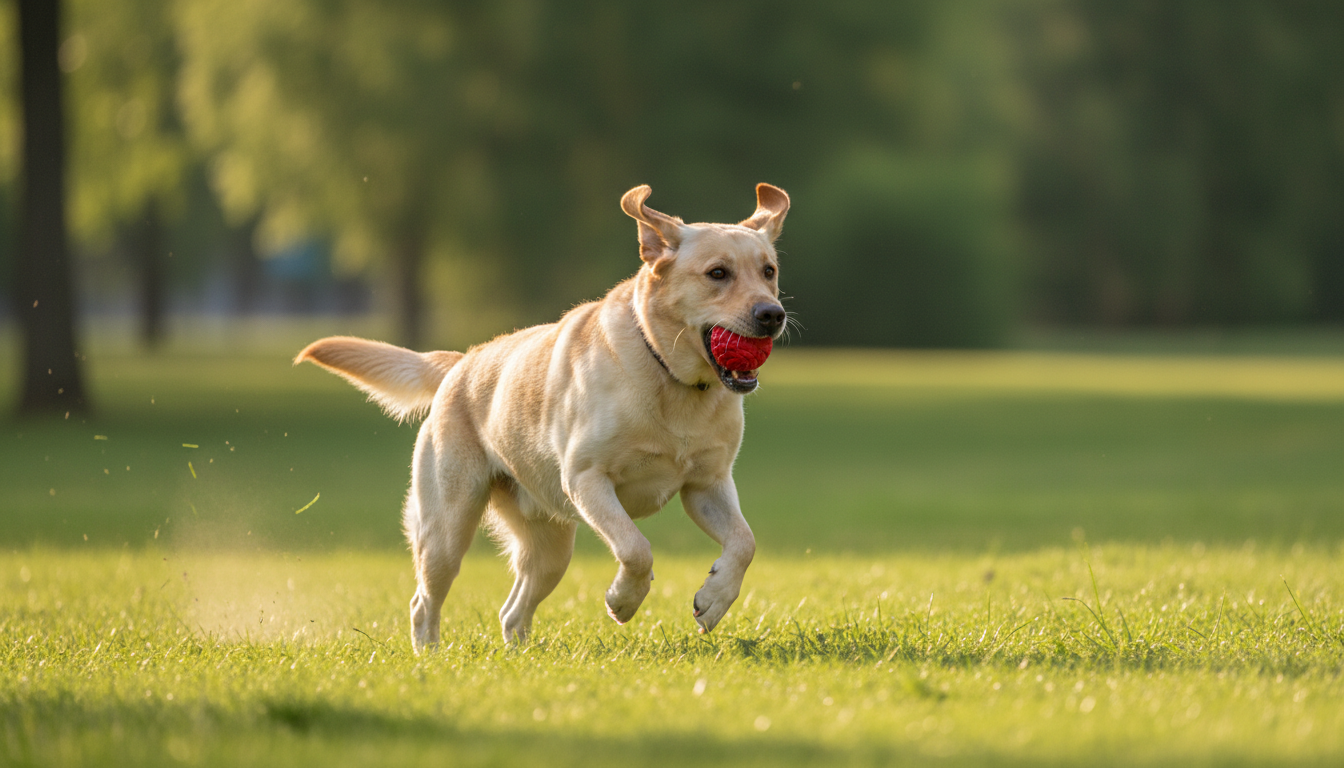
Labs are expressive dogs, and when their needs aren’t being met, they usually let you know in ways that get labeled as “bad behavior” when really they’re communication. Recognizing these signs early can save you a lot of frustration and help you adjust before things escalate.
If you notice several of these signs together, it’s worth looking honestly at your dog’s daily activity level before assuming it’s purely a training issue.
- Destructive chewing, digging, or getting into the trash more than usual
- Excessive barking or vocalizing, especially around times they’d normally be active
- Restlessness in the evening, pacing, or difficulty settling down
- Weight gain that seems to creep up despite no major change in feeding
- Zoomies or bursts of frantic energy that seem out of proportion to the situation
Signs You May Be Overdoing It
On the other end of things, some Labs, especially those with food-driven, eager-to-please personalities, will keep going well past the point of being safe if you let them. This is particularly true in warm weather or with dogs who already have early joint changes they haven’t shown obvious signs of yet.
Watch your dog during and after exercise rather than just assuming more is always better. Heavy panting that doesn’t settle down after a reasonable rest, noticeable limping or stiffness afterward, or reluctance to get up and move the next morning are all signals that you may need to scale back or break activity into shorter, more frequent sessions instead of one long one.
If any of these patterns show up repeatedly, it’s time to talk to your vet rather than pushing through, since ongoing strain can contribute to longer-term joint issues.
- Excessive panting that persists well after you’ve stopped
- Limping, favoring a leg, or stiffness after activity
- Reluctance to jump, climb stairs, or get up from lying down the next day
- Lagging behind on walks they’d normally be pulling you through
Swimming as a Joint-Friendly Exercise Option
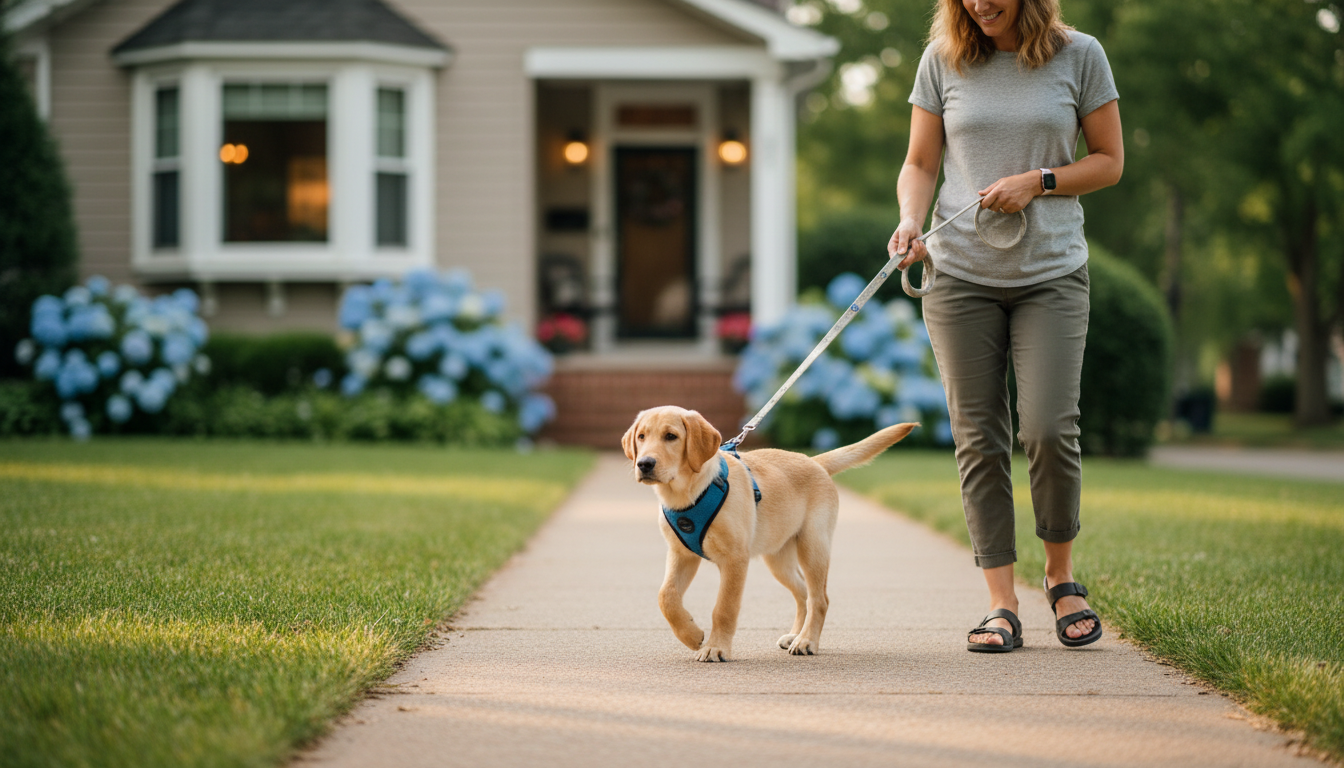
Given their background as water retrievers, it’s not surprising that many Labs take to swimming naturally and enjoy it enormously. Swimming offers a genuine cardiovascular workout without the repetitive impact on joints that comes with running or jumping, which makes it a particularly good option for overweight Labs, senior dogs, or those recovering from an injury under veterinary guidance.
That said, not every Lab is a confident swimmer from day one, and supervision matters regardless of breed reputation. Introduce new water environments gradually, use a properly fitted dog life vest in open water or when your dog is still building confidence, and always rinse your dog off afterward, especially after swimming in lakes or ponds, to reduce skin irritation.
If your Lab seems unusually tired or sore after swimming sessions, treat it the same as you would any other form of exercise and dial back the intensity or duration.
Exercise and Joint Health in Labs
Labrador Retrievers are a breed predisposed to certain joint conditions, and exercise habits over a lifetime can influence how those joints hold up over time. This doesn’t mean exercise is bad for their joints, in fact appropriate activity helps maintain muscle mass that supports the joints, but it does mean the type and intensity of exercise matters.
High-impact activities involving repeated hard landings, like jumping for a frisbee over and over on a hard surface, put more stress on joints than lower-impact options like swimming or walking on grass. This doesn’t mean your Lab can never play fetch, but varying the type of surface, limiting how many repetitions you do in a single session, and allowing proper rest between high-intensity sessions can all help.
If your Lab has already been diagnosed with a joint condition, or you’ve noticed signs of stiffness or lameness, your vet can help you design an exercise plan that keeps your dog active without making things worse.
Weight Management Through Consistent Activity
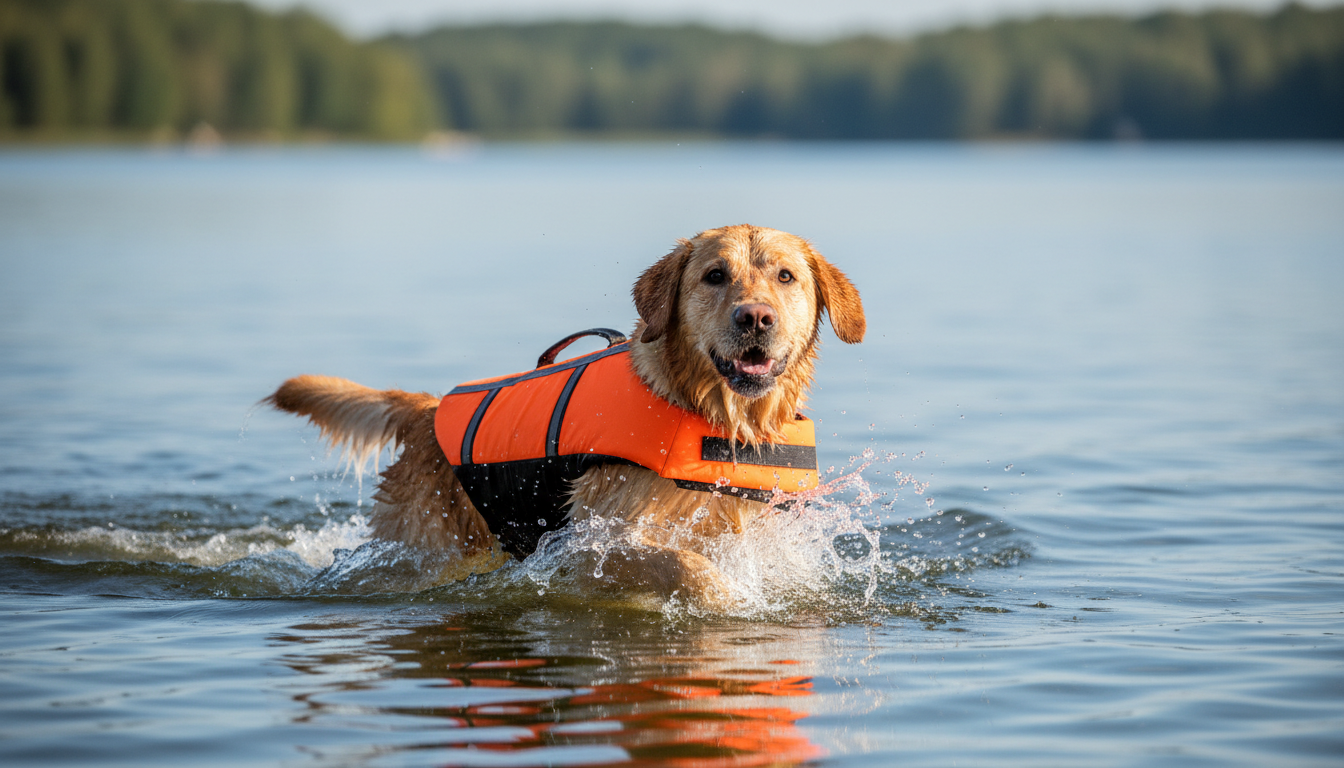
Because Labs are so prone to carrying extra weight, exercise plays a dual role for this breed, it supports mental wellbeing and it directly helps manage body condition. Even modest increases in daily activity, combined with appropriate portion control, can make a meaningful difference over time for a Lab who’s started to put on extra pounds.
Weighing your dog periodically and tracking their body condition with your vet’s help, rather than relying purely on how they look, gives you a more reliable picture of whether your current exercise routine is matching their calorie intake. A Lab carrying extra weight is at higher risk for joint strain, which can create a frustrating cycle where pain reduces activity, which then makes weight management even harder.
- Keep a loose log of daily activity so you can spot patterns over weeks, not just days
- Adjust food portions if activity levels change due to weather, injury, or seasons
- Ask your vet for a body condition score check at regular visits
- Avoid relying solely on treats as a reward during training, use some of their regular food allowance instead
Mental Stimulation Alongside Physical Exercise
Physical exercise is only half the picture for a breed as intelligent and food-motivated as the Labrador Retriever. Mental stimulation through training, scent work, and puzzle feeders can tire out a Lab just as effectively as a long walk, and it’s particularly useful on days when weather or your own schedule limits how much physical activity is realistic.
Short training sessions that teach new commands or tricks, snuffle mats, frozen food puzzles, and scavenger-hunt style games where your dog has to find hidden treats around the house or yard all give your Lab’s brain something to work on. Many owners find that a mentally tired Lab settles just as well, if not better, than a physically tired one.
Rotating these activities so your dog doesn’t get bored of the same puzzle also helps keep engagement high over the long term.

Exercise Needs for Senior Labs
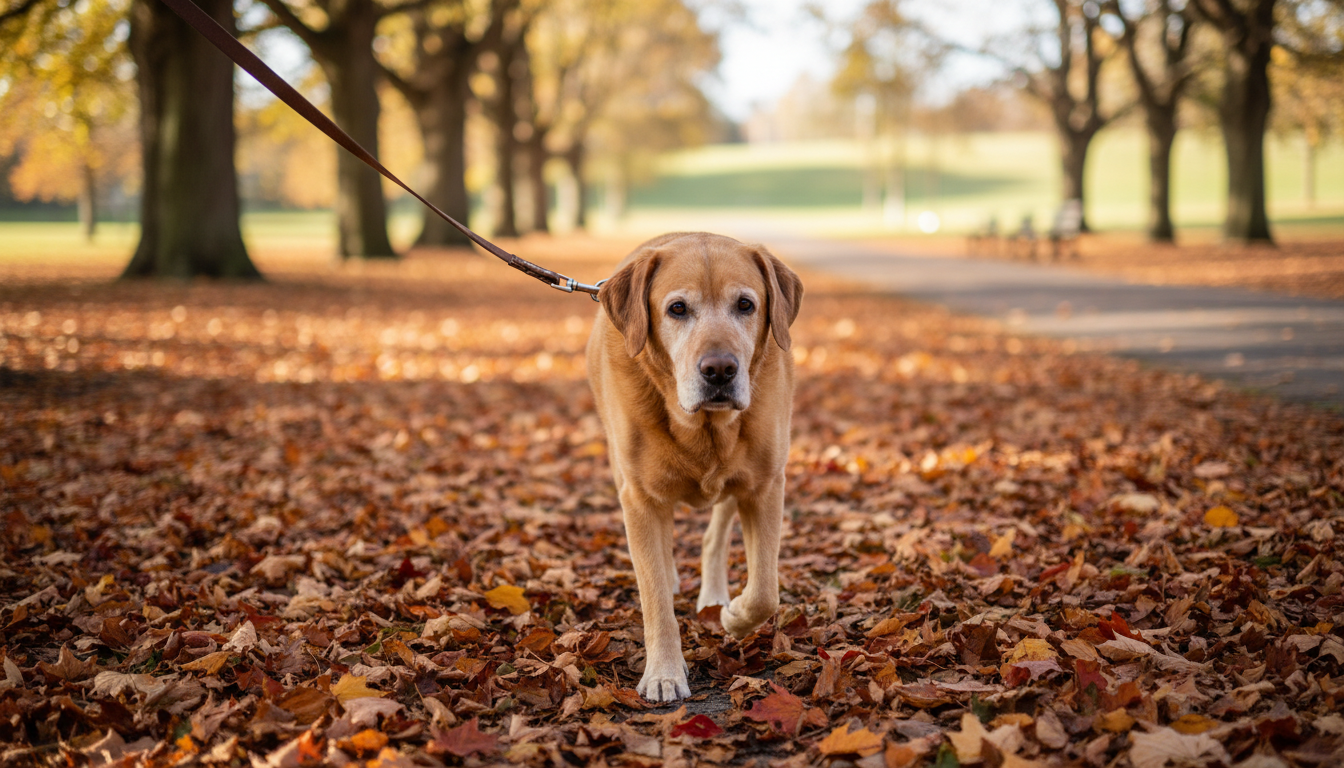
As Labs move into their senior years, typically from around eight years onward though this varies by individual, their exercise needs shift rather than disappear entirely. Older Labs still benefit enormously from regular, gentle activity, it helps maintain muscle mass, supports joint mobility, and keeps their mind engaged, but the intensity and duration usually need to come down.
Shorter, more frequent walks tend to suit senior Labs better than one long outing, and low-impact options like swimming can remain valuable well into old age if your dog enjoys it and has no other health restrictions. Pay close attention to how your senior dog recovers after activity, since older joints and organs don’t bounce back as quickly as they once did.
If your senior Lab seems to be slowing down significantly or showing new reluctance to move, it’s worth having your vet check for underlying issues like arthritis rather than assuming it’s simply old age.
Weather Considerations for Exercising Labs
Labrador Retrievers have a dense double coat that was useful for cold water work but can make them prone to overheating in hot, humid conditions. Exercising during the cooler parts of the day in summer, providing access to shade and water, and watching for early signs of overheating are all important parts of a safe exercise routine for this breed.
In colder climates, Labs generally tolerate cold weather reasonably well thanks to that same coat, but ice, salted roads, and shorter daylight hours still mean you may need to adjust routines, protect paws, and get creative with indoor mental stimulation on the worst days.
- Exercise in early morning or evening during hot weather
- Always have water available on longer outings
- Check pavement temperature with your hand before walks in summer
- Watch for excessive drooling, bright red gums, or wobbliness as signs of overheating and stop activity immediately if you notice them
When to Involve Your Vet
Because exercise needs can be affected by underlying health conditions that aren’t always obvious day to day, it’s worth involving your vet whenever you’re making significant changes to your Lab’s activity routine, whether that’s starting a new puppy exercise plan, introducing a senior dog to a lower-impact routine, or trying to help an overweight Lab become more active safely.
Your vet can also help rule out or identify joint problems, heart conditions, or other issues that might explain sudden changes in your dog’s tolerance for exercise, such as unusual fatigue, reluctance to walk, or collapse-like episodes. These are not things to try to diagnose or manage on your own, and any sudden, unexplained change in your dog’s exercise tolerance deserves a veterinary visit rather than a wait-and-see approach.
Regular check-ups also give you a chance to discuss your dog’s current exercise routine and get tailored advice based on their specific body condition, age, and any health history.
Building a Routine That Works Long Term
The most successful exercise routines for Labrador Retrievers tend to be the ones that fit realistically into your own daily life, since consistency matters more than occasional intense bursts of activity. Think about what you can genuinely commit to on a busy weekday, not just an ideal weekend, and build from there.
Involving the whole household, rotating who takes which walk or play session, and keeping a few low-effort backup options for bad weather or busy days can help keep your Lab’s routine steady even when life gets hectic. Over time, this consistency does more for your dog’s physical and mental health than any single perfect hike ever could.
Remember that your Lab’s needs will continue to shift across their life, so it’s worth revisiting your routine periodically rather than setting it once and forgetting about it, and always loop your vet in if you’re ever unsure whether your current plan is the right fit.
This article is for general education and is not a substitute for care from your own veterinarian. Learn about The Pet Vet and our editorial policy.