
Arthritis in Bernese Mountain Dogs tends to sneak up on owners, showing up as a slower walk or hesitation on stairs long before anyone calls it joint disease. Because this breed is large, heavy-boned, and prone to orthopedic issues from a young age, joint wear often starts earlier than owners expect. This guide walks through why Berners are so susceptible, what early signs look like, and how you and your vet can keep your dog moving comfortably for as long as possible.
Table of Contents
- Why Bernese Mountain Dogs Are Prone to Joint Trouble
- Early Signs Owners Often Miss
- How Vets Diagnose Arthritis in This Breed
- Weight Management as a Frontline Defense
- Exercise That Protects Rather Than Strains Joints
- Home Adjustments That Make a Real Difference
- Medications and Pain Management Options
- Joint Supplements and What to Know
- The Role of Physical Therapy and Rehabilitation
- When Surgery Might Be Considered
- Watching for Signs of Worsening Pain
- Supporting Mental Well-Being Alongside Physical Comfort
- Building a Long-Term Care Plan With Your Vet
- A Final Word on Caring for an Aging Bernese Mountain Dog
Why Bernese Mountain Dogs Are Prone to Joint Trouble
Bernese Mountain Dogs are built big, often reaching 80 to 120 pounds on a frame that grows quickly during puppyhood. That rapid growth, combined with heavy adult body weight, puts sustained pressure on hips, elbows, and knees throughout life. Add to that a genetic tendency toward hip and elbow dysplasia, and you have a breed where joint cartilage often starts breaking down well before the gray hairs appear on the muzzle.
Unlike smaller breeds that may not show joint problems until well into their teens, Berners frequently develop arthritis changes by middle age, sometimes even earlier if they had dysplasia or an injury as a young dog. The breed’s relatively short lifespan compared to its size means joint disease can have an outsized impact on quality of life during the years you have together. Understanding this risk early lets you make choices that protect your dog’s comfort long before limping becomes obvious.
It also helps to remember that arthritis in dogs is not a single sudden event. It is a slow, progressive process where cartilage wears down and the body responds with inflammation and sometimes bony changes around the joint. In a breed already dealing with structural joint risks, this process can quietly accelerate.
Early Signs Owners Often Miss
Because Bernese Mountain Dogs are typically calm, easygoing, and not big complainers, early arthritis signs are easy to write off as “just getting older” or a dog simply being lazy. Owners often do not realize their dog is in discomfort until the signs are fairly advanced, which is part of why regular vet checkups matter so much for this breed.
Some of the earliest and most commonly missed signs include:
If you notice any of these changes, it is worth mentioning to your veterinarian rather than assuming it is simply age. A vet visit can help clarify whether what you are seeing is early arthritis, a different orthopedic issue, or something unrelated.
- Slower to get up from lying down, especially after a nap or overnight sleep
- Reluctance to jump into the car or climb stairs they used to handle easily
- Shorter, slower walks with less enthusiasm for long hikes
- Stiffness that seems to improve once they have been moving for a few minutes
- Subtle shifting of weight off one leg while standing
How Vets Diagnose Arthritis in This Breed
Diagnosing arthritis usually starts with a hands-on exam where your vet checks range of motion in each joint, feels for swelling or grating sensations, and watches how your dog walks and stands. Because Bernese Mountain Dogs are prone to both hip and elbow dysplasia, your vet may pay particular attention to those joints, though arthritis can develop anywhere, including the spine and knees.
X-rays are often the next step, allowing your vet to see bony changes, joint space narrowing, or signs of old injury that may be contributing to current discomfort. In some cases, your vet may recommend additional imaging or referral to a specialist, particularly if the pattern of pain does not match what shows up on standard X-rays.
It is important not to try to diagnose this yourself based on online descriptions or by comparing your dog to others you have seen. Only your veterinarian can confirm arthritis and rule out other causes of stiffness or lameness, some of which may need very different treatment.

Weight Management as a Frontline Defense
For a breed already carrying significant body weight on joints prone to wear, keeping your Bernese Mountain Dog at a lean, healthy weight is one of the most powerful things you can do. Even a few extra pounds translate into meaningfully more force on hips, knees, and elbows with every step, every jump, and every trip up the stairs.
Your vet can help you figure out what a healthy weight looks like for your individual dog, since this varies based on frame size and build. Regular weigh-ins, portion control, and avoiding excess treats all play a role here, and your vet or a veterinary nutritionist can help you build a feeding plan that supports joint health without encouraging rapid weight loss, which can also be hard on an older dog’s body.
- Measure food rather than estimating by eye
- Factor treats into your dog’s daily calorie count
- Reassess portions as your dog ages and activity levels change
- Ask your vet about body condition scoring at every checkup
Exercise That Protects Rather Than Strains Joints
Exercise remains important for arthritic dogs, but the type and intensity matter enormously. Long, low-impact activities like leash walks on flat ground tend to be far gentler on joints than repetitive high-impact activities such as jumping for a ball or sprinting after squirrels. For a breed as powerful and eager as the Bernese Mountain Dog, it can take some adjustment to shift away from the bursts of play they may have loved as younger dogs.
Swimming is often recommended for dogs with joint pain because water supports body weight while still allowing muscles to stay active. Not every dog takes to water immediately, so introducing it gradually and positively can help. Short, frequent walks are usually better tolerated than one long outing, since they avoid overtiring already stressed joints.
Your veterinarian can help tailor an exercise plan specific to your dog’s level of arthritis, body condition, and overall health, since what works for a mildly stiff middle-aged dog may be too much for an older dog with more advanced joint changes.
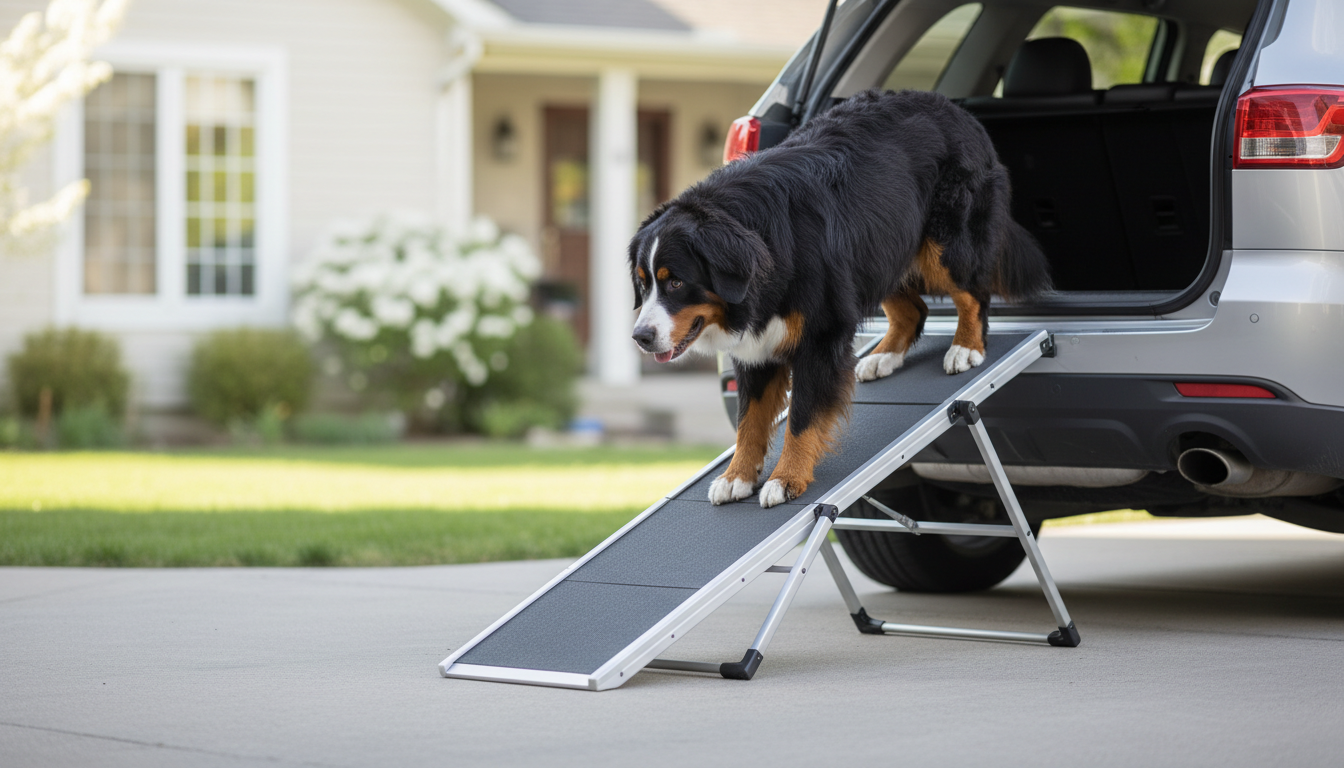
Home Adjustments That Make a Real Difference
Small changes around the house can meaningfully reduce the daily strain on an arthritic dog’s joints. Slippery floors are particularly hard on dogs with weakened or painful joints, since they have to work harder to stabilize themselves with every step, which can actually worsen discomfort over time.
Consider these adjustments to make your home more joint-friendly:
These changes will not cure arthritis, but they can meaningfully reduce pain triggers throughout an ordinary day, which adds up over weeks and months.
- Add non-slip rugs or mats along frequently traveled paths
- Use ramps or steps for getting into the car or onto furniture
- Provide an orthopedic bed with supportive, pressure-relieving foam
- Keep food and water bowls raised to a comfortable height
- Avoid high jumps on and off beds or couches by blocking access or adding steps
Medications and Pain Management Options
There are a number of medical approaches vets use to manage arthritis pain in dogs, and your veterinarian will consider your dog’s overall health, age, and any other medications before recommending a plan. This may include anti-inflammatory medications designed specifically for dogs, as well as other pain management tools depending on the severity of your dog’s arthritis.
It is essential that any medication decisions go through your veterinarian rather than being based on advice from other dog owners or online forums. Human pain medications can be dangerous or even fatal for dogs, and even dog-specific medications need to be dosed and monitored carefully, especially in a large breed with its own particular health considerations. Your vet may also recommend periodic bloodwork to monitor how your dog’s body is handling long-term medication use.
If you ever notice vomiting, loss of appetite, unusual lethargy, or black stools while your dog is on arthritis medication, contact your veterinarian promptly, as these can be signs of a reaction that needs attention.
Joint Supplements and What to Know
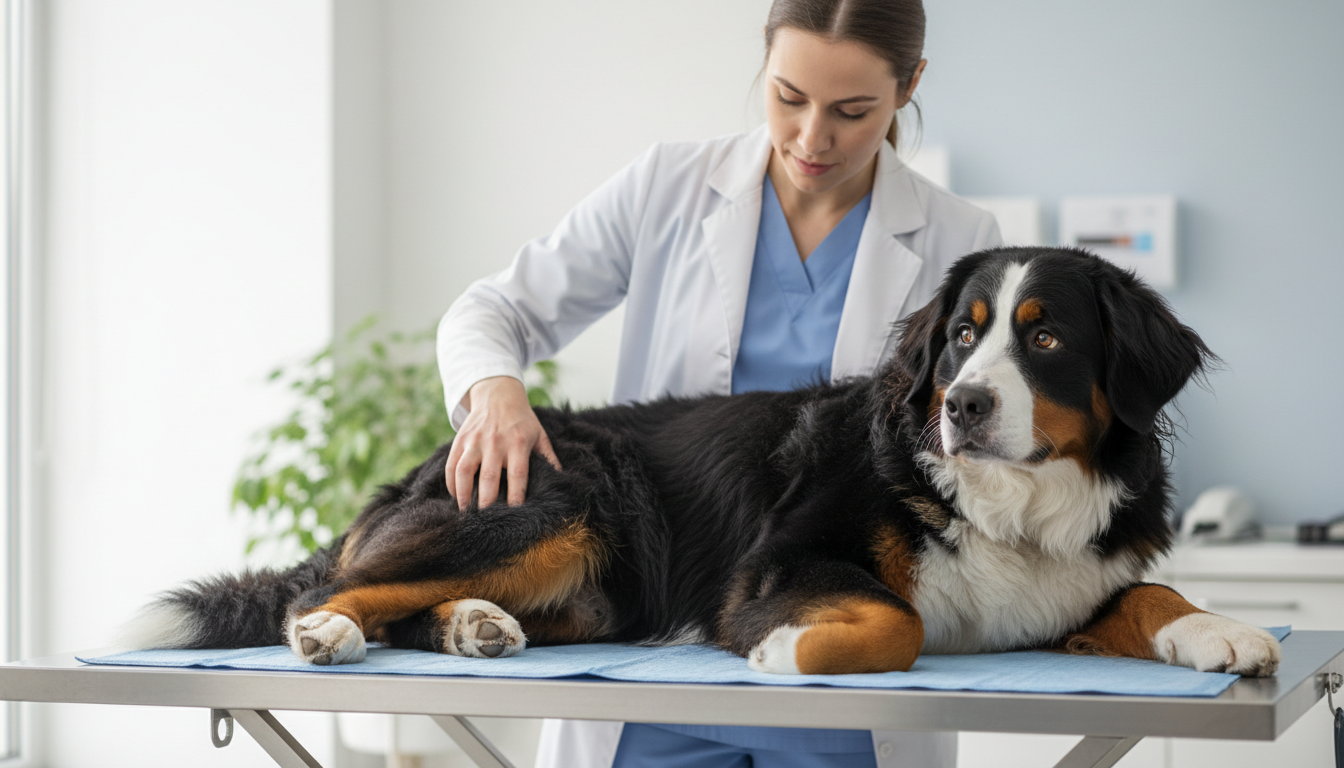
Many owners of Bernese Mountain Dogs turn to joint supplements such as glucosamine and chondroitin, hoping to support cartilage health and slow progression of arthritis. While some dogs seem to benefit from these supplements, individual results vary, and it is worth discussing options with your veterinarian before starting anything new.
Your vet can help you choose a reputable product, since supplement quality and dosing are not tightly regulated and vary widely between brands. They can also help you understand realistic expectations, since supplements are generally considered a supportive tool rather than a standalone treatment for existing arthritis.
Omega-3 fatty acids are another option some vets recommend as part of a broader joint care plan, since they may help support a healthy inflammatory response in the body. As always, any addition to your dog’s regimen should be run by your veterinarian first, particularly if your dog is on other medications.
The Role of Physical Therapy and Rehabilitation
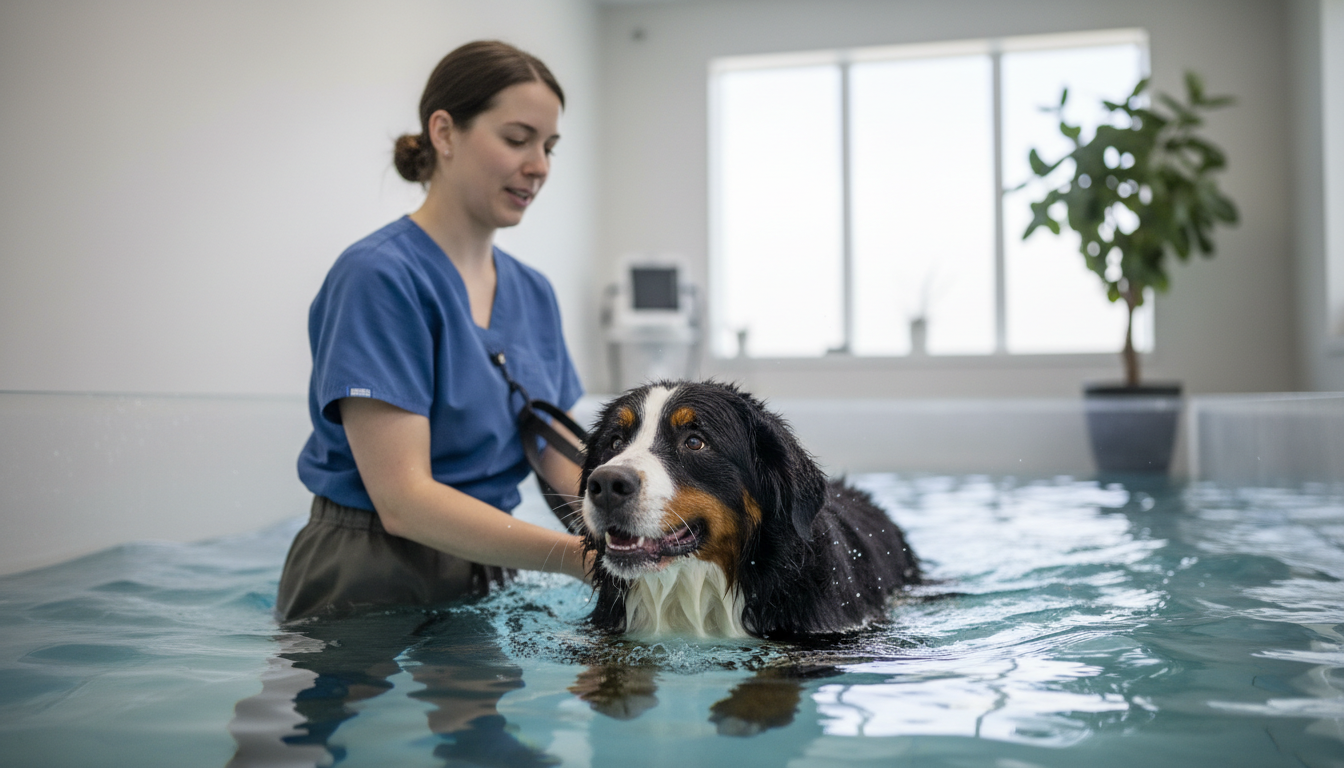
Canine physical rehabilitation has become increasingly available and can be genuinely valuable for arthritic Bernese Mountain Dogs. Veterinary rehabilitation specialists can design exercise programs, use therapeutic modalities, and guide targeted stretching to help maintain muscle mass around painful joints, which in turn provides better support and stability.
Hydrotherapy, in particular, is often well tolerated by this breed given their general comfort around water and their need for low-impact movement options. A rehabilitation program is typically built around your individual dog’s specific joints and limitations, so ask your veterinarian for a referral to a certified canine rehabilitation practitioner if you think this could help.
Consistency matters here, so working with your vet or rehab specialist to build a routine you can realistically maintain at home between sessions will make a real difference in outcomes.
When Surgery Might Be Considered
In cases of severe arthritis, particularly when it stems from significant hip or elbow dysplasia, your veterinarian may discuss surgical options. These range from procedures aimed at correcting underlying joint instability in younger dogs to joint replacement or other interventions in dogs with more advanced disease. Surgery is not appropriate or necessary for every arthritic dog, and your vet will weigh factors like age, overall health, and severity of joint damage before making a recommendation.
If surgery is recommended, your vet will walk you through what to expect, including recovery time and rehabilitation needs afterward. Because Bernese Mountain Dogs are large and heavy, recovery periods tend to require careful management to avoid putting too much strain on the healing joint too soon.
Whatever path you take, these are decisions to make together with your veterinarian, factoring in your dog’s specific situation rather than a one-size-fits-all approach.
Watching for Signs of Worsening Pain
Arthritis tends to progress over time, and part of managing it well is staying alert to changes that suggest your dog’s pain is increasing or that your current plan needs adjustment. Dogs are often skilled at masking pain, so subtle behavioral shifts can be more telling than obvious limping.
Watch for these signs that may indicate worsening discomfort:
If you notice any of these changes, schedule a visit with your veterinarian rather than waiting to see if things improve on their own. Arthritis management often needs to be adjusted over time as the disease progresses.
- Increased irritability or reluctance to be touched in certain areas
- Panting or restlessness, especially at rest
- Withdrawing from family activities or seeking solitude more often
- Noticeable muscle loss in the hind legs or shoulders
- A sudden reluctance to go up or down stairs they previously managed
Supporting Mental Well-Being Alongside Physical Comfort
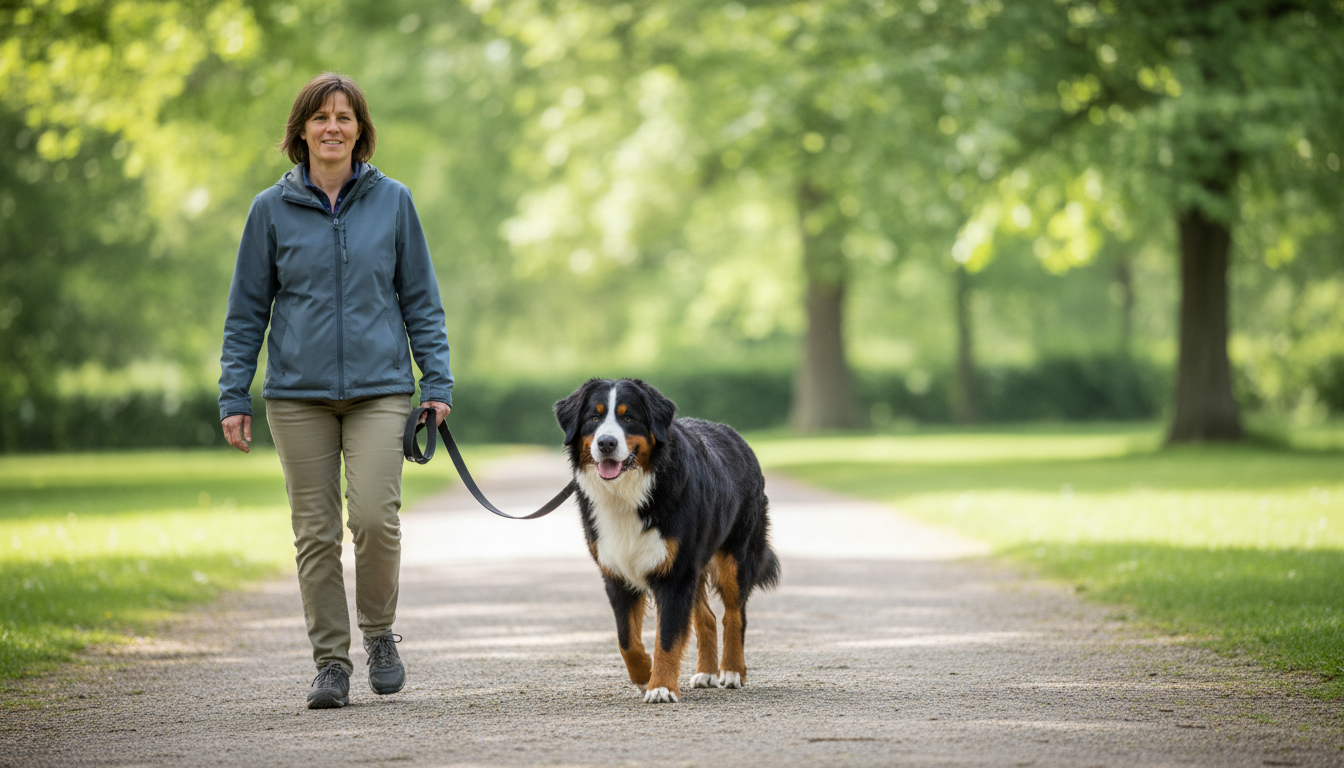
Chronic pain affects more than just a dog’s body, and it is worth paying attention to how arthritis might be impacting your Bernese Mountain Dog’s mood and engagement with life. A dog who once greeted every walk with enthusiasm but now seems withdrawn or less interested in play may be telling you something important about how they are feeling physically.
Keeping mental stimulation available even as physical activity becomes more limited can help maintain quality of life. Gentle enrichment like puzzle feeders, scent games, or short training sessions can provide engagement without putting strain on sore joints. Spending quiet time together, even if it is no longer the long hikes you once enjoyed, still matters enormously to your dog’s overall well-being.
Your veterinarian can also help you recognize when pain is significantly affecting your dog’s quality of life, which is an important part of ongoing conversations about long-term care for an aging Bernese Mountain Dog.
Building a Long-Term Care Plan With Your Vet
Managing arthritis in a Bernese Mountain Dog is rarely a single intervention, but rather an evolving combination of weight management, appropriate exercise, home adjustments, and medical support tailored over time. Regular checkups allow your veterinarian to track how your dog’s joints are changing and adjust the plan as needed, rather than waiting for a crisis to prompt action.
Because this breed’s lifespan is already shorter than many others, making the most of the years you have together often means prioritizing comfort and mobility as early as possible rather than waiting until arthritis is advanced. Many owners find that a proactive approach, started even before obvious symptoms appear, helps their dog stay active and engaged for longer.
Talk with your veterinarian about building a long-term plan specific to your dog’s age, weight, and joint health, and don’t hesitate to bring up any new or worsening symptoms between scheduled visits. Early, consistent care is one of the best gifts you can give a breed prone to this kind of joint wear.
A Final Word on Caring for an Aging Bernese Mountain Dog
Watching a beloved Bernese Mountain Dog slow down can be hard, especially in a breed known for its steady, gentle presence in a family. The good news is that arthritis, while progressive, is very manageable with the right combination of veterinary care, home support, and attentive monitoring.
If you suspect your dog is showing early signs of joint pain, don’t wait for things to get dramatically worse before reaching out to your veterinarian. Early intervention tends to offer the best outcomes, giving your dog more comfortable, active years by your side.
This article is for general education and is not a substitute for care from your own veterinarian. Learn about The Pet Vet and our editorial policy.