
If you share your home with a Boxer, you’ve probably noticed how sensitive their skin can be. Boxer skin allergies show up as itching, hives, red patches, or chronic ear trouble more often than in many other breeds. This guide walks you through why Boxers react so easily, what triggers flare-ups, and how to work with your vet to keep your dog comfortable.
Table of Contents
- Why Boxers Are So Prone to Skin Reactions
- Common Triggers Behind Boxer Allergies
- What Hives Look Like on a Boxer
- Itching, Redness, and Chronic Skin Changes
- Ear Involvement in Allergic Boxers
- How Vets Diagnose the Underlying Cause
- Managing Flare-Ups at Home
- When Skin Allergies Signal an Emergency
- Long-Term Management and Living With an Allergic Boxer
- A Final Word for Boxer Owners
Why Boxers Are So Prone to Skin Reactions
Boxers have short, dense coats and relatively thin skin, which leaves them with less of a natural buffer against irritants than thicker-coated breeds. On top of that, this breed has a known genetic predisposition toward atopic dermatitis, a condition where the immune system overreacts to things in the environment that wouldn’t bother most dogs. That combination of thin skin and an overactive immune response means Boxers often develop reactions faster and more visibly than other breeds.
Many Boxer owners describe their dogs as “sensitive” from a young age, sometimes noticing the first signs of allergic skin disease before the dog is even two years old. This early onset is typical of breed-related atopic conditions and is one reason vets often ask about a Boxer’s itching history during routine wellness visits. Genetics plays a large role here, so if you adopted your Boxer from a line with known skin issues, it’s worth mentioning that to your veterinarian early on.
Skin reactions in Boxers aren’t just a cosmetic nuisance. Chronic scratching and licking can break the skin’s barrier, opening the door to secondary bacterial or yeast infections that make the whole problem worse. That’s part of why early recognition and veterinary guidance matter so much for this breed.
Common Triggers Behind Boxer Allergies
Boxers can react to a wide range of everyday substances, and pinpointing the exact cause often takes some detective work with your vet. Environmental allergens like pollen, dust mites, and mold spores are frequent culprits, especially in dogs who show seasonal patterns of itching. Food sensitivities are also seen in the breed, though they tend to cause year-round symptoms rather than symptoms that worsen only in spring or fall.
Contact allergies are another possibility worth considering, particularly if you’ve recently switched shampoos, bedding material, or cleaning products used in your home. Flea bite allergy is especially important to rule out, since even a single bite can trigger an outsized reaction in a Boxer with sensitive skin. Because so many potential triggers overlap in symptoms, your vet may recommend a structured approach, such as an elimination diet or allergy testing, rather than guessing.
- Pollen, grasses, and seasonal environmental allergens
- Dust mites and mold in the home environment
- Certain proteins or ingredients in food
- Flea saliva, even from a single bite
- New shampoos, detergents, or fabrics
What Hives Look Like on a Boxer
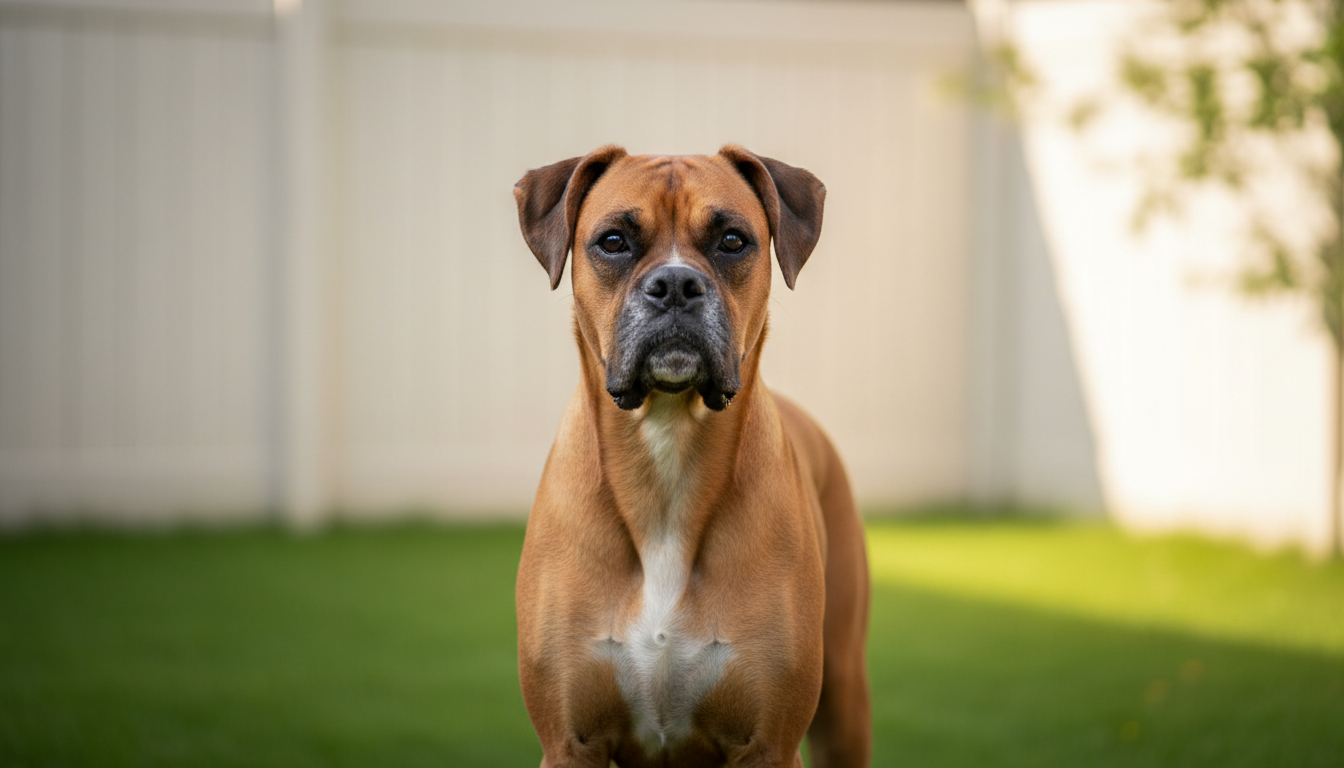
Hives, medically known as urticaria, often appear suddenly and can be alarming the first time you see them. On a Boxer, you might notice raised, firm bumps scattered across the back, neck, or face, sometimes appearing within minutes of exposure to a trigger. The short coat makes these bumps easier to spot than on a fluffier breed, which is actually helpful for catching reactions early.
Hives can be accompanied by facial swelling, particularly around the muzzle or eyes, and some dogs will paw at their face or rub it along the carpet in discomfort. While many cases of hives resolve on their own once the trigger is removed, swelling that affects breathing or that spreads rapidly should be treated as an emergency. If you ever see your Boxer struggling to breathe, collapsing, or developing widespread swelling, contact an emergency vet immediately rather than waiting to see if it improves.
Itching, Redness, and Chronic Skin Changes
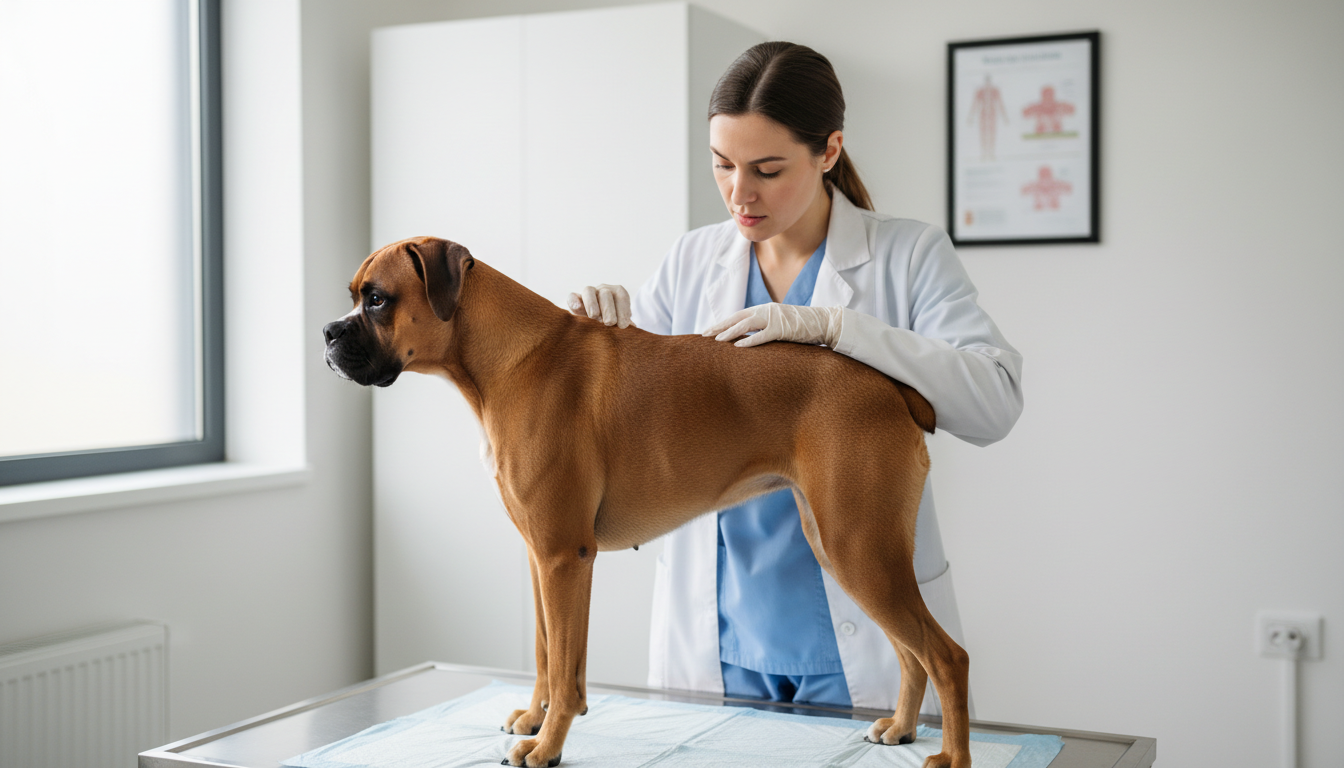
Beyond acute hives, many Boxers deal with a more chronic, lower-grade form of itching that owners sometimes dismiss as “just how he is.” Persistent licking of the paws, rubbing the face on furniture, or recurring red patches on the belly and armpits are all signs that something is bothering your dog’s skin on an ongoing basis. Over time, skin that is repeatedly scratched or licked can thicken, darken, and develop a leathery texture, a change vets refer to as lichenification.
This chronic pattern is different from a one-time hive reaction because it tends to build gradually and often has multiple contributing factors rather than a single obvious trigger. It’s also more likely to lead to secondary infections, since the skin barrier becomes compromised over weeks or months rather than just during a short flare-up. If you’re noticing this slow pattern in your Boxer, a veterinary visit is worthwhile even if no single episode seems severe enough to warrant an emergency trip.
Ear Involvement in Allergic Boxers
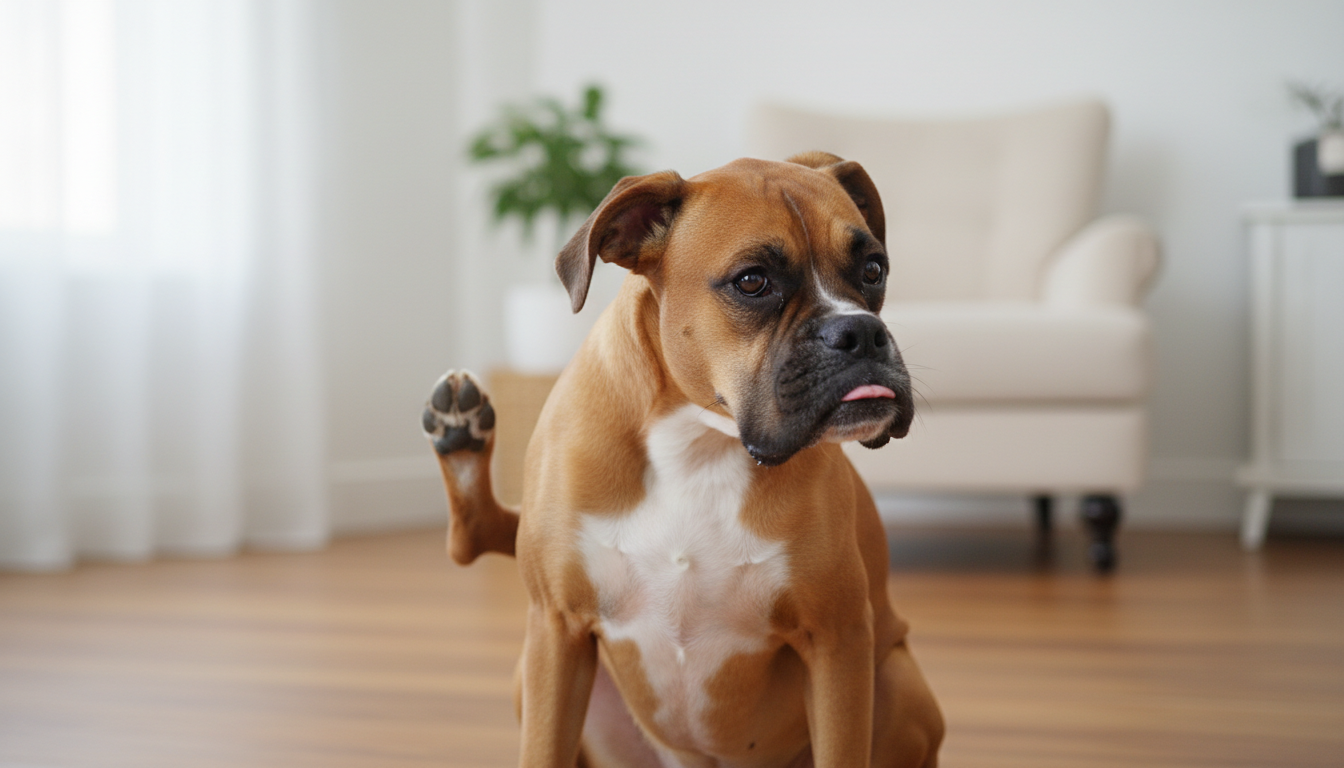
Skin allergies in Boxers frequently extend to the ears, since the ear canal is lined with the same type of skin that reacts elsewhere on the body. You might notice your dog shaking their head more than usual, scratching at their ears, or developing a faint odor that wasn’t there before. Redness or a waxy buildup inside the ear canal can also signal that allergies are affecting this area.
Because allergic ears are more prone to yeast and bacterial overgrowth, what starts as mild irritation can progress into a more involved ear infection if left unaddressed. Boxers with known skin sensitivities often benefit from regular ear checks as part of their routine care, simply because this breed’s allergic tendencies make ear flare-ups more likely than in dogs without a history of skin issues.

How Vets Diagnose the Underlying Cause
Diagnosing the exact source of a Boxer’s skin allergy usually involves ruling things out step by step rather than jumping straight to a single test. Your vet will likely start with a thorough history, asking about when symptoms started, whether they’re seasonal, and what your dog eats and is exposed to at home. Skin scrapings or cytology may be used to check for mites, yeast, or bacterial overgrowth that could be complicating the picture.
In some cases, your vet may suggest allergy testing, either through blood work or referral to a veterinary dermatologist for intradermal skin testing. An elimination diet trial is another common tool, particularly when food sensitivity is suspected, though this requires strict adherence over a period of weeks to give accurate results. It’s worth being patient with this process, since allergies in Boxers rarely have a one-test answer.
- Detailed history of symptom timing and triggers
- Skin scrapings or cytology to rule out mites and infection
- Possible referral for allergy testing or dermatology consult
- Elimination diet trial if food allergy is suspected
Managing Flare-Ups at Home
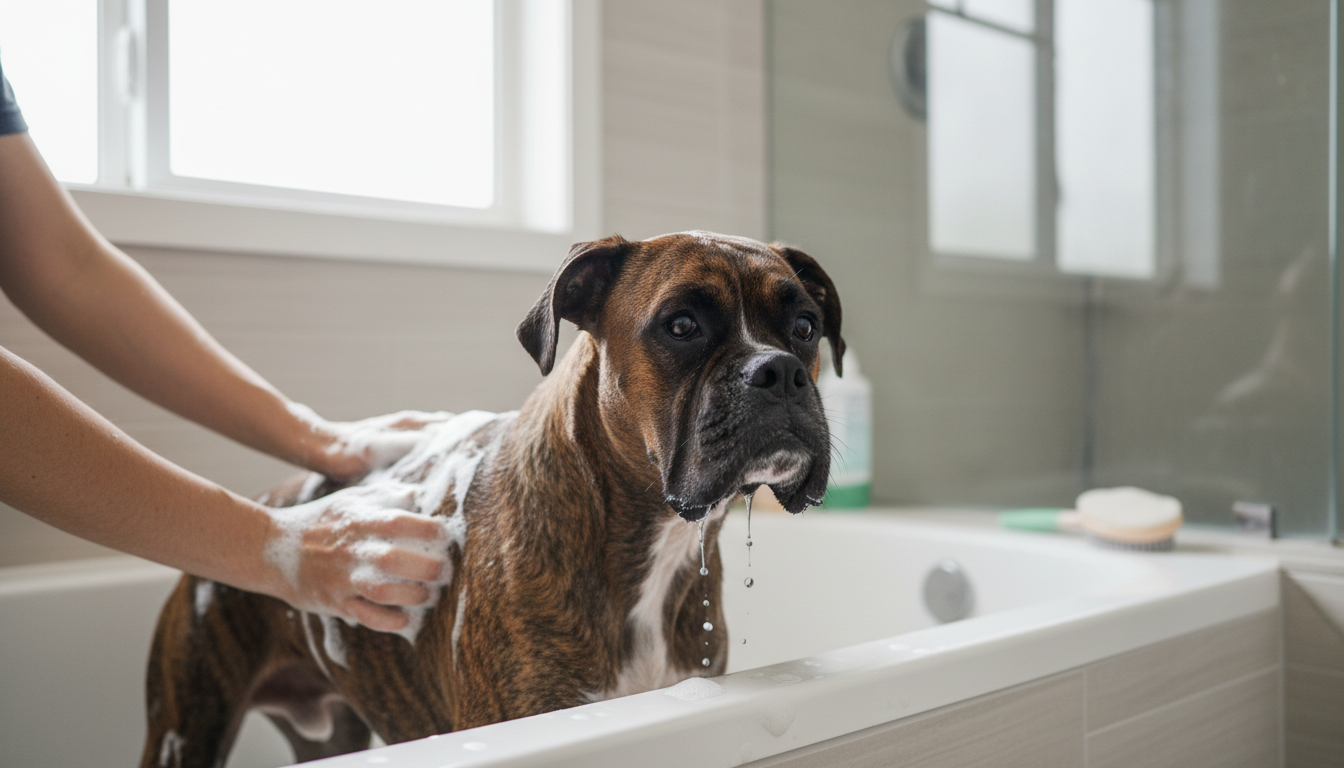
While your vet guides the diagnostic process, there are supportive steps you can take at home to help keep your Boxer more comfortable between visits. Keeping up with flea prevention year-round is one of the simplest ways to remove a common trigger from the equation entirely. Bathing with a vet-recommended, gentle shampoo can also help soothe irritated skin and remove allergens that have settled into the coat.
Keeping your dog’s environment as consistent as possible, including avoiding sudden switches in bedding, cleaning products, or food without your vet’s input, can reduce the number of variables that might be contributing to flare-ups. Never apply human allergy creams, ointments, or medications to your Boxer’s skin without checking with your vet first, since some common household products can be unsafe for dogs or mask symptoms your vet needs to see.
- Maintain consistent, year-round flea prevention
- Use vet-approved shampoos for sensitive skin
- Avoid sudden changes in food, bedding, or cleaning products
- Keep nails trimmed to reduce damage from scratching
When Skin Allergies Signal an Emergency
Most allergic skin reactions in Boxers are uncomfortable rather than dangerous, but there are situations that cross into true emergency territory. Facial swelling that affects the eyes, mouth, or throat can interfere with breathing and needs immediate veterinary attention. Sudden collapse, pale gums, vomiting alongside hives, or difficulty standing are also signs that something more serious than a typical allergic reaction may be happening.
If your Boxer has ever had a severe reaction before, it’s worth discussing an emergency plan with your vet so you know exactly what to watch for and where to go if it happens again. Acting quickly in these situations can make a real difference, so trust your instincts if something feels off rather than waiting to see if it passes.
Long-Term Management and Living With an Allergic Boxer
Many Boxers live full, happy lives with well-managed skin allergies once owners and vets find a routine that works. This often means an ongoing partnership rather than a one-time fix, with periodic check-ins to adjust diet, grooming routines, or medication as your dog’s needs change over time. Some Boxers do well with seasonal adjustments, needing a bit more support during high-pollen months and less during calmer times of year.
Tracking flare-ups in a simple log, noting what your dog ate, where they played, and what the weather was like, can be genuinely useful information to bring to your vet appointments. Over time, patterns often emerge that help narrow down triggers more precisely than memory alone. Staying consistent with whatever plan your vet recommends, even when your Boxer seems to be doing well, helps prevent relapses.
A Final Word for Boxer Owners
Boxer skin allergies can feel frustrating, especially when flare-ups seem to come out of nowhere or take time to resolve. But with patience, a good relationship with your veterinarian, and attentive home care, most allergic Boxers go on to live comfortable lives. If you’re noticing persistent itching, recurring hives, or chronic ear issues in your Boxer, don’t wait for things to worsen. Schedule a visit with your vet to start building a management plan tailored to your dog’s specific triggers and needs.
This article is for general education and is not a substitute for care from your own veterinarian. Learn about The Pet Vet and our editorial policy.