
French Bulldog skin fold dermatitis is one of the most common skin complaints vets see in this breed, and if your Frenchie has started smelling a little musty or licking at their face folds, you are probably already familiar with it. Those cute wrinkles trap moisture, debris, and bacteria, which can quickly turn into irritation or infection. This guide walks you through why it happens, what to watch for, and how to keep your dog’s folds healthy between vet visits.
Table of Contents
- What Is Skin Fold Dermatitis
- Why French Bulldogs Are Especially Prone
- Common Signs to Watch For
- When This Becomes a Medical Problem
- How Vets Diagnose Fold Dermatitis
- Daily Fold Care at Home
- Treatment Options Your Vet May Recommend
- The Role of Diet and Weight
- Bathing and Grooming Considerations
- Managing Flare-Ups During Hot or Humid Weather
- Tail Pocket Care Specifically
- Living With a Fold-Prone Breed
- When to See Your Vet
What Is Skin Fold Dermatitis
Skin fold dermatitis, sometimes called intertrigo, develops when two areas of skin rub together and trap moisture, oils, and debris in between. In French Bulldogs, this happens most often in the nose fold, the tail pocket, and sometimes the lip folds or body wrinkles on heavier dogs. The warm, damp environment inside these folds is an ideal breeding ground for bacteria and yeast, which is why so many Frenchies deal with recurring skin irritation in these specific spots.
Because French Bulldogs were bred with pronounced facial wrinkles and a corkscrew or screw tail, they are structurally more prone to this condition than breeds with flatter faces and straighter tails. The skin inside these folds rarely gets exposed to fresh air, so even small amounts of saliva, tears, or food debris can sit there and cause problems. Over time, repeated irritation can lead to thickened, discolored skin if the folds are not managed consistently.
Owners sometimes mistake early fold dermatitis for a minor odor issue rather than a medical one, but the two are closely linked. A persistent smell coming from your dog’s face or tail area is often the first sign that bacteria or yeast have moved in, and it is worth addressing before the skin becomes raw or painful.
Why French Bulldogs Are Especially Prone
The French Bulldog’s signature wrinkled face is the result of selective breeding for a flat, compact skull, and that same structure creates deep folds around the nose and eyes that other breeds simply do not have. Combined with a tightly curled or screw-shaped tail that sits close to the body, many Frenchies have two separate fold-prone zones to manage rather than just one. This double exposure is part of why the breed shows up so often in veterinary discussions of fold dermatitis.
Body weight also plays a role. French Bulldogs that carry extra weight tend to develop additional folds along the neck and body, which increases the surface area at risk. Humid climates and warm weather make things worse, since heat encourages sweating and bacterial growth, and Frenchies already struggle with heat regulation due to their short muzzles.
Genetics aside, grooming habits and home environment matter too. A Frenchie who swims often, drools heavily, or lives in a humid household may need more frequent fold care than one in a drier climate. Understanding that this is a structural and environmental issue, not a hygiene failure on your part, can help you approach it with patience rather than frustration.
Common Signs to Watch For
Spotting fold dermatitis early makes a real difference in how quickly it resolves. The signs are usually localized to the affected fold and tend to get worse if left unaddressed, so a quick daily glance at your dog’s face and tail area can catch problems before they escalate.
If you notice any combination of these signs, especially odor paired with redness, it is a good idea to have your vet take a look rather than waiting to see if it clears on its own.
- A noticeable musty or yeasty odor coming from the nose fold or tail pocket
- Redness, moistness, or a greasy residue inside the fold
- Your dog rubbing their face on furniture or carpet more than usual
- Visible discharge, crusting, or discoloration of the skin within the fold
- Sensitivity or discomfort when you touch the area, including flinching or pulling away
- Hair loss or thinning around the edges of the fold
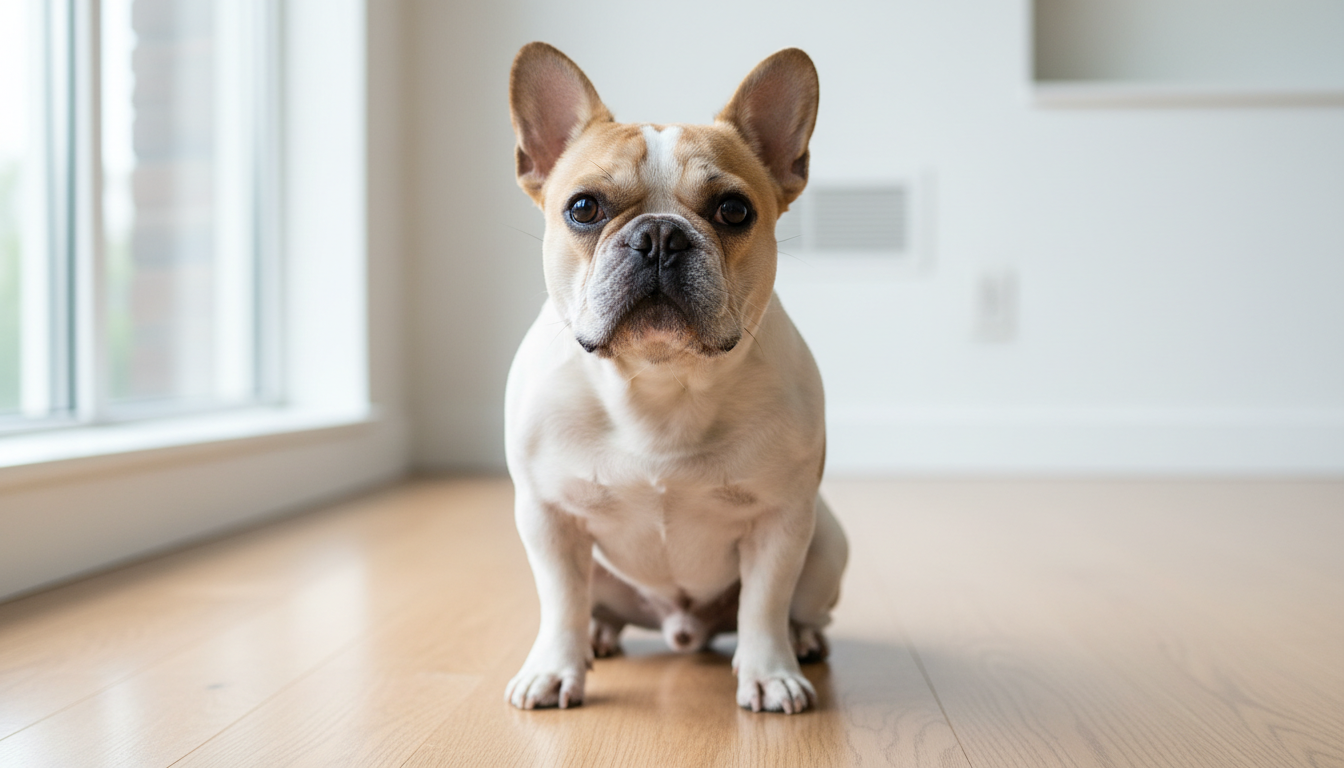
When This Becomes a Medical Problem
Mild irritation can often be managed at home, but fold dermatitis can progress into a true skin infection if bacteria or yeast are allowed to multiply unchecked. At that point, the skin may become raw, oozing, or painful to the touch, and your dog may become increasingly reluctant to let you clean the area. Chronic, untreated fold dermatitis can also lead to thickened, leathery skin changes that are harder to reverse.
Some dogs develop secondary bacterial infections that spread beyond the original fold, particularly if they are constantly licking or scratching at the irritated skin. This self-trauma can break the skin barrier further and introduce more bacteria, creating a frustrating cycle. In more severe cases, the smell and discomfort can affect your dog’s quality of life enough that they avoid being touched on the face or tail area altogether.
This is why it matters to involve your veterinarian once symptoms move beyond mild redness or odor. A vet can determine whether the fold is dealing with simple moisture buildup, a yeast overgrowth, a bacterial infection, or a combination, and each of those may call for a different approach to treatment.
How Vets Diagnose Fold Dermatitis
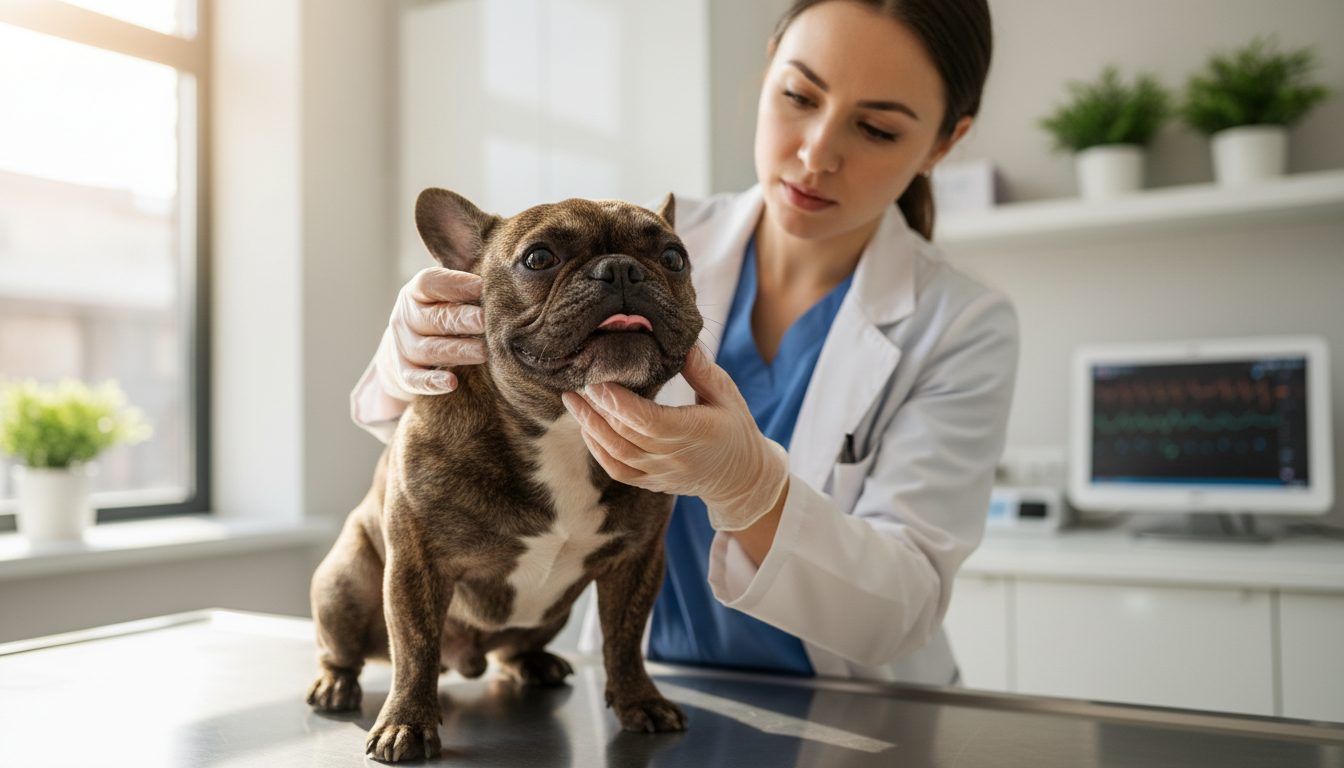
Diagnosing skin fold dermatitis usually starts with a straightforward physical exam, since the condition is visible once the fold is gently opened up for inspection. Your vet will look at the color, texture, and smell of the skin inside the fold and ask about how long the issue has been going on and what home care you have already tried.
In many cases, your vet will also take a sample from the fold using a swab or tape prep to examine under a microscope. This helps identify whether yeast, bacteria, or both are contributing to the problem, which guides what kind of treatment will actually help. Occasionally, if the skin looks unusual or isn’t responding to standard treatment, a vet may recommend additional testing to rule out other skin conditions that can look similar.
It helps to bring a clear history to the appointment, including how often you clean the folds, what products you use, and whether the problem comes and goes or has been constant. That context can speed up the diagnostic process and help your vet tailor recommendations specifically to your dog.
Daily Fold Care at Home
Consistent, gentle cleaning is the backbone of managing fold dermatitis in French Bulldogs, and most dogs tolerate it well once it becomes part of the routine. The goal is to keep the fold dry and free of debris without irritating the skin further through overly aggressive scrubbing or harsh products.
Building this into your existing routine, such as right after a walk or before bed, makes it far more likely to stick long term. Many owners find that once fold cleaning becomes habitual, flare-ups become much less frequent.
- Gently lift the fold open and wipe inside with a soft cloth or cotton pad
- Use a vet-recommended cleanser rather than human wipes or soap, which can be too harsh
- Pat the area completely dry afterward, since trapped moisture is the main problem
- Clean the nose fold and tail pocket at least once daily, more often if your dog is prone to flare-ups
- Avoid cotton swabs deep inside folds, as they can push debris further in
- Check the area daily even when it looks fine, since early changes are easier to catch than advanced ones
Treatment Options Your Vet May Recommend
Once your vet has identified what is driving the fold dermatitis, treatment is typically tailored to the specific cause. For mild cases involving simple moisture buildup, a change in cleaning frequency and a vet-approved drying product may be enough to resolve things. When yeast or bacteria are involved, your vet may prescribe a topical medication designed to address that specific organism.
In more stubborn or recurring cases, your vet might discuss longer-term management strategies, which could include specific cleansing routines, protective barrier products, or in select cases, a conversation about surgical correction of particularly deep or problematic folds. Surgery is generally reserved for dogs with severe, chronic cases that do not respond to medical management, and your vet can walk you through whether that is a reasonable option for your dog’s situation.
It is important not to use leftover medications from a previous flare-up or products designed for human skin without checking with your vet first, since the wrong product can worsen irritation or mask an infection that needs different treatment. Always follow your vet’s specific instructions for how long and how often to apply any prescribed treatment.
The Role of Diet and Weight
While diet does not directly cause fold dermatitis, maintaining a healthy weight can meaningfully reduce how many skin folds your French Bulldog has and how deep they become. Overweight Frenchies often develop additional wrinkles along the neck, shoulders, and body that are not part of the breed’s typical structure, and these extra folds give bacteria and moisture even more places to hide.
Working with your vet on an appropriate feeding plan and portion sizes for your dog’s age, activity level, and body condition can support overall skin health as part of a bigger picture. A leaner dog also tends to sweat and overheat less, which can reduce the moisture buildup that feeds fold dermatitis in the first place.
If your Frenchie is already at a healthy weight, this is less of a concern, but it is still worth discussing with your vet during routine visits, since weight can creep up gradually without you noticing day to day.
Bathing and Grooming Considerations
Regular bathing helps keep your French Bulldog’s overall skin healthy, but it needs to be done thoughtfully around the fold areas. After every bath or swim, make sure to dry the nose fold, tail pocket, and any body wrinkles completely, since leftover moisture from bathing can actually trigger the very problem you are trying to prevent.
Your vet may recommend a specific shampoo formulated for sensitive or fold-prone skin, particularly if your dog has recurring issues. It is generally best to avoid over-bathing, since stripping the skin’s natural oils too frequently can lead to dryness and irritation that compounds the problem rather than solving it.
Brushing and general grooming also give you a built-in opportunity to check the folds for early signs of trouble. Making fold inspection part of your regular grooming session, rather than a separate chore, helps keep it from falling off your radar.

Managing Flare-Ups During Hot or Humid Weather
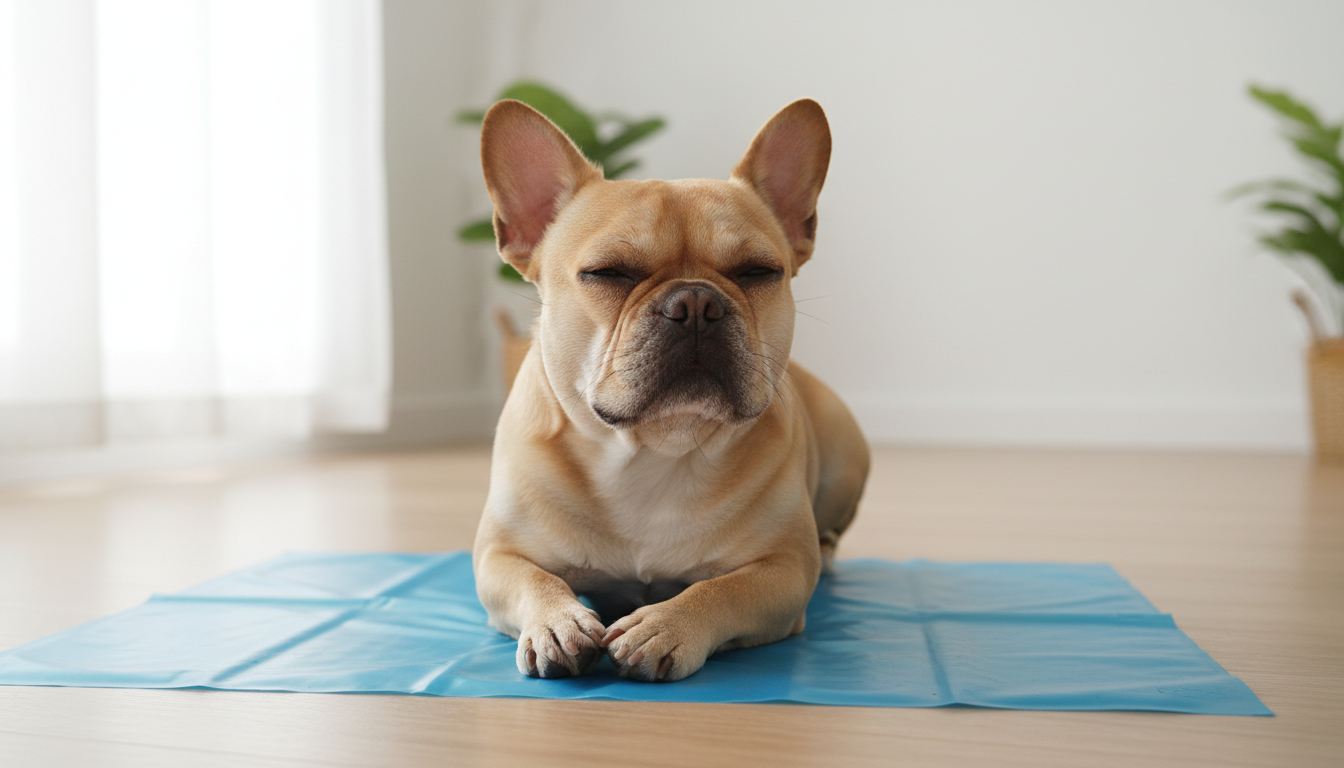
French Bulldogs tend to struggle more with fold dermatitis during warm, humid months, since heat increases both sweating and panting-related moisture around the face. If you live somewhere with hot summers, you may need to step up your fold-cleaning routine during those months compared to cooler seasons.
Keeping your dog cool and limiting strenuous activity during peak heat not only protects them from heat-related breathing issues common in the breed, but also reduces the moisture load on their skin folds. Air conditioning, shaded rest areas, and access to fresh water all help indirectly by keeping your dog from overheating and sweating excessively.
If you notice that flare-ups consistently line up with seasonal changes, mention this pattern to your vet. They may suggest a proactive cleaning schedule for high-risk months rather than waiting for symptoms to appear each time.
Tail Pocket Care Specifically
The tail pocket, the small indentation where a screw or corkscrew tail sits close to the body, deserves its own attention because it is easy to overlook compared to the more visible facial folds. This area can trap fecal matter, moisture, and debris, making it a common site for infection in French Bulldogs with pronounced tail curls.
Gently lifting the tail to check and clean underneath should be part of your regular routine, even if your dog does not seem bothered by it. Some Frenchies have tail pockets deep enough that they require more deliberate cleaning tools or techniques, which your vet or a groomer experienced with the breed can demonstrate for you.
If the tail pocket area becomes consistently inflamed despite regular cleaning, this is worth a dedicated conversation with your vet, since some dogs with particularly deep pockets may need a more involved management plan.
Living With a Fold-Prone Breed
Owning a French Bulldog means accepting that fold care is simply part of the deal, much like dental care or nail trims are for other breeds. Once you build a simple daily or near-daily routine, most owners find it becomes second nature rather than a burden. The key is consistency rather than intensity, since a quick daily check and wipe is far more effective than an occasional deep clean after problems have already developed.
It also helps to keep a small kit of vet-approved cleaning supplies somewhere convenient, like a soft cloth and cleanser near where you already do other grooming tasks. This removes the friction that can cause fold care to get skipped on busy days, which is often when flare-ups sneak in.
Remember that every French Bulldog is a little different, and what works well for one dog’s folds may need tweaking for another. Staying observant and adjusting your routine based on what you see is more valuable than following a rigid, one-size-fits-all approach.
When to See Your Vet
If you notice persistent odor, redness, discharge, or discomfort in your French Bulldog’s skin folds that does not improve with a few days of careful home cleaning, it is time to schedule a vet visit. Fold dermatitis can look mild on the surface while still involving an underlying infection that needs targeted treatment rather than cleaning alone.
You should also contact your vet promptly if your dog seems to be in pain when the area is touched, if the skin looks broken or is bleeding, or if you notice a sudden worsening of symptoms. Recurring flare-ups despite consistent home care are another good reason to check in, since your vet may want to adjust your cleaning routine or explore other underlying contributing factors.
Never hesitate to reach out to your veterinarian with questions about your French Bulldog’s skin folds, even if the issue seems minor. Early attention almost always makes treatment simpler and keeps your dog more comfortable in the long run.
This article is for general education and is not a substitute for care from your own veterinarian. Learn about The Pet Vet and our editorial policy.