
If your dog is showing signs of dog liver disease emergency symptoms, time matters. Your liver is your dog’s detoxification powerhouse, filtering waste and producing vital proteins. When it struggles, the whole body suffers—and fast. Recognizing these critical warning signs could mean the difference between catching a manageable condition and facing a life-threatening crisis.
Table of Contents
- Why the Liver Matters for Your Dog’s Health
- Sign #1: Yellowing of the Eyes, Gums, and Skin (Jaundice)
- Sign #2: Persistent Vomiting and Nausea
- Sign #3: Loss of Appetite and Sudden Weight Loss
- Sign #4: Abdominal Swelling and Tenderness
- Sign #5: Lethargy and Behavioral Changes
- Sign #6: Pale or Discolored Gums and Mucous Membranes
- Sign #7: Excessive Thirst and Urination (Polydipsia and Polyuria)
- Understanding the Underlying Causes
- When to Seek Emergency Care vs. Urgent Care
- What Happens During a Liver Disease Evaluation
- Treatment Options and What to Expect
- Supporting Your Dog at Home During Recovery
- Prevention: Can You Reduce Your Dog’s Risk?
- Understanding Liver Failure in Dogs
- Frequently Asked Questions
- What To Do Now
- Summary: Staying Vigilant for Your Dog’s Liver Health
This article is for informational purposes only and is not a substitute for professional veterinary advice. Always consult a licensed veterinarian for diagnosis and treatment.
The tricky part? Liver disease in dogs doesn’t always announce itself loudly. Some dogs show dramatic symptoms overnight, while others decline gradually. What matters most is knowing what to watch for so you can act fast if something feels wrong.
Why the Liver Matters for Your Dog’s Health
Your dog’s liver handles hundreds of jobs every single day. It metabolizes food, stores nutrients, filters toxins, produces bile for digestion, and makes proteins that keep blood clotting normally. When liver function declines, these essential processes break down.

The liver is remarkably resilient—it can often function even when partially damaged. But once symptoms appear, the damage is usually significant. This is why catching dog liver disease early signs matters so much.
Sign #1: Yellowing of the Eyes, Gums, and Skin (Jaundice)
One of the most visible emergency signs is jaundice—a yellowish tint to your dog’s eyes, gums, or skin. This happens when the liver can’t process bilirubin, a waste product from old red blood cells.
If you notice your white-furred dog’s skin taking on a yellow hue, or the whites of their eyes aren’t white anymore, this is a red flag. Catching this early puts you in a great position to help your vet diagnose what’s happening.
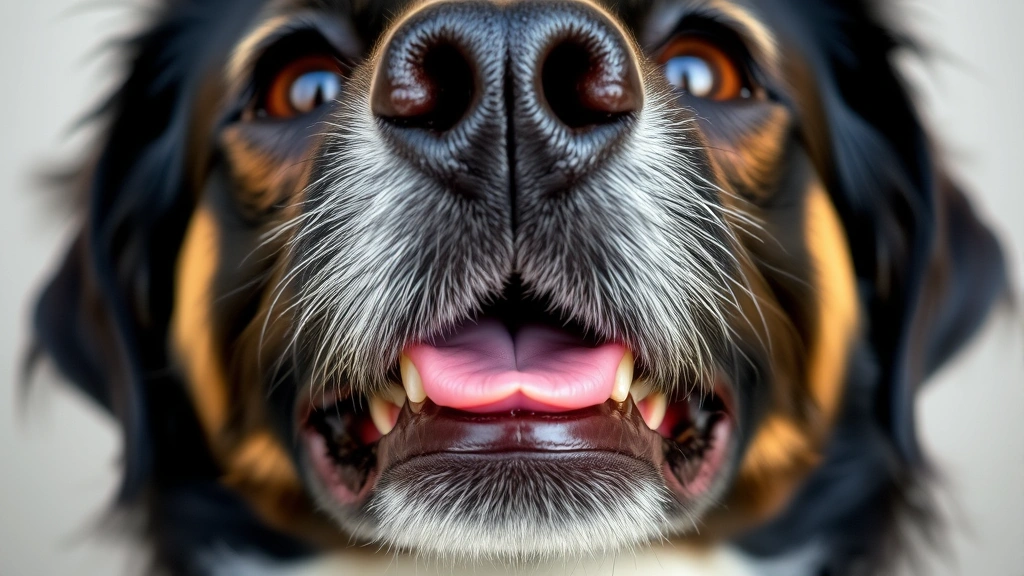
Jaundice typically means the liver is struggling significantly and requires immediate veterinary attention.
Sign #2: Persistent Vomiting and Nausea
Vomiting in dogs can signal many things, but when paired with other symptoms, it’s often a liver disease warning. Your dog may refuse meals, drool excessively, or heave without producing anything.
Repeated vomiting also dehydrates your dog, which stresses the liver further. If your dog is vomiting in dogs repeatedly over hours or days, this warrants urgent evaluation.
Don’t wait to see if it resolves on its own—liver-related vomiting usually worsens without intervention.
Sign #3: Loss of Appetite and Sudden Weight Loss
A dog who once devoured meals with enthusiasm but now turns away from food is sending a signal. Liver disease causes nausea and reduces appetite, leading to rapid weight loss.
Some dogs lose 10-20% of their body weight in just weeks. This dramatic change weakens their immune system and makes recovery harder.

Even if your dog seems otherwise normal, unexplained weight loss paired with disinterest in food deserves urgent investigation.
Sign #4: Abdominal Swelling and Tenderness
A swollen belly in a dog with liver disease often signals fluid accumulation (ascites). You might notice your dog’s abdomen looks bloated or feels hard when you gently touch it.
Your dog may also seem uncomfortable—reluctant to jump, play, or lie down in their usual positions. They might yelp if you touch their belly.

This swelling indicates the liver isn’t regulating fluid balance properly, and it’s a sign that intervention is needed soon.
Sign #5: Lethargy and Behavioral Changes
A normally playful dog who suddenly becomes a couch potato may be experiencing liver-related fatigue. Liver disease causes a buildup of toxins in the bloodstream, making dogs feel exhausted and confused.
You might also notice personality shifts—a friendly dog becoming withdrawn, or unusual aggression. Some dogs seem disoriented or “out of it.”

These behavioral changes happen because toxins are affecting the brain (hepatic encephalopathy). This is serious and requires immediate care.
Sign #6: Pale or Discolored Gums and Mucous Membranes
Healthy dog gums are pink. Pale, white, or grayish gums suggest poor circulation or blood loss—both complications of advanced liver disease.
Check your dog’s gums by gently lifting their lip. Press your finger on the gum; it should turn white briefly, then pink again within 1-2 seconds. If it takes longer, blood flow is compromised.

This sign indicates your dog needs urgent veterinary care to prevent organ failure.
Sign #7: Excessive Thirst and Urination (Polydipsia and Polyuria)
A dog drinking water constantly and urinating more frequently may have liver disease. The liver helps regulate water balance and electrolytes, so when it fails, these symptoms appear.
You might refill the water bowl multiple times daily or notice your housetrained dog having accidents indoors. This isn’t behavioral—it’s a physical sign of liver dysfunction.

Combined with other symptoms, excessive thirst is a strong indicator your dog needs evaluation right away.
Understanding the Underlying Causes
Knowing what causes liver disease helps you understand why these symptoms appear. Dog liver disease causes range from infections and toxins to genetic conditions and age-related degeneration.
Some causes are preventable (like avoiding toxic foods or medications), while others require early detection. Understanding these factors helps you stay vigilant.

Your vet can help identify the underlying cause and recommend appropriate management strategies.
When to Seek Emergency Care vs. Urgent Care
Seek emergency care immediately if your dog shows:
- Severe vomiting or inability to keep food/water down
- Jaundice (yellowing of eyes, gums, or skin)
- Pale or gray gums
- Severe lethargy or unresponsiveness
- Difficulty breathing
- Seizures or tremors
- Abdominal distension with obvious discomfort
Seek urgent care (within 24 hours) for:

- Mild appetite loss lasting more than a day
- Mild vomiting without other severe symptoms
- Unexplained weight loss over weeks
- Increased thirst and urination without other signs
- Subtle behavioral changes
If you’re unsure whether your pet needs urgent care, a quick telehealth check-in can give you peace of mind—no appointment needed. The Pet Vet can help you assess whether your dog’s symptoms warrant emergency evaluation.
What Happens During a Liver Disease Evaluation
Your vet will start with a physical exam, checking gum color, abdominal tenderness, and overall body condition. They’ll ask detailed questions about when symptoms started and what you’ve noticed.
Blood work is essential—liver enzymes (ALT, AST), bilirubin levels, and albumin tell the story of liver function. Ultrasound imaging shows the liver’s structure and size.
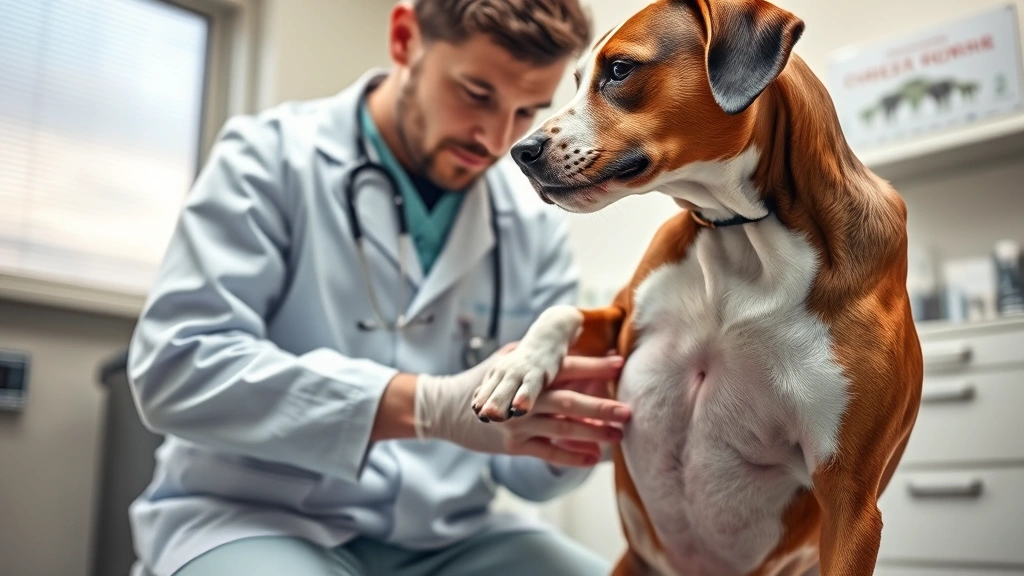
In some cases, a liver biopsy is needed to identify the exact cause. Your vet will explain which tests your dog needs based on their symptoms.
Treatment Options and What to Expect
Treatment depends on the underlying cause. Dog liver disease treatment options range from dietary management and supplements to medications and hospitalization for severe cases.
Some conditions are reversible if caught early, while others require long-term management. Your vet will discuss realistic outcomes and what to expect moving forward.

Even advanced cases can often be stabilized, giving your dog quality time and comfort.
Supporting Your Dog at Home During Recovery
Once your vet provides a diagnosis, your role at home is crucial. Follow dietary recommendations closely—liver disease dogs often need specialized, low-protein diets to reduce toxin production.
Administer any prescribed medications exactly as directed. Keep your dog calm and stress-free, as stress worsens liver function.

Monitor symptoms closely and report any changes to your vet immediately. Regular check-ups help catch complications early.
Prevention: Can You Reduce Your Dog’s Risk?
While you can’t prevent all liver disease, you can reduce risk by:
- Keeping toxic foods away (chocolate, grapes, xylitol, fatty foods)
- Limiting over-the-counter medications without vet approval
- Maintaining a healthy weight through proper diet and exercise
- Getting regular wellness exams—bloodwork catches issues early
- Avoiding exposure to known toxins or contaminated water
- Keeping vaccinations current to prevent infectious liver disease
Senior dogs (age 7+) benefit from annual or twice-yearly bloodwork to catch liver changes before symptoms appear.

Understanding Liver Failure in Dogs
If liver disease progresses without treatment, it can lead to liver failure in dogs. This is when the liver loses so much function that the body can’t survive without intervention.
Liver failure causes hepatic encephalopathy (brain toxicity), severe bleeding, kidney failure, and organ shutdown. It’s a medical emergency requiring intensive care.
The good news? Catching disease early often prevents progression to failure.

Frequently Asked Questions
How quickly can dog liver disease develop?
Liver disease can develop over weeks to months in some cases, or progress slowly over years in others. Acute liver injury from toxins can cause severe symptoms in days. Regular vet visits help catch gradual changes early.
Can liver disease in dogs be cured?
Some causes of liver disease are reversible if caught early and treated aggressively. Others are manageable but not curable. Your vet will discuss your dog’s specific prognosis based on the underlying cause and severity.
Is liver disease painful for dogs?
Liver disease itself isn’t always painful, but complications like abdominal swelling and nausea cause discomfort. Your vet can recommend pain management and comfort measures.

What’s the difference between liver disease and liver failure?
Liver disease means the liver is damaged or not functioning optimally, but some function remains. Liver failure means the liver has lost so much function that the body can’t sustain itself. Disease can progress to failure without treatment.
Should I change my dog’s diet if they have liver disease?
Yes—dietary management is crucial. Most dogs with liver disease benefit from specialized, low-protein, low-fat diets. Your vet will recommend specific foods or supplements tailored to your dog’s condition.
What To Do Now
If you suspect your dog is experiencing liver disease emergency signs, take these steps immediately:
- Assess your dog’s symptoms: Write down what you’re seeing—vomiting frequency, appetite changes, color of gums, behavior shifts. This information helps your vet.
- Contact your vet or emergency clinic right away: Don’t wait to see if symptoms improve. Liver disease worsens quickly without intervention. If it’s after hours, call an emergency veterinary clinic.
- Prepare your medical history: Have your dog’s vaccination records, previous bloodwork, and a list of any medications or supplements ready for your vet.
- Avoid home remedies: Don’t give your dog supplements, medications, or special foods without vet approval. Some can stress the liver further.
- Schedule follow-up care: Even if your dog seems to improve, liver disease requires ongoing monitoring. Regular bloodwork and vet visits are essential for long-term management.
Summary: Staying Vigilant for Your Dog’s Liver Health
Dog liver disease emergency signs don’t always look dramatic, but they demand attention. Jaundice, vomiting, appetite loss, abdominal swelling, lethargy, pale gums, and excessive thirst are your dog’s way of telling you something is wrong.
The liver’s remarkable resilience means early intervention often makes a huge difference. Catching these symptoms early—before your dog reaches liver failure—gives you the best chance at managing the condition and maintaining quality of life.
Trust your instincts. If something feels off, it probably is. Your vet is your partner in keeping your dog healthy, so reach out whenever you’re concerned. Every day you act faster is a day closer to answers and relief for your beloved companion.
Your dog depends on you to notice these signs. You’ve got this.
This article is for general education and is not a substitute for care from your own veterinarian. Learn about The Pet Vet and our editorial policy.