
If your puppy is experiencing digestive troubles, you’re not alone—dog gastrointestinal issues in young pets are one of the most common concerns veterinarians hear from worried owners. Watching your furry friend struggle with an upset stomach, diarrhea, or vomiting can be stressful, but the good news is that most cases are manageable with the right care and guidance.
Table of Contents
- Why Are Puppies More Prone to Digestive Problems?
- Common Signs of Dog Gastrointestinal Issues in Young Pets
- Understanding the Root Causes
- The Role of Medication in Managing Puppy Digestive Health
- Dietary Management: The Foundation of Recovery
- When to Seek Veterinary Care Immediately
- Supporting Your Puppy’s Recovery at Home
- Prevention: Building Long-Term Digestive Health
- The Connection Between Stress and Digestive Health
- Working With Your Veterinarian on a Treatment Plan
- Frequently Asked Questions
- What To Do Now
- Summary: Supporting Your Puppy Through Digestive Challenges
This article is for informational purposes only and is not a substitute for professional veterinary advice. Always consult a licensed veterinarian for diagnosis and treatment.
Why Are Puppies More Prone to Digestive Problems?
Young dogs have developing digestive systems that are still learning how to process different foods and handle environmental changes. Their gut bacteria, or microbiome, is still establishing itself, making them more vulnerable to upset stomachs than adult dogs.
Additionally, puppies are naturally curious and often eat things they shouldn’t—grass, toys, or food scraps. This exploratory behavior combined with their sensitive systems creates the perfect storm for digestive upset. The transition from mother’s milk to solid food also plays a role in early gastrointestinal sensitivity.
Common Signs of Dog Gastrointestinal Issues in Young Pets
Recognizing the early warning signs helps you catch problems before they become serious. Here are the most common symptoms you might notice:
- Diarrhea or loose stools – Often the first sign something’s off
- Vomiting – May happen once or repeatedly throughout the day
- Loss of appetite – Your puppy suddenly disinterested in meals
- Excessive gas or bloating – Visible discomfort or belly distention
- Lethargy – Less playful energy than usual
- Abdominal pain – Whining, hunching, or reluctance to move
Catching these symptoms early puts you in a great position to help your puppy feel better quickly. If your puppy shows any of these signs, don’t panic—most cases resolve with proper care.
Understanding the Root Causes
Dog gastrointestinal issues can stem from multiple sources. Food sensitivities or allergies are incredibly common in young dogs, especially when switching between brands or introducing new proteins too quickly. A gradual novel protein introduction schedule can help prevent many of these problems.
Parasites are another frequent culprit in puppies. Intestinal worms, giardia, and coccidia are parasites that puppies may inherit from their mother or pick up in their environment. Stress from moving to a new home, changes in routine, or exposure to new dogs can also trigger temporary digestive upset.
Bacterial or viral infections, though less common, can cause more serious gastrointestinal distress. Infections like parvovirus require immediate veterinary attention, so knowing when to seek urgent care is essential.
The Role of Medication in Managing Puppy Digestive Health
While lifestyle changes and dietary adjustments form the foundation of treatment, certain medications can help your puppy feel more comfortable during recovery. Your veterinarian may recommend various options depending on the underlying cause and severity of symptoms.
It’s important to understand that medications work best alongside dietary management and proper care. There’s no one-size-fits-all solution, which is why professional guidance matters so much. If you’re unsure whether your pet needs urgent care, a quick telehealth check-in can give you peace of mind—no appointment needed.
Dietary Management: The Foundation of Recovery
Before jumping to medication, many vets recommend dietary adjustments as the first step. A bland, easily digestible diet gives your puppy’s stomach a chance to heal. Knowing which foods to avoid is equally important for preventing flare-ups.
Feeding smaller, more frequent meals rather than one or two large meals helps reduce stress on the digestive system. Some puppies benefit from a temporary switch to limited-ingredient or prescription diets that are gentler on their stomachs.
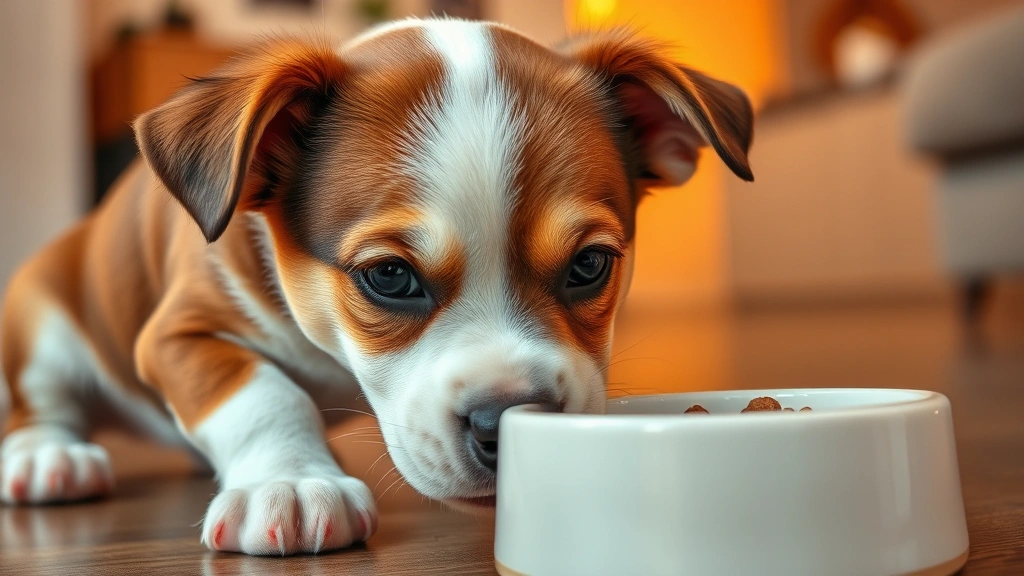
Probiotics and digestive enzymes are also popular supportive tools that many pet owners find helpful. These work to restore healthy gut bacteria and improve nutrient absorption, supporting your puppy’s natural healing process.
When to Seek Veterinary Care Immediately
Most cases of puppy digestive upset resolve within a few days with rest and dietary changes. However, certain situations require immediate professional attention. If your puppy shows any of these red flags, contact your vet right away:
- Persistent vomiting that lasts more than a few hours
- Bloody diarrhea or vomit
- Signs of severe abdominal pain or distention
- Lethargy combined with refusal to eat for more than 12 hours
- Fever or signs of illness beyond digestive symptoms
- Symptoms in very young puppies (under 8 weeks)
Catching serious conditions early makes all the difference in outcomes. Your vet can run tests to rule out parasites, infections, or other serious conditions that need prompt treatment.
Supporting Your Puppy’s Recovery at Home
While your veterinarian handles the medical side, you play a crucial role in your puppy’s recovery. Keep your home calm and stress-free, as anxiety can worsen digestive issues. Ensure your puppy has constant access to fresh, clean water to prevent dehydration.
Limit playtime and exercise while your puppy recovers—rest is healing. Monitor bowel movements and appetite closely, and keep detailed notes to share with your vet. This information helps them understand your puppy’s progress and adjust treatment if needed.
Be patient with house training setbacks during this time. Puppies experiencing digestive issues may have accidents indoors despite being otherwise well-trained. This is normal and will resolve as they recover.
Prevention: Building Long-Term Digestive Health
The best medicine is prevention. Building healthy digestive habits from the start sets your puppy up for a lifetime of good gut health. Start with high-quality puppy food appropriate for their age and size, and make any dietary changes gradually over 7-10 days.
Keep your puppy’s living environment clean and monitor what they have access to—puppies will eat almost anything. Regular parasite prevention through your veterinarian is essential, even if your puppy stays indoors.
Stress management matters too. Consistent routines, positive socialization, and plenty of rest help keep your puppy’s nervous system—and digestive system—calm and balanced.
The Connection Between Stress and Digestive Health
Many pet owners don’t realize how closely connected stress and digestion are in puppies. The gut-brain axis means that anxiety, fear, or major life changes can trigger digestive upset even without an underlying physical cause.
Moving to a new home, meeting new people or pets, or changes in routine can all stress your puppy’s system. Creating a safe, predictable environment with consistent feeding times and exercise schedules helps minimize stress-related digestive issues. Vomiting in dogs is sometimes purely stress-related and resolves once your puppy settles in.
Working With Your Veterinarian on a Treatment Plan
Your vet is your best resource for creating a personalized treatment plan for your puppy’s specific situation. Come prepared with details about when symptoms started, what your puppy has eaten recently, and any other health concerns.

Be honest about what you’ve already tried at home. Your vet needs the full picture to make informed recommendations. Don’t hesitate to ask questions about why certain treatments are recommended or what alternatives exist.
Follow-up appointments help your vet monitor progress and adjust the plan if needed. Most puppies show improvement within 3-7 days of starting treatment, but some cases take longer to resolve completely.
Frequently Asked Questions
How long does it take for a puppy’s digestive system to mature?
Most puppies’ digestive systems are fairly mature by 6-8 months of age, though continued development happens until they reach adulthood around 12-18 months depending on breed.
Can I give my puppy over-the-counter digestive aids?
Some over-the-counter products are safe, but always check with your vet first. They can recommend specific products appropriate for your puppy’s age and condition.
Is it normal for puppies to have loose stools sometimes?
Occasional loose stools are common in puppies, especially during transitions or stress, but persistent diarrhea warrants a vet visit to rule out parasites or other issues.
What’s the difference between food sensitivity and food allergy in puppies?
Food sensitivity causes digestive upset, while true allergies involve immune system reactions that may include skin issues or more severe symptoms. Your vet can help determine which your puppy has.
Should I fast my puppy when they have digestive issues?
Short fasting periods (4-8 hours) may help, but puppies shouldn’t fast long due to their high metabolic needs. Your vet will advise on the best approach for your puppy’s specific situation.
What To Do Now
- Document symptoms: Write down when digestive issues started, what your puppy ate before symptoms appeared, and how often symptoms occur. This information is invaluable for your vet.
- Schedule a vet appointment: Contact your veterinarian to rule out serious conditions like parasites or infections. If you’re unsure about urgency, a quick telehealth consultation can help you decide on next steps.
- Switch to a bland diet: Feed easily digestible foods like boiled chicken and rice in small, frequent meals while you wait for your appointment.
- Ensure hydration: Keep fresh water available at all times and monitor your puppy’s water intake to prevent dehydration.
- Reduce stress: Keep your puppy’s environment calm, maintain consistent routines, and limit strenuous activity until symptoms resolve.
Summary: Supporting Your Puppy Through Digestive Challenges
Dog gastrointestinal issues in young pets are common but manageable with the right approach. Understanding the signs, knowing when to seek help, and supporting your puppy’s recovery through diet and care makes all the difference in their healing journey.
Remember that most puppy digestive problems resolve quickly with proper veterinary guidance and home care. Your attentive observation and willingness to seek professional help when needed puts your puppy in the best possible position for recovery and long-term digestive health.
Don’t hesitate to reach out to your veterinarian or consider a telehealth consultation if you’re concerned about your puppy’s digestive health. Early intervention often means faster recovery and a happier, healthier pup. You’re doing great by educating yourself and taking your puppy’s health seriously!
About The Pet Vet: The Pet Vet provides convenient telehealth veterinary care for pet owners who want quick, professional guidance without the wait. Our licensed veterinarians are here to help you understand your pet’s health and create treatment plans that work for your family.
This article is for general education and is not a substitute for care from your own veterinarian. Learn about The Pet Vet and our editorial policy.