
When your dog starts scratching relentlessly or develops strange rashes, it’s natural to worry—and recognizing dog skin allergies emergency signs early could make all the difference in your pet’s comfort and recovery.
Table of Contents
- Understanding Dog Skin Allergies
- Sign #1: Severe, Uncontrollable Scratching and Self-Trauma
- Sign #2: Facial Swelling and Hives
- Sign #3: Difficulty Breathing or Wheezing
- Sign #4: Weeping Sores and Infected Skin Lesions
- Sign #5: Lethargy, Fever, or Signs of Systemic Illness
- Sign #6: Intense Ear Infections and Head Shaking
- Sign #7: Anaphylactic Shock Symptoms
- When to Seek Emergency Care vs. Routine Veterinary Visits
- What You Can Do Right Now
- Prevention and Long-Term Management
- The Role of Veterinary Support
- Frequently Asked Questions
- Summary: Staying Vigilant for Your Dog’s Safety
This article is for informational purposes only and is not a substitute for professional veterinary advice. Always consult a licensed veterinarian for diagnosis and treatment.
Skin allergies in dogs are incredibly common, affecting millions of pets each year. The tricky part? Knowing when a simple itch becomes something that needs immediate veterinary attention. Your dog can’t tell you what’s wrong, so you need to be their advocate and recognize when something has crossed from manageable to urgent.
Understanding Dog Skin Allergies
Dog skin allergies happen when your pet’s immune system overreacts to something in their environment, food, or on their skin. This could be pollen, dust mites, certain proteins, or even contact with irritating substances. The result? Intense itching, inflammation, and sometimes secondary infections that can escalate quickly.

What starts as a minor itch can become a serious problem if left unchecked. That’s why understanding the difference between routine allergies and emergency situations is so important for responsible pet ownership.
Sign #1: Severe, Uncontrollable Scratching and Self-Trauma
If your dog is scratching so intensely that they’re breaking their own skin or creating bleeding wounds, this is a red flag. Excessive scratching can lead to open sores that become infected, turning a skin allergy into a medical emergency.
Watch for signs of self-inflicted damage like raw patches, bleeding, or your dog seeming obsessed with one particular area. Catching this early puts you in a great position to help prevent serious complications.

You might notice your dog won’t stop even when you try to distract them. This level of distress indicates their discomfort has reached a critical point.
Sign #2: Facial Swelling and Hives
Facial swelling, puffy eyes, or hives appearing suddenly across your dog’s body can indicate an acute allergic reaction. These symptoms may suggest your dog is experiencing anaphylaxis or a severe allergic response that requires immediate veterinary care.
If you notice your dog’s face looks puffy or their eyes are swollen shut, don’t wait—this could progress rapidly. Hives that appear suddenly and spread across the body are also concerning and warrant prompt evaluation.

These signs often appear within minutes to hours of exposure to an allergen, so act quickly if you see them.
Sign #3: Difficulty Breathing or Wheezing
Respiratory distress related to a skin allergy emergency is serious. If your dog is wheezing, panting excessively, or struggling to breathe, their airway may be affected by severe swelling.
This is one of the most critical emergency signs and requires immediate veterinary attention. Don’t delay if you notice any changes in your dog’s breathing patterns.

Even if breathing seems slightly labored, it’s better to get checked out immediately than to wait and see if it improves.
Sign #4: Weeping Sores and Infected Skin Lesions
When scratching breaks the skin barrier, bacteria can invade and cause infections. You might notice oozing, crusty, or foul-smelling lesions that look angry and inflamed. Secondary skin infections can become serious if not treated promptly.
Look for signs of pus, excessive redness, or a foul odor coming from affected areas. These indicate your dog’s skin has been compromised and needs professional treatment.
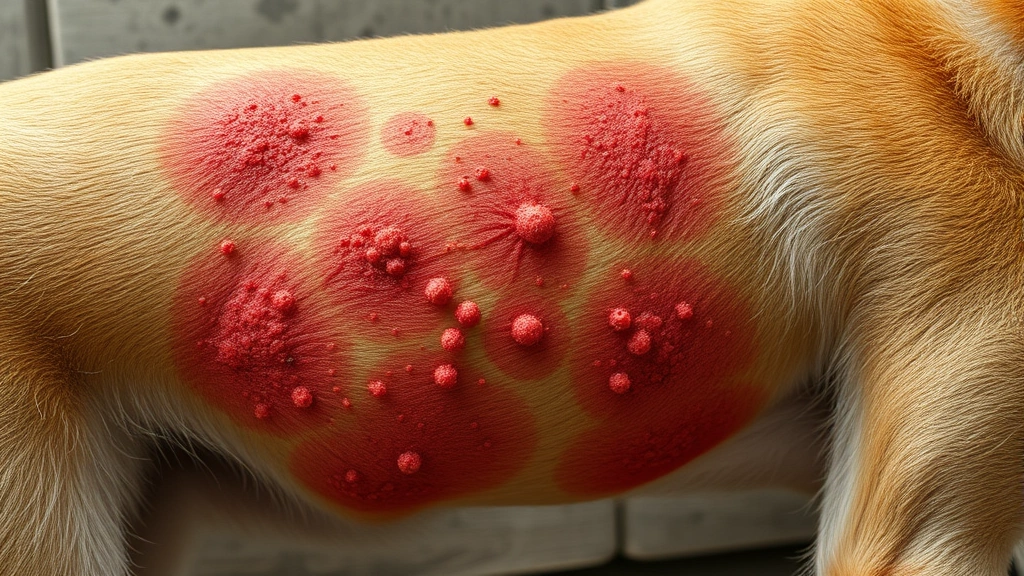
Infected skin lesions can spread and cause systemic issues if left untreated, so professional evaluation is essential.
Sign #5: Lethargy, Fever, or Signs of Systemic Illness
When a skin allergy progresses to a serious infection, your dog may show signs of feeling genuinely unwell. Lethargy, loss of appetite, fever, or unusual behavior can indicate the infection has moved beyond the skin.
If your dog seems depressed, won’t eat, or has a temperature, these are emergency warning signs. A skin infection that’s caused your dog to feel systemically ill needs immediate veterinary intervention.

Trust your instincts—if your dog seems “off” beyond just the skin issue, get them checked right away.
Sign #6: Intense Ear Infections and Head Shaking
Dogs with allergies often develop ear infections as a secondary problem. Constant head shaking, ear scratching until they bleed, or a foul smell from the ears can indicate a serious ear infection requiring emergency care.
Ear infections can be painful and, if untreated, can affect your dog’s balance and hearing. Severe ear issues should never be ignored.

If your dog is shaking their head so vigorously they’re causing injury, or if you notice discharge or a strong odor, seek veterinary care immediately.
Sign #7: Anaphylactic Shock Symptoms
In rare but serious cases, severe allergic reactions can trigger anaphylaxis. Signs include collapse, loss of consciousness, pale gums, rapid or weak pulse, or seizures. This is a true medical emergency requiring immediate veterinary care.
If your dog collapses or loses consciousness, call your veterinary emergency clinic immediately. Don’t wait—anaphylaxis can be life-threatening.

Even if symptoms seem to improve, your dog still needs emergency evaluation because anaphylaxis can be biphasic and return suddenly.
When to Seek Emergency Care vs. Routine Veterinary Visits
Not every skin allergy requires emergency care, but knowing the difference is crucial. Routine allergies with mild itching and occasional scratching can often be managed with home care or a regular vet appointment.
However, if you see any of the seven signs above, or if your dog’s condition is rapidly worsening, don’t hesitate to seek emergency care. It’s always better to be safe when it comes to your pet’s health.
If you are unsure whether your pet needs urgent care, a quick telehealth check-in can give you peace of mind—no appointment needed. Many veterinary telehealth services can assess your dog’s symptoms and advise whether in-person emergency care is necessary.
What You Can Do Right Now
- Document symptoms: Take photos or videos of affected areas and note when symptoms started and how quickly they’re progressing. This information helps your vet understand the severity.
- Remove potential allergens: If you recently introduced a new food, treat, or environmental exposure, try to remove it and observe if symptoms improve. Keep track of what changed.
- Prevent further trauma: Consider using an Elizabethan collar (cone) if your dog is causing self-injury through scratching. This prevents further damage while you seek professional help.
- Contact your veterinarian: Call your regular vet first, or if it’s after hours and symptoms are severe, contact an emergency veterinary clinic. Describe the emergency signs you’re seeing.
- Keep your dog calm: Stress can worsen allergic reactions and itching. Keep your dog in a cool, quiet space and try to minimize excitement until you can get professional evaluation.
Prevention and Long-Term Management
Once you’ve addressed the emergency, work with your veterinarian to identify the underlying cause of your dog’s allergies. This might involve elimination diets, allergy testing, or environmental modifications.
Many dogs with allergies benefit from consistent management strategies. Learn about dog skin allergies home treatment options and natural remedies that can help prevent future flare-ups.

Understanding your dog’s specific triggers—whether food-related or environmental—allows you to be proactive. Some owners find that adjusting their dog’s diet using a novel protein introduction schedule helps significantly.
Regular grooming, maintaining good skin health, and keeping your dog’s immune system strong through proper nutrition and exercise can all help reduce allergy severity over time.
The Role of Veterinary Support
Your veterinarian is your best resource for managing your dog’s skin allergies long-term. They can prescribe appropriate treatments, identify secondary infections, and help you understand your dog’s specific allergy triggers.

For non-emergency questions about allergy management, telehealth consultations can be convenient and cost-effective. However, emergency signs always warrant in-person evaluation where your vet can perform a thorough physical examination.
Building a strong relationship with your veterinary team means you’ll have support whenever you need guidance about your dog’s health.
Frequently Asked Questions
How quickly can dog skin allergies become an emergency?
Skin allergies can escalate rapidly, especially if your dog is causing self-trauma through scratching or if a secondary infection develops. Some signs like facial swelling or breathing difficulty require immediate attention within minutes to hours.

Can I treat emergency skin allergy signs at home?
While mild allergies can be managed at home, emergency signs like swelling, difficulty breathing, or severe infection require professional veterinary care. Home treatment is not appropriate for these situations.
What’s the difference between a food allergy and an environmental allergy in dogs?
Food allergies typically cause itching year-round and often include digestive symptoms, while environmental allergies are seasonal or location-specific. Your vet can help determine which type your dog has through testing and elimination diets.
Is it normal for dogs with allergies to develop ear infections?
Yes, ear infections are very common secondary problems in dogs with allergies. The warm, moist ear canal provides an ideal environment for bacteria and yeast to grow when allergies cause inflammation.

Should I be worried if my dog’s scratching seems worse at night?
Increased itching at night is common in dogs with allergies, as they have fewer distractions and cooler temperatures can sometimes intensify itching. However, if nighttime scratching is causing injury or preventing sleep, discuss management strategies with your vet.
Summary: Staying Vigilant for Your Dog’s Safety
Recognizing dog skin allergies emergency signs could save your dog from serious complications or even life-threatening situations. The seven critical symptoms outlined here—severe scratching with self-trauma, facial swelling, difficulty breathing, infected lesions, systemic illness signs, intense ear infections, and anaphylactic shock—all warrant prompt veterinary attention.
Your dog depends on you to notice when something isn’t right and to act quickly. While many skin allergies are manageable with routine care and home treatment, emergency situations demand immediate professional evaluation. Trust your instincts, document what you’re seeing, and don’t hesitate to reach out to your veterinarian or an emergency clinic.

Remember, catching these signs early puts you in the best position to help your dog feel better and prevent serious complications. You’re doing great by educating yourself about these warning signs—that’s the first step in keeping your beloved pet safe and healthy.
This article is for general education and is not a substitute for care from your own veterinarian. Learn about The Pet Vet and our editorial policy.