
If you’ve noticed your dog displaying unusual neurological symptoms shortly after a vaccination, you’re understandably concerned—and you’re not alone in wondering whether a dog neurological disorder after vaccination could be affecting your beloved companion. Pet owners often report seeing behavioral changes, coordination problems, or tremors in the days or weeks following routine immunizations, and it’s natural to connect the dots and worry about what might be happening inside your dog’s nervous system.
Table of Contents
- Understanding Neurological Symptoms in Dogs Post-Vaccination
- Common Neurological Signs to Watch After Vaccination
- Vaccination and the Nervous System: What Research Shows
- Distinguishing Between Mild Reactions and Serious Conditions
- Diagnostic Approaches for Post-Vaccination Neurological Issues
- Treatment Options for Neurological Complications
- Managing Related Conditions After Vaccination
- Recovery and Long-Term Prognosis
- Preventing Future Complications: Vaccination Planning
- When to Seek Emergency Care
- Frequently Asked Questions
- What To Do Now
- Summary: Moving Forward With Confidence
This article is for informational purposes only and is not a substitute for professional veterinary advice. Always consult a licensed veterinarian for diagnosis and treatment.
Understanding Neurological Symptoms in Dogs Post-Vaccination
Neurological symptoms can range from mild to severe, and they may develop immediately after vaccination or emerge gradually over several days. Your dog might experience tremors, loss of coordination, seizures, behavioral changes, or difficulty walking. While most dogs recover fully after vaccination without incident, understanding what to watch for empowers you to act quickly if something seems off.
The nervous system controls everything from movement to sensation, so when something disrupts it, the signs become noticeable fast. Early recognition of these symptoms puts you in a strong position to help your dog get the care they need.
Common Neurological Signs to Watch After Vaccination
After your dog receives a vaccine, pay close attention over the next 48 to 72 hours—this is when most adverse reactions appear. Here are the key neurological symptoms pet owners should monitor:
- Tremors or shaking: Involuntary muscle movements that may come and go
- Loss of balance or coordination: Your dog may stumble, sway, or appear disoriented
- Seizure activity: Convulsions, paddling movements, or loss of consciousness
- Behavioral changes: Unusual aggression, anxiety, or withdrawal
- Weakness or paralysis: Difficulty standing or moving, especially in the hind legs
- Excessive drooling or difficulty swallowing: Signs of nerve involvement
- Head tilt or nystagmus: Involuntary eye movements or head positioning
- Sensitivity to light or sound: Your dog may hide or seem hypersensitive
If you notice any of these signs, don’t panic—but do reach out to your veterinarian promptly. Catching these early changes puts you in a great position to help.
Vaccination and the Nervous System: What Research Shows
The relationship between vaccines and neurological complications is an area veterinarians take seriously. While severe neurological reactions are rare, they do occur in a small percentage of vaccinated dogs. Some dogs may experience temporary inflammation of the nervous system, while others might develop conditions like canine vestibular disease, which affects balance and coordination.
According to veterinary research, most documented cases involve either an immediate hypersensitivity reaction or a delayed immune response. The good news? Veterinarians are increasingly aware of these potential complications and know how to manage them effectively. Understanding the science helps you feel more confident discussing concerns with your vet.
Distinguishing Between Mild Reactions and Serious Conditions
Not every post-vaccination symptom indicates a serious neurological disorder. Some dogs experience mild side effects like lethargy or slight loss of appetite, which typically resolve within 24 to 48 hours. However, progressive neurological symptoms—especially those that worsen or don’t improve—warrant immediate veterinary evaluation.
Mild reactions might include:
- Temporary drowsiness or reduced activity
- Mild fever
- Slight swelling at the injection site
- Brief loss of appetite
Serious reactions requiring urgent attention include seizures, severe tremors, paralysis, or rapid behavioral deterioration. When in doubt, reaching out to your veterinarian is always the right call.
Diagnostic Approaches for Post-Vaccination Neurological Issues
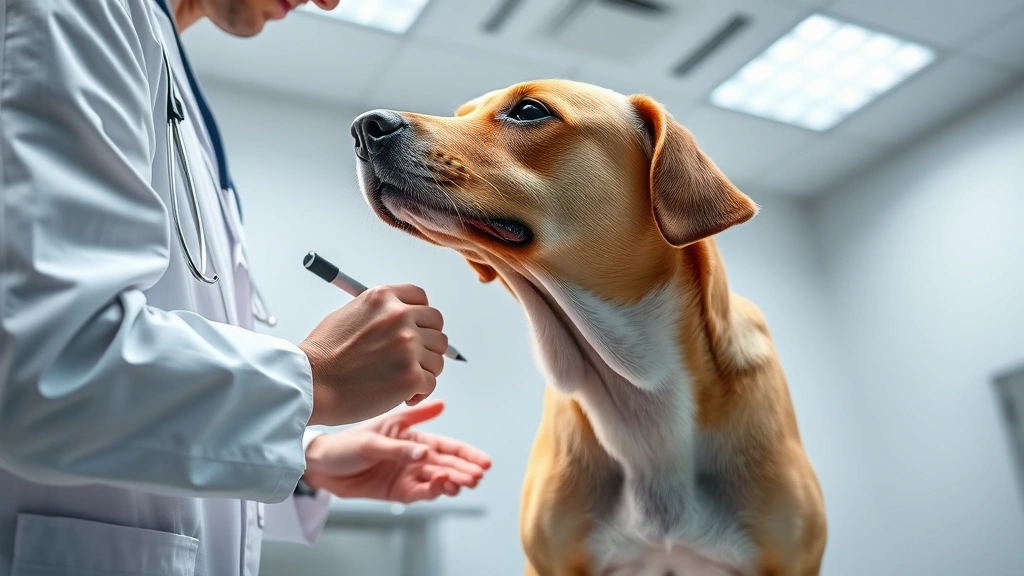
Your veterinarian will begin with a thorough physical and neurological examination. They’ll assess your dog’s reflexes, coordination, mental status, and muscle strength to pinpoint where the nervous system might be affected. This hands-on evaluation is crucial for determining the next steps.
Depending on the findings, your vet may recommend:
- Blood work: To check for infection, inflammation, or immune system activation
- Cerebrospinal fluid analysis: If meningitis or encephalitis is suspected
- Imaging studies: MRI or CT scans to visualize the brain and spinal cord
- Electromyography: To assess nerve and muscle function
- Consultation with a veterinary neurologist: For complex cases requiring specialized expertise
If you’re uncertain whether your pet needs urgent care, a quick telehealth check-in can give you peace of mind—no appointment needed. Many cases can be initially assessed remotely, helping you decide on next steps.
Treatment Options for Neurological Complications
Treatment depends entirely on the underlying cause and severity of your dog’s condition. Your veterinarian will tailor a plan specific to your dog’s needs. Some dogs recover with supportive care alone, while others may require more targeted interventions.
Common treatment approaches include:
- Hospitalization and monitoring: For severe cases requiring 24/7 observation
- Supportive care: Fluids, nutrition, and comfort measures while the body heals
- Anti-inflammatory therapies: To reduce nervous system inflammation
- Seizure management: Specialized protocols to prevent or control seizure activity
- Physical rehabilitation: Gentle exercises to restore coordination and strength
Your veterinarian will explain which approach is most appropriate for your dog’s specific situation. Recovery timelines vary widely—some dogs improve within days, while others require weeks of care and rehabilitation.
Managing Related Conditions After Vaccination
Sometimes, post-vaccination neurological symptoms overlap with other health conditions. For instance, some dogs may experience liver disease after vaccination or heart disease after vaccination, which can indirectly affect neurological function. Additionally, conditions like spinal stenosis in dogs might be exacerbated by inflammation triggered by immune responses.
A comprehensive veterinary evaluation ensures that all potential complications are identified and addressed. This holistic approach gives your dog the best chance at full recovery.
Recovery and Long-Term Prognosis
The majority of dogs who experience neurological symptoms after vaccination recover completely with appropriate treatment. Recovery speed depends on the severity of the initial reaction and how quickly treatment begins. Some dogs show improvement within days, while others take several weeks to regain full function.
During recovery, your role as a caregiver is vital. Provide a quiet, safe environment, follow your veterinarian’s care instructions precisely, and monitor for any changes in your dog’s condition. Keep detailed notes about your dog’s progress—this information helps your vet adjust the treatment plan if needed.
Long-term prognosis is generally favorable, especially when intervention happens early. Your dog may return to normal activities once cleared by your veterinarian.
Preventing Future Complications: Vaccination Planning
If your dog has experienced a neurological reaction to vaccination, future immunizations require careful planning. This doesn’t necessarily mean your dog can never be vaccinated again—it means your veterinarian will take extra precautions.
Preventive strategies include:
- Spacing vaccines: Administering vaccines at longer intervals rather than all at once
- Pre-vaccination assessment: Thorough health evaluation before any future shots
- Selective vaccination: Discussing which vaccines are truly necessary for your dog’s lifestyle
- Monitoring protocols: Enhanced observation periods after vaccination
- Documentation: Ensuring your dog’s medical record clearly notes the previous reaction
Your veterinarian will work with you to create a personalized vaccination schedule that protects your dog while minimizing risk. This collaborative approach respects both your concerns and your dog’s health needs.

When to Seek Emergency Care
Certain symptoms require immediate emergency veterinary attention. Don’t wait if your dog experiences:
- Active seizures lasting more than a few minutes
- Complete loss of consciousness
- Severe difficulty breathing
- Rapid deterioration of neurological function
- Inability to stand or move any limbs
- Uncontrollable vomiting or inability to keep down water
Emergency clinics are equipped to stabilize your dog and begin intensive treatment immediately. Time matters in these situations, so trust your instincts and seek help fast. Your quick action could make all the difference in your dog’s outcome.
Frequently Asked Questions
Can vaccines cause permanent neurological damage in dogs?
While severe permanent damage is rare, some dogs may experience long-term effects requiring ongoing management. Most cases resolve completely with proper treatment, but your veterinarian can discuss your individual dog’s prognosis.
How long after vaccination do neurological symptoms typically appear?
Most post-vaccination reactions occur within 48 to 72 hours, though some symptoms may develop up to two weeks later. Contact your vet if you notice neurological changes at any point following vaccination.
Is my dog’s trembling definitely caused by the vaccine?
Tremors can have multiple causes, so your veterinarian will perform a thorough evaluation to determine the actual cause. While vaccination timing may suggest a connection, proper diagnostics are essential for accurate answers.
Will my dog need to avoid all future vaccinations?
Not necessarily. Your veterinarian can often develop a modified vaccination plan with spacing and monitoring to protect your dog while minimizing risk of future reactions.
What should I do if I think my dog is having a neurological reaction right now?
Contact your veterinarian or emergency clinic immediately. If you’re unsure about urgency, a quick telehealth consultation can help you assess the situation and decide on next steps.
What To Do Now
If you suspect your dog is experiencing a neurological disorder after vaccination, follow these actionable steps:
- Document symptoms: Write down exactly what you’re observing—when symptoms started, what they look like, how long they last, and whether they’re improving or worsening. This detailed information helps your veterinarian tremendously.
- Contact your veterinarian today: Don’t wait for symptoms to resolve on their own. Call your vet’s office and describe what you’re seeing. They can advise whether your dog needs an urgent visit or can be monitored at home.
- Provide vaccination history: Have your dog’s vaccination records ready. Tell your vet exactly when the vaccine was given and which vaccine your dog received.
- Create a safe recovery space: Set up a quiet, comfortable area where your dog can rest without stress or stimulation. Keep the environment calm and predictable during recovery.
- Follow veterinary guidance precisely: Whatever treatment plan your vet recommends, follow it exactly as prescribed. Consistency in care directly impacts your dog’s recovery speed and outcome.
Summary: Moving Forward With Confidence
Discovering that your dog may be experiencing a neurological disorder after vaccination is frightening, but you’re taking exactly the right steps by seeking information and planning to consult with your veterinarian. The good news is that veterinary medicine has made tremendous advances in recognizing and treating post-vaccination complications. Most dogs recover fully when they receive prompt, appropriate care.
Remember that your veterinarian is your partner in this process. They have the expertise to diagnose what’s happening, explain your options clearly, and create a treatment plan tailored to your dog’s unique needs. By staying alert, documenting changes, and acting quickly, you’re giving your dog the absolute best chance at recovery.
Your dog is lucky to have an owner who cares this much. Take a breath, reach out to your vet, and know that help is available. Recovery is possible, and brighter days are ahead for your companion.
This article is for general education and is not a substitute for care from your own veterinarian. Learn about The Pet Vet and our editorial policy.