
Yes, you can absolutely talk to a vet about puppy itching online, and it’s often one of the fastest ways to get answers when your little one won’t stop scratching. If you’re watching your puppy constantly lick, bite, or scratch at their skin and wondering whether it’s normal puppy behavior or something that needs attention, telehealth veterinary services like The Pet Vet make it incredibly easy to get professional guidance without leaving your home.
Table of Contents
- Why Online Vet Visits Work So Well for Puppy Itching
- Common Causes of Puppy Itching You Can Discuss Online
- What to Have Ready Before Your Online Vet Appointment
- How Online Vets Diagnose Itching Issues
- Understanding Dog Skin Allergies and Early Signs
- When Online Vet Visits Are Perfect for Puppy Itching
- When Your Puppy Might Need an In-Person Visit Instead
- Other Common Puppy Concerns You Can Address Online
- What to Expect During a Telehealth Vet Visit for Itching
- Tips for Getting the Most Out of Your Online Vet Consultation
- Frequently Asked Questions
- What To Do Now
- Final Thoughts: Relief Is Just a Click Away
This article is for informational purposes only and is not a substitute for professional veterinary advice. Always consult a licensed veterinarian for diagnosis and treatment.

Puppy itching can stem from so many different causes—allergies, parasites, dry skin, or even just normal exploration of their new world. The good news? You don’t have to wonder or worry alone. Modern telehealth platforms let you connect with a licensed veterinarian in minutes, describe what you’re seeing, and get real answers about whether your puppy needs treatment or monitoring.

Why Online Vet Visits Work So Well for Puppy Itching
When your puppy is scratching constantly, the last thing you want is to wait weeks for an appointment or spend hours in a waiting room. Online vet consultations cut through that friction. You can schedule a call or video chat during your lunch break, show the vet exactly where your puppy is itching, and get a professional assessment in real time.

Telehealth is particularly helpful for itching because vets can ask detailed questions about when the scratching started, whether it’s seasonal, what your puppy eats, and whether you’ve noticed any other symptoms. They can also visually inspect your puppy’s skin through video if needed, though some cases may eventually require an in-person exam for skin scrapings or other diagnostic tests.

The convenience factor is huge too. Many pet owners feel reassured just knowing they can reach a vet quickly if something seems off—that peace of mind is invaluable when you’re a new puppy parent.

Common Causes of Puppy Itching You Can Discuss Online
Before your telehealth appointment, it helps to think about what might be causing your puppy’s itching. Here are the most common culprits:

- Fleas and parasites: Even indoor puppies can pick up fleas. Online vets can recommend prevention or treatment options.
- Allergies: Food allergies and environmental allergies (pollen, dust, mold) are very common in puppies and can cause intense itching.
- Dry skin: Especially in winter or dry climates, puppies can develop flaky, itchy skin that responds well to dietary or environmental adjustments.
- Yeast or bacterial infections: Warm, moist skin folds can develop secondary infections that cause itching.
- Mange: Sarcoptic or demodectic mange may be a concern, and a vet can guide you on whether testing is needed. Learn more about mange in dogs and when to suspect it.
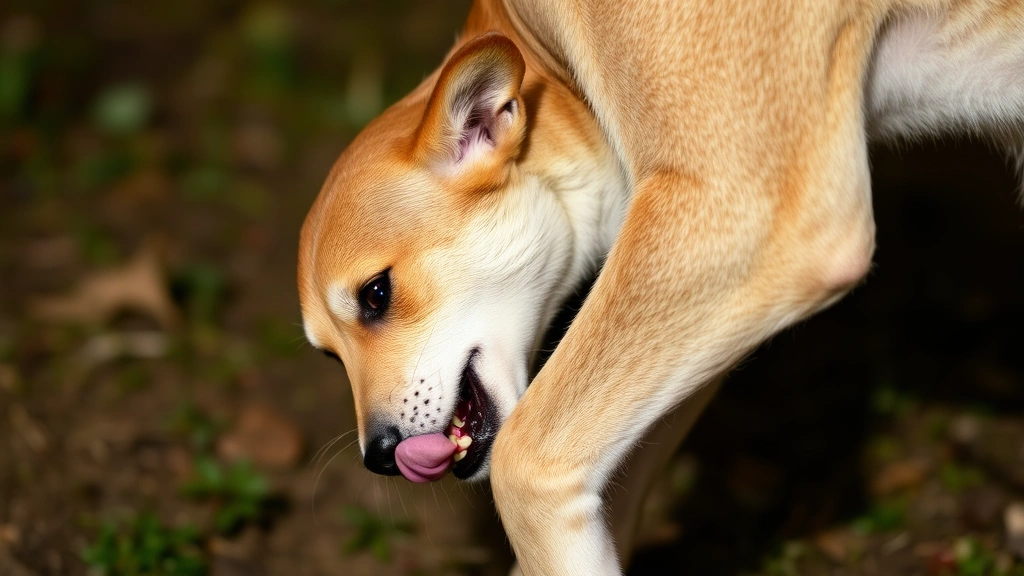
- Normal puppy behavior: Sometimes puppies scratch and bite at their skin simply because they’re exploring their bodies—reassuring, but worth confirming with a pro.
Catching itching issues early puts you in a great position to help your puppy feel comfortable and prevent secondary skin infections from developing.
What to Have Ready Before Your Online Vet Appointment
A little preparation makes your telehealth visit much more productive. Gather these details before you call or video chat:

- Note when the itching started and whether it’s constant or comes and goes
- Describe where on your puppy’s body the itching is worst (ears, paws, belly, rear end, etc.)
- Take a few clear photos or videos of your puppy scratching or any visible skin changes
- Have your puppy’s diet and any recent food changes written down
- List any other symptoms you’ve noticed (hair loss, redness, discharge, behavior changes)
- Know your puppy’s age, breed, and current medications or supplements
- Have information about any recent environmental changes (new home, new bedding, outdoor exposure)
The more details you can share, the better the vet can narrow down the cause and recommend next steps.

How Online Vets Diagnose Itching Issues
You might wonder: can a vet really figure out what’s wrong with just a video call? The answer is yes—to a point. During your telehealth consultation, the vet will use your description and any photos or videos you share to make an initial assessment and rule out urgent concerns.
For many cases of mild itching, this is enough to recommend a course of action like environmental adjustments, dietary changes, or over-the-counter relief measures. The vet may also recommend preventive treatments for fleas and parasites if those seem likely.

However, if the vet suspects something that requires a closer look—like mange, a fungal infection, or severe allergies—they may recommend an in-person visit for skin scrapings, fungal cultures, or allergy testing. That’s completely normal and doesn’t mean telehealth “failed”; it just means your puppy needs a more detailed workup.

Understanding Dog Skin Allergies and Early Signs
If your puppy’s itching is allergy-related, you’re not alone. Puppies can develop allergies to food, environmental triggers, or both. Early signs of dog skin allergies often include localized itching (especially on paws, ears, or face), redness, and sometimes hair loss from excessive licking.

During an online vet visit, discuss whether the itching is seasonal (suggesting environmental allergies) or year-round (suggesting food allergies). This helps your vet guide you toward the right diagnostic path or treatment plan. Many puppies respond well to dietary adjustments or environmental management once the trigger is identified.

For a deeper dive into what to watch for, check out our guide on dog skin allergies symptoms to understand the full picture.

When Online Vet Visits Are Perfect for Puppy Itching
Telehealth shines in several scenarios with puppy itching:

- Mild to moderate itching with no obvious wounds or severe skin damage
- Itching that’s new but not accompanied by lethargy, fever, or loss of appetite
- Seasonal itching that happens at the same time each year
- Follow-up consultations after an in-person visit to check on progress
- Quick reassurance checks when you’re unsure if symptoms warrant an urgent visit
- Preventive guidance on flea, tick, and parasite control
If you are unsure whether your pet needs urgent care, a quick telehealth check-in can give you peace of mind — no appointment needed.

When Your Puppy Might Need an In-Person Visit Instead
While telehealth is fantastic for many situations, some cases do require hands-on examination. If your puppy is showing any of these signs, mention it during your online consultation and ask whether an in-person visit is recommended:
- Severe or painful itching that seems to be getting worse daily
- Visible wounds, oozing, or signs of infection from scratching
- Hair loss beyond what you’d expect from scratching
- Itching accompanied by fever, lethargy, or loss of appetite
- Itching that doesn’t improve after initial treatment recommendations
- Suspected mange or other parasitic infections
Your vet may recommend an in-person follow-up to perform diagnostic tests or prescribe certain medications. That’s part of good veterinary care—knowing when to escalate.
Other Common Puppy Concerns You Can Address Online
If your puppy is dealing with itching, you might have other questions too. The good news is that many puppy health concerns are perfect for telehealth consultations. For example, you can ask your online vet about puppy limping online or discuss issues like dog not eating with the same convenience.
Behavioral concerns are also fair game. If your itching puppy is also struggling with training or socialization, you can explore puppy behavior problems online during a single consultation or schedule a follow-up.
What to Expect During a Telehealth Vet Visit for Itching
Here’s a realistic timeline for your online consultation:
- Check-in (2–3 minutes): Confirm your puppy’s details and reason for the visit
- Vet interview (5–10 minutes): The vet asks detailed questions about the itching, your puppy’s history, diet, and environment
- Visual assessment (3–5 minutes): You may show the vet your puppy via video, or share photos of affected areas
- Discussion and recommendations (5–10 minutes): The vet explains their thoughts, answers your questions, and outlines next steps
- Documentation (2–3 minutes): The vet sends you a summary and any prescriptions or recommendations
The entire visit typically takes 20–30 minutes, and you’ll have a written record to refer back to.
Tips for Getting the Most Out of Your Online Vet Consultation
To make sure your telehealth visit is as helpful as possible, keep these tips in mind:
- Be specific: Instead of “my puppy is itchy,” describe where, when, and how much.
- Show, don’t just tell: Use photos or video to give the vet a visual reference.
- Ask about prevention: Even if the current itch is mild, ask what you can do to prevent future issues.
- Clarify next steps: Know whether you need follow-up, testing, or an in-person visit.
- Write down recommendations: Take notes so you don’t forget important details.
- Ask about cost: Understand whether any recommended treatments or tests will have additional fees.
Frequently Asked Questions
Can a vet diagnose mange online?
A vet can suspect mange based on your description and photos, but a definitive diagnosis usually requires a skin scraping or fungal culture done in person. If mange is suspected, your vet will likely recommend an in-person visit to confirm and start treatment.
Will my puppy need antibiotics for itching?
Not always. Many cases of puppy itching resolve with environmental adjustments, parasite prevention, or dietary changes. Antibiotics are only needed if there’s a secondary bacterial infection from scratching, which your vet will assess during the consultation.
How quickly can I get an online vet appointment for puppy itching?
Most telehealth platforms like The Pet Vet offer same-day or next-day appointments. Some even have vets available within minutes during peak hours, making it one of the fastest ways to get professional advice.
Can I use online vet advice to avoid going to the vet in person?
Online vet visits are a great first step and can resolve many issues, but they don’t replace in-person care when needed. Your vet will recommend an in-person visit if your puppy needs physical examination, diagnostics, or hands-on treatment.
What if my puppy’s itching doesn’t improve after the online consultation?
Follow up with your vet—either through another telehealth visit or in person. If itching persists, the vet may recommend diagnostic testing or a different treatment approach. Persistent itching sometimes requires a bit of detective work to identify the root cause.
What To Do Now
Ready to get help for your puppy’s itching? Here’s your action plan:
- Schedule a telehealth consultation with The Pet Vet or another licensed veterinary telehealth service. Most can see you within 24 hours.
- Gather information about when the itching started, where it’s worst, and any other symptoms or recent changes in your puppy’s life.
- Take photos or videos of your puppy scratching or any visible skin changes to share during the appointment.
- Prepare a list of questions about prevention, treatment options, and whether an in-person visit might be needed.
- Follow your vet’s recommendations closely and schedule a follow-up if they suggest it, to monitor improvement.
Final Thoughts: Relief Is Just a Click Away
Watching your puppy scratch constantly is stressful, but you have options. Yes, you can absolutely talk to a vet about puppy itching online—and it’s often the fastest, most convenient way to get answers. Whether the itching is caused by allergies, parasites, dry skin, or something else, a licensed veterinarian can help you figure it out and create a plan to make your puppy more comfortable.
Telehealth removes the barriers of scheduling, travel, and waiting rooms, letting you focus on what matters: getting your puppy the care they need. Most cases can be handled with a quick online consultation, and if your puppy needs more intensive workup, your vet will guide you to the next step. Don’t let uncertainty drag on—reach out to a vet today and get your puppy back to being their happy, itch-free self.
This article is for general education and is not a substitute for care from your own veterinarian. Learn about The Pet Vet and our editorial policy.