
If you’ve noticed your cat breathing fast, it’s natural to feel worried—and talking to a vet about cat breathing fast is absolutely the right instinct. Rapid breathing in cats can range from something minor to a sign that your feline friend needs prompt attention. The good news? Understanding what’s happening and knowing when to reach out gives you the power to help your cat feel better.
Table of Contents
- What Does Normal Cat Breathing Look Like?
- Why Is Your Cat Breathing Fast? Common Causes
- When Should You Talk to a Vet About Your Cat’s Fast Breathing?
- What to Expect When You Talk to Your Vet
- 7 Essential Solutions for Fast-Breathing Cats
- Signs Your Cat Needs Emergency Care Right Now
- How Telehealth Can Help You Talk to a Vet
- Preventing Fast Breathing: Proactive Steps
- What To Do Now
- Summary: Taking Action on Your Cat’s Breathing
- Frequently Asked Questions
- Related Resources
This article is for informational purposes only and is not a substitute for professional veterinary advice. Always consult a licensed veterinarian for diagnosis and treatment.
What Does Normal Cat Breathing Look Like?
Before we dive into what fast breathing means, let’s establish a baseline. A healthy cat at rest typically takes 20 to 30 breaths per minute. You can count this by watching your cat’s chest rise and fall for 60 seconds, or count for 15 seconds and multiply by four.
Normal breathing should be quiet, effortless, and rhythmic. Your cat shouldn’t be making wheezing, crackling, or whistling sounds. If you notice your cat breathing faster than usual—especially when they’re resting or sleeping—that’s when it’s time to pay closer attention.
Why Is Your Cat Breathing Fast? Common Causes
Rapid breathing in cats can stem from several different sources. Some are benign, while others warrant veterinary evaluation. Let’s explore the most common culprits.
Stress and Anxiety
Cats are sensitive creatures, and stress can trigger faster breathing. A vet visit, a new pet in the home, or even a change in routine can elevate your cat’s respiratory rate. The breathing typically returns to normal once the stressor is removed. If anxiety seems to be a pattern, you might find it helpful to talk to a vet about cat anxiety online to explore calming strategies.
Fever or Infection
When cats develop a fever—often from a respiratory infection, urinary tract infection, or other illness—their body temperature rises and breathing accelerates. You may also notice lethargy, reduced appetite, or discharge from the nose or eyes.
Heart Disease
Feline heart conditions like hypertrophic cardiomyopathy (HCM) can cause rapid breathing, especially during rest. This is one reason why talking to a vet about cat breathing fast is so important—early detection of heart issues can make a real difference in your cat’s quality of life.
Respiratory Issues
Asthma, bronchitis, or other lung conditions may cause your cat to breathe faster and more heavily. Some cats may also cough or seem to struggle for air. Catching respiratory problems early puts you in a great position to help your cat breathe easier.
Pain or Discomfort
Cats experiencing pain—whether from bloat in cats, dental disease, or other conditions—often breathe more rapidly. Pain triggers a physiological response that increases respiration rate.
Hyperthyroidism
Older cats are prone to overactive thyroid glands, which speed up metabolism and breathing. Weight loss, increased appetite, and restlessness often accompany this condition.
Anemia or Low Oxygen
If your cat’s blood can’t carry enough oxygen, their body compensates by breathing faster. This can result from blood loss, nutritional deficiencies, or other systemic issues.
When Should You Talk to a Vet About Your Cat’s Fast Breathing?
Not every instance of rapid breathing requires an emergency visit, but certain signs demand prompt action. Here’s how to gauge urgency:
- Seek immediate care if: Your cat is gasping, wheezing, or struggling to breathe; has pale or blue-tinged gums; is drooling excessively; or shows signs of collapse or extreme distress.
- Schedule a regular appointment if: Rapid breathing persists for more than a few hours, occurs even at rest, is accompanied by coughing or discharge, or follows a known stressor that doesn’t resolve within 24 hours.
- Monitor closely if: Your cat had one brief episode of fast breathing but otherwise seems normal and playful. Keep an eye out for recurring episodes.
When in doubt, it’s always better to err on the side of caution with your feline companion.

What to Expect When You Talk to Your Vet
Your vet will conduct a thorough examination to determine why your cat is breathing fast. Here’s what typically happens:
- Physical exam: The vet will listen to your cat’s heart and lungs with a stethoscope and check vital signs including temperature and oxygen levels.
- Medical history: Be ready to describe when the fast breathing started, whether it’s constant or intermittent, and any other symptoms you’ve noticed.
- Diagnostic tests: Depending on findings, your vet may recommend blood work, chest X-rays, ultrasound, or an ECG to pinpoint the cause.
- Treatment plan: Once diagnosed, your vet will discuss treatment options tailored to your cat’s specific condition.
If you’re unsure whether your pet needs urgent care, a quick telehealth check-in can give you peace of mind—no appointment needed. Many vets now offer online consultations to help you navigate these concerns from home.
7 Essential Solutions for Fast-Breathing Cats
The right approach depends on what’s causing your cat’s rapid breathing. Here are seven key strategies:
1. Create a Calm Environment
If stress is the culprit, minimize loud noises, provide a quiet retreat space, and maintain a consistent routine. Pheromone diffusers designed for cats can also help reduce anxiety naturally.
2. Monitor Temperature and Hydration
Keep your cat in a comfortable, cool space and ensure fresh water is always available. Dehydration can worsen breathing issues, so encourage drinking by offering water from different sources—some cats prefer running water from a fountain.
3. Follow Prescribed Medications
If your vet prescribes medication for infection, heart disease, or asthma, administer it exactly as directed. Consistency is key to managing underlying conditions that cause rapid breathing.
4. Use Humidification
A humidifier in your cat’s favorite room can ease respiratory discomfort, especially if congestion is present. Alternatively, running a hot shower and letting your cat sit in the bathroom (not in the water) for 10 minutes can help.
5. Maintain a Healthy Weight
Overweight cats experience increased strain on their respiratory and cardiovascular systems. Work with your vet on a gradual weight management plan to reduce breathing stress.
6. Regular Veterinary Check-ups
Senior cats and those with known health conditions benefit from twice-yearly exams. Early detection of heart disease, thyroid problems, or respiratory issues prevents complications. You can also talk to a vet online between visits if new symptoms emerge.
7. Keep Triggers Minimal
Identify and reduce exposure to known stressors—whether that’s a new pet, household changes, or environmental irritants like smoke or strong perfumes.
Signs Your Cat Needs Emergency Care Right Now
Some situations cannot wait for a regular appointment. Seek emergency veterinary care immediately if your cat:
- Is gasping or struggling to breathe
- Has gums that are pale, white, or blue
- Is making unusual sounds (wheezing, crackling, or stridor)
- Shows signs of extreme distress or panic
- Collapses or becomes unresponsive
- Has a body temperature above 104°F or below 99°F
These signs suggest a serious condition that requires urgent intervention. Don’t hesitate to head to an emergency clinic if you observe any of these symptoms.
How Telehealth Can Help You Talk to a Vet
Modern telehealth services make it easier to get professional guidance without the stress of a clinic visit—which is especially valuable if stress itself is triggering your cat’s fast breathing. A vet can review symptoms, discuss your cat’s history, and advise whether in-person examination is needed.
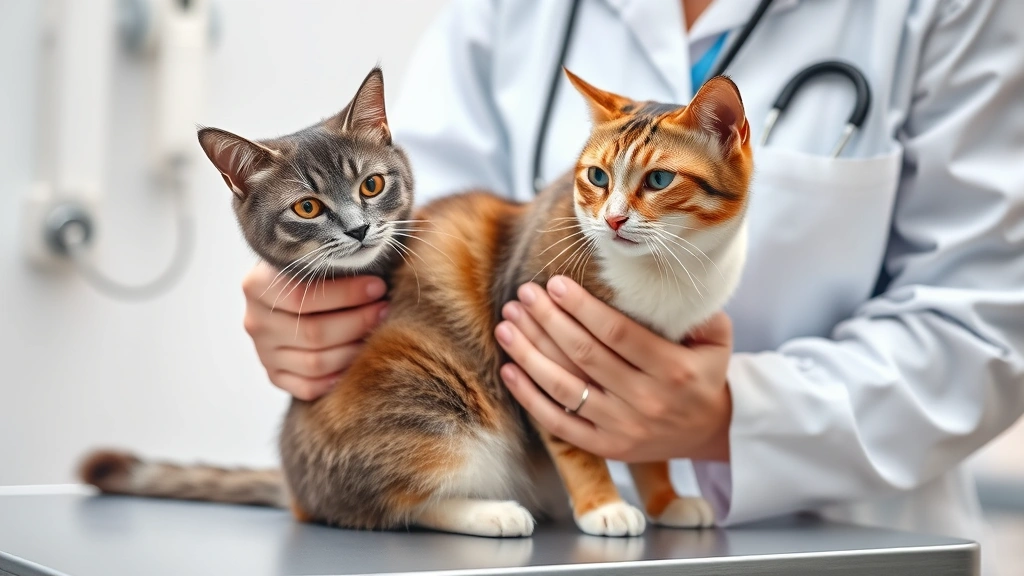
Telehealth is particularly useful for follow-up questions after a diagnosis, medication adjustments, or initial assessment of new symptoms. It’s a low-pressure way to get expert input when you’re unsure whether a problem requires urgent attention.
Preventing Fast Breathing: Proactive Steps
While not all causes of rapid breathing are preventable, these habits reduce risk:
- Keep your cat’s vaccinations current to prevent infections
- Maintain a stress-free home environment with enrichment activities
- Provide regular exercise to support cardiovascular health
- Feed a balanced, high-quality diet appropriate to your cat’s age and health status
- Schedule annual wellness exams, or twice yearly for senior cats
- Minimize exposure to respiratory irritants and allergens
These preventive measures support overall health and make it easier to spot changes early.
What To Do Now
- Count your cat’s resting breathing rate: Watch your cat’s chest for one full minute while they’re calm and at rest. If it exceeds 30 breaths per minute consistently, note this for your vet.
- Document symptoms: Write down when you first noticed fast breathing, how often it occurs, and any other signs (coughing, lethargy, appetite changes). This information helps your vet make a diagnosis.
- Schedule a vet appointment: Contact your regular veterinarian or use a telehealth service like The Pet Vet for a prompt evaluation. If symptoms are severe, go to an emergency clinic immediately.
- Create a calm space: While you wait for your appointment, set up a quiet, comfortable area where your cat can rest without stress or loud noises.
- Keep medications accessible: If your cat is already on any medications, have them ready to discuss with your vet and continue giving them as prescribed.
Summary: Taking Action on Your Cat’s Breathing
Fast breathing in cats deserves your attention, but it doesn’t have to be panic-inducing. By understanding the common causes, knowing when to seek help, and taking proactive steps, you’re already doing right by your feline friend. Whether it’s stress, infection, heart disease, or something else entirely, talking to a vet about cat breathing fast gives you the information and support you need to help your cat feel better.
Remember: your instinct to seek professional guidance is spot-on. Vets are here to help, and early intervention often leads to better outcomes. Don’t hesitate to reach out—your cat is counting on you.
Frequently Asked Questions
Is it normal for cats to breathe fast when they’re sleeping?
Sleeping cats should have a slow, steady breathing rate of 20–30 breaths per minute. If your cat is breathing noticeably faster during sleep, it warrants a vet check to rule out underlying health issues.
Can anxiety cause a cat to breathe fast?
Yes, stress and anxiety can elevate your cat’s breathing rate temporarily. However, if fast breathing persists after the stressor is removed or happens frequently, consult your vet to rule out medical causes.
What’s the difference between fast breathing and panting in cats?
Panting is more dramatic and visible—your cat’s mouth is open and breathing is audible. Fast breathing may be quiet but noticeably rapid. Both warrant veterinary evaluation if they occur outside of normal play or heat.
Can I treat my cat’s fast breathing at home?
While you can support comfort (calm environment, hydration, humidification), you cannot diagnose the cause at home. Professional veterinary evaluation is essential to identify and treat the underlying issue.
How quickly should I see a vet if my cat is breathing fast?
If fast breathing is mild and your cat seems otherwise normal, schedule a regular appointment within 24–48 hours. If your cat shows signs of distress, gasping, or other concerning symptoms, seek emergency care immediately.
Related Resources
For more information on cat health concerns, explore these related topics: cat itching and skin issues, respiratory health in pets, and respiratory infection causes. You can also learn more about bloat in cats and other digestive emergencies that may accompany breathing changes.
For authoritative veterinary information, visit PetMD and the American Veterinary Medical Association (AVMA) for evidence-based guidance on feline health.