
If you’ve noticed your cat licking paws more than usual, you’re not alone—and reaching out to an online vet for cat licking paws might be exactly what you need to get answers fast. Excessive paw licking in cats can signal anything from allergies and skin infections to stress and parasites, and it’s one of the most common concerns pet parents bring to their veterinarians.
Table of Contents
- Why Is Your Cat Licking Their Paws Excessively?
- Allergies: A Leading Cause of Cat Paw Licking
- Parasites and Flea-Related Itching
- Skin Infections: Bacterial and Fungal
- Stress, Anxiety, and Psychogenic Causes
- Dry Skin and Environmental Factors
- Solution 1: Schedule an Online Vet Consultation
- Solution 2: Identify and Eliminate Potential Triggers
- Solution 3: Implement Preventive Care and Treatment
- Solution 4: Provide Environmental Enrichment and Stress Relief
- Solution 5: Follow Up and Monitor Progress
- When to Seek Urgent Care
- The Benefits of Telehealth for Cat Care
- Frequently Asked Questions
- What To Do Now
- Summary: Taking Action Today
This article is for informational purposes only and is not a substitute for professional veterinary advice. Always consult a licensed veterinarian for diagnosis and treatment.
The good news? With telehealth options now available, you don’t have to wait weeks for an appointment or sit in a waiting room. You can connect with a licensed veterinarian from home, describe what you’re seeing, and get guidance on next steps—all within minutes. Let’s explore what’s causing your cat’s paw licking and what you can do about it.
Why Is Your Cat Licking Their Paws Excessively?
Cats groom themselves constantly, but when paw licking becomes obsessive, it’s a sign something’s off. Your cat might be experiencing discomfort, irritation, or emotional distress.
The most common culprits include allergies (environmental or food-related), flea infestations, fungal or bacterial infections, dry skin, and stress or anxiety. Sometimes it’s a combination of factors, which is why professional assessment matters so much.
Catching excessive paw licking early puts you in a great position to help your cat feel better quickly.
Allergies: A Leading Cause of Cat Paw Licking
Just like humans, cats can develop allergies to environmental triggers like pollen, dust, or mold. Food allergies are also surprisingly common and may cause itching that your cat tries to relieve by licking their paws repeatedly.
If your cat’s paw licking started seasonally or after a diet change, allergies could be the culprit. You might also notice redness, swelling, or a musty odor between the toes.
An online vet consultation about cat licking paws can help narrow down whether it’s environmental or dietary. Your vet may recommend an elimination diet, air purification, or other allergy management strategies tailored to your cat’s needs.
Parasites and Flea-Related Itching
Even indoor cats can get fleas, and just one flea bite can trigger intense itching. If your cat is licking their paws obsessively, flea allergy dermatitis (a hypersensitive reaction to flea saliva) might be to blame.
Check your cat’s skin for tiny black specks (flea dirt) or small red bumps. Sometimes the signs are subtle, especially if your cat is an aggressive groomer who removes evidence quickly.
A quick telehealth check-in can confirm whether parasites are involved and help you choose the right prevention or treatment. This is one of the easiest issues to resolve once identified.
Skin Infections: Bacterial and Fungal
Bacterial or fungal infections (like ringworm) can cause intense itching and paw licking. These infections often develop in warm, moist areas between the toes and can spread if left untreated.
Signs include redness, crusting, a foul smell, or visible lesions on the paws. Some infections are contagious to other pets or even humans, so getting a diagnosis quickly is important.
Your online vet can assess the severity and may recommend topical treatments, oral medications, or environmental cleaning strategies. Discussing a cat skin rash online with a professional ensures you’re addressing the root cause, not just the symptoms.
Stress, Anxiety, and Psychogenic Causes
Sometimes excessive paw licking is a self-soothing behavior linked to stress, anxiety, or boredom. Cats may lick their paws repetitively when they’re nervous, lonely, or adjusting to environmental changes.

If your cat’s paw licking coincides with a move, new pet, or household changes, stress might be the trigger. These cats often show other signs like over-grooming elsewhere on their body or behavioral changes.
An online vet can help rule out medical causes and suggest environmental enrichment, calming products like Feliway or other calming solutions, and stress-reduction strategies. Addressing the emotional component is just as important as treating physical issues.
Dry Skin and Environmental Factors
Dry indoor air, especially during winter months, can make your cat’s skin itchy and uncomfortable. Low humidity levels draw moisture from their skin, leading to irritation and excessive licking.
You might notice flaky skin, dandruff, or a dull coat alongside the paw licking. Adding a humidifier to your home and ensuring your cat has access to moisture-rich foods can help.
Your vet might also recommend omega-3 supplements or specialized shampoos to restore skin health and reduce itching.
Solution 1: Schedule an Online Vet Consultation
The fastest way to get answers is connecting with a licensed veterinarian through telehealth. You’ll describe your cat’s symptoms, share photos if needed, and receive professional guidance without leaving home.
If you are unsure whether your pet needs urgent care, a quick telehealth check-in can give you peace of mind—no appointment needed. Most online vets can provide initial assessments within 24 hours.
This approach is especially helpful for ruling out serious conditions and getting a treatment plan started immediately.
Solution 2: Identify and Eliminate Potential Triggers
Work with your vet to pinpoint what’s causing the licking. Keep a symptom diary noting when the licking occurs, what your cat eats, and any environmental changes.
Common triggers to investigate:
- Recent diet changes or new food ingredients
- New cleaning products or household chemicals
- Changes in litter type or litter box location
- Introduction of new pets or family members
- Seasonal changes affecting air quality
Elimination is often the most effective long-term solution.
Solution 3: Implement Preventive Care and Treatment
Your vet may recommend flea and tick prevention, even for indoor cats. Regular bathing with medicated shampoos, topical treatments, or oral medications might be necessary depending on the underlying cause.
Consistency is key—follow your vet’s treatment plan exactly as prescribed to see results within 2-4 weeks.
Keep your cat’s environment clean, wash bedding frequently, and maintain proper humidity levels to support healing.
Solution 4: Provide Environmental Enrichment and Stress Relief
If stress or boredom is a factor, increase playtime, provide climbing structures, and rotate toys to keep your cat mentally stimulated. Interactive play sessions reduce anxiety and redirect the urge to over-groom.
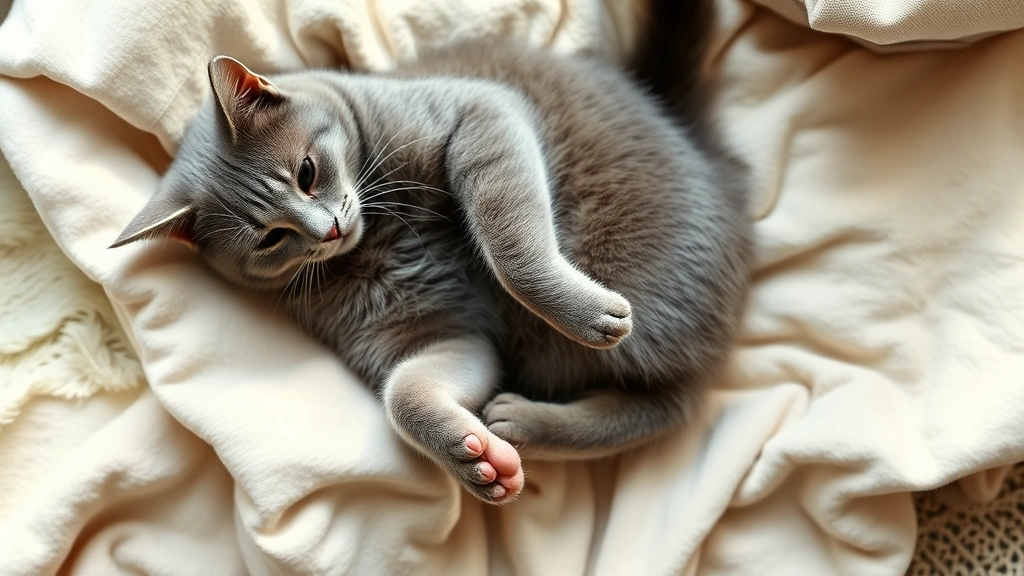
Consider calming products like pheromone diffusers, treats with calming ingredients, or even soft music designed for cats. Creating a calm, predictable environment supports both physical and emotional health.
Solution 5: Follow Up and Monitor Progress
Schedule a follow-up consultation with your online vet after 2-3 weeks to assess how your cat is responding to treatment. Document any improvements or changes in behavior.
If the licking hasn’t improved, your vet may recommend additional testing or a different approach. Persistence and communication are essential for long-term success.
When to Seek Urgent Care
Most cases of cat paw licking can be managed through telehealth, but certain situations require immediate in-person evaluation. Seek emergency care if your cat shows signs of severe infection, inability to walk, open wounds, or signs of systemic illness like fever or lethargy.
If your cat’s condition worsens despite treatment or shows no improvement after 4 weeks, an in-person examination may be necessary to rule out underlying conditions.
The Benefits of Telehealth for Cat Care
Telehealth veterinary services offer convenience, faster access to care, and lower stress for anxious cats. You can consult with a licensed vet without travel time, waiting rooms, or the anxiety many cats experience during clinic visits.
Many pet parents find that starting with an online consultation helps them understand the problem better and make informed decisions about next steps. It’s a practical, modern approach to pet healthcare that fits busy schedules.
Frequently Asked Questions
Can an online vet diagnose why my cat is licking their paws?
Yes, an online vet can perform an initial assessment based on your description and photos, often identifying the likely cause. If more advanced diagnostics are needed, they’ll guide you toward in-person testing or specialist referrals.
How quickly can I get an appointment with an online vet for cat licking paws?
Most telehealth platforms offer same-day or next-day appointments. Some services provide consultations within 15-30 minutes of booking, making it one of the fastest ways to get professional guidance.
Is excessive paw licking in cats an emergency?
Usually not, but it should be addressed promptly. If your cat shows signs of infection, severe swelling, or inability to walk, seek immediate care. Otherwise, a telehealth consultation within 24-48 hours is typically sufficient.
What should I tell my online vet about my cat’s paw licking?
Describe when the licking started, how often it occurs, any visible changes to the paws, recent diet or environment changes, and whether your cat shows other symptoms. Photos of the affected paws are very helpful.
Can paw licking in cats be cured permanently?
It depends on the cause. Parasites and infections can be fully resolved with proper treatment. Allergies and stress-related licking may require ongoing management, but most cats improve significantly with the right approach.
What To Do Now
- Document the behavior: Note when your cat licks their paws, how often, and any visible changes. Take clear photos of the affected areas to share with your vet.
- Schedule a telehealth consultation: Book an appointment with an online vet within the next 24 hours. This first step provides clarity and a treatment roadmap.
- Check for fleas and parasites: Inspect your cat’s skin and fur for signs of fleas, dirt, or irritation. Ensure your cat is on appropriate parasite prevention.
- Identify potential triggers: Review recent changes in diet, environment, or routine that might correlate with the paw licking onset.
- Prepare for treatment: Once you have a diagnosis, gather any recommended supplies (medicated shampoo, supplements, calming products) and commit to following your vet’s treatment plan consistently for at least 3-4 weeks.
Summary: Taking Action Today
Excessive paw licking in cats is treatable, and reaching out to an online vet for cat licking paws is one of the smartest first steps you can take. Whether the cause is allergies, parasites, infection, stress, or dry skin, professional guidance helps you address it quickly and effectively.
Telehealth offers a convenient, stress-free way to get answers without the hassle of traditional vet visits. By documenting your cat’s symptoms, connecting with a licensed veterinarian, and following a tailored treatment plan, you’ll likely see improvement within weeks.
Your cat depends on you to notice these signs and act. Start with a consultation today, and you’ll be well on your way to helping your furry friend feel comfortable and happy again. If your cat shows other symptoms alongside paw licking, mention them to your vet—they often paint a fuller picture of what’s happening.