
When your pet isn’t feeling well, the urge to chat with a vet now can feel overwhelming—especially if it’s after hours or you’re unsure whether a trip to the clinic is necessary. Pet owners often find themselves googling symptoms at midnight, wondering if their dog’s lethargy or cat’s loss of appetite requires emergency care or if it can wait until morning. The good news? You don’t have to wait or panic alone anymore.
Table of Contents
- Why Pet Owners Need Immediate Veterinary Access
- Understanding When to Seek Immediate Veterinary Guidance
- How Telehealth Veterinary Services Work
- Pet Medications: Common Questions Vets Answer Online
- Managing Your Pet’s Medication Schedule
- When Behavioral or Anxiety Concerns Require Medication Discussion
- Physical Symptoms That Warrant Medication Review
- Building a Relationship With Your Telehealth Veterinarian
- Preparing for Your Telehealth Consultation
- Integrating Telehealth With Your Regular Veterinary Care
- Frequently Asked Questions
- What To Do Now
- Summary
This article is for informational purposes only and is not a substitute for professional veterinary advice. Always consult a licensed veterinarian for diagnosis and treatment.
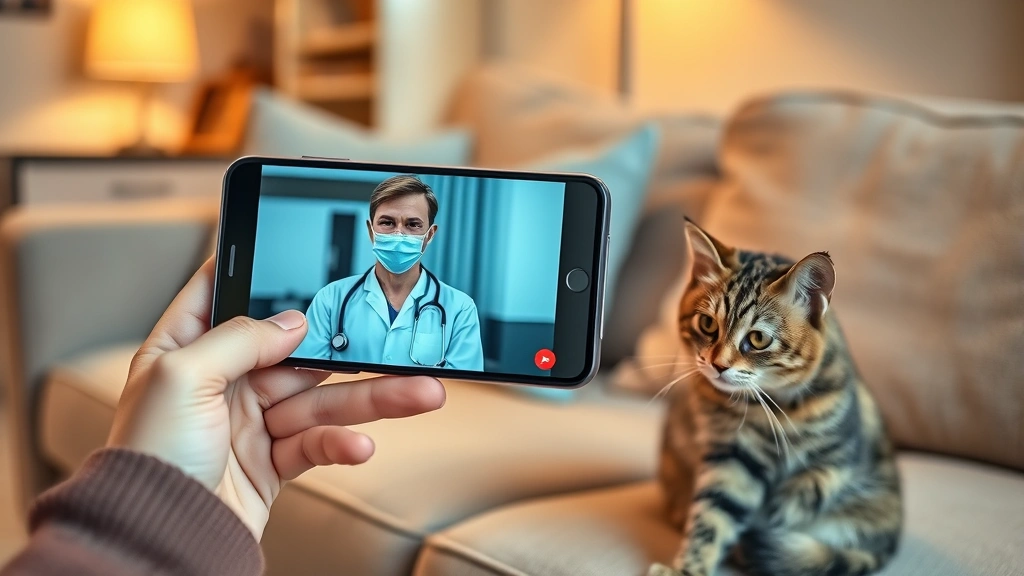
Modern telehealth veterinary services have transformed how pet owners access care. Instead of scrambling for an emergency clinic or waiting days for an appointment, you can now connect with a licensed veterinarian from your couch in minutes. This guide walks you through everything you need to know about getting immediate veterinary guidance and managing your pet’s medications safely.
Why Pet Owners Need Immediate Veterinary Access
Pet health emergencies don’t follow business hours. Your cat might vomit at 2 AM, or your dog could develop sudden lameness on a Sunday afternoon when clinics are closed. In these moments, knowing you can chat with a vet now provides immense peace of mind.
Beyond emergencies, many pet owners have routine medication questions that don’t warrant a full clinic visit. Is it safe to give my dog this over-the-counter supplement? Can I adjust my cat’s dosing schedule? These questions deserve quick, expert answers without the hassle of scheduling and travel.
Understanding When to Seek Immediate Veterinary Guidance
Not every pet concern is an emergency, but knowing the difference matters. Immediate veterinary attention (whether telehealth or in-person) is needed for:
- Difficulty breathing or choking
- Severe bleeding or trauma
- Inability to urinate or defecate
- Loss of consciousness or collapse
- Severe pain or distress
- Suspected poisoning or toxin ingestion
- Seizures
- Uncontrolled vomiting or diarrhea lasting more than a few hours
For these situations, a telehealth vet can provide initial guidance and advise whether your pet needs emergency in-person care. Catching serious conditions early puts you in a great position to help your pet recover.
How Telehealth Veterinary Services Work
Telehealth veterinary platforms connect you with licensed veterinarians through video, phone, or chat. The process is straightforward: you provide your pet’s medical history, describe the current concern, and speak with a vet who can assess the situation and provide guidance.
Most services allow you to upload photos or videos of your pet, which helps vets understand the problem better. For example, if your dog is limping, a short video showing the gait can be incredibly informative.
The entire consultation typically takes 15–30 minutes, and you’ll receive a summary of the vet’s recommendations, often with follow-up instructions or prescriptions if needed.
Pet Medications: Common Questions Vets Answer Online
One of the most frequent reasons pet owners want to chat with a vet now is medication-related confusion. Here are the most common questions veterinarians address through telehealth:
Can I give my pet medication with food?
Some medications work better on an empty stomach, while others should be given with meals to reduce nausea. A vet can clarify the best approach for your pet’s specific medication.
What should I do if I miss a dose?
Missing a dose occasionally usually isn’t dangerous, but the right action depends on the medication type and timing. A quick telehealth consult can provide peace of mind.
Are there side effects I should watch for?
Understanding potential side effects helps you distinguish between normal adjustment and a genuine concern. Vets can explain what’s expected and what warrants immediate attention.
Can my pet take this supplement alongside their prescription?
Drug interactions are real, and a vet can review your pet’s full medication list to ensure safety.
Managing Your Pet’s Medication Schedule
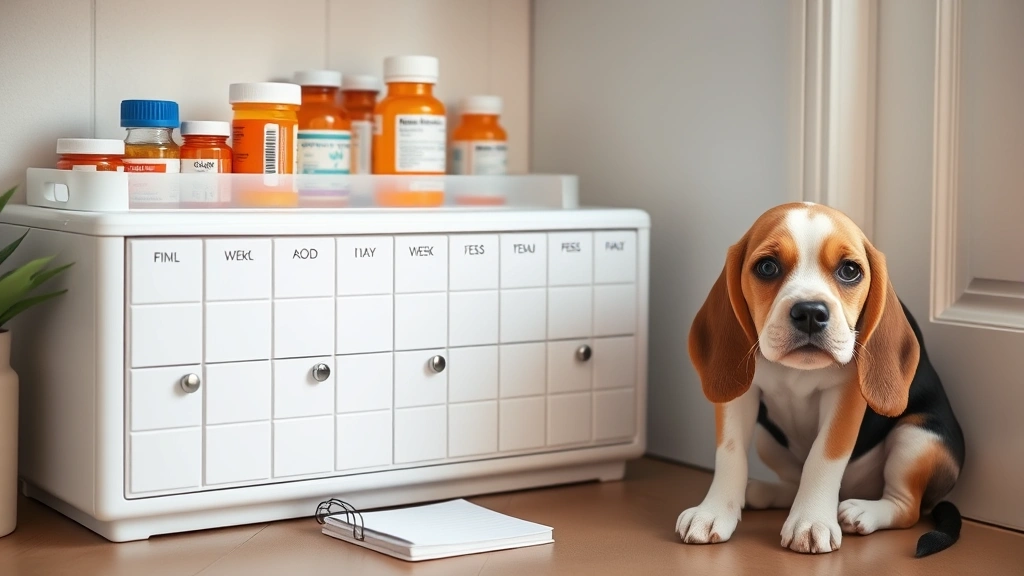
Staying organized with pet medications prevents missed doses and accidental double-dosing. Consider these practical strategies:
- Set phone reminders for each medication time, especially if your pet takes multiple drugs at different times.
- Use a pill organizer labeled by day and time to keep track visually.
- Keep a medication log noting when doses are given, which is helpful if you need to talk to a vet about symptoms later.
- Store medications properly in a cool, dry place away from children and other pets, as directed on the label.
- Ask about automatic refills so you never run out unexpectedly.
If you’re struggling to remember your pet’s medication routine, this is exactly the kind of practical question a telehealth vet can help solve. They might suggest timing strategies or alternative formulations that fit your lifestyle better.
When Behavioral or Anxiety Concerns Require Medication Discussion
Pets experiencing anxiety or behavioral issues often benefit from medication, but many owners hesitate to start treatment without understanding the options. If your dog is experiencing anxiety, you can ask a vet about treatment approaches without committing to an in-person visit first.
Telehealth consultations allow you to discuss:
- Whether medication is the right choice for your pet’s situation
- Non-medication alternatives like training or environmental changes
- What to expect if your pet starts a new medication
- How long treatment typically lasts
- Monitoring signs that the medication is working
Many pet owners find that having this conversation with a vet reduces their own anxiety about the decision. If you’re unsure whether your pet needs urgent care, a quick telehealth check-in can give you peace of mind—no appointment needed.
Physical Symptoms That Warrant Medication Review
Sometimes your pet’s physical symptoms prompt questions about their current medications. If your dog is shaking or trembling, for instance, a vet needs to know all medications your pet is taking, as some can contribute to these signs.
Similarly, if your pet is experiencing new symptoms while on medication, it’s worth discussing whether the medication could be involved. Catching these connections early helps prevent complications.
Conditions like heart disease or kidney disease require careful medication management, and telehealth vets can answer questions about your pet’s treatment plan between regular check-ups.
Building a Relationship With Your Telehealth Veterinarian
One misconception about telehealth is that it’s impersonal. In reality, many pet owners develop ongoing relationships with their telehealth vet, who becomes familiar with their pet’s history and personality over time.
This continuity is valuable. When you chat with a vet now about a new concern, they can reference past conversations and understand your pet’s baseline health. This context helps them give more accurate guidance.
Consider using the same telehealth service consistently so your records build up. Over time, you’ll feel more confident reaching out with questions because the vet already knows your pet.
Preparing for Your Telehealth Consultation
To make the most of your time when you chat with a vet now, come prepared:
- Gather your pet’s medical records if available, especially recent bloodwork or test results.
- List all current medications and supplements with dosages.
- Note when symptoms started and how they’ve progressed.
- Have your phone or camera ready to show the vet your pet if needed.
- Write down your main questions so you don’t forget anything in the moment.
This preparation ensures the vet has everything needed to give you the best guidance possible in the time available.
Integrating Telehealth With Your Regular Veterinary Care
Telehealth veterinary services complement, not replace, regular in-person check-ups. Your pet still needs annual exams, vaccines, and hands-on physical assessments.
Think of telehealth as the bridge between those appointments. It’s there for the questions and concerns that pop up in between, the after-hours emergencies, and the moments when you just need expert reassurance.
Many pet owners find that having both options—telehealth for quick guidance and a regular vet for comprehensive care—creates the best safety net for their pet’s health.
Frequently Asked Questions
Is it safe to get medication advice from a telehealth vet?
Yes, telehealth vets are licensed veterinarians held to the same professional standards as in-person vets. They can review medication safety and answer questions, though they cannot perform physical exams or prescribe certain medications without seeing your pet in person first, depending on state regulations.
Can a telehealth vet prescribe medication for my pet?
Many can, especially if they’ve established a relationship with your pet or have access to previous medical records. Some medications or situations may require an in-person visit first to establish a veterinary-client-patient relationship (VCPR).
How quickly can I chat with a vet now?
Most telehealth services offer consultations within 15–30 minutes, though some platforms have vets available instantly during peak hours. Check your chosen service’s availability.
What if the telehealth vet thinks my pet needs emergency care?
The vet will advise you to seek immediate in-person emergency care and may provide specific information to share with the emergency clinic about what they observed during the telehealth visit.
Is telehealth more affordable than a clinic visit?
Generally, yes. Telehealth consultations are often less expensive than in-person visits because there’s no facility overhead, though prices vary by service and location.
What To Do Now
- Research telehealth platforms that serve your area and read reviews from other pet owners to find one that fits your needs.
- Gather your pet’s medical information (vaccination records, medication list, previous diagnoses) and keep it accessible for quick reference during future consultations.
- Bookmark the service for emergencies so you know exactly where to go when you need to chat with a vet now, rather than searching in a panic.
- Ask your regular veterinarian about their thoughts on telehealth as a complement to your pet’s care plan and whether they use any platforms themselves.
- Schedule your first telehealth consultation for a non-urgent question so you’re comfortable with the process before you need it during a stressful moment.
Summary
The ability to chat with a vet now has transformed pet care by removing barriers to expert guidance. Whether you have medication questions, behavioral concerns, or physical symptoms that worry you, telehealth veterinary services provide fast, convenient access to licensed professionals.
By understanding when to seek help, preparing for consultations, and integrating telehealth into your overall pet care strategy, you can feel more confident navigating your pet’s health. Remember, there’s no such thing as a silly question when it comes to your pet’s wellbeing—vets are there to help you make informed decisions and keep your furry family member healthy and happy.
Your pet depends on you to advocate for their health, and now you have the tools to do it faster and more conveniently than ever before.
This article is for general education and is not a substitute for care from your own veterinarian. Learn about The Pet Vet and our editorial policy.