
If your dog is limping, reluctant to jump, or seems uncomfortable getting up from a nap, hip dysplasia in dogs might be the culprit. This common orthopedic condition affects millions of dogs worldwide, and the good news is that modern treatment options can significantly improve your pup’s quality of life.
Table of Contents
- What Is Hip Dysplasia and Why Does It Matter?
- Early Signs Your Dog May Have Hip Dysplasia
- How Vets Diagnose Hip Dysplasia
- Medication Options for Managing Hip Dysplasia in Dogs
- Beyond Medication: A Holistic Approach to Hip Dysplasia in Dogs
- Supporting Your Dog’s Comfort at Home
- When to Consider Surgery
- The Importance of Regular Monitoring
- When to Seek Urgent Veterinary Care
- Living Well With Hip Dysplasia: A Long-Term Perspective
- Frequently Asked Questions
- What To Do Now
- Summary
This article is for informational purposes only and is not a substitute for professional veterinary advice. Always consult a licensed veterinarian for diagnosis and treatment.
Hip dysplasia occurs when the hip joint doesn’t develop properly, leading to instability and wear-and-tear that causes pain and inflammation. While genetics play a major role, factors like rapid growth, excessive exercise, and poor nutrition can also contribute. The encouraging part? Catching this early and exploring medication options puts you in a great position to help your dog stay active and comfortable.
What Is Hip Dysplasia and Why Does It Matter?
Hip dysplasia is a developmental orthopedic disease where the hip joint socket doesn’t properly cup the femoral head. This misalignment creates friction and instability, which over time leads to arthritis and chronic pain. Large and giant breed dogs—like German Shepherds, Labrador Retrievers, and Great Danes—are at higher risk, though any dog can develop it.
The condition typically shows signs between 4 months and 2 years of age, though some dogs don’t display symptoms until later in life. Early intervention is key to slowing progression and keeping your dog comfortable for years to come.
Early Signs Your Dog May Have Hip Dysplasia
Recognizing symptoms early makes a real difference in managing hip dysplasia in dogs. Watch for these common warning signs:
- Difficulty rising from rest or after exercise
- Limping or favoring one or both hind legs
- Reluctance to jump, climb stairs, or run
- Bunny-hopping gait (both hind legs moving together)
- Decreased activity level or exercise intolerance
- Muscle atrophy in the hind limbs
- Pain when the hip is touched or moved
If you notice any of these signs, scheduling a veterinary exam is your next step. Catching this early puts you in a great position to manage symptoms effectively.
How Vets Diagnose Hip Dysplasia
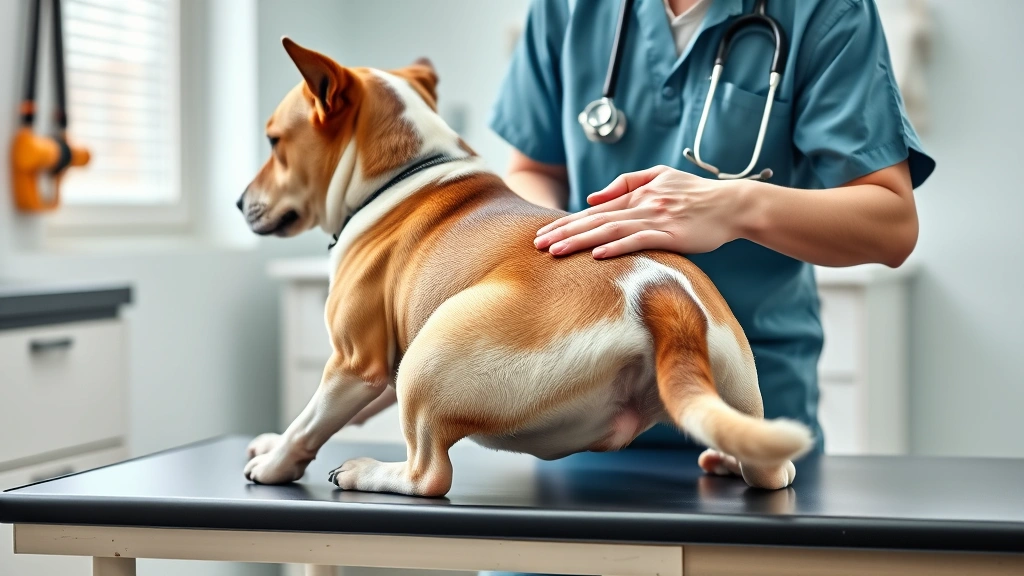
Your veterinarian will typically start with a physical examination, assessing your dog’s gait and range of motion. They may perform an Ortolani test or Bardens test to check for hip laxity (looseness in the joint).
X-rays are the gold standard for confirming hip dysplasia in dogs. These images show the exact shape and fit of the hip joint, helping your vet determine severity and the best treatment approach. In some cases, advanced imaging like CT scans or ultrasound may provide additional detail.
Medication Options for Managing Hip Dysplasia in Dogs
While surgery is an option for severe cases, many dogs benefit greatly from a combination of medications and lifestyle management. Here are seven medication categories commonly used to help dogs with hip dysplasia:
1. Nonsteroidal Anti-Inflammatory Drugs (NSAIDs)
NSAIDs are often the first-line treatment for hip dysplasia in dogs. These medications reduce inflammation and pain, allowing your dog to move more comfortably. Common options include carprofen, meloxicam, and firocoxib. Your veterinarian will determine which NSAID works best for your dog’s individual needs and monitor for any side effects with regular check-ins.
2. Joint Supplements and Nutraceuticals
Glucosamine and chondroitin are popular supplements that may help support cartilage health and reduce joint degradation. Many dogs also benefit from omega-3 fatty acids, which have natural anti-inflammatory properties. These supplements work best when started early and used consistently over time.
3. Prescription Analgesics
For dogs experiencing significant pain, prescription pain relievers may be recommended. These medications work differently than NSAIDs and can be used alongside or as an alternative to them. Your vet will discuss which option is safest for your dog’s age and overall health.
4. Gabapentin for Nerve-Related Pain
Some dogs with hip dysplasia develop nerve-related pain as the condition progresses. Gabapentin may help manage this type of discomfort and is often well-tolerated in older dogs. It’s frequently used as a complementary medication alongside NSAIDs.
5. Muscle Relaxants
Muscle tension and spasms around the affected hip can worsen pain and mobility issues. Muscle relaxants may help reduce this tension, making movement easier and more comfortable for your dog. These are typically used short-term or as needed during flare-ups.
6. Platelet-Rich Plasma (PRP) and Stem Cell Therapy
These regenerative medicine approaches are newer options that show promise for hip dysplasia in dogs. They work by promoting tissue healing and reducing inflammation at the cellular level. While not traditional medications, they represent an exciting frontier in orthopedic care and may be worth discussing with your vet.
7. Corticosteroid Injections
In some cases, veterinarians may recommend corticosteroid injections directly into the hip joint. These provide targeted anti-inflammatory relief and can be particularly helpful during acute flare-ups. Long-term use requires careful monitoring, so your vet will discuss the appropriate frequency for your dog.
Beyond Medication: A Holistic Approach to Hip Dysplasia in Dogs
Medication is just one piece of the puzzle. A comprehensive management plan includes several other important components:
Weight Management: Extra pounds put additional stress on damaged hip joints. Maintaining a healthy weight is one of the most impactful things you can do. Your vet can recommend appropriate calorie intake and diet adjustments.
Physical Therapy and Exercise: Low-impact activities like swimming, walking on soft surfaces, and controlled leash walks help maintain muscle strength without stressing the joint. Avoid jumping, running on hard surfaces, and rough play.
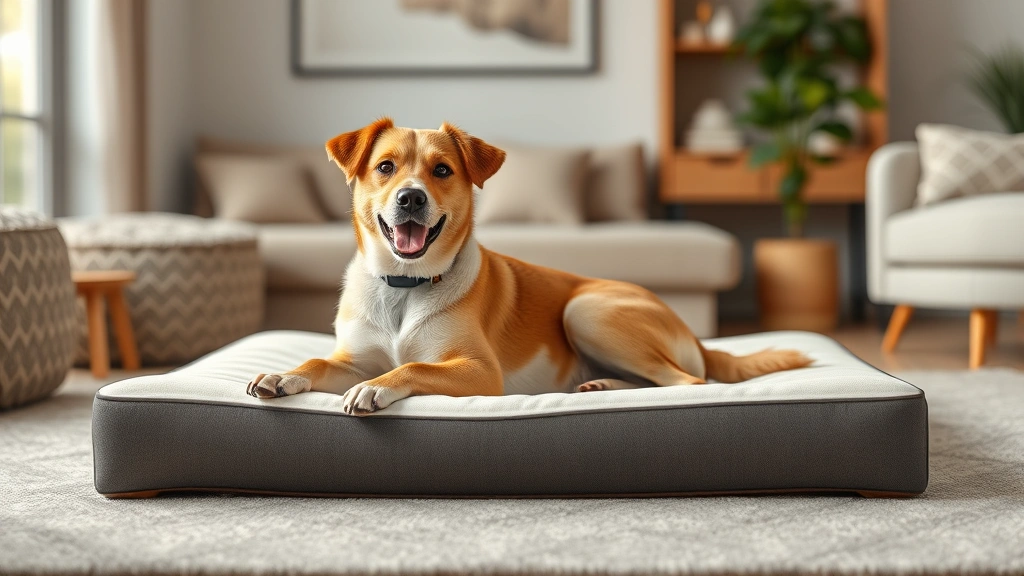
Environmental Modifications: Provide orthopedic bedding, use ramps or steps to reduce jumping, and consider heated pads to ease stiffness. These simple changes make daily life more comfortable.
Nutrition: A high-quality diet with appropriate protein and balanced nutrients supports overall joint health. Some dogs benefit from specialized joint-support formulas. Learn more about feeding for coat health and how nutrition impacts your dog’s overall wellness.
Supporting Your Dog’s Comfort at Home
Creating a comfortable environment is just as important as medication. Here are practical steps to support your dog:
- Invest in a memory foam or orthopedic dog bed to cushion the hip joint
- Place food and water bowls at an elevated height to reduce bending
- Use baby gates to limit stair climbing when possible
- Keep your dog at a healthy weight through portion control and appropriate exercise
- Maintain a consistent medication schedule as prescribed by your vet
- Schedule regular check-ups to monitor progression and adjust treatment as needed
When to Consider Surgery
While medication and lifestyle management work well for many dogs, some cases may benefit from surgical intervention. Procedures like femoral head ostectomy (FHO) or total hip replacement may be recommended if your dog has severe pain or limited mobility that doesn’t respond to conservative treatment.
Your veterinarian will discuss whether surgery is appropriate based on your dog’s age, overall health, severity of dysplasia, and response to medications. This is a conversation worth having if your dog isn’t improving with current management strategies.
The Importance of Regular Monitoring
Hip dysplasia in dogs is a progressive condition, which means regular veterinary check-ups are essential. Your vet will monitor how your dog is responding to medication, assess pain levels, and make adjustments to the treatment plan as needed. This might include changing medication types, adjusting doses, or adding complementary therapies.
Blood work may be recommended periodically to ensure medications aren’t causing any adverse effects. Staying proactive with monitoring helps catch any complications early and keeps your dog as comfortable as possible.
When to Seek Urgent Veterinary Care
While hip dysplasia is typically a chronic condition managed over time, certain situations warrant immediate veterinary attention. Seek urgent care if your dog suddenly cannot bear weight, shows signs of severe pain, develops fever, or has a sudden change in mobility despite medication.
If you’re unsure whether your pet needs urgent care, a quick telehealth check-in with a veterinarian can give you peace of mind—no appointment needed. The Pet Vet makes it easy to get professional guidance when you need it most.
Living Well With Hip Dysplasia: A Long-Term Perspective
A diagnosis of hip dysplasia in dogs doesn’t mean the end of your pup’s active, happy life. Many dogs live comfortably for years with proper medication, management, and care. The key is starting treatment early, staying consistent with medications, and maintaining open communication with your veterinarian.
Your dog’s quality of life depends on a combination of pain management, appropriate exercise, weight control, and your commitment to their comfort. With the right approach, most dogs with hip dysplasia can enjoy playing, walking, and spending time with their families for many years to come.
If you’re concerned about other orthopedic issues, you might also explore intervertebral disc disease in dogs and neck pain in dogs, which sometimes occur alongside hip problems. Additionally, supplements like those discussed in our dog kidney supplements guide can support overall health during treatment.
Frequently Asked Questions
Can hip dysplasia in dogs be prevented?
While genetics is the primary factor, you can reduce risk by feeding a high-quality diet, avoiding excessive exercise during growth periods, and maintaining a healthy weight. Responsible breeding practices also help reduce prevalence in future generations.
What’s the difference between hip dysplasia and arthritis?
Hip dysplasia is a developmental joint abnormality, while arthritis is the inflammation and degeneration that results from it. Many dogs with dysplasia develop arthritis over time, but not all arthritic hips started with dysplasia.
How long do dogs live with hip dysplasia?
Most dogs with hip dysplasia live normal lifespans with proper management. The condition affects quality of life and mobility, not typically lifespan itself. Many dogs thrive for years with medication and supportive care.
Are there any natural remedies for hip dysplasia in dogs?
While supplements like glucosamine, chondroitin, and omega-3s may provide some benefit, they work best alongside veterinary-prescribed medications. Always discuss any natural remedies with your vet to ensure they’re safe and appropriate for your dog.
Can overweight dogs develop hip dysplasia?
Obesity doesn’t cause hip dysplasia, but it significantly worsens symptoms and accelerates joint damage in dogs that already have it. Maintaining a healthy weight is one of the most important management strategies.
What To Do Now
- Schedule a veterinary examination: If you haven’t already, book an appointment to discuss your dog’s symptoms and get a professional evaluation. Bring notes about when you first noticed changes in your dog’s movement or behavior.
- Request diagnostic imaging: Ask your vet about X-rays or other imaging to confirm hip dysplasia and assess severity. This will guide your treatment plan and help establish a baseline for monitoring progression.
- Discuss medication options: Work with your veterinarian to develop a personalized medication plan. Be open about your dog’s lifestyle, budget, and any health concerns that might affect medication choices.
- Create a home comfort plan: Implement environmental changes like orthopedic bedding, ramps, and appropriate exercise modifications. These changes complement medication and significantly improve daily comfort.
- Establish a monitoring schedule: Set up regular check-ups with your vet—typically every 3-6 months initially—to track your dog’s response to treatment and make adjustments as needed.
Summary
Hip dysplasia in dogs is a manageable condition when caught early and treated comprehensively. Medications like NSAIDs, joint supplements, and pain relievers form the foundation of treatment, while lifestyle modifications, weight management, and environmental adjustments provide essential support. Your veterinarian is your partner in creating a treatment plan tailored to your dog’s specific needs and circumstances.
Remember, your dog’s comfort and quality of life are within your control. By staying informed, consistent with treatment, and proactive with veterinary care, you’re giving your pup the best chance at a happy, active life despite hip dysplasia. The road ahead may require patience and adjustments, but countless dogs with this condition thrive with proper management and the love of owners who care enough to learn and act.
This article is for general education and is not a substitute for care from your own veterinarian. Learn about The Pet Vet and our editorial policy.