
HCM in Ragdoll cats is one of the most common heart conditions seen in this gentle, affectionate breed, and it can develop quietly for years before any outward signs appear. Because Ragdolls carry a known genetic predisposition, understanding what this disease is, how it’s found, and what ongoing care looks like can help you protect your cat’s quality of life and catch problems before they become emergencies.
Table of Contents
- What Is Hypertrophic Cardiomyopathy
- Why Ragdolls Are Considered High Risk
- Early Signs You Might Notice at Home
- When It Becomes an Emergency
- How Vets Diagnose HCM
- What Screening Schedule Looks Like
- Living With a Cat Who Has HCM
- The Role of Genetic Testing
- Breathing Rate: A Simple At-Home Check
- Anesthesia and Surgery Considerations
- Diet and Lifestyle Support
- Managing Stress at Home
- Questions to Ask Your Vet
- When to See Your Vet Right Away
What Is Hypertrophic Cardiomyopathy
Hypertrophic cardiomyopathy, usually shortened to HCM, is a disease in which the muscle walls of the heart, particularly the left ventricle, become abnormally thick. This thickening makes the heart less able to relax and fill properly between beats, which over time can affect how efficiently blood moves through the body. It is the most common heart disease diagnosed in cats overall, and Ragdolls are one of the breeds known to have a higher genetic risk for developing it.
In a healthy heart, the ventricle walls are thin and flexible enough to stretch and fill with blood easily. When those walls thicken, the chamber has less room to hold blood, and the heart has to work harder to keep up with the body’s needs. Over months or years, this extra strain can lead to complications involving the lungs, blood clots, and overall heart function.
HCM in Ragdoll cats has been linked in research to a specific genetic mutation, though not every cat with the mutation will go on to develop clinical disease, and not every case of HCM in the breed is linked to that particular gene. This is part of why genetic testing and regular veterinary screening are both valuable tools rather than one replacing the other.
Why Ragdolls Are Considered High Risk
Ragdolls are frequently mentioned alongside Maine Coons as breeds with a well-documented predisposition to HCM. Researchers have identified a genetic mutation associated with the disease in this breed, which is why many reputable breeders now screen their breeding cats before pairing them. If you adopted your Ragdoll from a breeder, it’s worth asking whether the parents were tested for this mutation and whether they’ve had cardiac screening.
That said, genetics is only part of the picture. Even cats without the identified mutation can develop HCM, and cats who carry the gene do not all develop severe disease. This is why your vet will likely recommend periodic heart screening for your Ragdoll regardless of what you know about their lineage, especially as they move into middle age.
- Ragdolls and Maine Coons are the two breeds most strongly linked to inherited HCM
- A genetic mutation associated with the disease has been identified in the breed
- Genetic testing does not guarantee a cat will or won’t develop the disease
- Screening echocardiograms remain important even in tested cats
Early Signs You Might Notice at Home
One of the most challenging things about HCM is that many cats show no obvious signs at all in the early stages. The heart can be compensating for quite a while before an owner notices anything different about their cat’s behavior. This is part of why routine veterinary checkups matter so much, since your vet may pick up on subtle clues like a heart murmur or an irregular rhythm during a physical exam long before you’d notice anything at home.
When signs do appear, they can be easy to miss at first because cats are so good at hiding illness. You might notice your Ragdoll seems to tire more quickly during play, breathes a little faster than usual even at rest, or seems less interested in jumping up to favorite perches. Some cats become quieter or more withdrawn without an obvious reason.
If you notice any of these changes, it’s important to have your cat examined by a vet rather than waiting to see if things improve on their own.
- Faster or more labored breathing, even when resting
- Reduced energy or reluctance to play as usual
- Hiding more than normal or seeming withdrawn
- A decreased appetite that doesn’t have another clear cause
- Episodes of weakness or collapse
When It Becomes an Emergency
Some cats with HCM are diagnosed only after a sudden, frightening event, and it’s important to know what that can look like. A serious complication of the disease is the formation of a blood clot that can travel and lodge in an artery, most often where the aorta splits toward the back legs. This causes sudden pain, and often sudden inability to use one or both back legs.
Another emergency presentation involves fluid building up around the lungs or within the chest, which causes sudden, severe difficulty breathing. Cats in this situation often breathe with an open mouth, which is not normal cat behavior and should always be treated as urgent.
Any of these signs mean you need emergency veterinary care immediately, not a wait-and-see approach. These situations are life-threatening and every hour matters.
- Sudden hind limb weakness, dragging, or paralysis
- Crying out in apparent pain with no obvious injury
- Open-mouth breathing or rapid, labored breaths
- Blue or pale gums
- Sudden collapse
How Vets Diagnose HCM
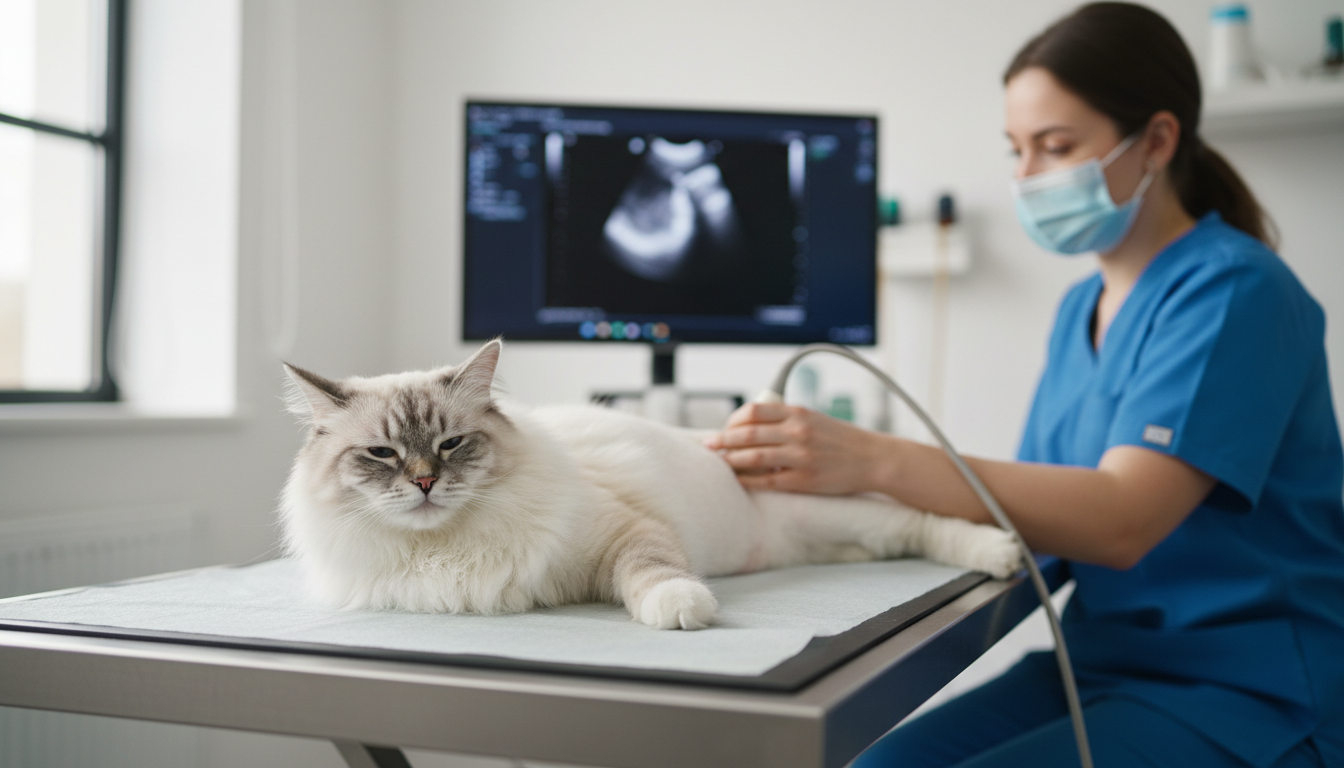
The gold standard for diagnosing HCM is an echocardiogram, which is an ultrasound of the heart that allows a vet or veterinary cardiologist to directly measure the thickness of the heart walls and assess how well the heart is functioning. This test is painless and doesn’t typically require sedation in most cats, though some anxious cats may need a little help staying calm during the exam.
Your regular vet may also use other tools as part of the workup, including listening carefully for murmurs or abnormal rhythms, taking chest X-rays to look for fluid buildup or an enlarged heart silhouette, and running bloodwork that includes a marker that can rise when the heart is under strain. None of these tools alone gives a complete picture, which is why they’re often used together.
- Echocardiogram to directly visualize heart wall thickness
- Chest X-rays to check for fluid or heart enlargement
- Blood tests that can indicate heart strain
- Blood pressure measurement, since high blood pressure can mimic or worsen HCM
- Genetic testing to check for the known mutation, when relevant
What Screening Schedule Looks Like
Because Ragdolls are considered higher risk, many vets recommend starting cardiac screening earlier and repeating it more often than they would for a mixed breed cat. A common approach is to begin baseline screening in early adulthood and repeat an echocardiogram every year or two, though your vet will tailor this to your individual cat’s history, exam findings, and any family history you’re able to share.
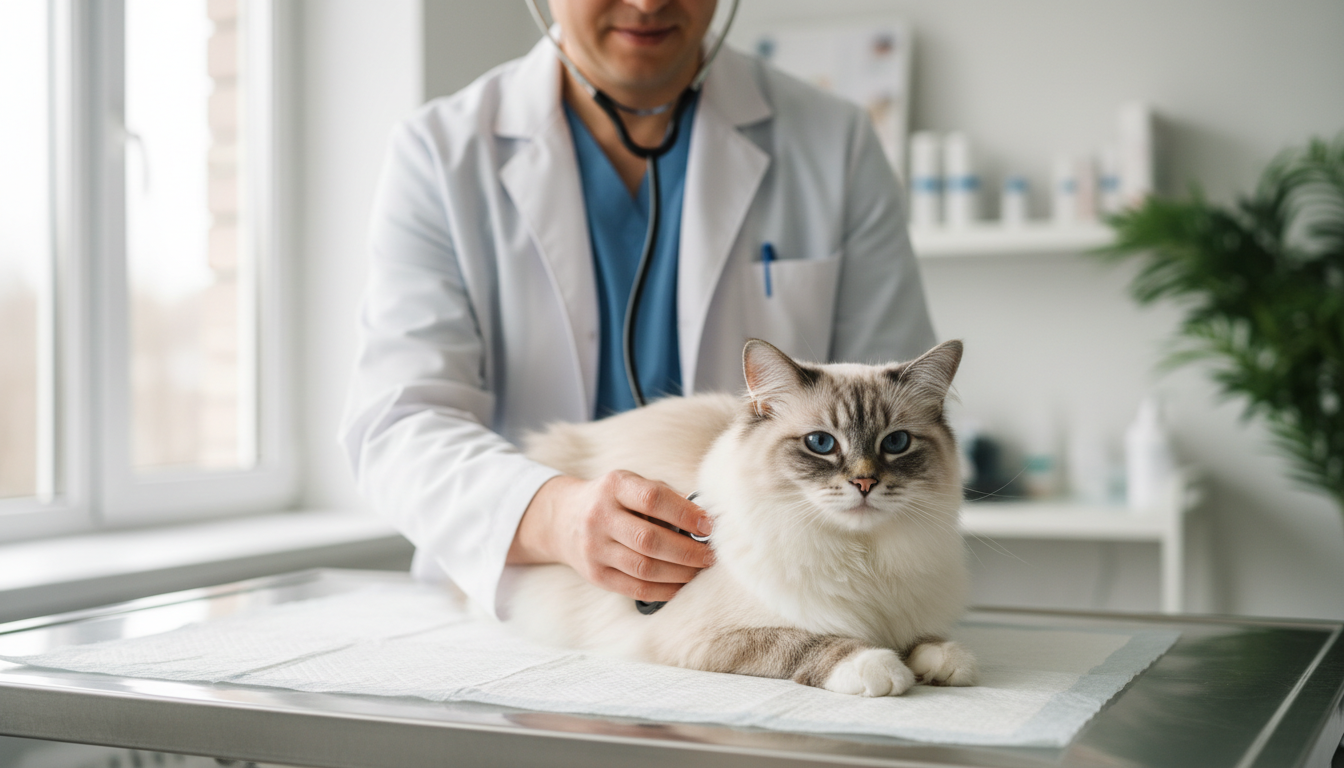
If your cat is already showing a murmur or other findings on a physical exam, your vet may recommend referral to a veterinary cardiologist for a more detailed echocardiogram sooner rather than later. Cardiologists have specialized training and equipment that can pick up on subtle early changes a general practice exam might miss.
Keeping a record of your cat’s screening history is genuinely helpful, especially if you ever switch vets or need to share information with a specialist. Bring any prior results to appointments so your vet can track changes over time rather than starting from scratch.
Living With a Cat Who Has HCM
A diagnosis of HCM is understandably frightening, but many cats live comfortably for a long time with appropriate management and monitoring. Your vet will work with you to figure out what treatment, if any, is appropriate based on how advanced the disease is and whether your cat is showing symptoms. Some cats diagnosed early with mild changes may not need medication right away but will need closer monitoring going forward.
For cats who are showing symptoms or have more advanced disease, your vet may prescribe medications aimed at easing the heart’s workload, managing fluid buildup, or reducing the risk of blood clots. It’s essential that any medication decisions come directly from your vet, since dosing and drug choice depend heavily on your cat’s specific heart function and overall health.
- Follow your vet’s recommended monitoring schedule closely
- Never adjust or stop heart medications without talking to your vet first
- Watch for changes in breathing rate at rest, which can be an early warning sign
- Keep stress low at home, since stress can affect heart workload
- Report any new symptoms promptly rather than waiting for the next scheduled visit
The Role of Genetic Testing
If you’re considering adding a Ragdoll to your family, or if you already have one and are curious about their risk, genetic testing for the known HCM mutation is available through several veterinary genetic testing services. A simple cheek swab can tell you whether your cat carries the mutation associated with the disease in this breed.
It’s worth being clear about what a positive or negative result actually means. A cat who tests positive for the mutation has an increased risk of developing HCM but won’t necessarily develop clinical disease, and the severity can vary a great deal between individual cats. A cat who tests negative can still develop HCM through other genetic or unknown causes, so a clean genetic test isn’t a guarantee your cat will never need cardiac screening.
Because of this nuance, genetic testing results are best discussed with your vet, who can help you understand what they mean for your cat’s ongoing care plan rather than treating the result as a final answer either way.
Breathing Rate: A Simple At-Home Check
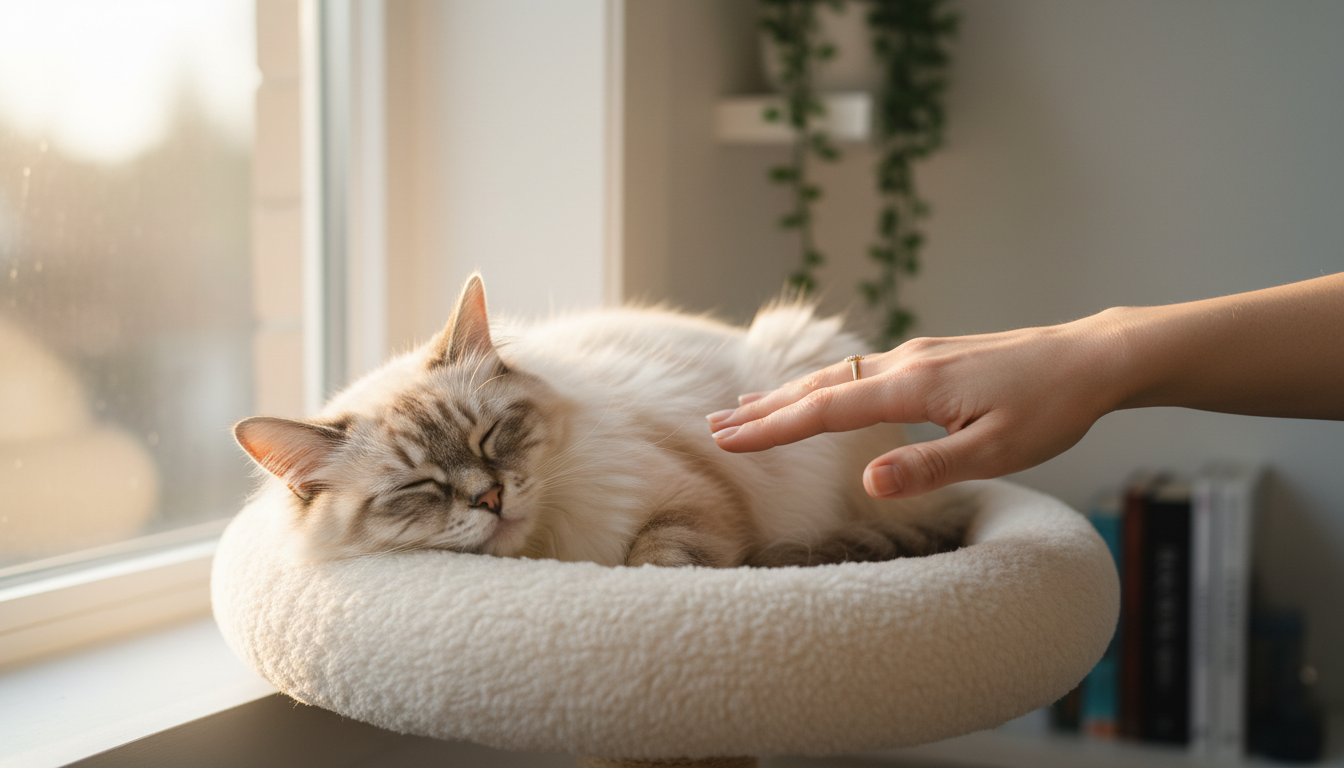
One of the easiest things you can do at home to help catch early heart problems is to monitor your cat’s resting respiratory rate. This means counting how many breaths your cat takes per minute while they are calm, asleep, or resting quietly, not right after activity or when they’re anxious. Many vets recommend cat owners get familiar with what’s normal for their own cat so they can notice a change.
A rising resting respiratory rate over time, or one that’s consistently higher than what’s typical for your cat, can be an early sign of fluid building up in or around the lungs, which is a serious complication of heart disease. This simple habit costs nothing and takes only a minute, but it can genuinely help you catch a problem early.
- Count breaths while your cat is fully at rest, ideally sleeping
- Watch the rise and fall of the chest for one full minute, or count for 15 seconds and multiply by four
- Do this occasionally to establish a baseline, then check again if you’re worried
- Contact your vet if the rate is noticeably higher than your cat’s normal or climbing over time
Anesthesia and Surgery Considerations
If your Ragdoll ever needs anesthesia for a dental cleaning, spay or neuter, or any other procedure, it’s important that your vet knows about any heart history or breed-related risk beforehand. Cats with undiagnosed or unmonitored HCM can be more vulnerable to complications under anesthesia, since anesthetic drugs affect blood pressure and heart function.
Many vets will recommend pre-anesthetic screening, which may include listening closely to the heart, checking blood pressure, or in some cases recommending an echocardiogram first if there’s any reason for concern. This isn’t meant to alarm you, it’s a precaution that helps your vet choose the safest anesthetic protocol for your individual cat.
Always mention your cat’s breed and any known heart history when discussing an upcoming procedure, even for something that seems minor like a dental cleaning. This small conversation can make a meaningful difference in how your vet plans for your cat’s safety.
Diet and Lifestyle Support
There isn’t a special diet that prevents or cures HCM, but general heart-healthy habits can support your cat’s overall wellbeing alongside veterinary treatment. Maintaining a healthy body weight matters, since extra weight puts additional strain on the heart and can make monitoring symptoms harder. Your vet can help you determine what a healthy weight looks like for your individual cat.
Some cats with more advanced heart disease may benefit from dietary adjustments, including changes related to sodium intake, but this should only be done under your vet’s guidance rather than through self-directed changes, since some restrictions can be harmful if done incorrectly or unnecessarily in cats who don’t need them.
- Keep your cat at a healthy weight to reduce strain on the heart
- Provide fresh water at all times
- Avoid sudden, intense exercise sessions, especially in cats with a known diagnosis
- Talk to your vet before adding any supplements marketed for heart health
- Keep regular vet visits even if your cat seems perfectly fine
Managing Stress at Home
Stress can affect heart rate and blood pressure, which is worth keeping in mind if your Ragdoll has been diagnosed with or is at risk for HCM. Ragdolls are known for their laid-back, people-oriented personalities, but changes like a new pet, a move, or loud construction noise can still be stressful for any cat.
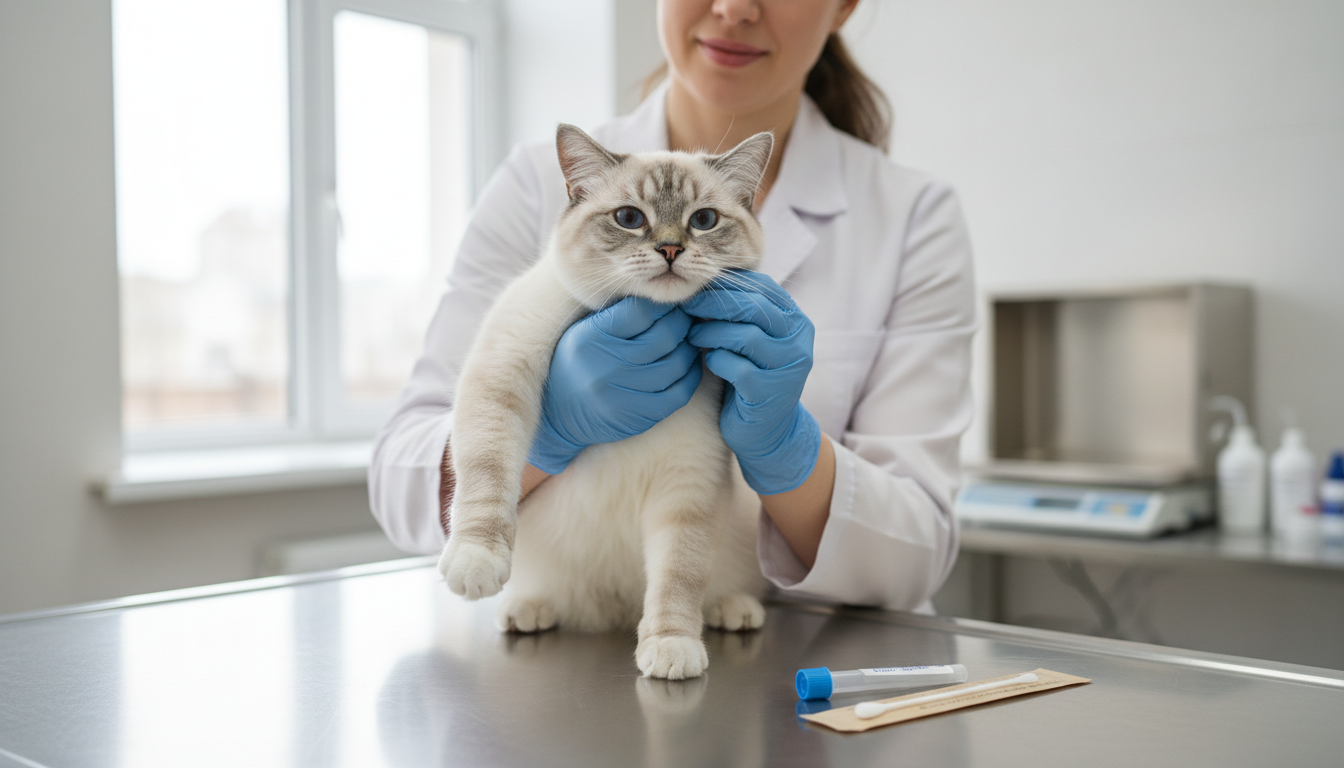
Creating a predictable, calm environment helps support your cat’s overall wellbeing. This might mean maintaining consistent feeding and play schedules, providing quiet hiding spots your cat can retreat to, and introducing changes gradually rather than all at once. If you know your cat is anxious around vet visits specifically, talk to your vet about strategies to make those visits less stressful, since a genuinely panicked cat can have an artificially elevated heart rate and blood pressure during the exam.
Reducing unnecessary stress isn’t a treatment for HCM on its own, but it’s a reasonable part of supporting your cat’s overall heart health alongside the medical care your vet provides.
Questions to Ask Your Vet
Walking into a conversation about your Ragdoll’s heart health can feel overwhelming, so it helps to go in with a clear list of questions. Understanding your cat’s specific situation, rather than general information about the disease, will help you make the best decisions for their ongoing care.
Bringing a written list to appointments, and taking notes on the answers, can help you feel more confident and prepared as you navigate ongoing care.
- Has my cat had a baseline echocardiogram, and when should the next one be scheduled
- Is genetic testing recommended or already done for my cat
- What symptoms should prompt an emergency visit versus a routine appointment
- Are there any activity restrictions appropriate for my cat right now
- What is the plan if my cat’s condition progresses
When to See Your Vet Right Away
Because HCM can progress silently, it’s worth erring on the side of caution any time something feels off with your Ragdoll. You know your cat best, and trusting that instinct is important even when the signs feel vague or hard to describe to someone else.
Schedule a prompt veterinary visit if you notice increased resting respiratory rate, new reluctance to jump or play, unexplained tiredness, or a decreased appetite. Seek emergency care immediately if you see sudden hind leg weakness or paralysis, open-mouth breathing, pale or blue gums, or collapse. These situations should never wait for a callback or a next-day appointment.
Your vet is your best resource for interpreting what you’re seeing and deciding what level of care is needed, so don’t hesitate to reach out with questions even if you’re not sure whether something is truly an emergency.
This article is for general education and is not a substitute for care from your own veterinarian. Learn about The Pet Vet and our editorial policy.