
Anesthesia sensitivity in Whippets is something every owner should understand before a spay, neuter, dental cleaning, or any other procedure. Because of their lean build and unique metabolism, Whippets can react differently to sedation and anesthesia than many other breeds. This guide walks you through what makes them different, what questions to ask your vet, and how to support your dog through a safe recovery.
Table of Contents
- Why Whippets Are Different Under Anesthesia
- The Role of Body Fat and Metabolism
- Common Anesthesia Drugs and Why Some Carry More Risk
- Signs Your Whippet May Be Reacting Differently to Anesthesia
- Pre-Surgical Bloodwork and Health Screening
- Questions to Ask Before Any Procedure
- Fasting Guidelines Before Surgery
- Temperature Regulation During and After Surgery
- What to Expect During Recovery at the Clinic
- Bringing Your Whippet Home Safely
- Weighing Elective Procedures Carefully
- When Surgery Is an Emergency
- Choosing a Veterinary Team Experienced With Sighthounds
- Long-Term Considerations for Dogs Facing Repeated Procedures
- When to Seek Emergency Care After Anesthesia
- Bringing It All Together
Why Whippets Are Different Under Anesthesia
Whippets belong to the sighthound family, a group of breeds that also includes Greyhounds and Italian Greyhounds. Sighthounds are known for having very little body fat compared to other dogs their size, and this single physical trait plays a surprisingly large role in how their bodies process anesthesia drugs. Many sedatives and anesthetic agents are designed to be absorbed into fatty tissue, where they are slowly released and metabolized over time.
With so little body fat to act as a buffer, a Whippet’s body has less capacity to store and gradually release these drugs. Instead, higher concentrations remain active in the bloodstream for longer periods, which can lead to prolonged sedation, slower recovery times, and a heightened sensitivity to standard dosing that works fine in a Labrador or a Beagle. This does not mean anesthesia is unsafe for Whippets, but it does mean the approach needs to be tailored to the breed.
The Role of Body Fat and Metabolism
Beyond simple fat storage, Whippets also tend to have a naturally fast metabolism paired with a lean muscle-to-fat ratio that is quite different from the average mixed-breed dog. This combination affects how quickly drugs are broken down in the liver and cleared from the body. Some sighthounds process certain anesthetic agents more slowly than expected, which can catch an unprepared veterinary team off guard.
Body condition also matters on an individual level. A Whippet that is already lean by breed standard, combined with a lower-than-normal weight from illness or poor appetite, may have even less reserve to handle anesthesia safely. This is one of many reasons your vet will want to assess your dog’s overall body condition, not just their weight on a scale, before recommending any anesthesia protocol.
Common Anesthesia Drugs and Why Some Carry More Risk
Certain older anesthetic agents were historically associated with prolonged recovery times in sighthounds because of how they interact with low body fat and lean muscle mass. Veterinary medicine has advanced significantly, and many modern anesthesia protocols are far safer for lean breeds than what was used decades ago. Even so, not every clinic updates its protocols the same way, which is why it helps to ask specifically about the drugs planned for your dog’s procedure.
This is not the place to guess at what is safe or attempt to research specific drug dosages on your own. Only your veterinarian can determine the right anesthesia protocol for your individual dog, factoring in age, health history, the type of procedure, and breed-specific considerations. Never attempt to adjust, delay, or substitute any medication without direct guidance from your vet.
Signs Your Whippet May Be Reacting Differently to Anesthesia
During recovery, veterinary staff will be watching closely for a range of signs that indicate how well your dog is coming out of anesthesia. Because Whippets can take longer to fully clear anesthetic drugs from their system, some grogginess and slow movement in the hours after a procedure is expected. However, certain signs go beyond normal recovery and should prompt immediate attention from the veterinary team.
Being aware of what a typical versus concerning recovery looks like can help you feel more confident asking questions during your dog’s stay or once you bring them home.
- Expected: mild wobbliness, sleepiness, and disinterest in food for several hours
- Expected: slightly lower body temperature that warms gradually with blankets or heating support
- Concerning: extreme difficulty waking up hours after the procedure was expected to be complete
- Concerning: pale or bluish gums, labored breathing, or a very weak pulse
- Concerning: repeated vomiting, seizures, or collapse after returning home
Pre-Surgical Bloodwork and Health Screening
Before any anesthesia is administered, your vet will likely recommend bloodwork to check organ function, particularly the liver and kidneys, since these organs are responsible for metabolizing and clearing anesthetic drugs. This step is valuable for every dog, but it carries extra weight for a breed known to process anesthesia differently.
Bloodwork can also reveal underlying issues that might not be obvious from a physical exam alone, such as mild dehydration, anemia, or early signs of organ stress. Catching these details ahead of time allows your veterinary team to adjust the anesthesia plan, choose safer drug combinations, or in some cases postpone a non-emergency procedure until your dog is in better condition to handle it.
Questions to Ask Before Any Procedure
You are your dog’s advocate, and asking direct questions before a scheduled surgery is one of the most useful things you can do. A good veterinary team will welcome these questions and take the time to walk you through their plan rather than rushing you off the phone.
Bringing a written list to a pre-surgical consultation can help you remember everything you wanted to cover, especially if you are feeling anxious about the upcoming procedure.
- Has this clinic worked with Whippets or other sighthounds before?
- What specific anesthesia protocol is planned, and is it adjusted for lean breeds?
- How will my dog’s temperature be monitored and maintained during the procedure?
- What is the plan if recovery takes longer than expected?
- Who will be monitoring my dog during the recovery period, and for how long?
Fasting Guidelines Before Surgery
Your vet will give you specific instructions about when to stop feeding your dog before a scheduled procedure, and these instructions matter more than they might seem at first glance. Fasting reduces the risk of vomiting and aspiration during anesthesia, which can be a serious complication regardless of breed.
Because Whippets can have less energy reserve than heavier-set breeds, some owners worry about withholding food for too long. Trust your veterinarian’s specific timeline rather than adjusting it on your own, since these guidelines are calculated with your dog’s safety in mind. If you have concerns about fasting length due to your Whippet’s age or health status, raise them directly with your vet ahead of the appointment.

Temperature Regulation During and After Surgery
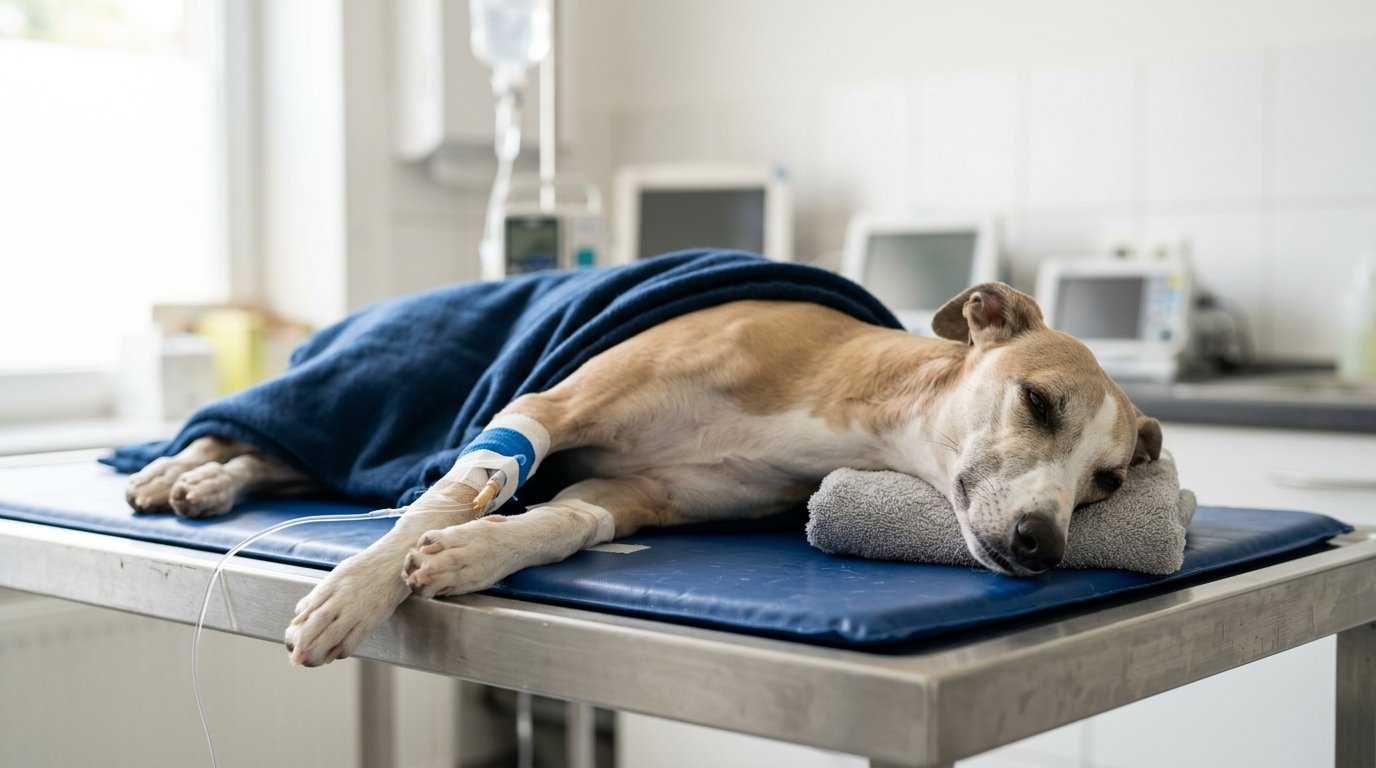
One of the more practical challenges tied to low body fat is temperature regulation. Fat acts as natural insulation, and without much of it, Whippets can lose body heat more quickly than other breeds during anesthesia, when the body’s ability to regulate its own temperature is temporarily reduced.
A good veterinary team will actively monitor body temperature throughout the procedure and use warming methods such as heated blankets or warm air systems to help prevent your dog from becoming too cold. This is another reason to ask ahead of time how temperature will be managed, since a Whippet that becomes significantly chilled during surgery may take longer to wake up and recover fully.
What to Expect During Recovery at the Clinic
After a procedure, most veterinary clinics will keep your Whippet for observation until they are stable enough to go home. For lean breeds, this observation period may run a bit longer than average since full alertness can take extra time to return.
During this window, staff will typically check vital signs at regular intervals, offer warmth and comfort, and monitor for any signs of pain or distress. If your vet mentions keeping your dog slightly longer than usual for observation, try not to worry unnecessarily. This is often simply a precaution tailored to your dog’s individual recovery pace rather than a sign that something has gone wrong.
Bringing Your Whippet Home Safely
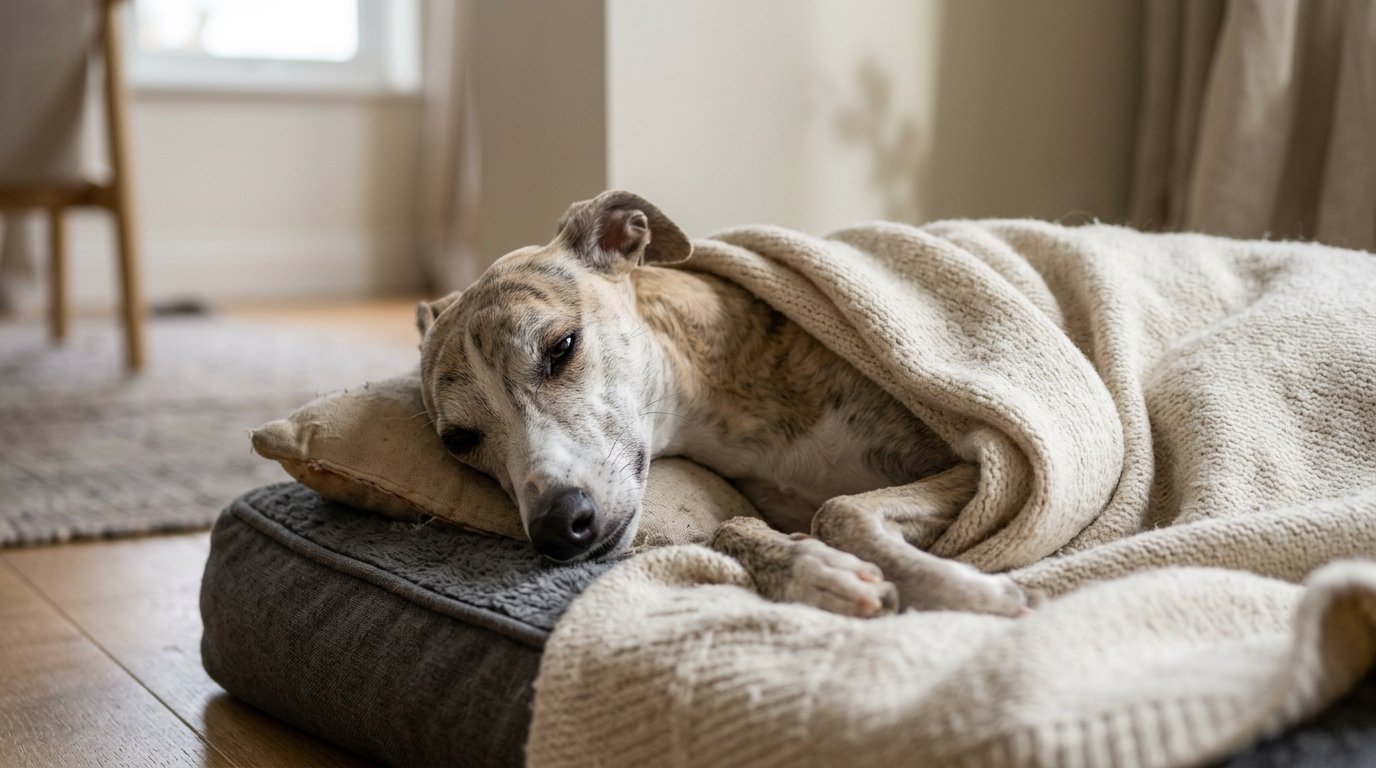
Once you bring your dog home, the environment you provide can make a real difference in how smoothly recovery goes. A quiet, warm, low-traffic space away from stairs, other pets, or excitable children gives your Whippet the best chance to rest without added stress or risk of injury while still groggy.
Keep a close eye on your dog for the first 24 hours, checking in periodically rather than leaving them alone for long stretches. Have your vet’s contact information and the nearest emergency animal hospital number saved and easy to find, just in case you notice anything concerning.
- Provide a soft, low bed away from furniture edges or stairs
- Limit movement and prevent jumping until your vet gives the all clear
- Offer small amounts of water first, followed by a small bland meal if your vet approves
- Keep other pets separated to allow undisturbed rest
- Monitor the surgical site if applicable, watching for excessive redness or swelling
Weighing Elective Procedures Carefully
For elective procedures like spaying, neutering, or dental cleanings, you have the benefit of time to plan carefully with your vet. This is the ideal moment to discuss anesthesia sensitivity in Whippets in detail, review your dog’s health history, and make sure bloodwork and any other pre-surgical screening are completed well in advance.
Choosing a time when your dog is at a healthy weight, free of any current illness, and not under unusual stress can also help support a smoother experience. If your vet ever recommends postponing an elective procedure due to a health concern uncovered during screening, take that recommendation seriously rather than pushing forward with the original schedule.
When Surgery Is an Emergency
Not all procedures come with the luxury of advance planning. In emergency situations, such as an injury or a sudden illness requiring immediate surgery, your vet will need to make quick decisions with the information available at the time.
Even in an emergency, mentioning that your dog is a Whippet and referencing their sighthound background can help the veterinary team factor in breed-specific considerations right away. If you are working with an emergency clinic unfamiliar with your dog’s full history, share as much detail as you can about past reactions to sedation, current medications, and any known health conditions.
Choosing a Veterinary Team Experienced With Sighthounds
Not every general practice clinic has extensive experience with sighthound breeds, and that is completely normal since Whippets and their relatives make up a smaller portion of the overall dog population. That said, seeking out a vet or clinic with sighthound experience, when possible, can offer extra peace of mind heading into a procedure.
If your regular vet does not have much sighthound-specific experience, that does not automatically mean you need to switch clinics. Many vets are happy to research current best practices for lean breeds or consult with a specialist if a complex procedure is planned. The key is open communication about your concerns rather than assuming the topic will come up on its own.
Long-Term Considerations for Dogs Facing Repeated Procedures
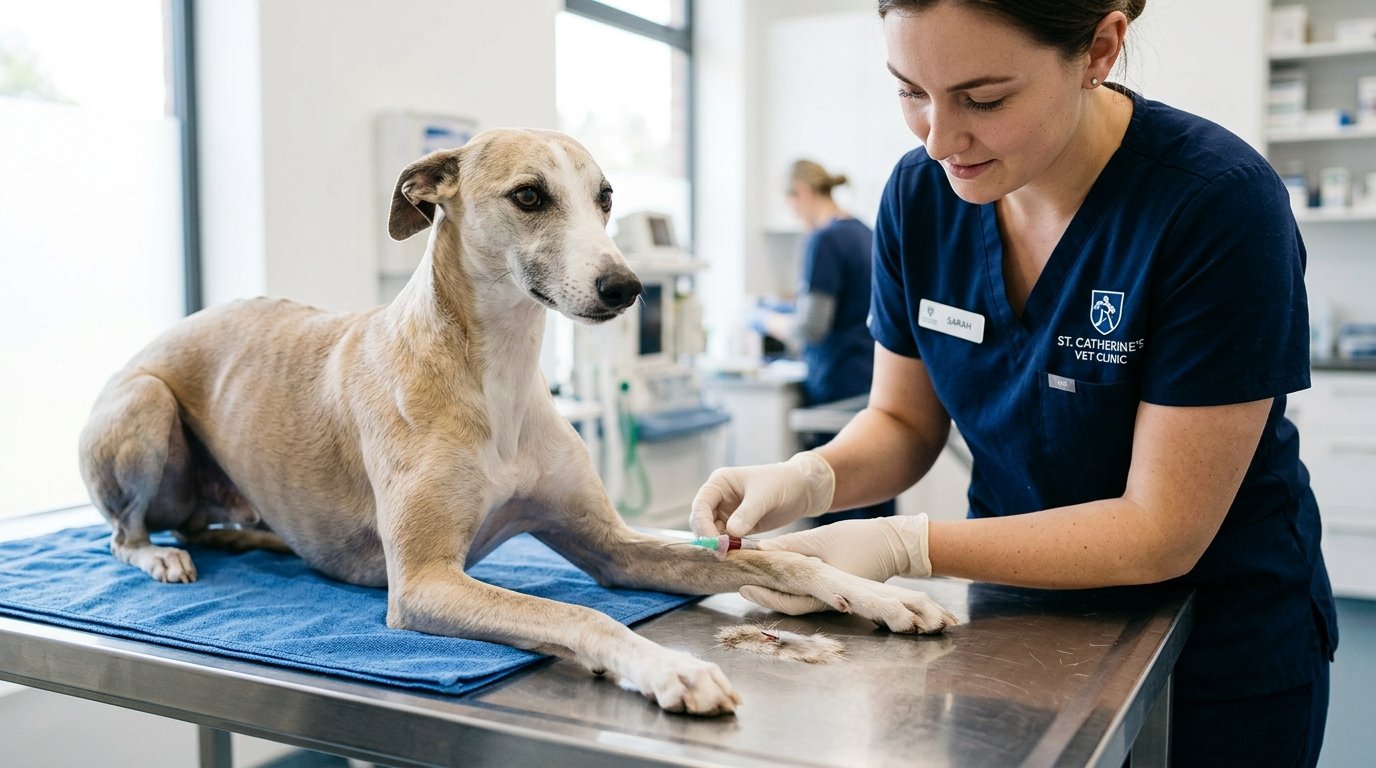
Some Whippets, particularly those with chronic health conditions or ongoing dental needs, may face anesthesia more than once over their lifetime. Each time, your vet will reassess your dog’s current health status rather than relying solely on how a previous procedure went, since age and health can change the risk picture over time.
Keeping a simple record of past anesthesia experiences, including any complications or notably slow recoveries, can be genuinely useful information to share with your vet before future procedures. This history helps your veterinary team fine-tune their approach each time rather than starting from scratch.
When to Seek Emergency Care After Anesthesia
Most Whippets recover from anesthesia without serious complications, especially when the veterinary team is aware of and prepared for breed-specific considerations. Still, it is important to know when a symptom at home crosses the line from normal grogginess into something that needs urgent attention.
If your dog shows any of the following after returning home from a procedure, contact your vet or the nearest emergency animal hospital right away rather than waiting to see if things improve on their own.
- Gums that appear pale, gray, or bluish
- Breathing that seems labored, rapid, or unusually shallow
- Inability to wake up or respond several hours after the expected recovery window
- Repeated vomiting or signs of severe pain
- A body temperature that feels unusually cold to the touch and does not improve with warming
Bringing It All Together
Anesthesia sensitivity in Whippets is a well-recognized consideration in veterinary medicine, but it is one that experienced vets know how to plan around safely. The combination of low body fat, lean muscle mass, and a fast metabolism means your dog’s anesthesia experience may look a little different from a heavier breed’s, from drug selection to recovery time to temperature management.
Your best tool as an owner is open communication with your veterinary team before, during, and after any procedure. Ask questions, share your dog’s health history, and trust the professionals monitoring your Whippet’s recovery. With the right preparation and a vet who understands sighthound physiology, most Whippets come through anesthesia safely and are back to their playful, fast-running selves before long.
This article is for general education and is not a substitute for care from your own veterinarian. Learn about The Pet Vet and our editorial policy.