
If you’ve heard the words chronic kidney disease in cats from your vet, or you’re worried your Maine Coon is drinking more water than usual, you’re not alone. Kidney disease is one of the most common health problems facing older cats. Understanding what’s happening inside your cat’s body, and knowing what signs to watch for, can help you catch problems early and give your cat the best possible quality of life.
Table of Contents
- What Is Chronic Kidney Disease in Cats?
- Why Maine Coons and Other Cats Develop CKD
- Early Signs of Kidney Disease in Cats
- Increased Thirst and Urination
- Unexplained Weight Loss and Poor Appetite
- Vomiting, Nausea, and Digestive Upset
- Lethargy, Weakness, and Behavior Changes
- Bad Breath and Mouth Ulcers
- How Vets Diagnose Chronic Kidney Disease
- Understanding the Stages of Kidney Disease
- Treatment Options for Cats with CKD
- The Role of Diet in Managing Kidney Disease
- Supportive Home Care Tips
- Managing Complications Like High Blood Pressure
- Living with a Cat Who Has Kidney Disease
- When to Contact Your Vet Right Away
What Is Chronic Kidney Disease in Cats?
Chronic kidney disease, often shortened to CKD, happens when a cat’s kidneys gradually lose their ability to filter waste products out of the blood. Unlike an acute kidney injury, which comes on suddenly, chronic kidney disease develops slowly over months or even years. By the time most owners notice symptoms, a significant portion of kidney function has already been lost, which is part of why this disease can feel like it appears out of nowhere.
The kidneys do far more than just make urine. They help regulate blood pressure, balance electrolytes, produce hormones that support red blood cell production, and remove toxins from the bloodstream. When kidney tissue becomes damaged and scarred over time, all of these functions can be affected, which is why cats with CKD can show such a wide range of symptoms.
Why Maine Coons and Other Cats Develop CKD
Any cat can develop chronic kidney disease, but it becomes far more common as cats age, particularly in cats over the age of ten. Large, long-lived breeds like the Maine Coon often live well into their senior years, which means owners of these cats should be especially mindful of age-related kidney changes as part of routine wellness care.
There isn’t always a single clear cause behind CKD. In many cases, the kidneys simply wear down over a lifetime of normal use. In other cases, underlying issues such as dental disease, high blood pressure, infections, or inherited kidney conditions may play a role. Because the exact cause isn’t always obvious, your vet may run several tests to rule out contributing factors rather than relying on guesswork.
Early Signs of Kidney Disease in Cats
One of the trickiest things about chronic kidney disease is that early signs can be subtle and easy to write off as normal aging. Cats are also masters at hiding illness, which means a cat can be feeling quite unwell before you notice anything different at home.
This is why regular veterinary checkups matter so much for senior cats, even when they seem perfectly healthy. Bloodwork and urine testing can sometimes catch changes in kidney function before obvious symptoms appear, giving you a head start on management.
- Drinking noticeably more water than usual
- Urinating more frequently or producing larger amounts of urine
- Gradual weight loss despite a normal or increased appetite
- A dull, unkempt coat that no longer looks well-groomed
- General decrease in activity or enthusiasm for play
Increased Thirst and Urination
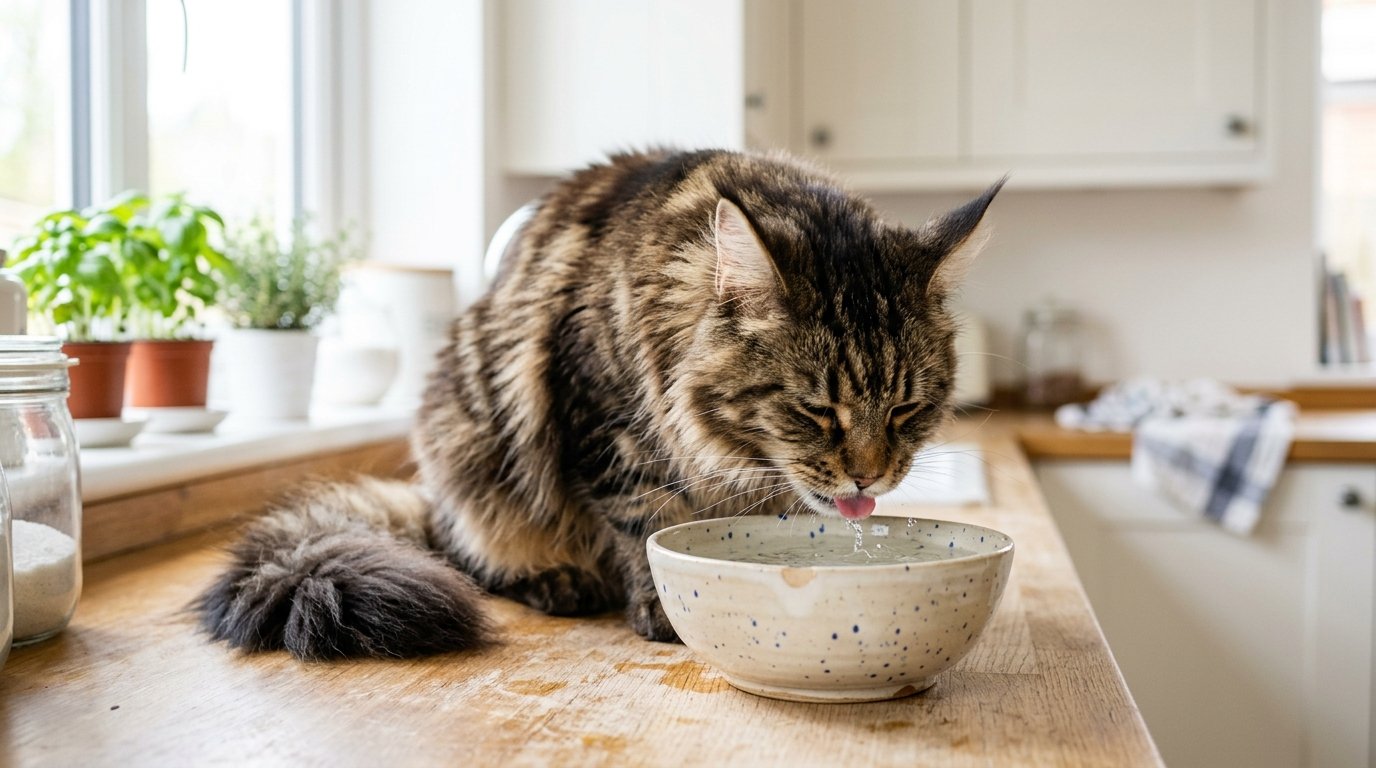
Increased thirst and urination, known medically as polydipsia and polyuria, are among the most classic signs of kidney disease in cats. As the kidneys lose their ability to concentrate urine properly, cats end up producing more urine than normal, which in turn makes them drink more water to compensate.
If you notice your cat’s water bowl needing to be refilled more often, or if you’re scooping a litter box that seems unusually heavy or wet, it’s worth mentioning to your vet. These changes can also be signs of other conditions like diabetes, so testing is the only way to know what’s really going on.
Unexplained Weight Loss and Poor Appetite
Weight loss is another common feature of chronic kidney disease, and it often happens gradually enough that owners don’t notice until a vet points it out during a checkup. As waste products build up in the bloodstream, cats can start to feel nauseated, which reduces their interest in food over time.
Muscle wasting can also occur alongside fat loss in cats with more advanced kidney disease, sometimes making a cat look thinner along the spine and hips even if their belly still looks normal. Tracking your cat’s weight at home with a simple pet scale, or asking your vet’s office if you can stop by for regular weigh-ins, can help catch this trend early.
Vomiting, Nausea, and Digestive Upset
As kidney function declines, toxins that would normally be filtered out can build up in the blood and irritate the stomach lining, leading to nausea and vomiting. Some cats with kidney disease vomit occasionally, while others may develop more frequent digestive upset as the disease progresses.
It’s important not to assume that vomiting is always related to kidney problems, since cats vomit for many reasons ranging from hairballs to food sensitivities to more serious conditions. Persistent or repeated vomiting should always be evaluated by a vet rather than managed at home, since it can be a sign of several different underlying issues.
Lethargy, Weakness, and Behavior Changes
Cats with chronic kidney disease often become noticeably less energetic. They may sleep more, show less interest in play, and seem less engaged with the household than they used to be. This kind of low energy can be easy to mistake for a cat simply slowing down with age.
Some cats also become withdrawn or seem grumpier than usual, which can be related to feeling unwell rather than a true change in personality. If your normally social Maine Coon suddenly prefers to hide away or avoids interaction, it’s worth having a conversation with your vet about what might be going on beneath the surface.
Bad Breath and Mouth Ulcers
A distinct ammonia-like or unpleasant odor on a cat’s breath can sometimes be linked to the buildup of waste products in the bloodstream that occurs with kidney disease. In more advanced cases, cats can develop painful ulcers on the tongue or inside the mouth, which can make eating even more difficult.
If you notice new or worsening bad breath in your cat, especially alongside other symptoms on this list, it’s a good idea to schedule a vet visit rather than assuming it’s simply a dental hygiene issue. Dental disease itself can also contribute to kidney strain over time, so addressing oral health is often part of a broader wellness picture.
How Vets Diagnose Chronic Kidney Disease
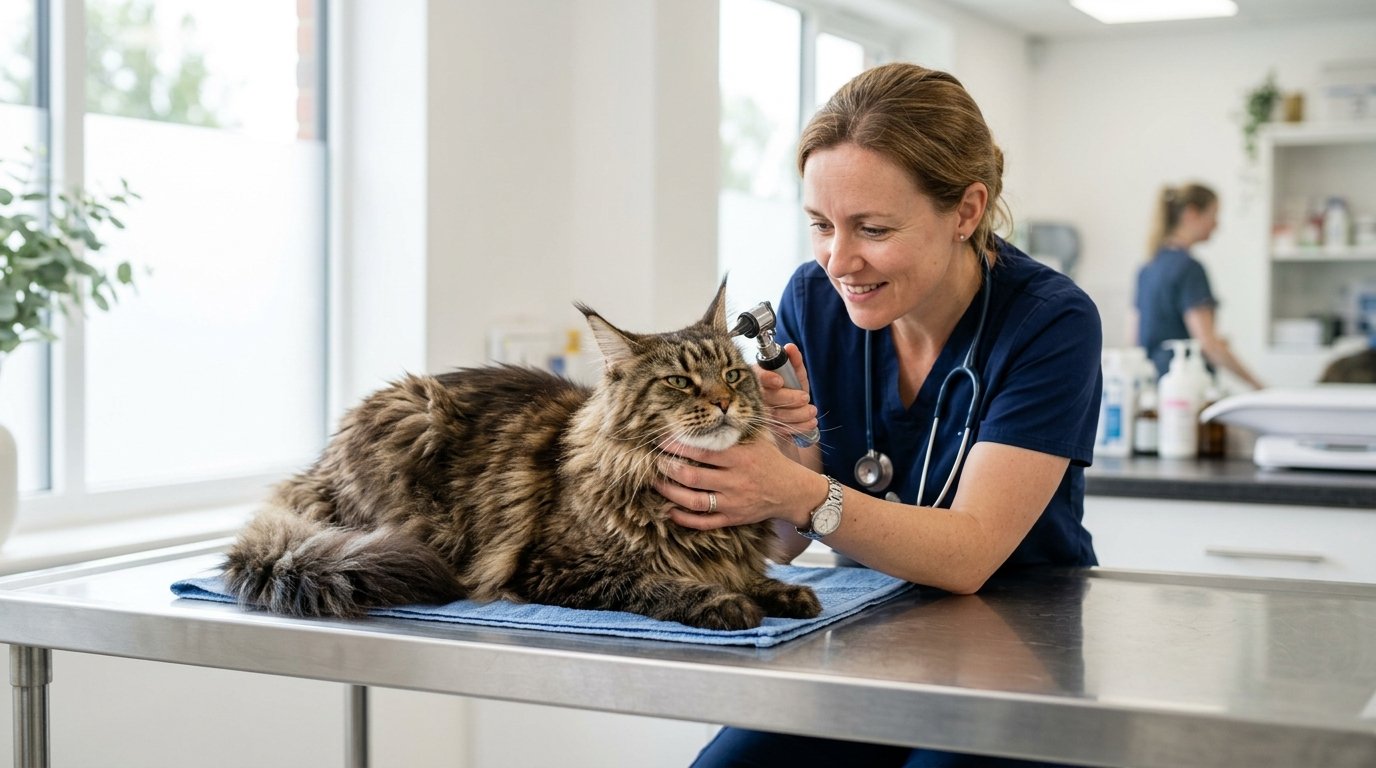
Diagnosing CKD typically involves a combination of blood tests and urine tests. Blood tests can reveal elevated levels of waste products that the kidneys would normally filter out, while a urinalysis can show whether the kidneys are properly concentrating urine and whether protein is leaking into the urine, which can be an early red flag.
Your vet may also recommend checking blood pressure, since high blood pressure is common in cats with kidney disease and can cause additional damage if left unaddressed. Imaging such as an ultrasound may sometimes be used to get a closer look at the kidneys themselves and rule out other contributing problems like kidney stones or masses.
Understanding the Stages of Kidney Disease
Veterinarians often use a staging system to describe how advanced a cat’s kidney disease is, based on bloodwork results and other factors like protein levels in the urine and blood pressure. Staging helps guide treatment decisions and gives owners a clearer picture of what to expect going forward.
It’s important to understand that staging is a tool used by your vet to personalize your cat’s care plan, not something you should try to interpret or manage on your own using online information. Two cats at the same stage can have very different day-to-day needs, which is why ongoing veterinary guidance is so important.
Treatment Options for Cats with CKD
While chronic kidney disease can’t be cured, it can often be managed to help slow its progression and keep your cat feeling as comfortable as possible. Treatment plans are highly individualized and depend on how advanced the disease is, along with any other health conditions your cat may have.
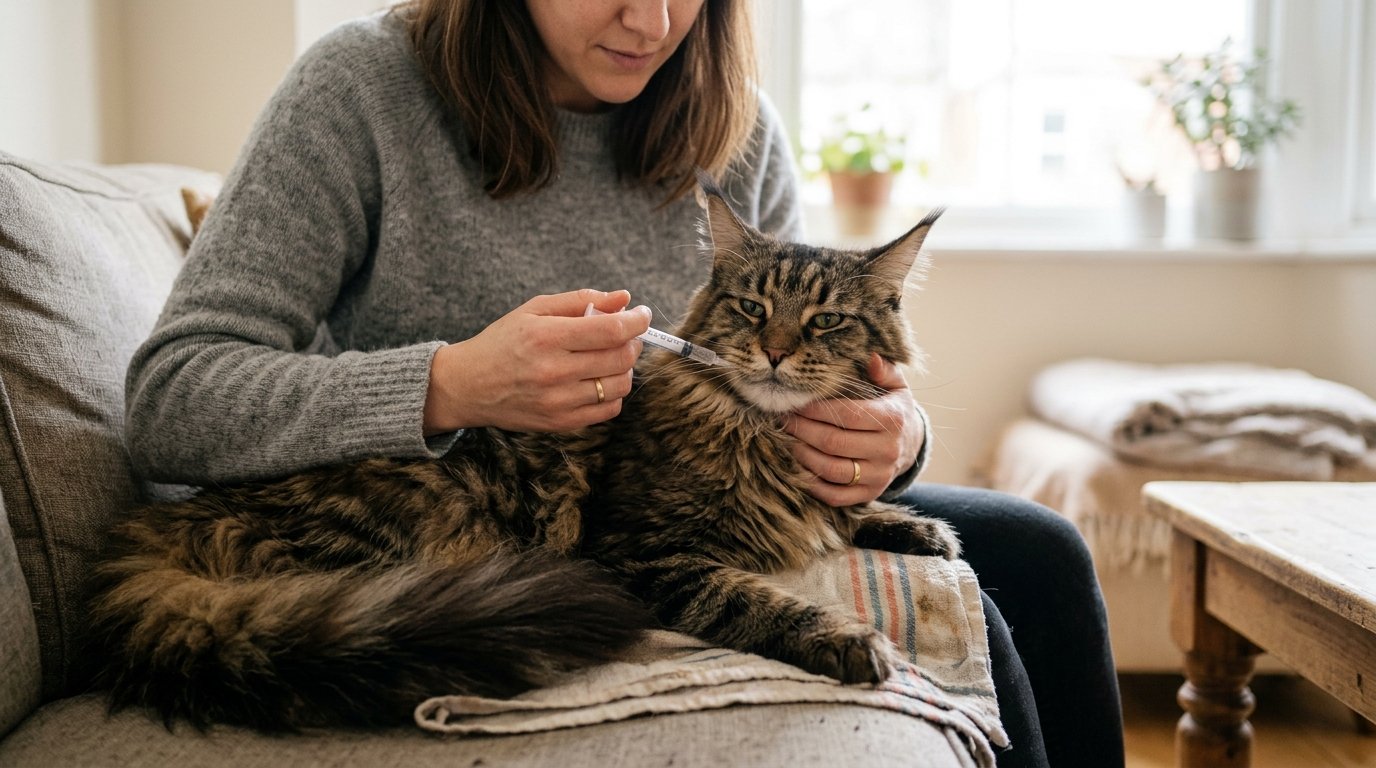
Your vet may recommend medications to help control blood pressure, reduce protein loss through the kidneys, or manage nausea and appetite. In some cases, fluid therapy given either at the clinic or at home can help support hydration and reduce the workload on the kidneys. Never adjust or start any medication for kidney disease without direct guidance from your vet, since the wrong approach can sometimes do more harm than good.
The Role of Diet in Managing Kidney Disease
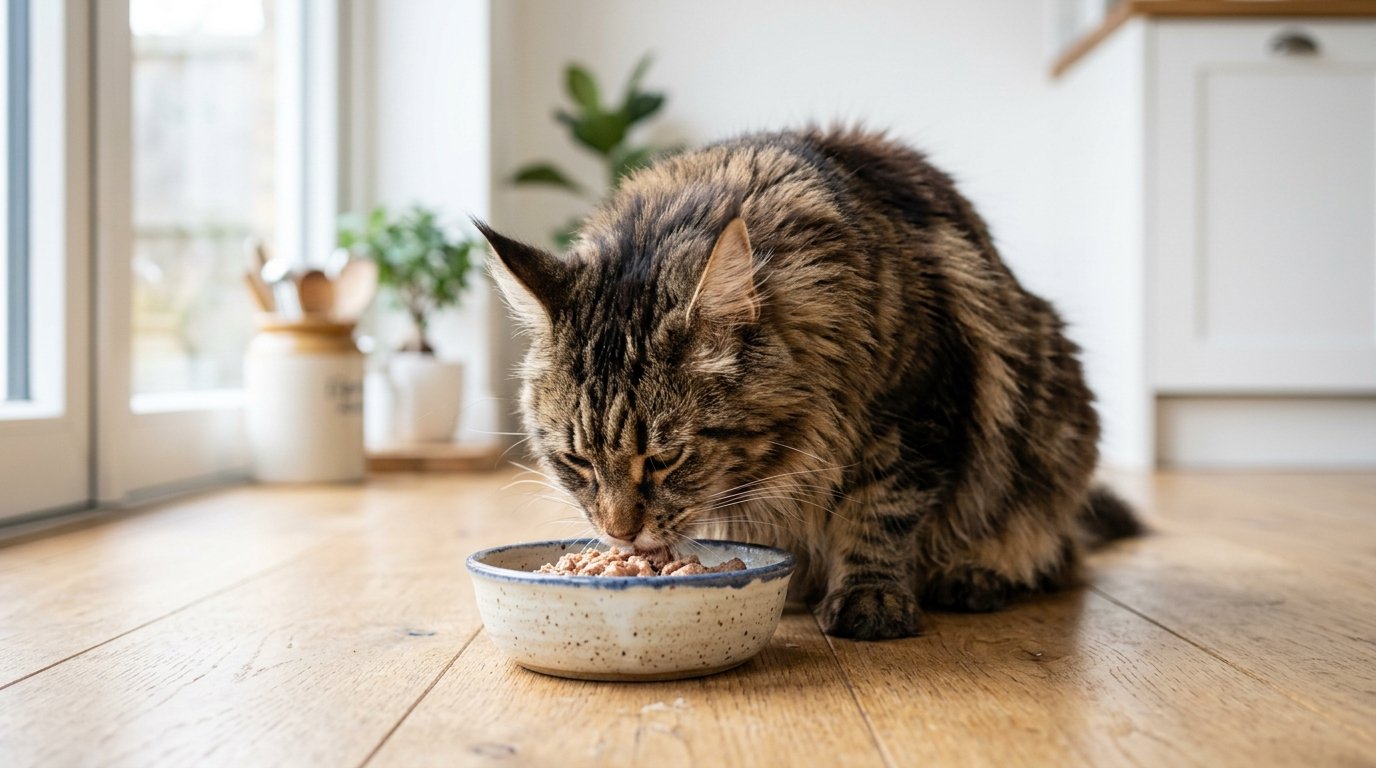
Diet is one of the most important tools available for managing chronic kidney disease in cats. Prescription kidney diets are typically formulated with reduced phosphorus and controlled protein levels, which can help ease the burden on damaged kidneys and slow the progression of disease over time.
Switching foods can be a gradual process, especially for cats who are picky eaters or already feeling nauseated. Your vet or a veterinary nutritionist can help you find an appropriate diet and offer tips for transitioning your cat slowly so the change doesn’t cause additional stress or food aversion.
- Ask your vet about prescription renal diets formulated specifically for kidney support
- Introduce new food gradually by mixing it with the current diet over one to two weeks
- Offer fresh water in multiple locations to encourage hydration
- Consider wet food options, which naturally contain more moisture than dry kibble
Supportive Home Care Tips
Beyond diet and medication, there are everyday steps you can take at home to support a cat with chronic kidney disease. Encouraging hydration, reducing stress, and keeping a close eye on appetite and litter box habits can all make a meaningful difference in how your cat feels day to day.
Keeping the litter box easily accessible is especially important, since cats urinating more frequently need more opportunities to go without accidents or discomfort. For large-bodied cats like Maine Coons, choosing a low-sided, roomy litter box can make things more comfortable as mobility or energy levels change.
- Provide multiple water sources, including a pet fountain if your cat enjoys running water
- Keep litter boxes clean and easily accessible, especially on the ground floor
- Monitor appetite and weight regularly, keeping simple notes for your vet
- Minimize stress by keeping routines predictable and the environment calm
Managing Complications Like High Blood Pressure
High blood pressure, or hypertension, is a common complication of chronic kidney disease and can cause additional damage to the kidneys, eyes, heart, and brain if left untreated. Because cats can’t tell us when something feels off, blood pressure changes often go unnoticed without regular veterinary monitoring.
If your vet detects high blood pressure, they may recommend medication along with more frequent monitoring visits. Sudden vision loss can sometimes occur in cats with severe hypertension, so any sudden changes in your cat’s eyes or behavior around navigating their environment should be treated as an emergency and reported to your vet right away.
Living with a Cat Who Has Kidney Disease
A diagnosis of chronic kidney disease can feel overwhelming at first, but many cats live comfortably for a long time with proper management and monitoring. Regular rechecks allow your vet to adjust treatment as needed and catch any new changes before they become serious problems.
Quality of life should always be at the center of ongoing care decisions. Working closely with your vet, being honest about what feels manageable for your household, and staying consistent with recommended monitoring can help you and your cat navigate this diagnosis together with as little stress as possible.
When to Contact Your Vet Right Away
Some symptoms associated with kidney disease warrant immediate veterinary attention rather than waiting for a scheduled appointment. Cats can decline quickly if complications arise, so knowing the warning signs of an emergency is essential.
If your cat stops eating or drinking entirely, seems extremely weak or unresponsive, has repeated vomiting, or shows sudden changes in vision or behavior, contact your vet or an emergency animal hospital immediately. Trust your instincts as an owner, since you know your cat’s normal behavior better than anyone else, and early intervention often makes a real difference in outcomes.
This article is for general education and is not a substitute for care from your own veterinarian. Learn about The Pet Vet and our editorial policy.