
If you’re wondering whether you should ask your vet about kitten vomiting, the short answer is yes—especially if it’s happening more than once or twice. Watching your kitten throw up can be scary and confusing, but the good news is that many causes are manageable when caught early.
Table of Contents
- Why Kittens Vomit: Common Causes
- When to Ask Your Vet About Kitten Vomiting
- Red Flags That Require Urgent Veterinary Care
- Questions to Prepare Before Talking to Your Vet
- Dietary Adjustments Your Vet Might Recommend
- Testing and Diagnosis: What to Expect
- Home Care Tips While You Wait for Your Vet Appointment
- Using Telehealth for Kitten Vomiting Concerns
- Prevention: Reducing Vomiting Risk in Kittens
- When Vomiting Signals Something More Serious
- Summary: Your Action Plan
- Frequently Asked Questions
- What To Do Now
This article is for informational purposes only and is not a substitute for professional veterinary advice. Always consult a licensed veterinarian for diagnosis and treatment.
Why Kittens Vomit: Common Causes
Kitten vomiting happens for many different reasons, and not all of them are serious. Your young cat’s digestive system is still developing, which makes them more sensitive to certain foods and environmental changes than adult cats.
One of the most common culprits is eating too quickly. Kittens get excited during mealtime and may gulp down food without chewing properly, leading to regurgitation shortly after. Similarly, sudden diet changes can upset their stomachs—switching kitten food brands or introducing new treats too fast can trigger vomiting.
Hairballs are another frequent cause in kittens, particularly those with longer coats or who are grooming excessively. While hairballs are usually not an emergency, they should still be monitored.
When to Ask Your Vet About Kitten Vomiting
Occasional vomiting might not require immediate attention, but certain patterns should prompt you to reach out to your veterinarian. If your kitten is vomiting more than once a week, or if the episodes are becoming more frequent, that’s a red flag worth discussing.
Pay attention to what comes up. If you notice blood, bile (greenish or yellowish fluid), or undigested food hours after eating, document these details before contacting your vet. They’ll want specifics to help narrow down the cause.
Also consider the bigger picture: Is your kitten acting otherwise normal? Playing, eating, and using the litter box as usual? Or are they lethargic and showing other signs of illness? Catching this early puts you in a great position to help. You might also want to ask your vet about kitten lethargy if your kitten seems unusually tired alongside vomiting.
Red Flags That Require Urgent Veterinary Care
Some situations demand immediate attention, not a wait-and-see approach. If your kitten is vomiting repeatedly (more than 2-3 times in a few hours), showing signs of dehydration, or seems to be in pain, contact your vet right away or visit an emergency clinic.
Kittens are especially vulnerable to dehydration because of their small size. Watch for dry gums, sunken eyes, or a skin that doesn’t bounce back when gently pinched. These are all signs your kitten needs urgent care.
Additionally, if your kitten has ingested something toxic—like certain plants, medications, or household chemicals—vomiting may be a symptom of poisoning. Don’t delay in this scenario.
Questions to Prepare Before Talking to Your Vet
When you contact your veterinarian, having clear information ready will make the conversation more productive. Write down when the vomiting started, how often it’s happening, and what the vomit looks like.
Here are key details to gather:
- Frequency: How many times has your kitten vomited in the last 24 hours or week?
- Timing: Does it happen right after eating, or at random times?
- Appearance: Is it food, liquid, or something else?
- Appetite: Is your kitten eating normally between episodes?
- Behavior: Any lethargy, diarrhea, or changes in litter box habits?
- Diet: Have you recently changed food, introduced treats, or given anything new?
- Environment: Any stress, new pets, or household changes?
Having this information ready shows your vet you’re a thoughtful owner and helps them make a faster, more accurate assessment.
Dietary Adjustments Your Vet Might Recommend
If your kitten’s vomiting is related to food, your vet may suggest several dietary changes. They might recommend a slower feeding approach, such as using puzzle feeders or dividing meals into smaller portions throughout the day.
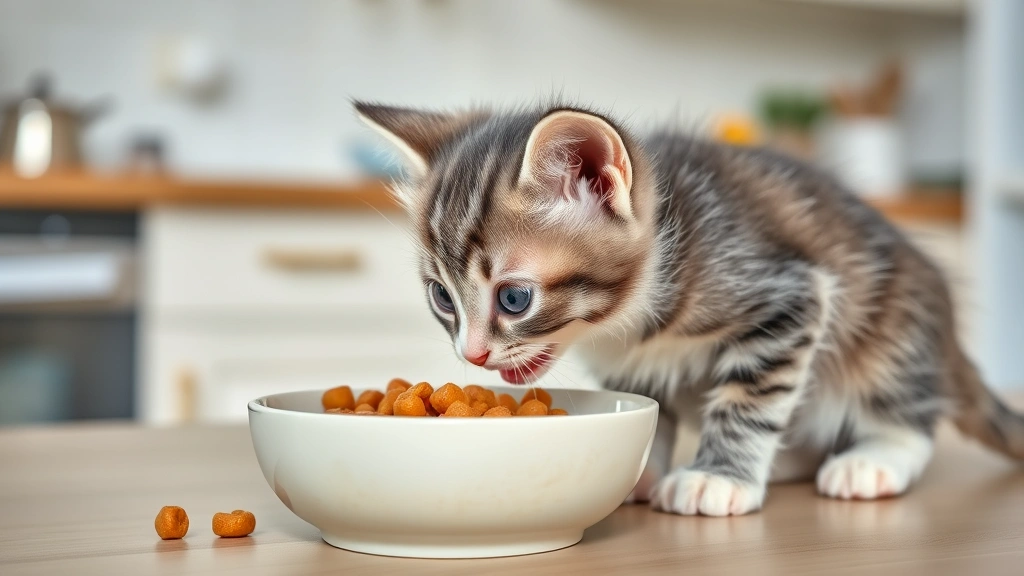
Some vets suggest a temporary switch to a bland, easily digestible diet while investigating the cause. This gives the digestive system a chance to settle. Once your kitten improves, your vet will guide you on transitioning back to regular food gradually.
If you’re changing kitten food brands, your vet will likely advise mixing the new food with the old over 7-10 days, slowly increasing the ratio of new to old. This gradual transition helps prevent digestive upset and vomiting.
Testing and Diagnosis: What to Expect
Depending on your kitten’s symptoms and medical history, your vet may recommend diagnostic tests. A physical exam is always the first step, but if vomiting persists, they might suggest bloodwork or imaging like X-rays or ultrasound.
These tests help rule out serious conditions like blockages, infections, or metabolic disorders. While it might feel overwhelming to hear about testing, remember that early diagnosis often leads to simpler, more effective treatment.
Your vet will explain what they’re looking for and why each test matters. Don’t hesitate to ask questions if you don’t understand the recommendations.
Home Care Tips While You Wait for Your Vet Appointment
If your kitten’s vomiting isn’t an emergency but you’re waiting for a vet appointment, there are steps you can take at home to keep them comfortable. Keep your kitten hydrated by offering small amounts of water frequently—ice cubes can be a fun way to encourage drinking.
Avoid giving treats or changing food until you’ve spoken with your vet. Stick to their regular kitten food in smaller portions. If your kitten seems interested in eating, offer small meals more frequently rather than one large meal.
Create a calm, stress-free environment. Sometimes anxiety or environmental changes trigger vomiting, so a quiet space with their favorite toys and bed can help. If you suspect stress is a factor, you might also ask your vet about kitten anxiety.
Using Telehealth for Kitten Vomiting Concerns
If you’re unsure whether your pet needs urgent care, a quick telehealth check-in can give you peace of mind—no appointment needed. The Pet Vet and similar services allow you to describe your kitten’s symptoms to a licensed veterinarian from your home, often within minutes.
Telehealth is especially helpful when you’re not sure if vomiting warrants an emergency visit or can wait for a regular appointment. Your vet can assess your kitten’s situation, ask detailed questions, and advise you on next steps. Plus, you can show your vet photos or videos of what you’ve observed, which can be incredibly helpful for diagnosis.
Many pet owners find telehealth particularly convenient for follow-up questions after an in-person visit or for peace-of-mind consultations when their kitten’s symptoms are mild.
Prevention: Reducing Vomiting Risk in Kittens
While you can’t prevent all causes of kitten vomiting, some strategies can lower the risk. Feed high-quality kitten food formulated for their age and size—this supports digestive health from the start.
Here are practical prevention tips:
- Feed measured portions at consistent times each day to establish routine and prevent overeating.
- Use slow feeders or puzzle toys to encourage slower eating and better digestion.
- Keep toxic plants and chemicals out of reach to prevent accidental ingestion.
- Brush your kitten regularly to reduce hairball formation.
- Introduce any dietary changes gradually over 7-10 days.
- Minimize stress through play, routine, and a safe environment.
These small habits can make a big difference in your kitten’s digestive health and overall well-being. If vomiting does occur despite your best efforts, you’ll at least have ruled out preventable causes.

When Vomiting Signals Something More Serious
While most kitten vomiting is manageable, it can occasionally indicate more serious conditions like infections, parasites, or gastrointestinal blockages. Kittens are curious creatures and sometimes ingest things they shouldn’t—string, small toys, or plants—which can cause dangerous blockages.
Parasites are also common in kittens, especially those from shelters or outdoor backgrounds. Intestinal parasites can cause vomiting, diarrhea, and weight loss. Your vet can test for parasites and treat them if needed. Related digestive issues like kitten diarrhea often accompany parasitic infections.
The good news? Early veterinary intervention catches these serious conditions before they become life-threatening. Catching this early puts you in a great position to help your kitten recover fully.
Summary: Your Action Plan
Kitten vomiting is concerning, but it’s also one of the most common issues vets see. By staying observant, documenting symptoms, and reaching out to your veterinarian promptly, you’re already doing the right thing.
Remember that occasional vomiting might resolve on its own, but frequent or worsening vomiting always warrants professional evaluation. Your vet has the tools and expertise to determine what’s causing your kitten’s symptoms and recommend the best course of action.
Trust your instincts as a pet owner. If something feels off, it’s always better to ask your vet than to worry alone.
Frequently Asked Questions
Is it normal for kittens to vomit occasionally?
Occasional vomiting can happen, especially if your kitten eats too quickly or has a sensitive stomach. However, if it occurs more than once a week or is accompanied by other symptoms, contact your vet.
Can I give my kitten anything to stop the vomiting at home?
Avoid giving any medication or remedies without veterinary guidance. Focus on small, frequent meals and plenty of water. Always consult your vet before trying home treatments.
How long should I wait before calling the vet about kitten vomiting?
If vomiting is infrequent and your kitten seems otherwise healthy, you can monitor for a day or two. However, if it happens multiple times, your kitten seems ill, or you’re concerned, contact your vet immediately.
Could my kitten’s vomiting be caused by stress?
Yes, stress and anxiety can trigger vomiting in kittens. Changes in environment, new pets, or loud noises might contribute. Your vet can help you identify stressors and recommend solutions.
What should I do if my kitten vomits blood?
Blood in vomit is a sign of a serious condition and requires immediate veterinary attention. Don’t wait—contact your vet or emergency clinic right away.
What To Do Now
- Document your kitten’s vomiting: Write down when it started, how often it happens, what it looks like, and any other symptoms you’ve noticed.
- Contact your veterinarian: Schedule an appointment or use telehealth for a quick consultation if you’re unsure about urgency. If your kitten shows signs of distress, dehydration, or repeated vomiting, seek immediate care.
- Adjust feeding temporarily: Switch to smaller, more frequent meals and avoid treats or diet changes until your vet gives the green light.
- Keep your kitten hydrated: Offer small amounts of water throughout the day and monitor their fluid intake closely.
- Prepare questions for your vet: Use the list provided earlier to have detailed information ready when you speak with your veterinarian.
You’ve got this. Your kitten is lucky to have an owner who’s paying close attention and taking action. Reach out to your vet today and get answers.