
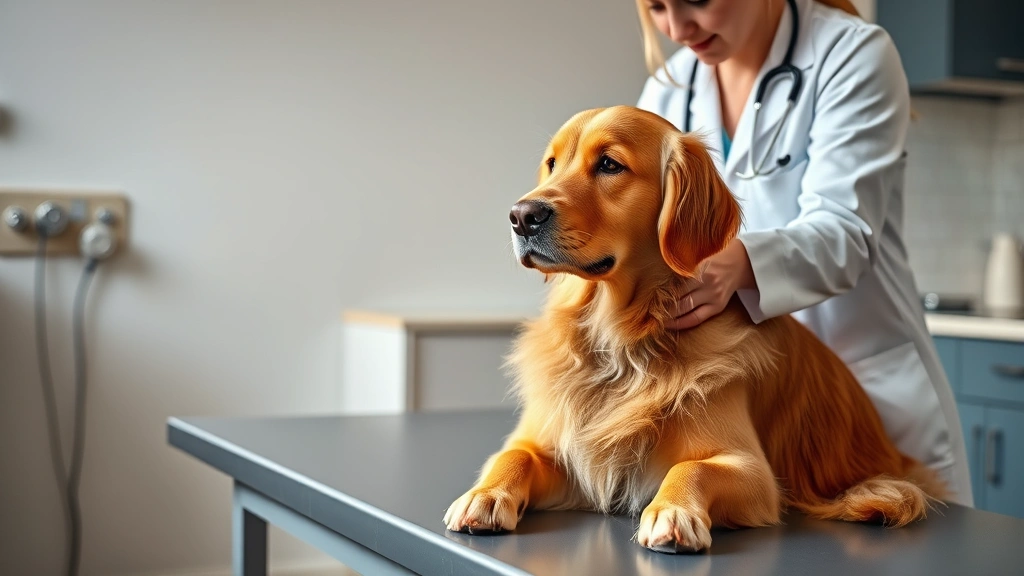
Mast Cell Tumors in Dogs: Signs, Grading, and Treatment
What mast cell tumors look like in dogs, how they’re diagnosed and graded, surgery and other treatments, and why every new lump should be checked.

What mast cell tumors look like in dogs, how they’re diagnosed and graded, surgery and other treatments, and why every new lump should be checked.

Which antibiotics vets commonly prescribe for cats, when they’re not needed, side effects to know, pill safety, and why human or leftover antibiotics are risky.

Why fluid builds up in a cat’s lungs, the breathing signs that mean an emergency, how vets treat it, and how to monitor a cat with heart disease at home.

Your tired cat might have anemia—a treatable condition where medications can restore energy fast. Learn which seven work best.

How warmth helps older cats with arthritis, how to use heated beds safely, which options carry burn risks, and arthritis treatments that make a bigger difference.
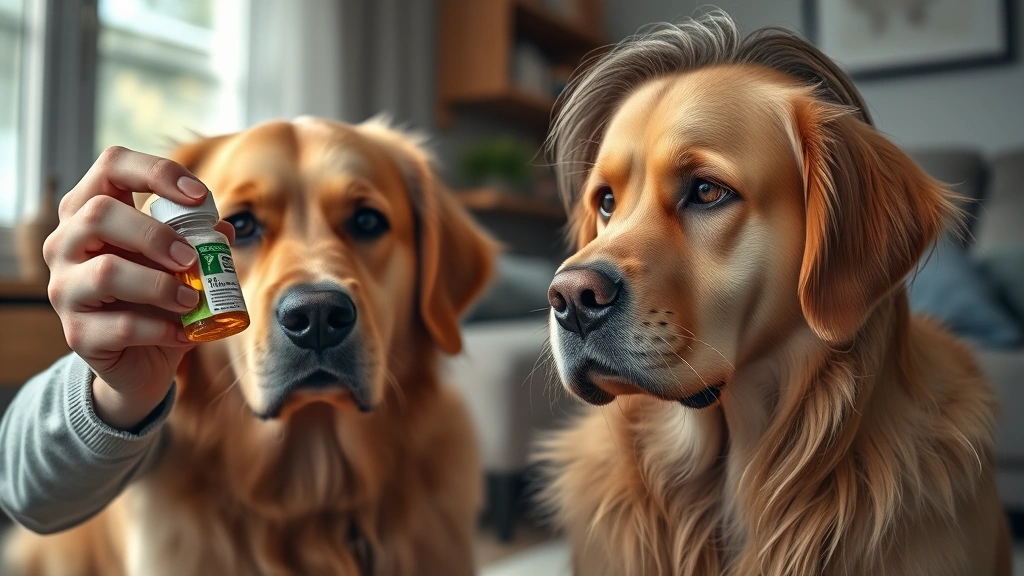
What to do right away if your dog or cat gets too much of a medication, the most dangerous human and pet drugs, warning signs, and how to prevent mistakes.

Is your dog straining to urinate or having accidents indoors? Urinary tract disease in dogs is common but highly treatable when caught early.

Red lesions on your cat’s lips or skin might be eosinophilic granuloma. Discover what causes it and how vets treat this manageable condition.

Senior cats struggle with constipation more than you’d think. Discover seven gentle, proven elderly cat constipation remedies that actually work.

Surgical staples help your pet’s incision heal faster after surgery. Learn essential care tips to prevent infection and complications during recovery.