
BOAS in French Bulldogs is one of the most important health issues you need to understand if you share your home with this beloved breed. Their flat faces are adorable, but that same structure can make everyday breathing a real struggle. This guide walks you through the warning signs, what causes the condition, and how you and your vet can work together to keep your Frenchie comfortable and safe.
Table of Contents
- What Is BOAS?
- Why French Bulldogs Are Prone to This
- Early Warning Signs to Watch For
- Breathing Sounds That Signal Trouble
- Heat Intolerance and Exercise Struggles
- Sleep Problems and Snoring
- Digestive Symptoms Linked to BOAS
- When BOAS Becomes an Emergency
- How Veterinarians Diagnose BOAS
- Non-Surgical Management Options
- Surgical Treatment Options
- The Role of Weight Management
- Living Comfortably With a Frenchie Who Has BOAS
- Long-Term Outlook
- When to See a Vet
What Is BOAS?
Brachycephalic Obstructive Airway Syndrome, or BOAS, is a group of physical traits that make it harder for flat-faced dogs to move air in and out of their lungs. French Bulldogs are one of the breeds most commonly affected because their skulls have been bred to be short and wide, which changes the shape of their airways in ways that can restrict airflow.
The condition isn’t just a cosmetic quirk. It involves several anatomical features working together, including narrowed nostrils, an elongated soft palate, a narrowed windpipe, and sometimes tissue that gets pulled into the airway when the dog struggles to breathe. Over time, this extra effort can cause additional swelling and inflammation, which makes breathing even harder. Understanding this cycle is the first step toward helping your dog.
Why French Bulldogs Are Prone to This
French Bulldogs were bred over generations to have that signature short muzzle and compact face, and unfortunately, this look comes with a functional cost. The bones of the skull are shortened, but the soft tissue inside, like the palate and tongue, often doesn’t shrink at the same rate. That mismatch means there’s simply too much tissue crowded into too small a space.
This isn’t something you caused, and it isn’t something every Frenchie will experience to the same degree. Some dogs have mild anatomical changes and breathe reasonably well most of the time, while others have more severe restrictions that cause noticeable problems even at rest. Genetics, individual anatomy, and even weight all play a role in how significantly a particular dog is affected.
Early Warning Signs to Watch For
Because snoring and snorting are so common in French Bulldogs, many owners assume these sounds are just part of the breed’s personality. While some noise is typical, certain signs suggest the airway restriction is affecting your dog’s quality of life and deserve a conversation with your veterinarian.
Catching these signs early can make a real difference in how the condition is managed going forward.
- Loud snoring or snorting even while awake and at rest
- Frequent gagging, gulping, or reverse sneezing episodes
- Tiring quickly during walks or play compared to other dogs
- Difficulty settling into a comfortable sleeping position
- Visible effort when breathing, such as flared nostrils or a heaving chest
Breathing Sounds That Signal Trouble
Not all noisy breathing is created equal. A soft snuffle here and there is different from a persistent, high-pitched wheeze or a harsh rattling sound that happens with every breath. Learning to tell the difference between normal Frenchie noise and concerning sounds can help you know when to seek veterinary attention sooner rather than later.
If you notice your dog making a sound that resembles a goose honk, a raspy struggle, or a whistle that wasn’t there before, these can indicate that the airway is becoming more restricted. Recording a short video when these episodes happen can be incredibly helpful for your vet, since these symptoms often aren’t happening during the exam itself.

Heat Intolerance and Exercise Struggles
Dogs cool themselves primarily through panting, and panting requires a clear, open airway to move air efficiently. Because French Bulldogs already have narrowed airways, their ability to cool down is compromised even before you factor in hot weather or physical exertion. This is why heat stroke risk is significantly higher in this breed compared to dogs with longer muzzles.
You may notice your dog wants to stop and rest frequently during walks, especially in warm or humid conditions. Some Frenchies will lie down and refuse to continue even on what seems like a mild day. This isn’t stubbornness or laziness. It’s often a physical limitation, and pushing through it can be genuinely dangerous.
- Avoid walks during the hottest parts of the day
- Keep outings short and watch closely for signs of distress
- Always carry water and offer breaks in shaded areas
- Never leave your dog in a parked car, even briefly
Sleep Problems and Snoring
Many French Bulldog owners describe their dog’s snoring with a mix of humor and exhaustion, but disrupted sleep can actually be a sign of a partially obstructed airway. Some dogs with more severe BOAS experience brief pauses in breathing during sleep, sometimes waking themselves up gasping or repositioning frequently trying to find a way to breathe more comfortably.
If your dog seems restless at night, sleeps propped up against furniture or in unusual positions, or wakes frequently, mention this pattern to your veterinarian. While it might seem like just an odd habit, it often reflects your dog’s body trying to compensate for airway restriction.
Digestive Symptoms Linked to BOAS
It might surprise you to learn that airway problems in brachycephalic dogs are often connected to digestive symptoms as well. The increased effort of breathing can create negative pressure changes in the chest and abdomen, which contributes to issues like regurgitation, vomiting, or chronic gagging after eating or drinking.
Some French Bulldogs with BOAS also develop hiatal hernias or other gastrointestinal changes over time as a secondary effect of the ongoing respiratory strain. If your dog frequently regurgitates food, seems uncomfortable after meals, or gags without an obvious cause, it’s worth discussing this alongside any breathing concerns rather than treating it as a separate, unrelated issue.
When BOAS Becomes an Emergency
While many French Bulldogs live with mild to moderate BOAS symptoms that are manageable day to day, there are situations where the condition becomes a true emergency. Recognizing these signs quickly and getting your dog to a vet immediately can be lifesaving.
Heat, stress, excitement, and physical exertion can all trigger a breathing crisis in a dog with significant airway restriction, so it’s important to stay alert to sudden changes rather than assuming your dog will simply calm down on their own.
- Blue or gray tinge to the gums or tongue
- Collapse or extreme weakness
- Open-mouth breathing that doesn’t resolve with rest
- Extreme distress, panic, or frantic behavior while struggling to breathe
- Body temperature that feels unusually hot to the touch
How Veterinarians Diagnose BOAS
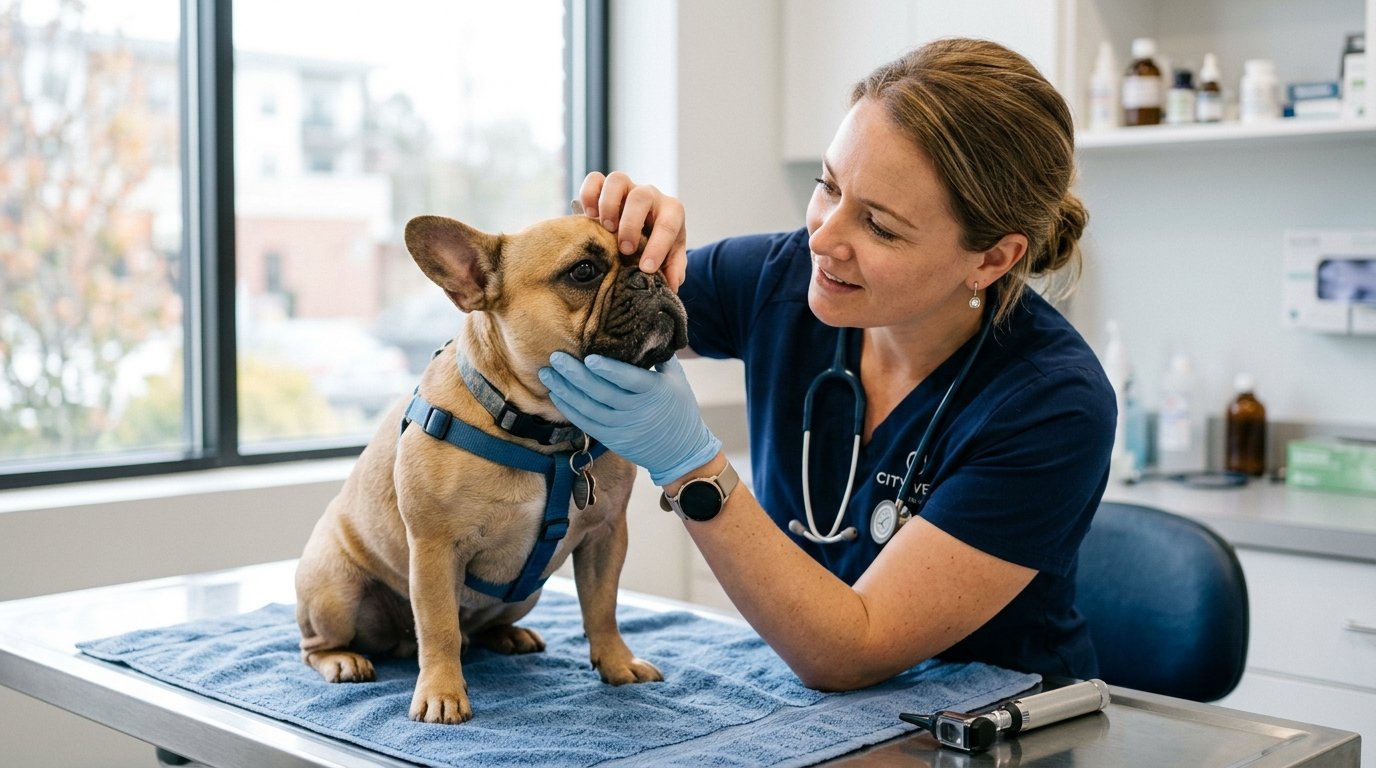
A veterinarian will typically start with a physical exam, listening to your dog’s breathing at rest and sometimes after light exercise to see how the airway responds under increased demand. They’ll also examine the nostrils, throat, and soft palate for visible signs of narrowing or excess tissue.
In many cases, your vet may recommend sedated or anesthetized examination of the throat and airway, since some structures are difficult to fully assess in an awake, anxious dog. Imaging such as X-rays may also be used to evaluate the windpipe and rule out other contributing issues. This thorough approach helps your vet understand exactly which structures are involved and how severe the restriction is.
Non-Surgical Management Options
Not every French Bulldog with BOAS needs surgery right away, and for dogs with milder symptoms, your veterinarian may recommend a management-focused approach instead. This typically centers on reducing triggers that make breathing harder and creating an environment that supports easier airflow.
Weight management, activity modification, and careful attention to temperature are often the foundation of non-surgical care. Your vet may also recommend using a harness instead of a collar to avoid putting any additional pressure on the throat and windpipe during walks.
- Use a well-fitted harness rather than a neck collar
- Keep your dog at a healthy weight to reduce airway strain
- Limit exercise during warm weather or high humidity
- Manage stress and excitement during triggering situations like car rides or vet visits

Surgical Treatment Options
For dogs with more significant airway restriction, surgery is often the most effective way to improve long-term quality of life. Procedures can include widening the nostrils, shortening an elongated soft palate, or removing tissue that has become inflamed from years of extra breathing effort.
These surgeries are generally performed by veterinarians experienced in brachycephalic airway procedures, and outcomes tend to be best when surgery happens before secondary complications become severe. Your vet can walk you through the specific risks and expected recovery for your individual dog, since every case is different depending on which structures are involved and how advanced the condition is.
The Role of Weight Management
Extra weight puts additional pressure on the chest and throat, which can significantly worsen breathing difficulty in a dog that’s already working harder than average just to move air. Keeping your French Bulldog at a lean, healthy weight is one of the most impactful things you can do to support their airway health.
Your veterinarian can help you determine an appropriate target weight and a safe way to get there if your dog needs to slim down. Even a small amount of excess weight can make a noticeable difference in how easily a brachycephalic dog breathes, so this is an area worth taking seriously rather than dismissing as a minor cosmetic concern.
Living Comfortably With a Frenchie Who Has BOAS
Many French Bulldogs with BOAS go on to live full, happy lives with some thoughtful adjustments to their daily routine. The key is understanding your individual dog’s limits and building your schedule and environment around supporting easier breathing rather than pushing through discomfort.
Small changes at home can add up to a big improvement in comfort. Keeping your dog cool, avoiding overly strenuous play in hot weather, and paying attention to their individual signals of fatigue or distress all help prevent breathing crises before they start.
- Provide access to air conditioning or fans during warm months
- Choose calm, low-stress activities over high-intensity play
- Elevate food and water bowls if regurgitation is an issue
- Schedule regular veterinary checkups to monitor airway changes over time
Long-Term Outlook
The outlook for a French Bulldog with BOAS depends heavily on the severity of the airway restriction and how early it’s identified and managed. Dogs who receive appropriate care, whether that’s lifestyle management or surgical correction, often see meaningful improvement in comfort, energy, and overall quality of life.
It’s natural to feel worried after learning your dog has this condition, but many Frenchies thrive with the right support. Staying attentive to changes in breathing, keeping regular veterinary appointments, and following your vet’s recommendations gives your dog the best possible chance at a comfortable, happy life.
When to See a Vet
If you’ve noticed any of the warning signs described here, don’t wait for symptoms to worsen before scheduling a veterinary visit. Early evaluation gives you and your vet more options and often leads to better outcomes than waiting until a crisis occurs.
Your veterinarian is your best partner in navigating BOAS in French Bulldogs. They can assess your dog’s specific anatomy, recommend appropriate testing, and help you decide on the management plan that fits your dog’s needs. Never attempt to diagnose the severity of your dog’s condition on your own or delay care because symptoms seem mild, since airway problems can change quickly and unpredictably.
This article is for general education and is not a substitute for care from your own veterinarian. Learn about The Pet Vet and our editorial policy.