
Hairballs in cats are something almost every cat owner deals with sooner or later, and for the most part they are a normal side effect of grooming. But not every hairball episode is harmless, and knowing the difference between a quick cleanup and a warning sign can save your cat from a much bigger problem down the road.
Table of Contents
- Understanding Why Cats Get Hairballs
- How Normal Hairballs Look and Behave
- The Grooming Habits Behind Hairball Formation
- British Shorthair Coat Type and Hairball Risk
- Signs a Hairball Is Just a Hairball
- Warning Signs That Point to Something More Serious
- Hairballs vs Intestinal Blockage: Key Differences
- When Vomiting Frequency Becomes a Concern
- Other Health Conditions That Mimic Hairball Symptoms
- Diet and Hairball Formation
- Grooming Strategies to Reduce Hairballs
- Hairball Remedies and Products: What to Know
- When to Call Your Vet Immediately
- What Happens During a Vet Visit for Hairball Concerns
- Long Term Prevention and Monitoring
- Final Thoughts
Understanding Why Cats Get Hairballs
Cats are meticulous groomers, and their tongues are covered in tiny backward-facing hooks called papillae that catch loose fur every time they lick themselves clean. Most of that fur gets swallowed, and while a small amount passes through the digestive tract without any trouble, larger amounts can clump together in the stomach and form the classic tube-shaped mass you find on your carpet.
This is a completely natural process, and it happens to some degree in almost every cat that grooms itself regularly. The frequency and severity of hairballs can vary a lot depending on coat length, grooming habits, age, and even the season, since many cats shed more heavily in spring and fall.
How Normal Hairballs Look and Behave
A typical hairball is cylindrical rather than round, because it gets compressed as it travels back up through your cat’s esophagus. It’s usually covered in a bit of mucus or bile, and your cat may retch, hack, or hunch over for a few seconds before it comes up. Once it’s out, most cats act completely normal afterward, going right back to eating, playing, or napping like nothing happened.
This quick recovery is one of the most reassuring signs that what you just witnessed was a garden-variety hairball rather than something more concerning. If your cat produces one every week or two and bounces back immediately, this is generally considered within the range of normal feline behavior.
The Grooming Habits Behind Hairball Formation
How often your cat grooms plays a huge role in how often hairballs show up. Cats that are stressed, anxious, or bored sometimes over-groom as a coping mechanism, which means they swallow more loose fur than usual. On the other hand, cats with skin conditions, allergies, or parasites may groom excessively in certain spots, leading to localized fur buildup in the digestive tract.
Age matters too. Older cats sometimes groom less efficiently due to arthritis or dental pain, which can either reduce hairball frequency because they’re grooming less, or increase it if matting causes them to overcompensate in certain areas. Watching your cat’s grooming patterns over time can give you useful clues about their overall comfort and health.
British Shorthair Coat Type and Hairball Risk
The British Shorthair has a dense, plush double coat that sheds steadily throughout the year, which puts this breed at a somewhat higher risk for hairball formation compared to cats with thinner or single-layer coats. The undercoat in particular tends to release a lot of loose fur during brushing or self-grooming sessions, and that fur has to go somewhere once it’s swallowed.
Because of their coat density, British Shorthairs often benefit from a slightly more proactive approach to grooming and hairball management than some other breeds. This doesn’t mean every British Shorthair will struggle with frequent hairballs, but owners of this breed should expect to see them a bit more often than owners of short, sleek-coated cats.
Signs a Hairball Is Just a Hairball
Most hairball episodes follow a predictable pattern that owners quickly learn to recognize. Your cat may make a distinctive retching or gagging sound, position themselves low to the ground, and produce the hairball within a minute or two. Afterward, appetite, energy, and litter box habits typically stay completely unchanged.
- Occurs no more than once every week or two
- Cat returns to normal activity almost immediately
- No blood, unusual color, or strong odor in the hairball
- Appetite and thirst remain steady afterward
- Litter box habits stay consistent
Warning Signs That Point to Something More Serious
While occasional hairballs are nothing to worry about, certain patterns should raise a flag. If your cat is retching repeatedly without actually producing anything, straining without success, or seems distressed and lethargic afterward, this could indicate that fur or another object has formed a blockage that isn’t passing on its own.
Other red flags include a noticeable drop in appetite, hiding more than usual, vomiting that continues over several hours or days, and any signs of pain when you gently touch your cat’s abdomen. These symptoms suggest the issue has moved beyond a simple hairball and needs professional evaluation.
- Repeated unproductive retching with nothing coming up
- Vomiting more than a few times in one day
- Visible lethargy, weakness, or hiding after vomiting
- Refusal to eat or drink for more than a few hours
- Firm or painful abdomen when gently pressed
- Diarrhea or constipation alongside vomiting
Hairballs vs Intestinal Blockage: Key Differences
A true intestinal blockage caused by a mass of fur is far more serious than a routine hairball, and it requires immediate veterinary attention. With a blockage, your cat may try repeatedly to vomit without success, may seem increasingly uncomfortable, and may stop eating entirely because nothing can move through the digestive tract properly.
The biggest distinguishing factor is persistence. A normal hairball resolves itself quickly, while a blockage tends to get progressively worse over hours or days. If you notice your cat’s condition declining rather than returning to normal after a vomiting episode, treat this as a reason to contact your vet rather than waiting to see if things improve on their own.
When Vomiting Frequency Becomes a Concern
It’s easy to lose track of how often your cat is actually vomiting, especially if you’re not home all day. Keeping a simple log of when hairballs or vomiting episodes happen can help you and your vet spot patterns that might otherwise go unnoticed. A cat that vomits hairballs a couple of times a month is generally considered typical, but frequent vomiting, even if it looks like hairballs each time, deserves a closer look.
Frequent vomiting can sometimes point to underlying issues like inflammatory bowel disease, food sensitivities, or hyperthyroidism, conditions that have nothing to do with fur at all but happen to produce similar-looking vomit. This is one of the reasons it’s important not to assume every episode is hairball-related just because your cat has a history of them.
Other Health Conditions That Mimic Hairball Symptoms
Several health conditions can cause vomiting that owners mistake for hairballs, which is part of why it’s risky to assume you always know the cause. Gastrointestinal parasites, dietary intolerances, kidney disease, and even certain infections can all produce vomiting that looks superficially similar to a hairball episode.
This is why it’s so important to pay attention not just to the vomiting itself, but to everything happening around it, including appetite changes, weight loss, changes in coat quality, and shifts in behavior. Your vet is the only one who can accurately sort out whether hairballs are truly the cause or whether something else is going on underneath the surface.
Diet and Hairball Formation
Diet plays a meaningful role in how efficiently fur moves through your cat’s digestive system. Cats that don’t get enough fiber may have a harder time passing swallowed fur naturally, which increases the likelihood that it clumps together and gets vomited back up instead. Some commercial cat foods are formulated specifically with hairball control in mind, often featuring higher fiber content designed to help move fur through the gut.
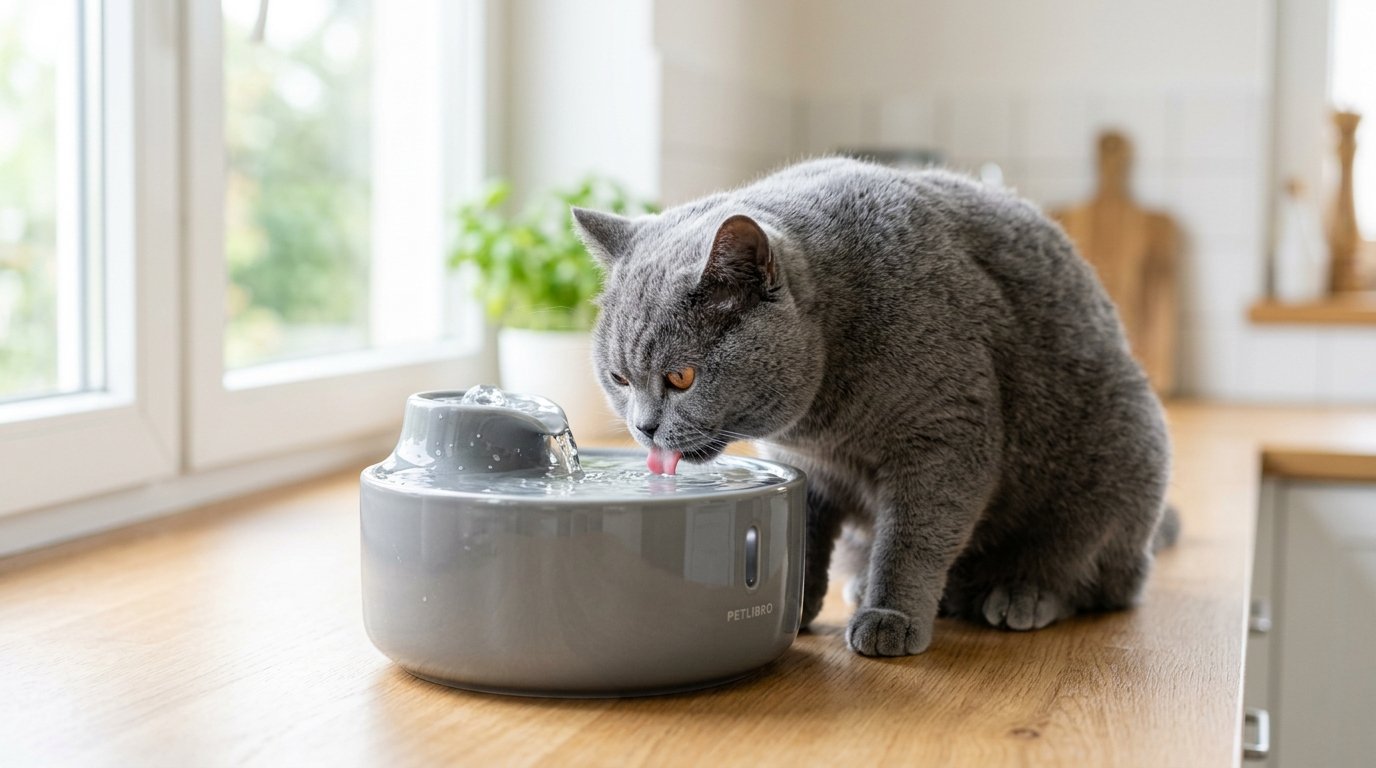
Hydration matters just as much as fiber. Cats that don’t drink enough water can end up with drier stool and a slower-moving digestive tract, both of which make it easier for fur to accumulate rather than pass through smoothly. Encouraging water intake through fountains, wet food, or multiple water bowls around the house can make a noticeable difference over time.
- Look for cat foods labeled specifically for hairball control
- Offer wet food alongside dry to boost moisture intake
- Consider a cat water fountain to encourage more drinking
- Avoid sudden diet changes without your vet’s guidance
Grooming Strategies to Reduce Hairballs
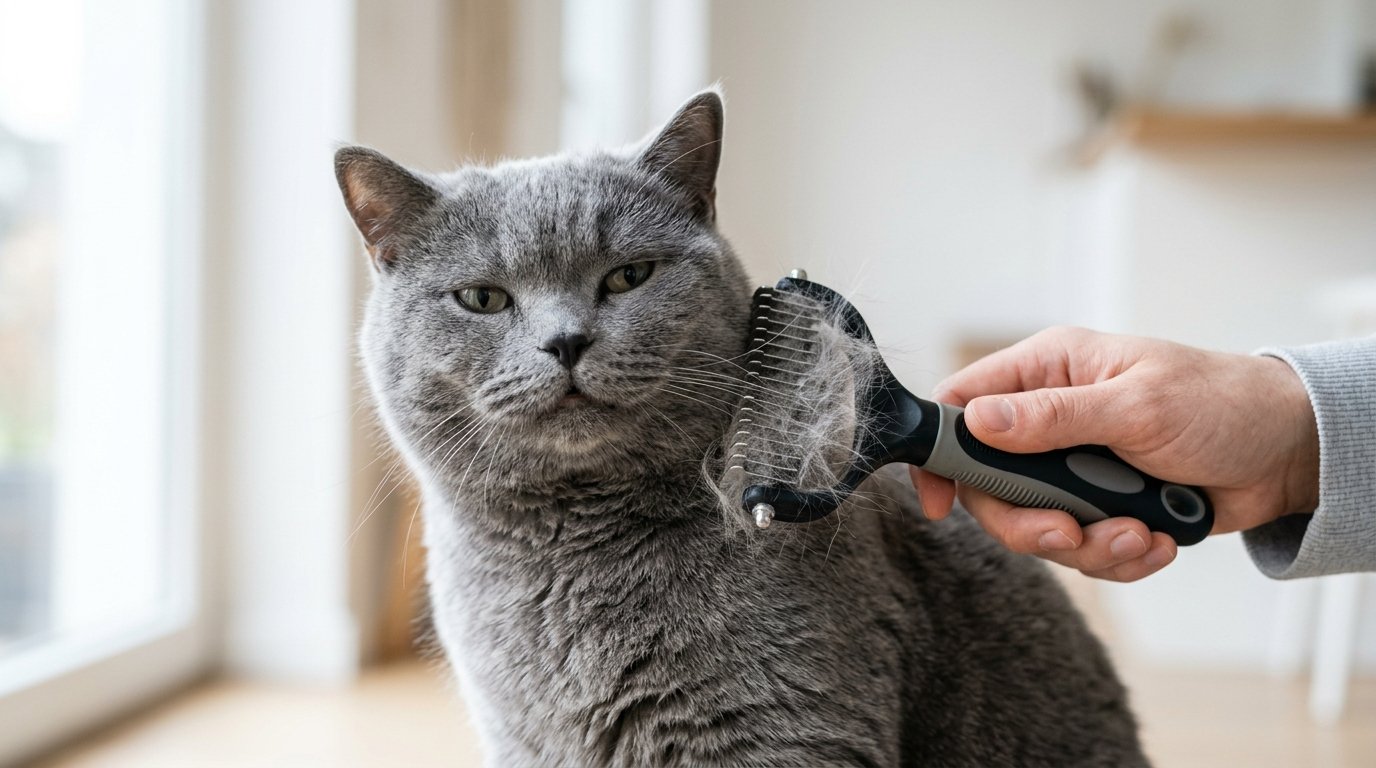
One of the simplest ways to reduce hairball frequency is to remove loose fur before your cat has the chance to swallow it. Regular brushing, especially during shedding seasons, can dramatically cut down on the amount of fur that ends up in your cat’s stomach. This is particularly important for breeds like the British Shorthair, whose dense double coat sheds heavily and consistently throughout the year.
Brushing sessions don’t need to be long to be effective, but they do need to be consistent. A few minutes every day or every other day is usually more effective than an occasional long session, since it prevents fur buildup rather than trying to catch up on it all at once. Many cats come to enjoy regular brushing once it becomes part of their routine, which makes it easier to stick with long term.
- Brush daily during heavy shedding seasons
- Use a deshedding tool designed for double coats
- Keep grooming sessions short but frequent
- Watch for mats, which can signal reduced self-grooming
Hairball Remedies and Products: What to Know
Pet stores carry a wide range of hairball remedies, from lubricant gels to specially formulated treats meant to help fur pass through the digestive tract more easily. These products can be a helpful part of a hairball management routine, but they aren’t a substitute for identifying and addressing the underlying cause if hairballs are happening frequently.
Before adding any new remedy or supplement to your cat’s routine, it’s a good idea to run it by your vet first. Some products aren’t appropriate for cats with certain health conditions, and your vet can help you figure out whether a remedy is actually necessary or whether the frequency you’re seeing warrants a deeper investigation instead.
When to Call Your Vet Immediately
Certain symptoms should prompt an urgent call to your vet or an emergency clinic rather than a wait-and-see approach. Repeated unproductive vomiting, visible abdominal swelling, extreme lethargy, or a complete refusal to eat for more than a day are all situations where time matters. A suspected blockage is considered an urgent medical situation because it can become life-threatening if left untreated.
Trust your instincts here. You know your cat’s normal behavior better than anyone, and if something feels off beyond a typical hairball episode, it’s always better to have your vet take a look than to wait and hope it resolves on its own.
- Repeated retching with nothing produced
- Abdomen appears swollen, tense, or painful
- No appetite for 24 hours or more
- Extreme lethargy or unresponsiveness
- Vomiting combined with diarrhea or blood
What Happens During a Vet Visit for Hairball Concerns
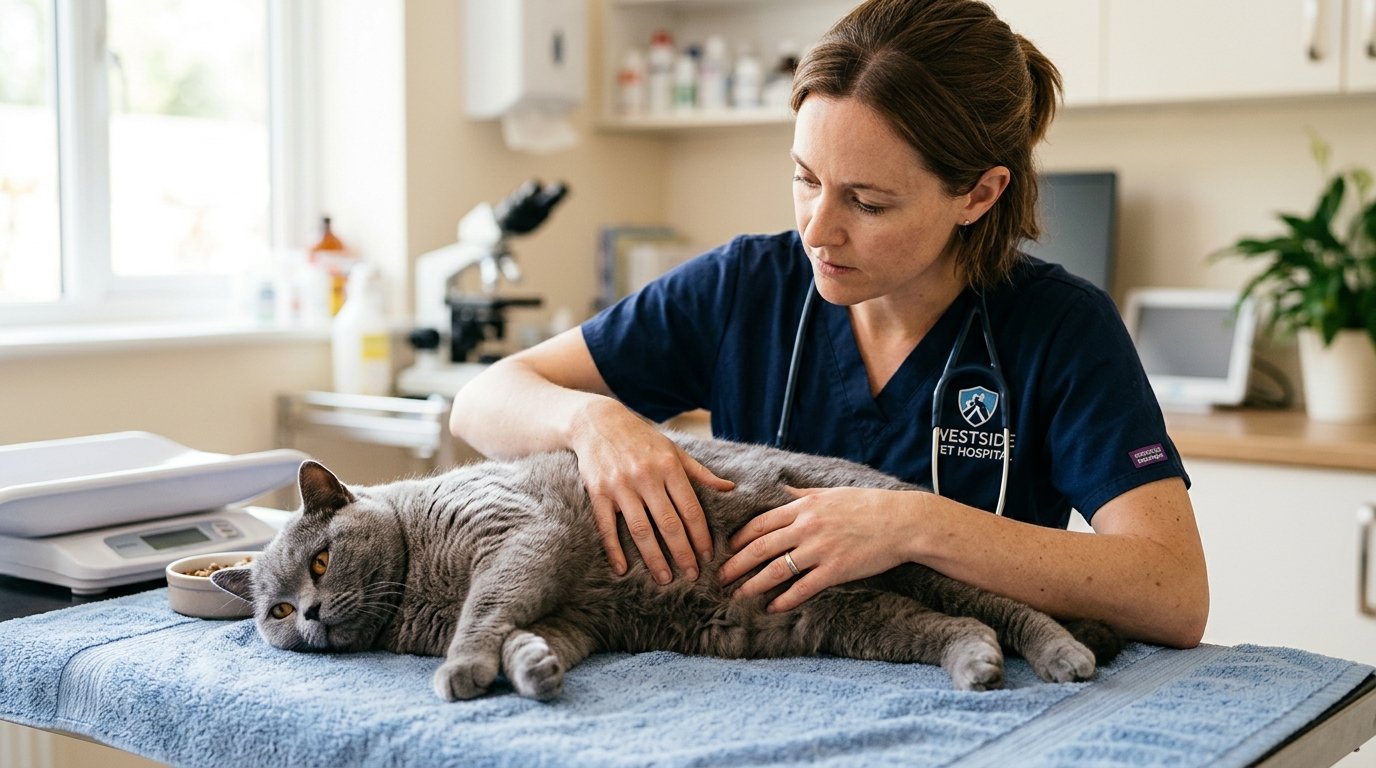
If you bring your cat in for frequent or concerning vomiting, your vet will typically start with a physical exam, feeling the abdomen for any signs of blockage or discomfort. Depending on what they find, they may recommend bloodwork, imaging like an x-ray or ultrasound, or other diagnostic tests to rule out conditions beyond simple hairballs.
This process helps your vet determine whether the vomiting is truly related to fur accumulation or whether an underlying issue is driving the symptoms. In some cases, treatment might involve dietary changes or grooming adjustments, while in others it might require more involved medical care. Either way, getting a clear diagnosis takes the guesswork out of managing your cat’s health going forward.
Long Term Prevention and Monitoring
Once you understand your cat’s typical hairball pattern, ongoing prevention becomes much more manageable. Regular grooming, a diet suited to your cat’s needs, and good hydration habits all work together to reduce how often fur accumulates in the digestive tract in the first place. Many owners find that a consistent routine cuts hairball frequency down significantly within just a few weeks.
It’s also worth scheduling regular checkups with your vet, even if your cat seems healthy overall. These visits give your vet the chance to catch subtle changes in weight, coat condition, or digestive health before they become bigger problems, which is especially valuable for breeds like the British Shorthair that are prone to heavier shedding.
Final Thoughts
Hairballs in cats are usually nothing more than an unpleasant but harmless part of feline grooming, and most cats will experience them from time to time without any lasting issue. The key is paying attention to frequency, severity, and how your cat behaves before and after each episode, since these details help you tell a normal hairball apart from a sign of something more serious.
When in doubt, your vet is always the best resource for sorting out what’s normal for your individual cat. A quick conversation or checkup can give you peace of mind and make sure any underlying issue gets caught early, keeping your cat comfortable and healthy for years to come.
This article is for general education and is not a substitute for care from your own veterinarian. Learn about The Pet Vet and our editorial policy.