
Discovering that your dog has bone fractures in dogs can feel overwhelming, especially when you’re unsure what comes next. As a pet owner, you want answers fast—and the right information can make all the difference in your dog’s recovery.
Table of Contents
- Understanding Bone Fractures in Dogs
- Signs Your Dog May Be Experiencing a Fracture
- How Vets Diagnose Bone Fractures
- Medication Options for Fracture Management
- Immobilization and Rest: The Foundation of Healing
- Surgical Intervention: When It’s Necessary
- Post-Fracture Care at Home
- Nutrition and Supplements During Recovery
- Potential Complications and When to Seek Immediate Care
- Rehabilitation and Return to Normal Activity
- Prevention Tips for Future Fractures
- Frequently Asked Questions
- What To Do Now
- Summary: Supporting Your Dog Through Fracture Recovery
This article is for informational purposes only and is not a substitute for professional veterinary advice. Always consult a licensed veterinarian for diagnosis and treatment.
Fractures are more common than you might think, ranging from hairline cracks to complete breaks. The good news? Most dogs recover beautifully with proper care, medication, and rest. In this guide, we’ll walk through what happens when your pup breaks a bone, how vets approach treatment, and what you can realistically expect during recovery.
Understanding Bone Fractures in Dogs
A bone fracture occurs when the structural integrity of a bone is compromised. This can happen from trauma, falls, car accidents, or even rough play. Some dogs—especially smaller breeds or those with certain health conditions—are more prone to fractures than others.
Fractures fall into different categories. A simple fracture is a clean break, while a compound fracture involves the bone piercing through the skin. Stress fractures develop gradually from repetitive strain. Each type requires different treatment approaches, so accurate diagnosis from your vet is crucial.
Signs Your Dog May Be Experiencing a Fracture
Your dog can’t tell you exactly what hurts, so watch for these telltale signs:
- Limping or refusing to put weight on a leg
- Swelling or visible deformity in a limb
- Yelping or whimpering when touched in a specific area
- Reluctance to move, jump, or climb stairs
- Holding a paw up consistently
- Visible wounds or bleeding (in compound fractures)
If you notice any of these symptoms, don’t wait. Catching this early puts you in a great position to help your dog heal properly and prevent complications.
How Vets Diagnose Bone Fractures
Your veterinarian will start with a physical examination, gently feeling along the affected area. X-rays are the gold standard for confirming a fracture and determining its severity. In some cases, your vet might recommend CT scans or ultrasound for more detailed imaging.
The diagnostic process helps your vet classify the fracture and plan the best treatment path. This is why professional evaluation is so important—a fracture that looks minor on the surface could be more serious, or vice versa.
Medication Options for Fracture Management
Pain management is a cornerstone of fracture recovery. Your vet may recommend several types of medications to keep your dog comfortable while the bone heals.
Pain Relievers
Nonsteroidal anti-inflammatory drugs (NSAIDs) are commonly prescribed to reduce both pain and inflammation. These help your dog move more comfortably during recovery, which actually supports healing. Your vet will select the appropriate medication and frequency based on your dog’s age, weight, and overall health.
Muscle Relaxants
Fractures often cause muscle tension and spasms around the injured area. Muscle relaxants can ease this discomfort and help your dog rest more peacefully. This is especially helpful in the first few days after injury.
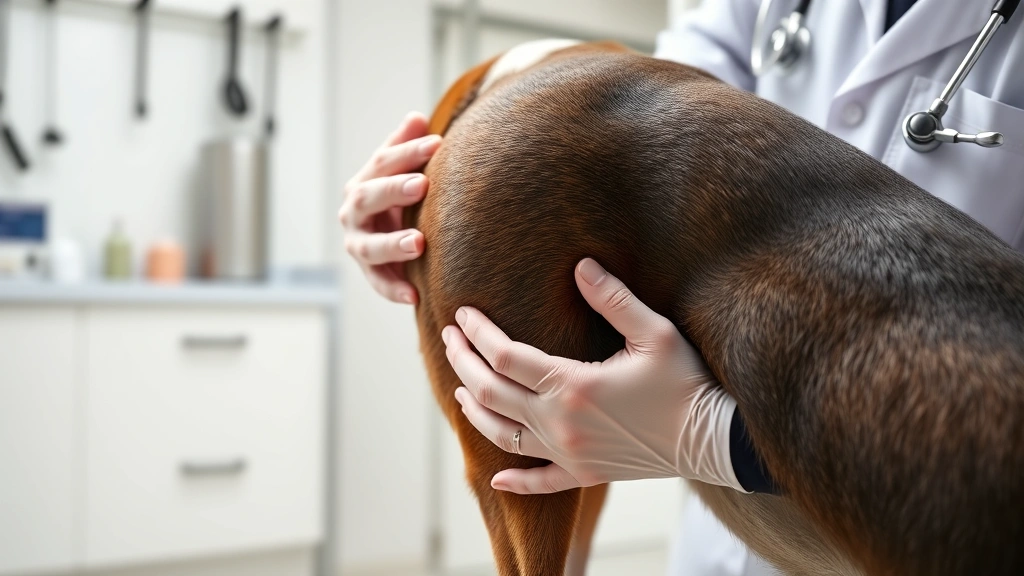
Antibiotics (When Needed)
If your dog has a compound fracture where the bone breaks through the skin, infection risk is higher. Your vet may prescribe antibiotics to prevent or treat bacterial infection. These are crucial for healing in these more serious cases.
Other Supportive Medications
Depending on the fracture’s severity and your dog’s response, your vet might recommend additional medications to support healing or manage secondary issues like anxiety or fever.
Immobilization and Rest: The Foundation of Healing
Medication alone won’t heal a fracture—immobilization is essential. Your vet may recommend a cast, splint, sling, or bandage depending on the fracture location and type. These devices keep the bone stable so it can knit back together properly.
Rest is equally important. This means limiting your dog’s activity significantly during the healing phase. No jumping, running, or rough play. Even short walks should be on-leash and controlled. This period can test your patience, but it’s temporary and absolutely necessary.
Many fractures heal within 4 to 8 weeks, though larger bones or more severe breaks may take longer. Your vet will schedule follow-up X-rays to monitor progress and adjust the treatment plan as needed.
Surgical Intervention: When It’s Necessary
Not all fractures require surgery, but some do. Compound fractures, severely displaced bones, or fractures in certain locations often need surgical repair. Surgery involves using pins, plates, screws, or other hardware to realign and stabilize the bone.
While surgery sounds intimidating, it often leads to better outcomes and faster healing than immobilization alone. Your vet will discuss whether surgery is recommended and what the recovery timeline looks like. If you’re unsure whether your pet needs urgent care or surgical evaluation, a quick telehealth check-in can give you peace of mind—no appointment needed.
Post-Fracture Care at Home
Your role at home is just as critical as veterinary care. Here’s what you need to focus on:
- Enforce strict rest. Keep your dog confined to a small, quiet space. Use a crate or pen to prevent spontaneous activity.
- Manage pain with prescribed medications. Give medications exactly as directed, even if your dog seems fine.
- Keep the cast or bandage clean and dry. Check daily for swelling, odor, or signs of infection.
- Monitor for complications. Watch for increased swelling, discharge, or behavioral changes that suggest pain.
- Provide comfortable bedding. A self-warming pet bed can ease discomfort and promote healing.
- Support immune health. Good nutrition is vital during recovery. Ask your vet about feeding for immune support during this time.
These steps might feel restrictive, but they’re what stand between a smooth recovery and complications like delayed healing or re-injury.
Nutrition and Supplements During Recovery
A dog healing from a fracture needs excellent nutrition. Protein supports bone and muscle repair, while calcium and phosphorus are essential for bone mineralization. Make sure your dog is eating a high-quality diet during recovery.
Some vets recommend supplements like fish oil for anti-inflammatory support or glucosamine for joint health, especially if the fracture affects a joint. Always check with your vet before adding supplements, as some can interact with medications.

Potential Complications and When to Seek Immediate Care
Most dogs recover without issues, but complications can occur. Watch for:
- Increased swelling that doesn’t improve with rest
- Discharge or foul odor from the cast or wound
- Your dog refusing to eat or drink
- Signs of infection like fever or lethargy
- The fracture site becoming hot to the touch
- Worsening lameness after initial improvement
If you notice any of these, contact your vet immediately. Early intervention can prevent serious complications. Related conditions like slipped disc in dogs or spondylosis in dogs can sometimes occur alongside or after fractures, so mention any new symptoms to your vet.
Rehabilitation and Return to Normal Activity
Once the bone has healed—confirmed by X-rays—your dog won’t immediately return to normal activity. Rehabilitation is a gradual process. Your vet may recommend controlled leash walks that slowly increase in duration.
Physical therapy can help rebuild muscle strength and improve range of motion. Some vets refer dogs to rehabilitation specialists who use exercises, hydrotherapy, or massage to support recovery. This phase typically lasts several weeks and is worth the investment in your dog’s long-term mobility.
Prevention Tips for Future Fractures
While accidents happen, you can reduce fracture risk:
- Keep your dog at a healthy weight to reduce stress on bones
- Avoid high-impact activities on hard surfaces, especially in young dogs
- Use ramps or stairs to prevent jumping on and off furniture
- Keep your home free of hazards that could cause falls
- Supervise outdoor play and keep your dog away from traffic
- Ensure your dog gets adequate calcium and phosphorus through diet
Prevention won’t eliminate all risk, but these steps significantly reduce the likelihood of fractures.
Frequently Asked Questions
How long does it take for a dog’s bone fracture to heal?
Most simple fractures heal within 4 to 8 weeks, though larger bones or complex fractures may take 8 to 12 weeks or longer. Your vet will use X-rays to confirm healing progress.
Can a dog’s fractured bone heal without a cast?
Some minor fractures may heal with strict rest alone, but most require immobilization through a cast, splint, or bandage. Your vet will determine what’s best for your dog’s specific fracture.
Will my dog have permanent damage from a bone fracture?
Most dogs recover fully with proper treatment and care. However, fractures affecting joints or severe compound fractures may lead to long-term stiffness or arthritis. Early treatment gives your dog the best chance for a complete recovery.
Is surgery always necessary for bone fractures in dogs?
No, many fractures heal well with conservative treatment like casting and rest. Your vet will recommend surgery only if it’s likely to produce better outcomes for your dog’s specific situation.
What should I do if I suspect my dog has a fracture?
Contact your veterinarian immediately for an examination and X-rays. Avoid moving the injured limb unnecessarily, and keep your dog calm and confined until you can get professional evaluation.
What To Do Now
If you suspect your dog has a bone fracture, here are your next steps:
- Schedule a veterinary appointment immediately. Don’t delay—early diagnosis and treatment lead to better outcomes. If you can’t reach your regular vet, contact an emergency clinic.
- Limit your dog’s activity right now. Keep them confined to a small space and avoid any jumping or running until a vet has evaluated them.
- Document symptoms and timeline. Write down when you first noticed the injury, what you observed, and any changes. This helps your vet make an accurate diagnosis.
- Prepare questions for your vet visit. Ask about medication options, immobilization methods, expected recovery time, and any activity restrictions you need to follow at home.
- If unsure about urgency, use telehealth for quick guidance. A quick telehealth check-in can help you determine if your dog needs emergency care or can wait for a regular appointment—no appointment needed.
Summary: Supporting Your Dog Through Fracture Recovery
Bone fractures in dogs are serious but highly treatable. With prompt veterinary care, appropriate medication, strict rest, and your dedicated support at home, most dogs recover beautifully. The key is acting fast, following your vet’s instructions carefully, and staying patient through the healing process.
Your dog is counting on you to be their advocate during this challenging time. By understanding fracture management and staying informed, you’re already giving them the best chance at a full recovery. Remember, this difficult phase is temporary—and on the other side is a healthy, happy pup ready to play again.