
Yes, you can absolutely talk to a vet about kitten licking paws online, and it’s often the fastest way to get answers when your little one won’t stop chewing at their feet. If you’ve noticed your kitten constantly licking or biting their paws, you’re not alone—and the good news is that telehealth makes it easier than ever to get professional guidance without leaving home.
Table of Contents
- Why Kittens Lick Their Paws: Common Causes
- Signs That Paw Licking Is More Than Normal Grooming
- Common Conditions Behind Excessive Paw Licking in Kittens
- How Online Vet Consultations Work for Paw Licking Issues
- What to Prepare Before Your Online Vet Appointment
- Treatment Options Your Online Vet Might Recommend
- When to Skip Telehealth and Go In-Person
- Preventing Excessive Paw Licking in Kittens
- The Pet Vet Advantage: Convenient Care When You Need It
- What to Do Now: Your Action Plan
- Summary: Getting Your Kitten the Help They Need
- Frequently Asked Questions
This article is for informational purposes only and is not a substitute for professional veterinary advice. Always consult a licensed veterinarian for diagnosis and treatment.
Why Kittens Lick Their Paws: Common Causes
Kittens lick their paws for many reasons, and not all of them signal a problem. Normal grooming is part of a kitten’s daily routine—they’re naturally fastidious little creatures. However, excessive licking is a different story and can point to several underlying issues.
One of the most common culprits is allergies. Just like humans, kittens can develop sensitivities to food, environmental factors, or contact irritants. Fleas are another frequent cause, even if you don’t see them directly. A single flea bite can trigger intense itching that sends your kitten into overdrive with their paws.
Stress and anxiety can also manifest as paw licking. Kittens in new environments or experiencing changes may self-soothe through repetitive grooming behaviors. Catching this early puts you in a great position to help your kitten feel more secure.
Signs That Paw Licking Is More Than Normal Grooming
So how do you know when your kitten’s paw licking crosses the line from normal to concerning? Here are the red flags to watch for:
- Constant licking throughout the day, even during play or meals
- Red, swollen, or irritated paw pads
- Hair loss around the paws or legs
- Limping or favoring one or more paws
- Open sores or scabs from excessive licking
- Discharge or odor coming from the paws
- Visible scratching or biting at the skin
If you’re seeing any of these signs, your kitten may be experiencing discomfort. A quick online consultation can help you determine whether this needs immediate attention or if it’s something manageable with home care.
Common Conditions Behind Excessive Paw Licking in Kittens
Understanding what might be causing your kitten’s behavior is the first step toward relief. Several medical and behavioral conditions can trigger excessive paw licking.
Parasites and Fleas: Even indoor kittens can pick up fleas, and they’re incredibly itchy. Flea allergy dermatitis is particularly common and can cause intense licking even from minimal flea exposure.
Skin Infections: Fungal infections like ringworm or bacterial infections can cause localized itching that drives kittens to lick constantly. These are also contagious, so getting a diagnosis matters for your household.
Food Allergies: Some kittens react poorly to certain proteins or ingredients in their food. Food allergies in cats often show up as skin irritation and paw licking.
Environmental Allergies: Pollen, dust, mold, or other environmental triggers can make paws itchy. These allergies may be seasonal or year-round depending on what your kitten is reacting to.
Anxiety or Stress: Kitten anxiety sometimes manifests as repetitive grooming behaviors. Moving to a new home, loud noises, or changes in routine can all trigger stress-related licking.
How Online Vet Consultations Work for Paw Licking Issues
Wondering how a telehealth vet can actually help with something like paw licking? The process is simpler than you might think.
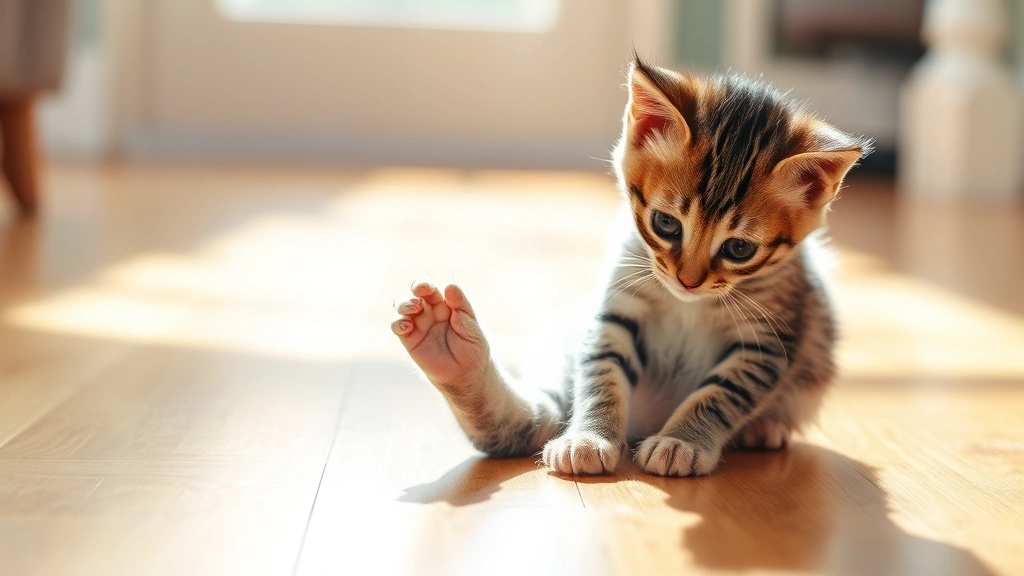
During an online consultation, your vet will ask detailed questions about when the licking started, how often it happens, and any other symptoms you’ve noticed. They’ll also want to know about your kitten’s diet, living environment, and whether they’ve been exposed to any new things recently.
Many vets can do a preliminary assessment through video, looking at the paws directly if you position your kitten correctly. They may ask you to describe the appearance of the paw pads—whether they’re red, swollen, or have any visible irritation.
From there, your vet might recommend at-home treatments, suggest dietary changes, or advise you to come in for a physical exam if they suspect something that needs hands-on evaluation. If you are unsure whether your pet needs urgent care, a quick telehealth check-in can give you peace of mind—no appointment needed.
What to Prepare Before Your Online Vet Appointment
Getting organized before your call makes the consultation much more productive. Here’s what to have ready:
- A clear video or photos of your kitten’s paws – Show the vet what you’re seeing. Good lighting helps them spot any redness, hair loss, or other changes.
- Your kitten’s medical history – Include any past health issues, current medications, and vaccination records.
- Information about their diet – Have the food brand and ingredients handy. Dietary changes can sometimes trigger allergic reactions.
- A timeline of when the licking started – Did it begin suddenly or gradually? Was there a trigger you noticed?
- Notes on other symptoms – Sneezing, ear scratching, vomiting, or diarrhea can all point to allergies.
The more information you provide, the better your vet can narrow down the cause and recommend next steps.
Treatment Options Your Online Vet Might Recommend
Once your vet has gathered information, they can suggest several treatment approaches depending on what’s causing the licking.
Parasite Prevention: If fleas are suspected, your vet will recommend an appropriate flea prevention product. Starting treatment quickly can stop the itching cycle.
Dietary Changes: Switching to a limited-ingredient diet or a prescription food designed for sensitive skin may help if allergies are the culprit. Your vet can guide you through a transition plan.
Environmental Management: Reducing potential irritants—like changing litter brands or using air purifiers—can sometimes make a big difference.
Stress Reduction: For anxiety-related licking, your vet might suggest environmental enrichment, pheromone diffusers, or other calming strategies.
Topical Care: Soothing paw soaks or protective balms can provide relief while you address the underlying cause.
Your vet may also recommend follow-up appointments to monitor progress and adjust the treatment plan if needed.
When to Skip Telehealth and Go In-Person
While online consultations are fantastic for many situations, some cases do require an in-person exam. If your kitten is showing any of these signs, schedule a physical visit:
- Severe swelling or visible infection in the paws
- Limping or inability to put weight on a paw
- Signs of trauma or injury
- Discharge or foul odor suggesting infection
- Symptoms that aren’t improving after initial treatment
- Your kitten seems lethargic or unwell overall
Your online vet can help you decide whether an in-person visit is necessary. They’re trained to recognize when a case needs hands-on evaluation.
Preventing Excessive Paw Licking in Kittens
Prevention is always easier than treatment. Here are practical steps to reduce your kitten’s risk of developing paw-licking problems:
- Keep up with flea prevention – Use a vet-recommended product year-round, even for indoor kittens.
- Maintain a clean environment – Regular vacuuming and litter box cleaning reduce parasites and irritants.
- Feed high-quality food – Look for products with limited ingredients and high protein content.
- Provide enrichment – Toys, climbing structures, and interactive play reduce stress and anxiety.
- Monitor for changes – Catch new behaviors early so you can address them quickly.
These preventive measures won’t guarantee your kitten never has issues, but they significantly reduce the likelihood.
The Pet Vet Advantage: Convenient Care When You Need It
Choosing to talk to a vet about kitten licking paws online through The Pet Vet means you get expert guidance without the stress of a clinic visit. No waiting rooms, no travel time, and no disruption to your kitten’s routine—just honest, compassionate veterinary care delivered to your home.
Our vets understand that worried pet parents need answers fast. Whether your kitten’s paw licking is a minor annoyance or something more serious, we’re here to help you figure it out and create a plan that works for your family.
What to Do Now: Your Action Plan
Ready to get your kitten some relief? Here’s exactly what to do next:
- Observe and document: Spend the next 24-48 hours noting when your kitten licks, how often, and any patterns you notice. Take photos of their paws.
- Schedule an online consultation: Connect with a vet through The Pet Vet to discuss what you’ve observed and get a professional assessment.
- Follow your vet’s recommendations: Whether that’s starting flea prevention, changing food, or scheduling an in-person visit, take action promptly.
- Monitor progress: Keep track of whether the licking improves, stays the same, or worsens over the next week or two.
- Stay in touch: Reach out to your vet if things aren’t improving or if new symptoms develop.
Summary: Getting Your Kitten the Help They Need
Excessive paw licking in kittens can stem from allergies, parasites, infections, stress, or other causes—and yes, you absolutely can talk to a vet about it online. Telehealth consultations are a convenient, low-pressure way to get professional guidance and create a treatment plan without leaving home.
The key is acting sooner rather than later. The earlier you address the issue, the faster your kitten can feel better and get back to being their playful, happy self. Your vet is just a video call away, ready to help you figure out what’s going on and how to fix it.
Frequently Asked Questions
Can a vet diagnose the cause of paw licking through a video call?
Yes, many vets can do a preliminary assessment through video by asking detailed questions and examining your kitten’s paws visually. However, some conditions may require lab tests or a hands-on exam for a definitive diagnosis.
How quickly can I get an online vet appointment for my kitten’s paw licking?
Most telehealth platforms, including The Pet Vet, offer same-day or next-day appointments. Some even have on-demand consultations available within minutes.
Is paw licking in kittens always a sign of something serious?
Not necessarily. While excessive licking warrants professional evaluation, mild grooming behavior is completely normal. Your vet can help you determine whether your kitten’s licking is concerning.
What’s the difference between normal grooming and excessive paw licking?
Normal grooming is brief and occasional, while excessive licking is frequent, intense, and often causes visible irritation or hair loss. If it’s interfering with play or sleep, it’s worth investigating.
Can I treat my kitten’s paw licking at home without seeing a vet?
While some home remedies might provide temporary relief, identifying and treating the underlying cause requires professional guidance. An online vet consultation is a great first step.
Related reading: Learn more about cat licking paws online consultations and dog paw licking issues. You might also find it helpful to explore skin allergies in young pets if your kitten has other symptoms.